
Big Data refers to the vast volumes of structured and unstructured data that inundate businesses and organizations on a daily basis. This data is characterized by its three primary attributes: volume, velocity, and variety. Volume pertains to the sheer amount of data generated, which can range from terabytes to petabytes.
Velocity refers to the speed at which this data is created and processed, often in real-time. Variety encompasses the different types of data, including text, images, videos, and sensor data, which come from various sources such as social media, IoT devices, and transactional systems. The concept of Big Data extends beyond just the size of the datasets; it also involves the ability to analyze and derive meaningful insights from this information.
Traditional data processing tools often fall short when it comes to handling Big Data due to its complexity and scale. As a result, organizations are increasingly turning to advanced analytics and machine learning techniques to extract valuable insights that can inform decision-making processes. Understanding Big Data is crucial for businesses aiming to leverage this resource effectively, as it can lead to improved operational efficiency, enhanced customer experiences, and innovative product development.
Key Takeaways
- Big Data refers to the large volume of data that inundates businesses on a day-to-day basis, and the tools and techniques used to analyze and derive insights from it.
- Big Data is crucial in today’s world as it helps businesses make informed decisions, improve operational efficiency, and gain a competitive edge in the market.
- While Big Data presents challenges such as data security and privacy concerns, it also offers opportunities for innovation, improved customer experiences, and new revenue streams.
- Big Data technologies and tools such as Hadoop, Spark, and NoSQL databases are essential for processing and analyzing large datasets efficiently.
- Ethical and privacy considerations in Big Data are important to address to ensure that data is used responsibly and in compliance with regulations.
The Importance of Big Data in Today’s World
In the contemporary landscape, Big Data has emerged as a cornerstone for strategic decision-making across various sectors. Organizations harnessing Big Data can gain a competitive edge by uncovering patterns and trends that were previously hidden within their datasets. For instance, retailers analyze customer purchasing behavior through transaction data to optimize inventory management and tailor marketing strategies.
This data-driven approach not only enhances customer satisfaction but also drives sales growth by ensuring that the right products are available at the right time. Moreover, Big Data plays a pivotal role in enhancing operational efficiency. In manufacturing, companies utilize real-time data from machinery and supply chains to predict maintenance needs and minimize downtime.
By implementing predictive analytics, organizations can streamline their operations, reduce costs, and improve overall productivity. The importance of Big Data extends beyond individual organizations; it also influences broader societal trends. For example, public health officials analyze large datasets to track disease outbreaks and assess the effectiveness of interventions, ultimately leading to better health outcomes for communities.
Challenges and Opportunities of Big Data

While the potential of Big Data is immense, it is accompanied by a set of challenges that organizations must navigate. One significant challenge is data quality. With the influx of diverse data sources, ensuring accuracy and consistency becomes increasingly difficult.
Poor-quality data can lead to misguided insights and flawed decision-making. Organizations must invest in robust data governance frameworks that establish standards for data collection, storage, and analysis to mitigate these risks. On the flip side, these challenges present unique opportunities for innovation.
Companies that successfully address data quality issues can unlock new avenues for growth and efficiency. For instance, businesses can develop advanced algorithms that not only clean and validate data but also enhance its usability for predictive modeling. Additionally, as organizations become more adept at managing Big Data, they can explore new business models that leverage data as a strategic asset.
This could involve creating data-sharing partnerships or developing new products that utilize insights derived from large datasets.
Big Data Technologies and Tools
The landscape of Big Data technologies is vast and continually evolving, with numerous tools designed to facilitate the storage, processing, and analysis of large datasets. One of the most widely used frameworks is Apache Hadoop, an open-source platform that allows for distributed storage and processing of large datasets across clusters of computers. Hadoop’s ability to handle both structured and unstructured data makes it a versatile choice for organizations looking to implement Big Data solutions.
In addition to Hadoop, other technologies such as Apache Spark have gained popularity due to their speed and efficiency in processing large volumes of data in real-time. Spark’s in-memory computing capabilities allow for faster analytics compared to traditional disk-based systems. Furthermore, cloud-based solutions like Amazon Web Services (AWS) and Microsoft Azure provide scalable infrastructure for storing and processing Big Data without the need for significant upfront investment in hardware.
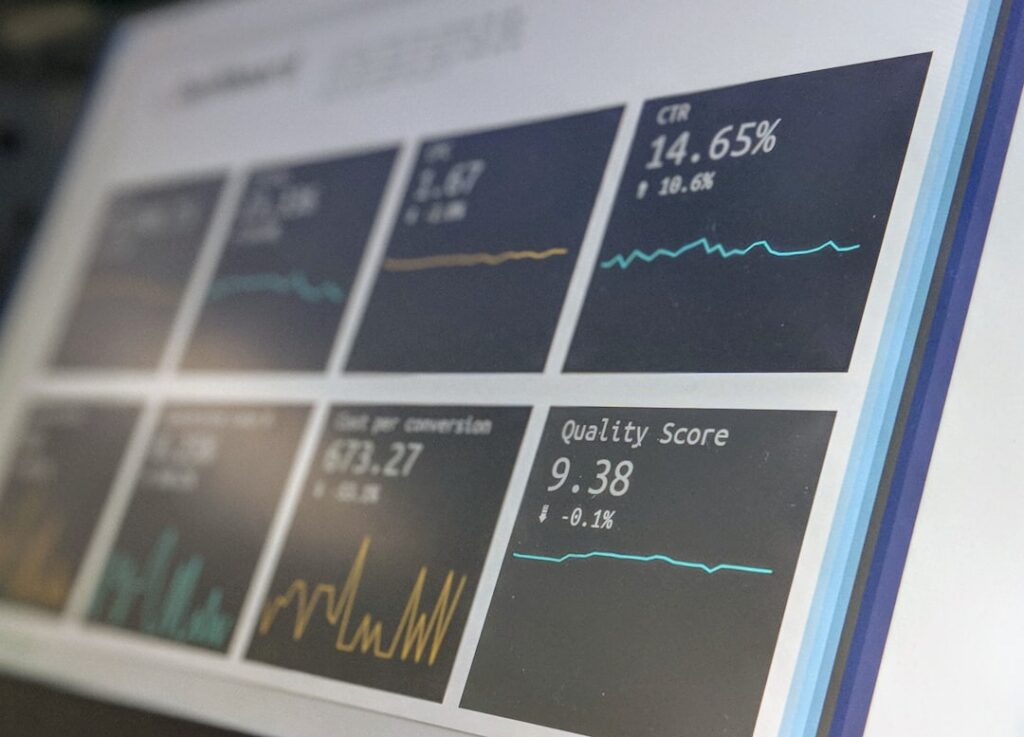
Data visualization tools such as Tableau and Power BI also play a crucial role in making sense of complex datasets. These tools enable users to create interactive dashboards that present insights in a visually appealing manner, facilitating better understanding and communication of findings across organizations. The combination of these technologies empowers businesses to harness the full potential of Big Data effectively.
Ethical and Privacy Considerations in Big Data
As organizations increasingly rely on Big Data for decision-making, ethical considerations surrounding data usage have come to the forefront.
Organizations must navigate the fine line between leveraging data for insights and respecting individuals’ privacy rights.
Transparency is a key ethical principle in Big Data practices. Organizations should be clear about how they collect, store, and use personal data, ensuring that individuals are informed about their rights regarding their information. Additionally, implementing robust security measures is essential to protect sensitive data from breaches or unauthorized access.
The ethical landscape surrounding Big Data is complex and requires ongoing dialogue among stakeholders, including businesses, policymakers, and consumers. By prioritizing ethical practices in their data strategies, organizations can build trust with their customers while also fostering a culture of accountability within their operations.
How Big Data is Revolutionizing Different Industries

Big Data is transforming industries across the board by enabling more informed decision-making and fostering innovation. In healthcare, for instance, the integration of Big Data analytics has led to significant advancements in patient care. Hospitals analyze patient records alongside real-time health monitoring data to identify trends in treatment efficacy and predict patient outcomes.
This approach not only enhances personalized medicine but also streamlines operations within healthcare facilities. In finance, Big Data analytics is reshaping risk management practices. Financial institutions utilize vast amounts of transactional data to detect fraudulent activities in real-time.
Machine learning algorithms analyze patterns in spending behavior to flag anomalies that may indicate fraud attempts. Additionally, investment firms leverage predictive analytics to assess market trends and make informed trading decisions based on historical data patterns. The retail sector has also experienced a seismic shift due to Big Data.
E-commerce platforms analyze customer browsing behavior and purchase history to deliver personalized recommendations that enhance user experience. By understanding consumer preferences through data analysis, retailers can optimize their marketing strategies and improve customer retention rates.
The Future of Big Data
Looking ahead, the future of Big Data is poised for continued growth and evolution as technological advancements pave the way for new possibilities. The rise of artificial intelligence (AI) and machine learning will further enhance the capabilities of Big Data analytics by enabling more sophisticated predictive modeling and automation of decision-making processes. As AI algorithms become more adept at processing large datasets, organizations will be able to derive deeper insights with greater accuracy.
Moreover, the proliferation of Internet of Things (IoT) devices will contribute significantly to the expansion of Big Data. As more devices become interconnected, the volume of data generated will increase exponentially. This presents both challenges in terms of data management but also opportunities for real-time analytics that can drive immediate action across various sectors.
The integration of edge computing will also play a crucial role in the future landscape of Big Data. By processing data closer to its source rather than relying solely on centralized cloud systems, organizations can achieve faster response times and reduce latency issues associated with real-time analytics. This shift will enable businesses to harness insights from Big Data more effectively while addressing concerns related to bandwidth limitations.
Tips for Harnessing the Power of Big Data
To effectively harness the power of Big Data, organizations should adopt a strategic approach that encompasses several key practices. First and foremost, investing in a robust data infrastructure is essential. This includes selecting appropriate storage solutions that can accommodate large volumes of data while ensuring scalability for future growth.
Organizations should also prioritize building a skilled workforce capable of interpreting complex datasets. Training employees in data literacy will empower them to make informed decisions based on insights derived from analytics. Collaborating with data scientists or analysts can further enhance an organization’s ability to extract actionable insights from their datasets.
Implementing a culture of experimentation is another critical aspect of leveraging Big Data effectively. Organizations should encourage teams to test hypotheses using data-driven approaches rather than relying solely on intuition or past experiences. This iterative process fosters innovation and allows businesses to adapt quickly to changing market conditions.
Finally, maintaining a strong focus on ethical considerations throughout the data lifecycle is paramount. Organizations must ensure compliance with relevant regulations while prioritizing transparency in their data practices. By fostering trust with customers through ethical data usage, businesses can create long-term relationships that drive success in an increasingly competitive landscape.
In summary, understanding Big Data’s intricacies is essential for organizations aiming to thrive in today’s data-driven world. By embracing its potential while navigating challenges responsibly, businesses can unlock new opportunities for growth and innovation across various industries.
If you’re interested in learning more about the impact of big data on various industries, you may want to check out an article on hellread.com titled “Hello World: Exploring the Future of Data Analytics.” This article delves into how data analytics is shaping the future of business and provides insights into the potential opportunities and challenges that come with harnessing the power of big data. It complements the themes discussed in David Stephenson’s “Big Data Demystified” by offering a broader perspective on the evolving landscape of data analytics.
FAQs
What is big data?
Big data refers to large and complex data sets that are difficult to process using traditional data processing applications. It encompasses the volume, velocity, and variety of data that organizations collect and analyze to gain insights and make informed decisions.
How is big data used in business?
Big data is used in business to analyze customer behavior, improve operational efficiency, develop new products and services, and make data-driven decisions. It helps organizations gain a competitive edge, identify trends, and predict future outcomes.
What are the challenges of working with big data?
Challenges of working with big data include data storage and management, data security and privacy, data quality and accuracy, and the need for advanced analytics tools and skills. Organizations also face challenges in integrating and analyzing data from various sources.
What are some common technologies used for big data processing?
Common technologies used for big data processing include Hadoop, Apache Spark, NoSQL databases, data warehouses, and data lakes. These technologies enable organizations to store, process, and analyze large volumes of data efficiently.
How does big data impact privacy and security?
Big data raises concerns about privacy and security as organizations collect and analyze large amounts of personal and sensitive data. It is important for organizations to implement robust security measures and comply with data protection regulations to safeguard the privacy of individuals.




