
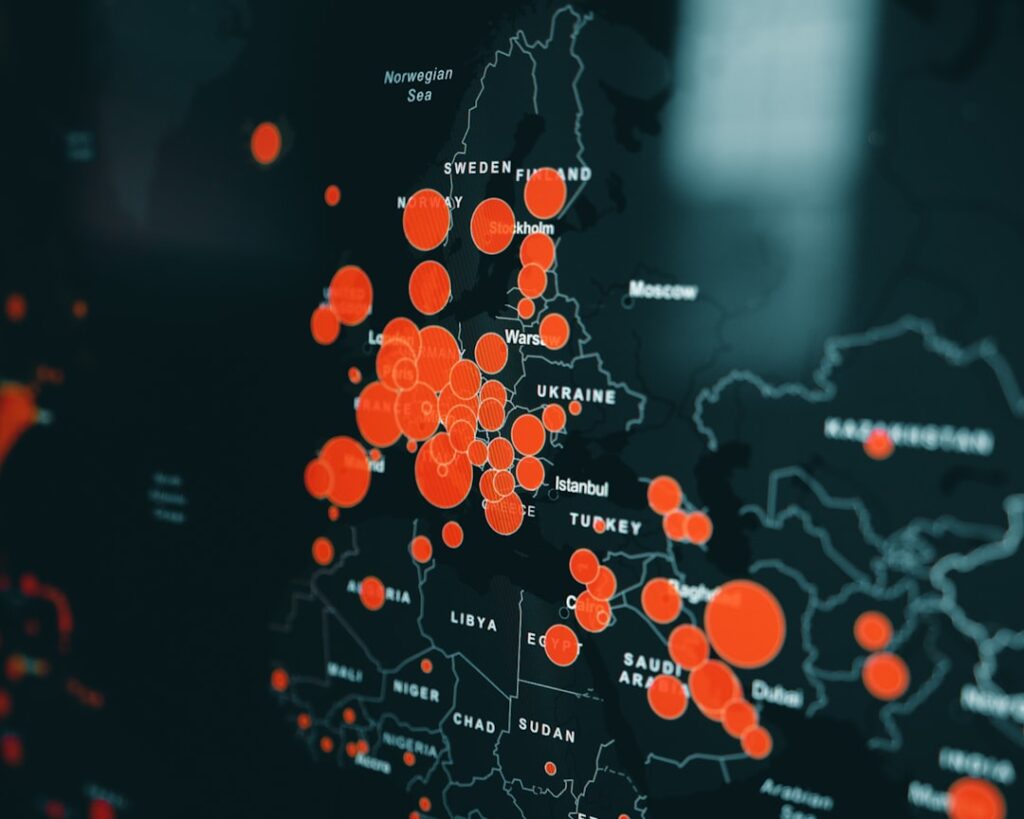
In the contemporary landscape of business and technology, data management has emerged as a cornerstone for effective analytics. As organizations increasingly rely on data-driven decision-making, the ability to manage, analyze, and derive insights from vast amounts of information becomes paramount. Data management encompasses a wide array of practices, including data collection, storage, retrieval, and analysis, all of which are essential for transforming raw data into actionable intelligence.
The rise of big data, coupled with advancements in analytics technologies, has necessitated a more structured approach to managing data, ensuring that organizations can leverage their data assets to gain competitive advantages. The significance of data management extends beyond mere organization; it is about creating a robust framework that supports the entire analytics lifecycle. This framework must accommodate various data types, including structured, semi-structured, and unstructured data, while also addressing the challenges posed by data volume, velocity, and variety.
As businesses strive to harness the power of analytics, they must prioritize effective data management strategies that not only enhance operational efficiency but also foster innovation and agility in responding to market changes.
Key Takeaways
- Data management is crucial for effective analytics, involving processes such as storage, retrieval, governance, integration, visualization, and reporting.
- Data quality is essential for accurate and reliable analytics, requiring attention to completeness, consistency, accuracy, and timeliness.
- Best practices for data storage and retrieval include choosing the right storage solutions, optimizing data access, and ensuring data security and privacy.
- Data governance and security measures are necessary to maintain data integrity, compliance, and protection against unauthorized access and breaches.
- Data integration and ETL processes are vital for combining and transforming data from various sources to enable meaningful analysis and reporting.
The Importance of Data Quality in Analytics
Data quality is a critical component of successful analytics initiatives. High-quality data is characterized by accuracy, completeness, consistency, and timeliness. When organizations invest in ensuring data quality, they significantly enhance the reliability of their analytical outcomes.
Poor data quality can lead to misguided insights, erroneous conclusions, and ultimately, flawed business decisions. For instance, a retail company relying on inaccurate sales data may misinterpret customer preferences, leading to ineffective marketing strategies and lost revenue opportunities. To maintain high data quality, organizations must implement rigorous data validation processes at various stages of the data lifecycle.
This includes establishing clear data entry protocols to minimize errors at the source and conducting regular audits to identify and rectify inconsistencies. Additionally, organizations should invest in training employees on the importance of data quality and how their roles contribute to maintaining it. By fostering a culture that prioritizes data integrity, businesses can ensure that their analytics efforts yield meaningful and actionable insights.
Best Practices for Data Storage and Retrieval

Effective data storage and retrieval practices are essential for optimizing analytics processes. Organizations must choose appropriate storage solutions that align with their specific needs, considering factors such as scalability, accessibility, and cost-effectiveness. Traditional relational databases may suffice for structured data; however, as organizations accumulate diverse datasets, they may need to explore alternative storage options such as NoSQL databases or cloud-based solutions.
These modern storage systems offer flexibility and scalability that can accommodate the growing demands of big data analytics. In addition to selecting the right storage solution, organizations should implement efficient retrieval mechanisms to ensure that analysts can access the necessary data quickly and easily. This involves creating well-defined metadata schemas that facilitate data discovery and employing indexing techniques to enhance query performance.
Furthermore, organizations should consider implementing data warehousing solutions that consolidate disparate data sources into a single repository, enabling more streamlined access for analytical purposes. By prioritizing effective storage and retrieval practices, organizations can significantly enhance their analytical capabilities.
Data Governance and Security Measures
Data governance is a critical aspect of data management that ensures the proper handling of data throughout its lifecycle. It encompasses policies, procedures, and standards that dictate how data is collected, stored, accessed, and utilized within an organization. A robust data governance framework not only enhances compliance with regulatory requirements but also fosters trust among stakeholders by ensuring that data is managed responsibly and ethically.
For example, organizations in highly regulated industries such as finance or healthcare must adhere to strict guidelines regarding data privacy and security.
As cyber threats continue to evolve, organizations must implement comprehensive security protocols to protect sensitive information from unauthorized access or breaches.
This includes employing encryption techniques for data at rest and in transit, implementing access controls to restrict user permissions based on roles, and conducting regular security audits to identify vulnerabilities. By prioritizing both governance and security measures, organizations can safeguard their data assets while ensuring compliance with relevant regulations.
Data Integration and ETL Processes
Data integration is the process of combining data from different sources into a unified view that can be analyzed effectively. This is particularly important in today’s multi-source environment where organizations often rely on various systems for different functions—such as CRM systems for customer data and ERP systems for operational metrics. Extract, Transform, Load (ETL) processes play a crucial role in this integration by facilitating the movement of data from source systems into a centralized repository for analysis.
The ETL process begins with extraction, where relevant data is pulled from various sources. This is followed by transformation, which involves cleaning and formatting the data to ensure consistency and compatibility with the target system. Finally, the loading phase involves transferring the transformed data into a destination database or warehouse where it can be accessed for analysis.
Organizations must carefully design their ETL processes to ensure efficiency and accuracy; this may involve automating certain tasks or utilizing specialized ETL tools that streamline the process. By effectively integrating their data through robust ETL processes, organizations can create a comprehensive view of their operations that supports informed decision-making.
Data Visualization and Reporting
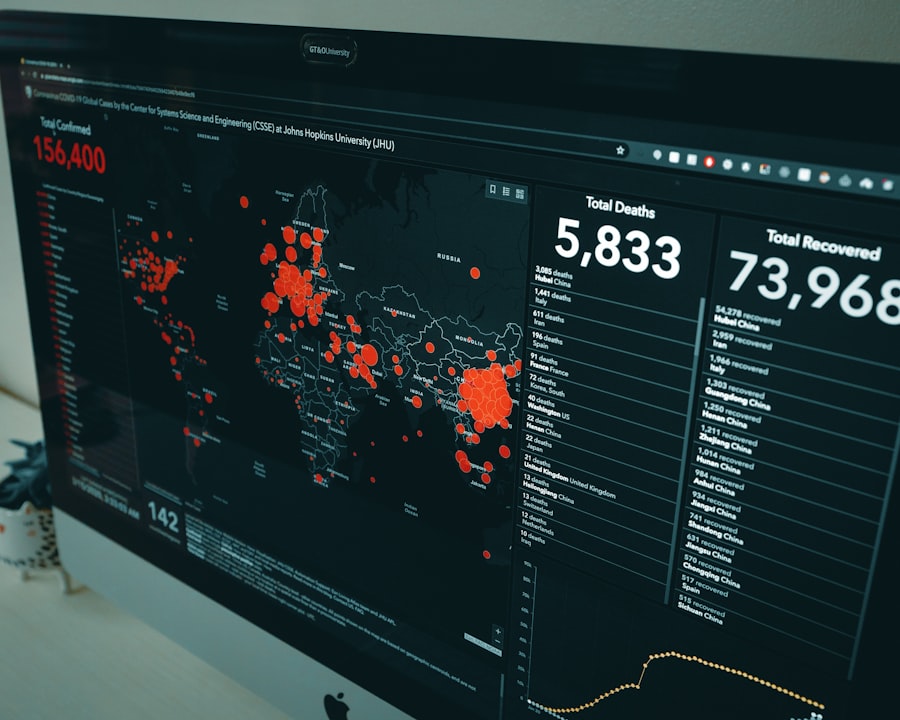
Data visualization is an essential component of analytics that enables stakeholders to interpret complex datasets through graphical representations. Effective visualizations can reveal patterns, trends, and insights that may not be immediately apparent in raw data formats. Tools such as Tableau, Power BI, and D3.js have revolutionized the way organizations present their analytical findings by allowing users to create interactive dashboards and reports that facilitate exploration and understanding.
When designing visualizations, it is crucial to consider the audience’s needs and preferences. Different stakeholders may require varying levels of detail or types of visual representations based on their roles within the organization. For instance, executives may prefer high-level summaries with key performance indicators (KPIs), while analysts may require more granular views with detailed breakdowns of underlying metrics.
By tailoring visualizations to meet specific audience requirements, organizations can enhance communication around analytical insights and drive more effective decision-making processes.
Choosing the Right Data Management Tools
Selecting appropriate data management tools is vital for optimizing analytics capabilities within an organization. The market offers a plethora of options ranging from traditional database management systems (DBMS) to modern cloud-based solutions designed for big data analytics. When evaluating potential tools, organizations should consider factors such as scalability, ease of use, integration capabilities with existing systems, and support for advanced analytics features like machine learning.
Additionally, organizations should assess whether they require specialized tools for specific tasks—such as ETL processes or data visualization—or if an all-in-one solution would suffice. For example, companies focused on real-time analytics may benefit from tools that support streaming data ingestion and processing capabilities. Furthermore, it is essential to involve key stakeholders in the selection process to ensure that chosen tools align with organizational goals and user needs.
By carefully evaluating and selecting the right tools for their specific requirements, organizations can enhance their overall data management strategy.
Future Trends in Data Management for Analytics
As technology continues to evolve at a rapid pace, several trends are shaping the future of data management for analytics. One significant trend is the increasing adoption of artificial intelligence (AI) and machine learning (ML) technologies within data management processes. These technologies can automate routine tasks such as data cleaning and transformation while also providing advanced analytical capabilities that enable predictive modeling and real-time insights.
Another emerging trend is the shift towards decentralized data architectures facilitated by blockchain technology. This approach enhances transparency and security in data transactions while allowing organizations to maintain control over their own datasets without relying on centralized authorities. Additionally, as privacy regulations become more stringent globally—such as GDPR in Europe—organizations will need to adopt more sophisticated approaches to ensure compliance while still leveraging their data assets effectively.
Furthermore, cloud computing continues to transform how organizations manage their data by offering scalable storage solutions and powerful processing capabilities without significant upfront investments in infrastructure. As businesses increasingly migrate their operations to the cloud, they will need to develop strategies for managing hybrid environments that combine on-premises systems with cloud-based solutions. In summary, the future of data management for analytics will be characterized by greater automation through AI/ML technologies, enhanced security through decentralized architectures like blockchain, compliance with evolving privacy regulations, and increased reliance on cloud-based solutions for scalability and flexibility in managing vast amounts of data.
If you are interested in learning more about data management and analytics, you may also want to check out the article “Hello World” on Hellread.com. This article discusses the basics of programming and how to get started with coding. It can be a helpful resource for those looking to expand their skills in data analysis and management.


