
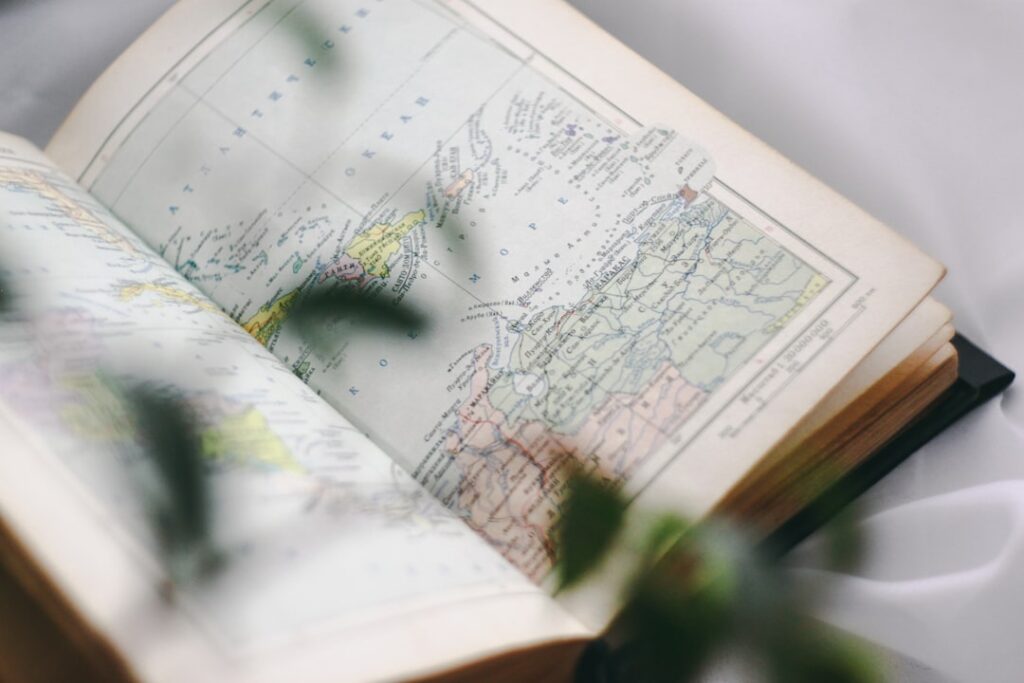
Travel is often perceived as a mere act of moving from one place to another, but it transcends this basic definition, evolving into an intricate art form that encompasses exploration, discovery, and personal growth. The art of travel invites individuals to engage with the world around them in a profound way, encouraging them to immerse themselves in diverse cultures, landscapes, and experiences. It is a journey that extends beyond physical movement; it is about the transformation that occurs within the traveler.
Each trip can serve as a canvas upon which memories are painted, lessons are learned, and perspectives are broadened. In this context, travel becomes a multifaceted experience that intertwines with philosophy, observation, and creativity. It challenges travelers to step outside their comfort zones and embrace the unfamiliar.
The art of travel is not solely about the destinations visited but also about the stories that unfold along the way. It is an invitation to engage with the world in a manner that fosters understanding and appreciation for the myriad ways of life that exist beyond one’s own. As we delve deeper into this exploration, we will uncover the philosophical underpinnings of travel, the significance of observation, and the beauty that can be found in both extraordinary and ordinary moments.
Key Takeaways
- The Art of Travel explores the philosophy and importance of observation in finding beauty in the mundane.
- Coping with disappointment in travel and enhancing experiences through art and literature are key aspects of The Art of Travel.
- Cultivating a sense of curiosity and wonder in travel can lead to a more fulfilling and enriching experience.
- The lessons of The Art of Travel can be applied to everyday life, leading to a more mindful and appreciative approach to the world around us.
- Overall, The Art of Travel encourages a deeper understanding and appreciation of the world through observation, curiosity, and the ability to find beauty in unexpected places.
Exploring the Philosophy of Travel
The philosophy of travel is a rich tapestry woven from various threads of thought, encompassing existential inquiries, cultural reflections, and ethical considerations. At its core, travel prompts individuals to confront fundamental questions about identity, purpose, and belonging. Philosophers such as Alain de Botton have posited that travel serves as a means of self-discovery, allowing individuals to reflect on their lives in relation to the broader world.
This introspective aspect of travel encourages a deeper understanding of oneself and one’s place within the global community. Moreover, travel can be viewed through the lens of phenomenology, which emphasizes the importance of lived experiences. Each journey offers unique encounters that shape our perceptions and challenge preconceived notions.
For instance, a traveler venturing into a remote village may find themselves grappling with their assumptions about modernity and tradition. Such experiences can lead to profound realizations about the interconnectedness of humanity and the shared values that transcend cultural boundaries. By engaging with different philosophies of travel, individuals can cultivate a more nuanced appreciation for the diverse narratives that shape our world.
The Importance of Observation in Travel
Observation is a fundamental skill that enhances the travel experience, allowing individuals to engage more deeply with their surroundings. It is through careful observation that travelers can uncover hidden gems—those small details that often go unnoticed in the hustle and bustle of daily life. Whether it’s the intricate patterns on a local artisan’s pottery or the subtle nuances of a street performer’s act, these observations enrich our understanding of a place and its people.
The act of observing encourages mindfulness, prompting travelers to slow down and savor each moment rather than rushing from one tourist attraction to another. Furthermore, keen observation fosters empathy and connection. When travelers take the time to notice the expressions on people’s faces or the rhythms of daily life in a new environment, they begin to appreciate the complexities of human experience.
For example, observing how families interact during a communal meal can reveal cultural values surrounding hospitality and togetherness. This level of engagement transforms travel from a superficial checklist of sights into a meaningful exploration of human relationships and cultural practices. By honing their observational skills, travelers can cultivate a deeper sense of appreciation for the world around them.
Finding Beauty in the Mundane
One of the most profound aspects of travel lies in its ability to reveal beauty in the mundane. Often, it is not the grand monuments or breathtaking landscapes that leave a lasting impression but rather the simple moments that resonate on a personal level. A quiet morning spent sipping coffee at a local café, watching the world awaken around you, can be just as transformative as standing before an iconic landmark.
These seemingly ordinary experiences invite travelers to find joy in simplicity and to appreciate the richness of everyday life.
These moments encapsulate the essence of life in that particular place, offering insights into its culture and values. By embracing the beauty found in these small details, travelers can cultivate a sense of gratitude and mindfulness that enhances their overall experience. This perspective encourages individuals to seek out beauty not only while traveling but also in their daily lives.
Coping with Disappointment in Travel
Disappointment is an inevitable part of travel; it can arise from unforeseen circumstances such as flight delays, inclement weather, or even unmet expectations regarding a destination. However, learning how to cope with disappointment can transform these challenges into opportunities for growth and resilience. Instead of allowing setbacks to overshadow the entire experience, travelers can adopt a mindset that embraces flexibility and adaptability.
This approach encourages individuals to view obstacles as integral components of their journey rather than hindrances. For example, imagine a traveler who arrives at their dream destination only to find it shrouded in rain and fog. Initially disheartened by this turn of events, they might choose to explore indoor attractions or engage with locals in cozy cafés instead.
This shift in perspective can lead to unexpected discoveries—perhaps they stumble upon an art exhibit or forge meaningful connections with residents who share their stories over warm drinks. By reframing disappointment as an opportunity for exploration rather than an endpoint, travelers can cultivate resilience and adaptability that serve them well beyond their journeys.
The Role of Art and Literature in Enhancing Travel Experiences
Art and literature have long been intertwined with the experience of travel, serving as both inspiration and reflection for those who embark on journeys. From classic novels that transport readers to distant lands to contemporary art installations that challenge perceptions of place, creative expressions enrich our understanding of travel in profound ways. Literature often captures the essence of a destination through vivid descriptions and emotional narratives, allowing readers to envision themselves within those landscapes long before they arrive.
Moreover, engaging with local art forms can deepen one’s appreciation for a culture’s history and values. For instance, attending a traditional dance performance or visiting an art gallery showcasing local artists provides insight into the community’s identity and creative spirit. These experiences foster connections between travelers and their surroundings, transforming mere observation into active participation in cultural exchange.
By immersing themselves in art and literature during their travels, individuals can cultivate a richer understanding of the places they visit while also reflecting on their own experiences through creative lenses.
Cultivating a Sense of Curiosity and Wonder in Travel
Curiosity is an essential ingredient for meaningful travel experiences; it propels individuals to explore beyond their comfort zones and engage with unfamiliar cultures and environments. Cultivating a sense of wonder encourages travelers to approach each destination with an open mind and heart, ready to embrace new experiences without preconceived notions or judgments. This mindset fosters genuine connections with people and places alike, allowing for deeper interactions that enrich one’s journey.
For example, consider a traveler who arrives in a foreign city with no specific itinerary but instead chooses to wander aimlessly through its streets. This openness invites serendipitous encounters—perhaps they stumble upon an impromptu street festival or strike up a conversation with a local artist showcasing their work. Such moments often lead to unexpected insights and lasting memories that would have been missed had they adhered strictly to a planned agenda.
By nurturing curiosity and wonder during their travels, individuals can unlock new dimensions of experience that transform ordinary trips into extraordinary adventures.
Applying the Lessons of The Art of Travel to Everyday Life
The lessons gleaned from the art of travel extend far beyond the confines of physical journeys; they offer valuable insights applicable to everyday life. The ability to observe keenly, find beauty in simplicity, cope with disappointment gracefully, engage with art and literature meaningfully, and cultivate curiosity are all skills that enhance one’s overall quality of life. By integrating these principles into daily routines, individuals can foster a greater sense of fulfillment and connection within their own communities.
For instance, practicing mindfulness through observation can transform mundane activities—such as commuting or grocery shopping—into opportunities for discovery and appreciation. Similarly, embracing flexibility when faced with challenges can lead to personal growth and resilience in various aspects of life. By applying the lessons learned from travel experiences to everyday situations, individuals can create richer narratives within their own lives while fostering deeper connections with those around them.
In essence, the art of travel serves as both an exploration of the world and an invitation to engage more fully with life itself. Through thoughtful observation, appreciation for beauty in simplicity, resilience in disappointment, engagement with creativity, and nurturing curiosity, individuals can embark on transformative journeys that resonate long after they return home.
If you enjoyed reading The Art of Travel by Alain de Botton, you may also be interested in checking out this article on hellread.com that discusses the importance of exploring new destinations and embracing the unknown. Traveling can provide us with valuable experiences and insights that can enrich our lives in countless ways. So why not continue your journey of self-discovery and adventure by delving into this thought-provoking piece?
FAQs
What is “The Art of Travel” by Alain de Botton about?
“The Art of Travel” is a book written by Alain de Botton that explores the philosophical aspects of traveling. It delves into the reasons why people travel, the experiences they have while traveling, and the impact of travel on their lives.
What are some of the themes discussed in “The Art of Travel”?
Some of the themes discussed in “The Art of Travel” include the anticipation of travel, the experience of being in new and unfamiliar places, the impact of landscapes on our emotions, and the way in which art and literature can influence our perceptions of travel.
How does “The Art of Travel” approach the topic of travel?
“The Art of Travel” approaches the topic of travel from a philosophical and introspective perspective. It examines the emotional and psychological aspects of travel, as well as the ways in which travel can enrich our lives and broaden our perspectives.
What makes “The Art of Travel” by Alain de Botton unique?
“The Art of Travel” is unique in its approach to the topic of travel, as it combines philosophical insights with personal anecdotes and reflections. It also incorporates art, literature, and cultural references to explore the deeper meanings and implications of travel.




