
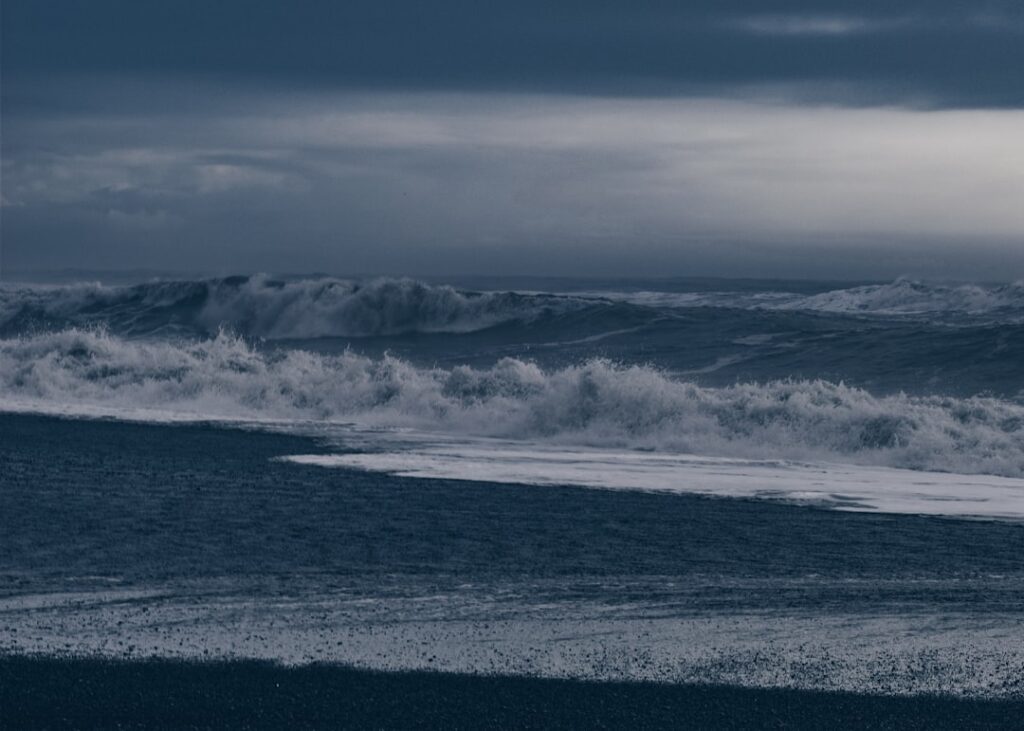
Tsunamis are among the most devastating natural disasters, characterized by their ability to travel across entire ocean basins and inundate coastal areas with little warning. The primary cause of tsunamis is the sudden displacement of a large volume of water, typically due to underwater earthquakes, volcanic eruptions, or landslides. The most common trigger is seismic activity along tectonic plate boundaries, where the Earth’s crust is in constant motion.
When an earthquake occurs, it can cause the seafloor to uplift or drop suddenly, displacing the water above it and generating waves that can travel at speeds exceeding 500 miles per hour in deep water. The effects of tsunamis can be catastrophic. As these waves approach shallower coastal waters, they slow down but increase in height, sometimes reaching heights of over 100 feet.
The energy contained in a tsunami wave can lead to extensive flooding, destruction of infrastructure, and loss of life. For instance, the 2004 Indian Ocean tsunami, triggered by a massive undersea earthquake off the coast of Sumatra, resulted in over 230,000 fatalities across multiple countries and caused billions of dollars in damages. The sheer force of the water can obliterate buildings, uproot trees, and carry debris far inland, leaving communities devastated in its wake.
Key Takeaways
- Tsunamis are caused by underwater earthquakes, volcanic eruptions, or landslides, and can have devastating effects on coastal communities.
- Storm surges occur when weather systems, such as hurricanes, push water towards the shore, leading to dangerous flooding and erosion.
- Rogue waves are unpredictable and can be extremely destructive, posing a significant threat to ships and coastal structures.
- Examining past disasters helps us understand their impact and improve disaster preparedness and response strategies.
- Advancements in technology and research have improved our ability to predict and prepare for coastal disasters, but the human impact remains significant.
Storm Surges: How Weather Systems Create Dangerous Coastal Conditions
Storm surges are another significant coastal hazard, often associated with hurricanes and severe storms. Unlike tsunamis, which are caused by geological events, storm surges result from meteorological phenomena. When a storm approaches land, the combination of strong winds and low atmospheric pressure can push seawater toward the shore, leading to a rise in sea level known as a storm surge.
This phenomenon can exacerbate the effects of high tides and lead to severe flooding in coastal areas. The impact of storm surges can be profound, particularly in low-lying regions. For example, Hurricane Katrina in 2005 produced storm surges that reached heights of over 25 feet in some areas of Louisiana and Mississippi.
The surge overwhelmed levees and flood defenses, inundating New Orleans and causing widespread destruction. The flooding not only damaged homes and infrastructure but also led to significant loss of life and long-term displacement of residents. Understanding the dynamics of storm surges is crucial for effective disaster preparedness and response, as accurate predictions can help communities evacuate and mitigate damage.
Rogue Waves: Unpredictable and Destructive Forces of Nature
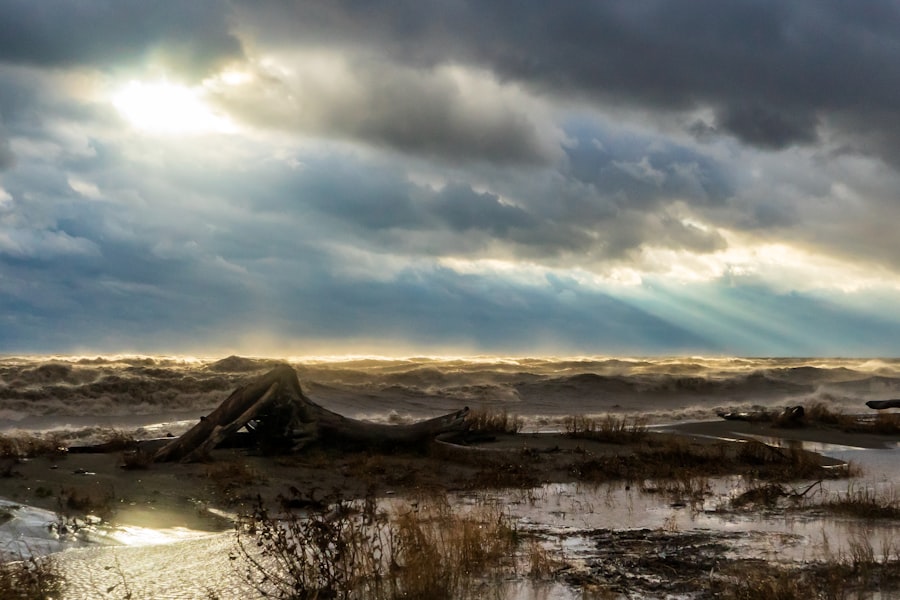
Rogue waves are another enigmatic phenomenon that poses a threat to maritime safety. These waves are defined as unusually large and unexpected ocean waves that can be more than twice the height of surrounding waves. They can occur due to various factors, including constructive interference—where multiple wave systems combine to create a single larger wave—or ocean currents interacting with wind patterns.
Rogue waves are often referred to as “freak waves” due to their unpredictable nature and have been known to sink large vessels and platforms. One notable example of a rogue wave event occurred in 2004 when the Draupner oil platform off the coast of Norway recorded a wave measuring 25.6 meters (approximately 84 feet) high. This incident provided concrete evidence for the existence of rogue waves and spurred further research into their formation and behavior.
The unpredictability of these waves makes them particularly dangerous for ships at sea, as they can appear suddenly without warning. As climate change continues to alter oceanic conditions, researchers are increasingly focused on understanding rogue waves to improve safety measures for maritime operations.
The History of Disasters: Examining Past Events and Their Impact
Throughout history, coastal communities have faced numerous disasters that have shaped their development and resilience. The Great Lisbon Earthquake of 1755 is one such event that had far-reaching consequences. Occurring on November 1st, the earthquake generated a massive tsunami that struck the Portuguese coast, causing widespread destruction in Lisbon and leading to an estimated 30,000 to 50,000 deaths.
The disaster prompted significant changes in urban planning and disaster response strategies across Europe, highlighting the need for improved building codes and emergency preparedness. Another significant historical event is the 2011 Tōhoku earthquake and tsunami in Japan. This disaster not only resulted in over 18,000 fatalities but also triggered a nuclear crisis at the Fukushima Daiichi Nuclear Power Plant.
The aftermath of this event led to a reevaluation of nuclear safety protocols worldwide and spurred discussions about energy policy and disaster preparedness in seismically active regions. Historical disasters serve as critical case studies for understanding vulnerabilities and improving resilience in coastal communities.
Predicting Disasters: The Evolution of Technology and Research
The ability to predict natural disasters has evolved significantly over the past few decades, thanks to advancements in technology and research methodologies. In the case of tsunamis, early warning systems have been developed that utilize seismic data to detect underwater earthquakes and model potential tsunami generation. For instance, the Pacific Tsunami Warning Center (PTWC) employs a network of seismic sensors and ocean buoys to monitor seismic activity and wave heights in real-time, providing timely alerts to coastal communities.
Similarly, advancements in meteorology have improved our understanding of storm surges associated with hurricanes. Satellite imagery and computer modeling allow meteorologists to track storm systems more accurately and predict their potential impacts on coastal areas. The National Hurricane Center (NHC) utilizes sophisticated models that incorporate atmospheric data to forecast storm paths and intensities, enabling better preparedness measures for affected regions.
These technological advancements have significantly enhanced our ability to anticipate disasters and mitigate their impacts.
The Human Impact: How Communities Prepare and Recover from Coastal Disasters
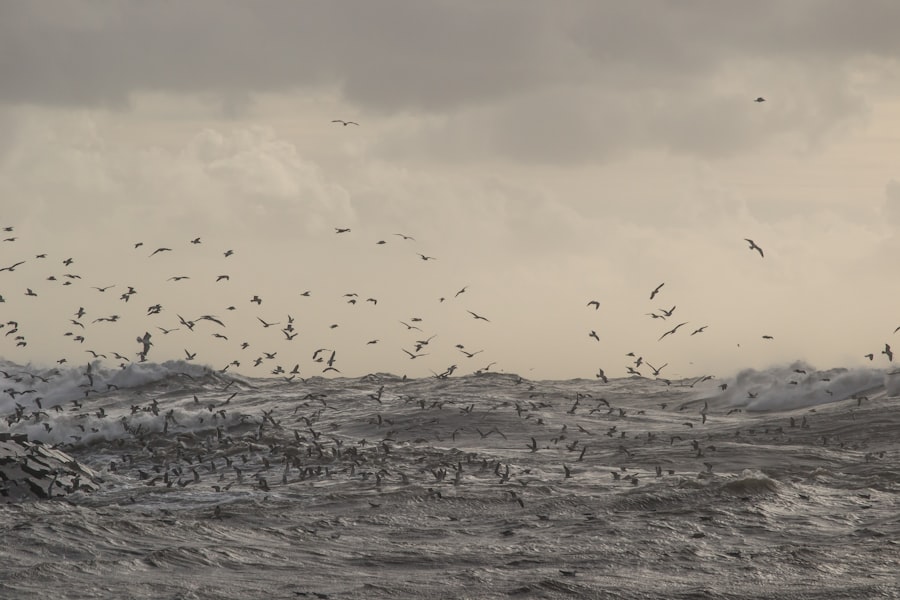
The human impact of coastal disasters extends beyond immediate physical destruction; it encompasses emotional trauma, economic disruption, and long-term recovery challenges. Communities often face significant hurdles in preparing for disasters due to various factors such as socioeconomic status, infrastructure quality, and access to resources. Effective disaster preparedness involves not only physical infrastructure improvements but also community engagement and education.
For example, after Hurricane Sandy struck the East Coast of the United States in 2012, many affected communities implemented comprehensive recovery plans that included rebuilding efforts focused on resilience. Local governments collaborated with non-profit organizations to provide resources for displaced residents while also investing in flood defenses and sustainable urban planning initiatives. Community-based approaches that involve residents in decision-making processes have proven effective in fostering resilience and ensuring that recovery efforts address local needs.
The Role of Climate Change: How Rising Sea Levels and Intensifying Storms Affect Disaster Prediction
Climate change is increasingly recognized as a significant factor influencing the frequency and intensity of coastal disasters. Rising sea levels due to melting ice caps and thermal expansion pose a direct threat to low-lying coastal areas, increasing vulnerability to flooding from both storm surges and tsunamis. Additionally, climate change is expected to intensify weather patterns, leading to more severe storms that can generate larger storm surges.
Research indicates that as global temperatures rise, the likelihood of extreme weather events will increase, necessitating a reevaluation of disaster prediction models. For instance, studies suggest that hurricanes may become more powerful due to warmer ocean temperatures, leading to increased storm surge heights. Coastal communities must adapt their disaster preparedness strategies to account for these changing conditions, incorporating climate projections into their planning processes.
The Future of Disaster Prediction: Advancements in Science and Technology to Protect Coastal Communities
Looking ahead, advancements in science and technology hold promise for improving disaster prediction capabilities further. Innovations such as artificial intelligence (AI) and machine learning are being explored for their potential to analyze vast datasets related to weather patterns, seismic activity, and oceanographic conditions. These technologies could enhance predictive models by identifying patterns that human analysts might overlook.
Moreover, the integration of community-based monitoring systems using mobile technology allows residents to report real-time observations during disasters, providing valuable data for emergency responders. Collaborative efforts between scientists, policymakers, and local communities will be essential in developing comprehensive disaster response strategies that leverage technological advancements while addressing social vulnerabilities. As we continue to confront the challenges posed by coastal disasters, it is imperative that we invest in research and technology that not only enhances our predictive capabilities but also fosters resilience within communities at risk.
By understanding the complex interplay between natural forces and human systems, we can work towards creating safer coastal environments for future generations.
If you’re interested in exploring more about the power of the sea and its unpredictable nature, you may want to check out the article “Hello World” on Hellread.com. This article delves into the mysteries of the ocean and how its forces can impact our lives in unexpected ways. To read more, visit here.
FAQs
What is the book “The Power of the Sea” about?
The book “The Power of the Sea” by Bruce Parker explores the science and history of tsunamis, storm surges, and rogue waves, as well as the efforts to predict and mitigate these natural disasters.
Who is the author of “The Power of the Sea”?
The author of “The Power of the Sea” is Bruce Parker, a marine science expert and author of several books on oceanography and natural disasters.
What topics are covered in “The Power of the Sea”?
The book covers the science behind tsunamis, storm surges, and rogue waves, as well as the historical and cultural impact of these natural disasters. It also delves into the efforts to predict and prepare for these events.
What makes “The Power of the Sea” unique?
“The Power of the Sea” provides a comprehensive and accessible overview of the science and history of tsunamis, storm surges, and rogue waves, as well as the ongoing efforts to predict and mitigate these natural disasters.
Who is the target audience for “The Power of the Sea”?
The book is suitable for anyone interested in the science and history of natural disasters, as well as those interested in oceanography and marine science. It is written in a way that is accessible to both experts and general readers.




