
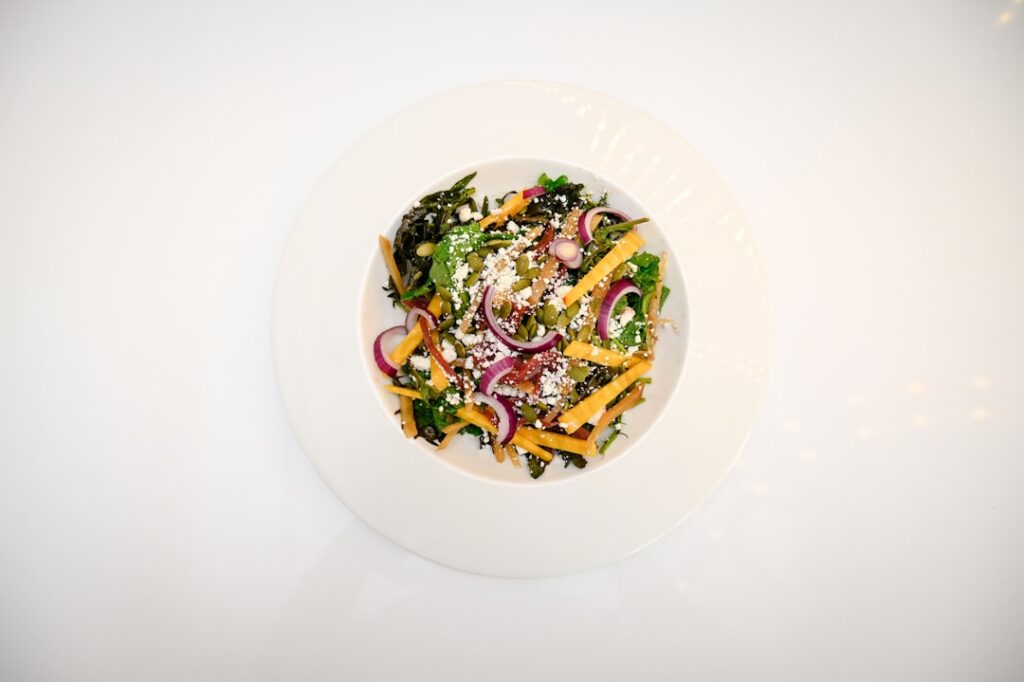
The concept of healing with whole foods is rooted in the understanding that food is not merely a source of energy but a vital component of health and well-being. Whole foods, which are minimally processed and free from artificial additives, provide the body with essential nutrients that support its natural healing processes. This approach emphasizes the importance of consuming foods in their most natural state, allowing individuals to harness the power of nature to promote health and prevent disease.
The philosophy behind healing with whole foods is not just about what we eat, but how we eat, encouraging mindfulness and a deeper connection to our food sources.
This shift is often driven by a desire for more holistic approaches to health, where the focus is on treating the root causes of ailments rather than merely alleviating symptoms.
Whole foods are rich in vitamins, minerals, antioxidants, and phytochemicals that can enhance immune function, reduce inflammation, and support overall vitality. By embracing a diet centered around whole foods, individuals can cultivate a lifestyle that promotes long-term health and well-being.
Key Takeaways
- Healing with whole foods involves using natural, unprocessed foods to promote health and well-being.
- Traditional Chinese Medicine principles focus on balancing the body’s energy and promoting harmony within the body.
- Nutrition plays a crucial role in Traditional Chinese Medicine, with an emphasis on consuming a variety of foods to support overall health.
- The Five Element Theory in Traditional Chinese Medicine helps to understand the relationships between different organs and bodily functions.
- Specific foods have healing properties that can be used to address specific health concerns and imbalances in the body.
The Principles of Traditional Chinese Medicine
Key Principles of TCM
TCM operates on several key principles, including the concepts of Qi (vital energy), Yin and Yang (the dual forces of nature), and the interconnectedness of bodily systems.
Understanding Health and Illness in TCM
According to TCM, when Qi flows freely throughout the body, health is maintained; however, blockages or imbalances can lead to illness. One of the foundational aspects of TCM is the idea that the body is a microcosm of the universe, reflecting its rhythms and cycles. This perspective encourages practitioners to consider not only physical symptoms but also emotional and environmental factors when diagnosing and treating ailments.
Modalities and Dietary Choices in TCM
TCM employs various modalities such as acupuncture, herbal medicine, and dietary therapy to restore balance and promote healing. By understanding these principles, individuals can better appreciate how their dietary choices impact their overall health within the framework of TCM.
The Role of Nutrition in Traditional Chinese Medicine
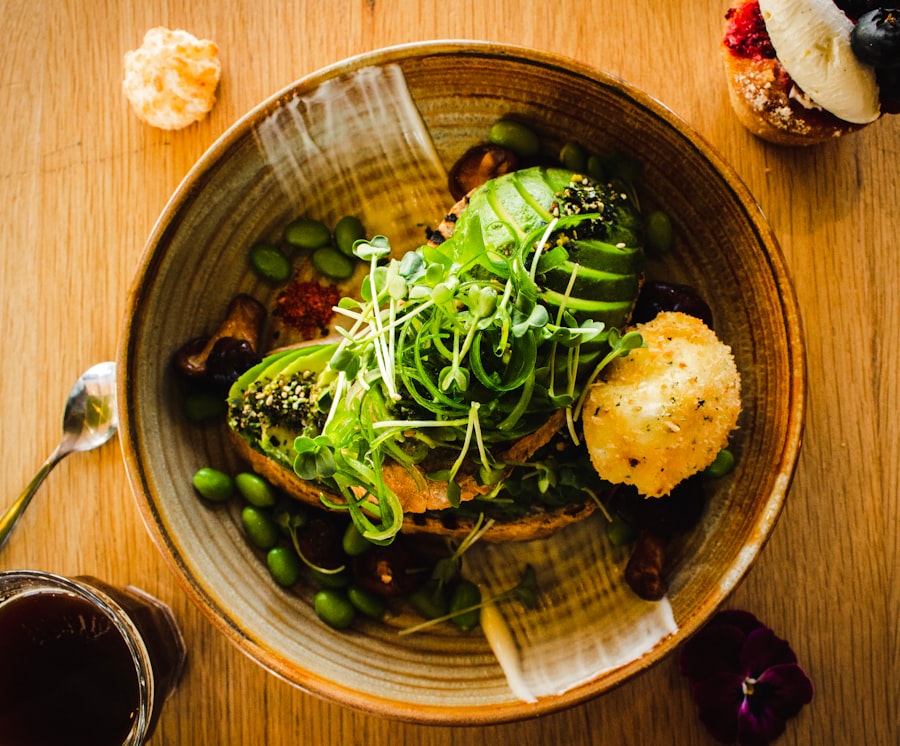
Nutrition plays a pivotal role in Traditional Chinese Medicine, where food is viewed as medicine. TCM categorizes foods based on their energetic properties—such as temperature (warming or cooling), flavor (sweet, sour, bitter, spicy, salty), and their effects on different organs and systems within the body. This classification allows practitioners to tailor dietary recommendations to individual needs, taking into account one’s constitution, current health status, and seasonal changes.
For instance, warming foods like ginger and garlic are often recommended during colder months to help bolster Yang energy, while cooling foods like cucumber and watermelon are favored in the heat of summer to counteract excess heat in the body. This nuanced understanding of nutrition underscores the importance of seasonal eating and encourages individuals to align their diets with nature’s cycles for optimal health.
Understanding the Five Element Theory
The Five Element Theory is a cornerstone of Traditional Chinese Medicine that categorizes all phenomena into five fundamental elements: Wood, Fire, Earth, Metal, and Water. Each element corresponds to specific organs, emotions, seasons, and flavors, creating a comprehensive framework for understanding health and disease. For example, Wood is associated with the liver and gallbladder, Fire with the heart and small intestine, Earth with the spleen and stomach, Metal with the lungs and large intestine, and Water with the kidneys and bladder.
This theory posits that each element interacts with one another in a dynamic cycle of creation and control. For instance, Wood nourishes Fire, while Water controls Fire. Imbalances among these elements can lead to various health issues.
By recognizing which elements are dominant or deficient in an individual’s constitution or current state of health, practitioners can recommend specific foods and lifestyle changes to restore balance. This holistic approach emphasizes that achieving harmony among the elements is essential for maintaining optimal health.
The Healing Properties of Specific Foods
In TCM, specific foods are believed to possess unique healing properties that can support various bodily functions and promote overall well-being. For instance, goji berries are revered for their ability to nourish the liver and improve eyesight due to their high antioxidant content. Similarly, black sesame seeds are considered beneficial for kidney health and are often recommended for individuals experiencing hair loss or premature graying.
Other foods like sweet potatoes are valued for their ability to strengthen the spleen and improve digestion due to their warming properties. Meanwhile, leafy greens such as spinach are recognized for their cooling effects on the body and their capacity to detoxify the liver. By incorporating these specific foods into one’s diet, individuals can harness their therapeutic benefits while also enjoying a diverse range of flavors and textures.
Creating Balance and Harmony through Food
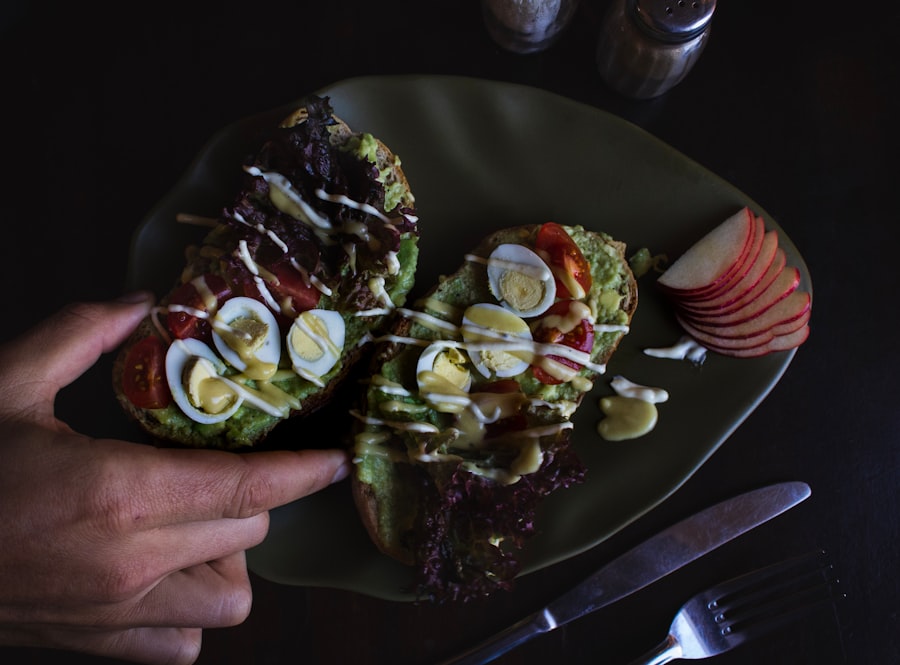
Creating balance and harmony through food involves more than just selecting healthy ingredients; it requires an understanding of how different foods interact within the body. In TCM, achieving balance means considering not only the nutritional content of food but also its energetic properties. For example, a meal that combines warming spices like cinnamon with cooling vegetables like cucumber can create a harmonious dish that supports digestion while addressing any underlying imbalances.
Meal planning in this context becomes an art form where flavors are balanced alongside nutritional needs. A well-rounded meal might include a variety of colors—representing different nutrients—and flavors that correspond to the Five Element Theory. For instance, a stir-fry featuring vibrant bell peppers (Wood), spicy ginger (Fire), earthy mushrooms (Earth), pungent garlic (Metal), and refreshing bok choy (Water) can create a dish that nourishes multiple organ systems while providing a delightful culinary experience.
Recipes and Meal Plans for Healing
Incorporating whole foods into daily meals can be both enjoyable and healing when approached thoughtfully. A simple yet nourishing recipe could be a quinoa salad featuring roasted sweet potatoes, black beans, diced bell peppers, avocado, and a zesty lime dressing. This dish not only provides a balance of carbohydrates, proteins, and healthy fats but also incorporates ingredients that support spleen function (sweet potatoes) and liver detoxification (bell peppers).
For those looking for a more structured meal plan focused on healing through whole foods, consider a week-long menu that emphasizes seasonal ingredients aligned with TCM principles. Breakfasts could include warm oatmeal topped with goji berries and walnuts for brain health; lunches might feature miso soup with seaweed and tofu for gut health; while dinners could consist of steamed fish with ginger served alongside sautéed greens for liver support. Snacks could include fresh fruit or herbal teas tailored to individual needs.
Integrating Whole Foods into Your Daily Life
Integrating whole foods into daily life requires commitment but can be achieved through gradual changes in habits and mindset. Start by stocking your kitchen with whole food staples such as grains (quinoa, brown rice), legumes (lentils, chickpeas), fresh vegetables, fruits, nuts, seeds, and herbs. Planning meals ahead of time can help ensure that you have nutritious options readily available while minimizing reliance on processed foods.
Mindful eating practices can further enhance this integration by encouraging individuals to savor each bite and appreciate the flavors and textures of whole foods. Taking time to prepare meals at home not only fosters creativity in cooking but also strengthens one’s connection to food as medicine. Engaging in community activities such as farmers’ markets or cooking classes can also provide inspiration while fostering relationships with local food producers who share similar values regarding health and sustainability.
By embracing whole foods within the framework of Traditional Chinese Medicine principles—considering their energetic properties and aligning them with personal health needs—individuals can cultivate a nourishing diet that supports both physical health and emotional well-being. This holistic approach empowers individuals to take charge of their health through informed dietary choices while fostering a deeper appreciation for the natural world around them.
If you are interested in exploring more about the benefits of whole foods and natural healing, you may want to check out the article “The Healing Power of Superfoods” on


