

The globalization of world politics represents a transformative shift in how nations interact, cooperate, and confront challenges on a global scale. This phenomenon is characterized by the increasing interconnectedness of states, economies, cultures, and societies, driven by advancements in technology, communication, and transportation. As the world becomes more interdependent, the traditional notions of sovereignty and territoriality are being redefined.
The implications of this shift are profound, as they influence everything from international relations to domestic policies, shaping the landscape of global governance. In this context, globalization is not merely an economic process; it encompasses a wide array of political, social, and cultural dimensions. The rise of transnational issues such as climate change, terrorism, and pandemics necessitates a collaborative approach that transcends national borders.
As states grapple with these challenges, the dynamics of power and influence are evolving, leading to new forms of diplomacy and international engagement. Understanding the globalization of world politics requires an examination of the key concepts and theories that underpin this complex and multifaceted phenomenon.
Key Takeaways
- The Globalization of World Politics is a complex and dynamic field that examines the interconnectedness of global issues and the impact of this interconnectedness on world politics.
- Key concepts and theories in The Globalization of World Politics include sovereignty, globalization, and the role of non-state actors in global governance.
- States play a central role in global politics, as they are the primary actors in international relations and have significant influence on global issues and policies.
- Non-state actors, such as multinational corporations, non-governmental organizations, and terrorist groups, also play a significant role in global politics and can impact global governance and international relations.
- Global governance and international organizations, such as the United Nations and the World Trade Organization, are essential in addressing global challenges and promoting cooperation among states and non-state actors.
Key Concepts and Theories in The Globalization of World Politics
At the heart of the globalization of world politics are several key concepts that help to elucidate the intricate relationships between states and non-state actors. One such concept is interdependence, which refers to the mutual reliance between countries in various domains, including trade, security, and environmental issues. This interdependence can lead to both cooperation and conflict, as states navigate their interests in a world where actions in one part can have far-reaching consequences elsewhere.
For instance, the COVID-19 pandemic highlighted how health crises can disrupt global supply chains and economies, underscoring the need for coordinated responses. Another critical concept is sovereignty, which has been challenged by globalization. Traditionally viewed as the absolute authority of a state over its territory and population, sovereignty is increasingly contested by transnational actors and global norms.
The rise of international law and human rights frameworks has prompted states to reconsider their roles in protecting not only their citizens but also global public goods. The Responsibility to Protect (R2P) doctrine exemplifies this shift, as it asserts that states have a duty to intervene in cases of mass atrocities, even if it means infringing on another state’s sovereignty. Theoretical frameworks such as realism, liberalism, and constructivism provide further insights into the dynamics of global politics.
Realism emphasizes the anarchic nature of the international system, where states prioritize their survival and power above all else. In contrast, liberalism highlights the potential for cooperation through institutions and interdependence. Constructivism offers a more nuanced perspective by focusing on how ideas, identities, and norms shape state behavior.
Each of these theories contributes to our understanding of how globalization influences political interactions on the world stage.
The Role of States in Global Politics

Despite the rise of non-state actors and transnational issues, states remain central players in global politics. They are the primary entities responsible for formulating foreign policy, engaging in diplomacy, and participating in international organizations. States wield significant power through their ability to regulate borders, control resources, and maintain military capabilities.
However, their roles are evolving in response to globalization’s pressures. One notable change is the increasing importance of multilateralism in state interactions. In an interconnected world, unilateral actions often yield limited results; thus, states are more inclined to engage in collective decision-making processes through forums such as the United Nations or regional organizations like the European Union.
For example, the Paris Agreement on climate change exemplifies how states can come together to address a global challenge that transcends national boundaries. By committing to reduce greenhouse gas emissions collectively, states acknowledge that environmental issues require cooperative solutions. Moreover, states are also adapting their domestic policies to align with global norms and expectations.
Issues such as human rights, environmental sustainability, and economic inequality are increasingly influencing state behavior. Countries that fail to adhere to these norms may face diplomatic isolation or economic sanctions. This shift reflects a broader trend where domestic politics cannot be divorced from international considerations; states must navigate both internal pressures and external expectations in their governance.
Non-State Actors in Global Politics
Non-state actors have emerged as influential players in the globalization of world politics, challenging the traditional state-centric paradigm. These actors include multinational corporations (MNCs), non-governmental organizations (NGOs), international institutions, and even individuals who wield significant influence through social movements or digital platforms. Their roles are diverse and often intersect with state interests.
Multinational corporations exemplify how economic power can translate into political influence. With operations spanning multiple countries, MNCs can shape policies through lobbying efforts or by leveraging their economic clout. For instance, tech giants like Google and Facebook have not only transformed communication but also raised questions about privacy rights and data governance on a global scale.
Their ability to operate across borders complicates regulatory efforts by individual states, leading to calls for international frameworks that can effectively address these challenges. Non-governmental organizations play a crucial role in advocating for social justice, human rights, and environmental protection. Organizations such as Amnesty International or Greenpeace mobilize public opinion and hold states accountable for their actions.
They often operate transnationally, creating networks that amplify their impact beyond national borders. For example, during the 2015 Paris Climate Conference (COP21), NGOs played a vital role in pushing for ambitious climate commitments from governments by mobilizing grassroots support and raising awareness about climate change’s urgency.
Global Governance and International Organizations
Global governance refers to the collective efforts of states and non-state actors to address transnational challenges through cooperation and coordination. International organizations (IOs) serve as key mechanisms for facilitating this governance by providing platforms for dialogue, negotiation, and decision-making among member states. The United Nations (UN), World Trade Organization (WTO), and World Health Organization (WHO) are prominent examples of IOs that play critical roles in global governance.
The UN stands at the forefront of global governance efforts, addressing a wide range of issues from peacekeeping to humanitarian assistance. Its various agencies work collaboratively to tackle challenges such as poverty alleviation, health crises, and climate change. The UN’s Sustainable Development Goals (SDGs) exemplify a comprehensive framework aimed at promoting global development while addressing social inequalities and environmental sustainability.
However, the effectiveness of international organizations is often debated. Critics argue that IOs can be hindered by bureaucratic inefficiencies or power imbalances among member states. For instance, the veto power held by permanent members of the UN Security Council can lead to gridlock on critical issues such as conflict resolution or humanitarian intervention.
Despite these challenges, IOs remain essential for fostering dialogue and cooperation in an increasingly complex global landscape.
Globalization and Security
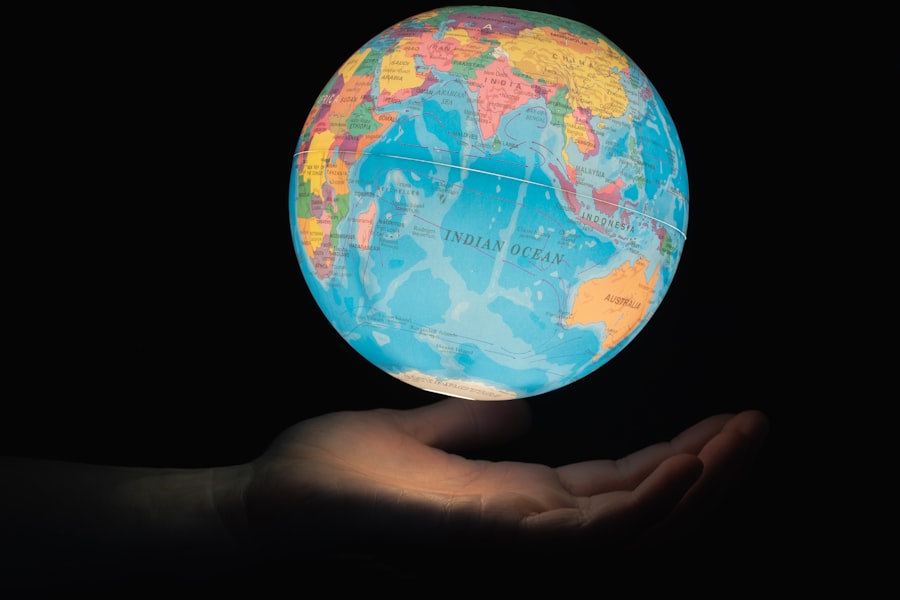
The globalization of world politics has significant implications for security dynamics across the globe. Traditional notions of security focused primarily on military threats posed by other states; however, globalization has introduced new dimensions that require a broader understanding of security. Non-traditional security threats such as terrorism, cyber warfare, human trafficking, and pandemics have emerged as pressing concerns that transcend national borders.
Terrorism exemplifies how globalization can facilitate both the spread of ideologies and the coordination of attacks across countries. Groups like ISIS have leveraged social media platforms to recruit members globally while executing coordinated attacks in various regions. This interconnectedness necessitates international cooperation among intelligence agencies and law enforcement to combat these threats effectively.
Cybersecurity has also become a paramount concern in an era where digital infrastructure underpins critical services worldwide. State-sponsored cyberattacks can disrupt economies or compromise national security without traditional military engagement. The 2016 U.S.
presidential election interference serves as a stark reminder of how cyber threats can influence political processes across borders. As nations grapple with these evolving security challenges, collaborative frameworks are essential for developing effective responses.
Globalization and Economic Relations
Economic globalization has reshaped trade relations among countries, leading to increased interdependence through trade agreements, investment flows, and supply chains that span continents. The rise of free trade agreements (FTAs) has facilitated greater market access for goods and services while fostering economic growth in participating countries. However, this interconnectedness also raises concerns about economic inequality and vulnerability to global market fluctuations.
The North American Free Trade Agreement (NAFTA), now replaced by the United States-Mexico-Canada Agreement (USMCA), illustrates how economic integration can transform regional economies while also generating debates about labor standards and environmental protections. Critics argue that such agreements can lead to job losses in certain sectors while benefiting multinational corporations disproportionately. Moreover, globalization has led to significant shifts in production patterns as companies seek cost efficiencies through outsourcing and offshoring.
This trend has resulted in complex supply chains that are susceptible to disruptions from geopolitical tensions or natural disasters. The COVID-19 pandemic exposed vulnerabilities within these supply chains when lockdowns halted production across various industries globally. As nations reassess their economic strategies post-pandemic, discussions around resilience and sustainability are likely to shape future economic relations.
Conclusion and Future Trends in Global Politics
As we look toward the future of global politics amidst ongoing globalization trends, several key themes emerge that will likely shape international relations in the coming years. The interplay between state sovereignty and global governance will continue to evolve as nations grapple with transnational challenges that require collective action. Issues such as climate change will demand innovative solutions that transcend traditional diplomatic boundaries.
Furthermore, technological advancements will play a pivotal role in shaping political dynamics globally.
As these technologies become more integrated into political processes, they will necessitate new frameworks for regulation and accountability.
As citizens increasingly engage with global movements through digital platforms, their voices will shape political agendas at both national and international levels. Ultimately, understanding the globalization of world politics requires an appreciation for its complexity and dynamism—a landscape where traditional power structures are continually challenged by emerging actors and ideas that redefine how we conceive of governance in an interconnected world.
If you are interested in exploring more about the impact of globalization on world politics, you may want to check out the article “Hello World” on Hellread. This article delves into the interconnectedness of nations and the challenges and opportunities that arise from globalization. It provides a thought-provoking perspective that complements the insights offered in The Globalization of World Politics by John Baylis, Steve Smith, and Patricia Owens. You can read the article here.
FAQs
What is the book “The Globalization of World Politics” about?
The book “The Globalization of World Politics” provides an in-depth analysis of the impact of globalization on international relations and world politics. It covers various aspects such as the historical context, theories of globalization, and the role of key actors in the global political arena.
Who are the authors of “The Globalization of World Politics”?
The authors of “The Globalization of World Politics” are John Baylis, Steve Smith, and Patricia Owens. They are renowned scholars in the field of international relations and have contributed significantly to the study of global politics.
What are some of the key topics covered in “The Globalization of World Politics”?
The book covers a wide range of topics including the impact of globalization on state sovereignty, the role of international organizations, the dynamics of global governance, and the influence of non-state actors in world politics. It also discusses the challenges and opportunities presented by globalization in various regions of the world.
Is “The Globalization of World Politics” suitable for academic study?
Yes, “The Globalization of World Politics” is widely used as a textbook for academic courses in international relations, political science, and global studies. It provides a comprehensive and insightful overview of the complex dynamics of global politics and is suitable for both undergraduate and graduate level study.




