
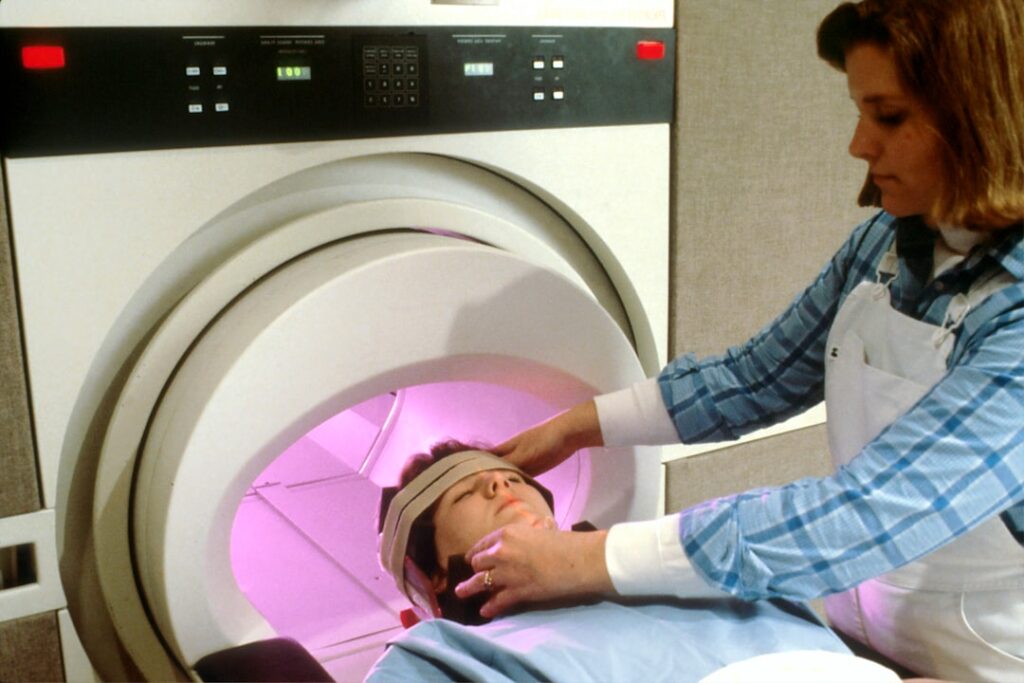
Trauma is a complex psychological phenomenon that arises from experiences that overwhelm an individual’s ability to cope. It can stem from a variety of sources, including but not limited to physical violence, emotional abuse, natural disasters, or significant loss. The effects of trauma are not merely confined to the immediate aftermath of the event; they can reverberate throughout a person’s life, influencing their emotional well-being, relationships, and even physical health.
Trauma can manifest in various forms, such as post-traumatic stress disorder (PTSD), anxiety disorders, depression, and other mental health issues. Understanding trauma requires a nuanced approach that considers both the individual’s unique experiences and the broader societal context in which these experiences occur. The impact of trauma is often insidious, affecting individuals in ways that may not be immediately apparent.
For instance, someone who has experienced trauma may struggle with trust issues, leading to difficulties in forming and maintaining relationships. They may also exhibit hyper-vigilance or emotional numbness, which can hinder their ability to engage fully with life. Furthermore, trauma can disrupt cognitive processes, impairing memory and concentration.
This multifaceted nature of trauma underscores the importance of recognizing its effects not only on mental health but also on social functioning and overall quality of life.
Key Takeaways
- Trauma can have long-lasting effects on the brain, body, and mental health, impacting overall well-being.
- The brain plays a crucial role in processing and responding to trauma, influencing emotional and behavioral responses.
- Trauma can manifest in physical symptoms such as chronic pain, gastrointestinal issues, and immune system dysregulation.
- Trauma is closely linked to mental health conditions such as anxiety, depression, and PTSD, requiring holistic treatment approaches.
- Body-centered therapies, mindfulness, self-regulation, and supportive relationships are essential for healing from trauma and promoting recovery.
The Role of the Brain in Processing Trauma
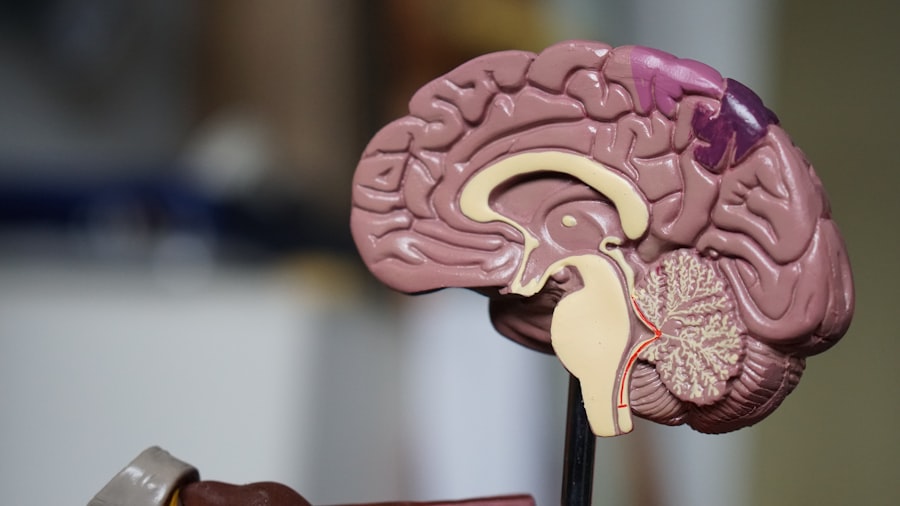
The brain plays a pivotal role in how trauma is processed and stored. When an individual experiences a traumatic event, the amygdala—the brain’s emotional center—becomes hyperactive, triggering a fight-or-flight response. This response is crucial for survival; however, when activated excessively or inappropriately, it can lead to chronic stress and anxiety.
The hippocampus, responsible for memory formation and contextualizing experiences, may become impaired due to prolonged exposure to stress hormones like cortisol. This impairment can result in fragmented memories of the traumatic event, making it difficult for individuals to integrate their experiences into a coherent narrative. Neuroimaging studies have shown that individuals with PTSD often exhibit structural changes in their brains.
For example, research has indicated a reduction in the volume of the hippocampus among those who have experienced severe trauma. This reduction can contribute to difficulties in distinguishing between past and present threats, leading to persistent feelings of fear and anxiety. Additionally, the prefrontal cortex, which regulates decision-making and impulse control, may also show decreased activity in trauma survivors.
The Impact of Trauma on the Body
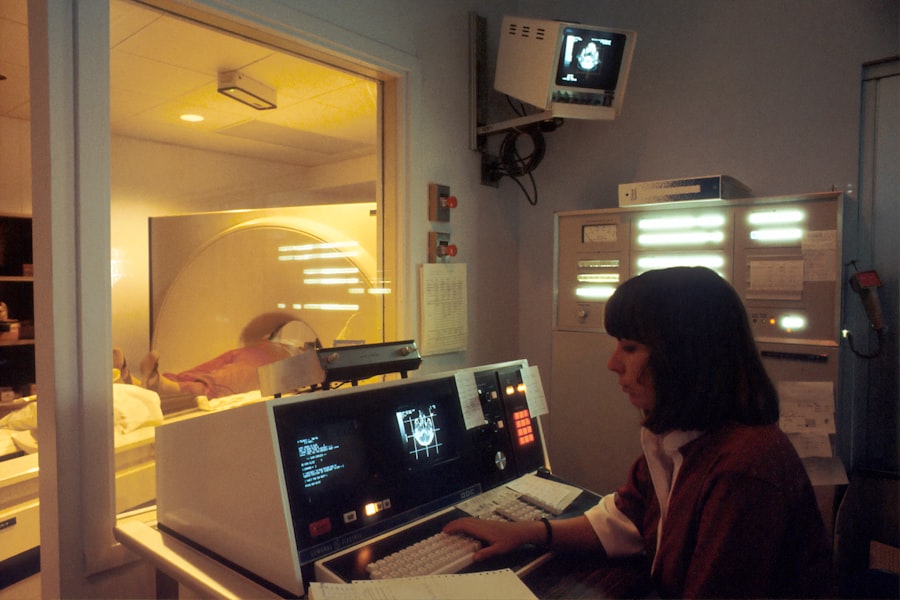
Trauma does not only reside in the mind; it has profound effects on the body as well. The physiological responses to trauma can manifest as chronic pain, gastrointestinal issues, and other somatic symptoms that are often misattributed to purely physical causes. The body holds onto trauma in ways that can be both subtle and overt.
For instance, individuals may experience tension in specific muscle groups or develop conditions such as fibromyalgia or chronic fatigue syndrome as a result of unresolved trauma. These physical manifestations are often accompanied by a heightened state of arousal or hyper-sensitivity to stressors. Moreover, the relationship between trauma and the body is bidirectional; while trauma can lead to physical ailments, physical health issues can also exacerbate feelings of trauma.
For example, someone suffering from chronic pain may find it difficult to engage in therapeutic practices that promote healing and recovery. This cycle can create a feedback loop where unresolved trauma leads to physical discomfort, which in turn reinforces feelings of helplessness and despair. Understanding this connection is crucial for developing comprehensive treatment approaches that address both psychological and physical aspects of trauma.
The Connection Between Trauma and Mental Health
The link between trauma and mental health is well-documented in psychological literature. Individuals who have experienced traumatic events are at a significantly higher risk for developing various mental health disorders. PTSD is perhaps the most recognized condition associated with trauma; however, it is far from the only one.
Anxiety disorders, depression, substance use disorders, and even personality disorders can all be exacerbated by traumatic experiences. The interplay between trauma and mental health is complex and often influenced by factors such as genetics, environment, and personal resilience.
Children who experience abuse or neglect may develop maladaptive coping mechanisms that persist into adulthood, leading to difficulties in emotional regulation and interpersonal relationships. Furthermore, societal stigma surrounding mental health issues can prevent individuals from seeking help, perpetuating a cycle of suffering that is difficult to break. Addressing this connection requires not only individual therapeutic interventions but also broader societal changes that promote understanding and support for those affected by trauma.
Healing Trauma Through Body-Centered Therapies
Body-centered therapies have emerged as effective modalities for healing trauma by addressing both psychological and physiological aspects of the experience. Techniques such as somatic experiencing, yoga therapy, and dance/movement therapy focus on reconnecting individuals with their bodies and facilitating the release of stored tension associated with traumatic memories. These approaches recognize that trauma is not solely a cognitive issue but one that is deeply embedded in the body’s physiological responses.
Somatic experiencing, developed by Peter Levine, emphasizes the importance of bodily sensations in processing trauma. By encouraging individuals to tune into their physical experiences—such as muscle tension or changes in heart rate—therapists help clients develop greater awareness of their bodies’ responses to stress. This awareness can empower individuals to reclaim agency over their bodies and emotions, fostering a sense of safety that may have been lost during the traumatic event.
Similarly, practices like yoga promote mindfulness and breath awareness, allowing individuals to cultivate a sense of calm and presence that can be transformative in the healing process.
The Importance of Mindfulness and Self-Regulation in Trauma Recovery
Mindfulness practices play a crucial role in trauma recovery by fostering self-regulation and emotional resilience. Mindfulness involves paying attention to the present moment without judgment, which can help individuals develop greater awareness of their thoughts and feelings. This heightened awareness allows individuals to recognize triggers associated with their trauma and respond more adaptively rather than reactively.
Techniques such as meditation, deep breathing exercises, and grounding techniques can be particularly beneficial for those navigating the aftermath of traumatic experiences. Self-regulation is another essential component of trauma recovery. Individuals who have experienced trauma often struggle with emotional dysregulation, leading to intense feelings of anger, sadness, or anxiety that can feel overwhelming.
Learning self-regulation skills enables individuals to manage these emotions more effectively, reducing the likelihood of being overwhelmed by them. Therapeutic approaches that incorporate mindfulness and self-regulation techniques empower individuals to take an active role in their healing journey, fostering a sense of control over their emotional landscape.
The Role of Relationships in Healing Trauma
The relational aspect of healing from trauma cannot be overstated. Supportive relationships play a vital role in recovery by providing individuals with a sense of safety and belonging. Trauma can lead to feelings of isolation and disconnection; therefore, fostering healthy relationships is essential for rebuilding trust and intimacy.
Therapeutic relationships—whether with therapists or support groups—can offer a safe space for individuals to share their experiences without fear of judgment. Moreover, interpersonal relationships can serve as a mirror through which individuals can explore their own emotional responses and patterns. Engaging with others who have experienced similar traumas can foster empathy and understanding, creating a sense of community that is often healing in itself.
Additionally, healthy relationships encourage vulnerability and openness, allowing individuals to process their emotions more fully. This relational healing is not limited to therapeutic contexts; supportive friendships and family connections are equally important in creating an environment conducive to recovery.
Integrating Trauma Treatment into Healthcare and Society
Integrating trauma-informed care into healthcare systems is essential for addressing the widespread impact of trauma on individuals’ lives. A trauma-informed approach recognizes the prevalence of trauma among patients and seeks to create an environment that promotes safety, trustworthiness, and empowerment. This approach involves training healthcare providers to understand the effects of trauma on both mental and physical health, enabling them to respond sensitively to patients’ needs.
Incorporating trauma-informed practices into various sectors—such as education, social services, and community organizations—can further enhance societal understanding of trauma’s effects. By fostering environments that prioritize healing and resilience, society can work towards breaking down stigma surrounding mental health issues related to trauma. Public awareness campaigns aimed at educating communities about the signs of trauma and available resources can empower individuals to seek help without fear or shame.
Ultimately, addressing trauma requires a collective effort that transcends individual treatment modalities. By integrating trauma-informed care into healthcare systems and promoting societal awareness about the impact of trauma, we can create a more compassionate world where healing is possible for all those affected by traumatic experiences.
If you’re interested in exploring more about trauma and its effects on the body and mind, you may want to check out the article “Hello World” on Hellread.com. This article delves into the importance of self-care and mental health awareness in today’s fast-paced world, touching on similar themes as Bessel van der Kolk’s groundbreaking book, The Body Keeps the Score. To read more, visit here.
FAQs
What is The Body Keeps the Score by Bessel van der Kolk about?
The Body Keeps the Score is a book by Bessel van der Kolk that explores the impact of trauma on the body and mind, and the various therapeutic approaches to healing from trauma.
Who is Bessel van der Kolk?
Bessel van der Kolk is a psychiatrist and author known for his work in the field of trauma and post-traumatic stress disorder (PTSD). He is the founder and medical director of the Trauma Center in Boston, and a professor of psychiatry at Boston University School of Medicine.
What are some key concepts discussed in The Body Keeps the Score?
The book discusses the ways in which trauma affects the brain, body, and emotions, and how it can manifest in conditions such as PTSD, depression, and anxiety. It also explores various therapeutic modalities, such as yoga, EMDR, and neurofeedback, that can help individuals heal from trauma.
Who is the target audience for The Body Keeps the Score?
The book is intended for a wide audience, including mental health professionals, individuals who have experienced trauma, and anyone interested in learning more about the effects of trauma on the body and mind.
What are some criticisms of The Body Keeps the Score?
Some critics have raised concerns about the book’s focus on certain therapeutic modalities and its limited discussion of cultural and social factors that contribute to trauma. Additionally, some have noted that the book’s language and concepts may be challenging for some readers.




