
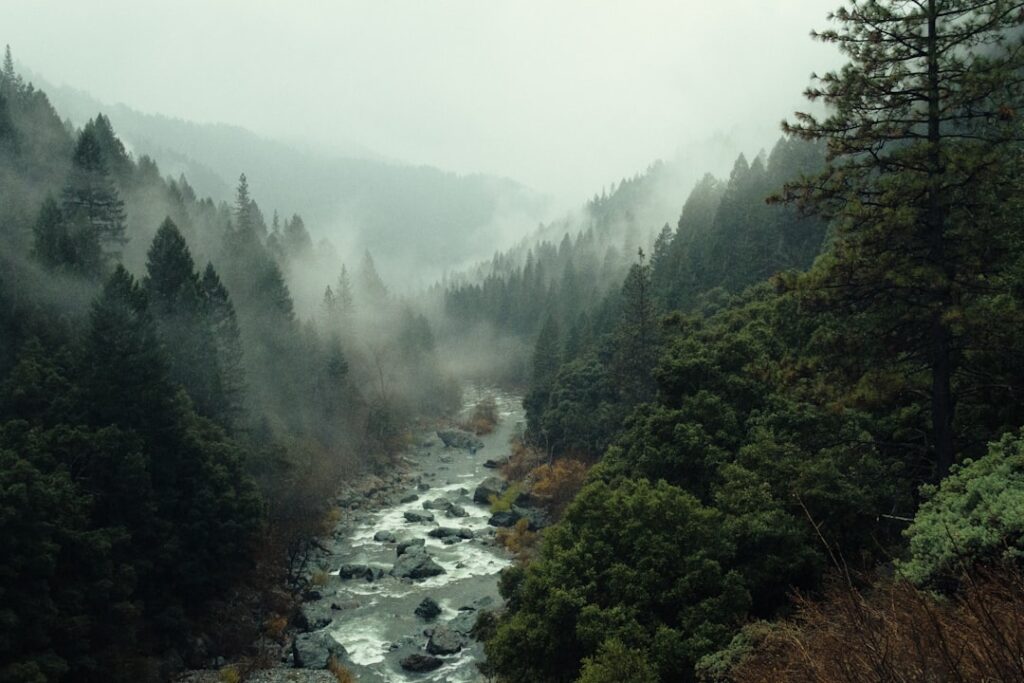
Patagonia, a vast and rugged region located at the southern end of South America, is a land of stark contrasts and breathtaking beauty. Spanning both Chile and Argentina, this remote area is characterized by its dramatic landscapes, which include towering mountains, expansive glaciers, and windswept plains. The region is often described as one of the last great wildernesses on Earth, attracting adventurers, nature lovers, and writers alike.
Its name, derived from the word “Patagón,” used by Magellan to describe the indigenous Tehuelche people, evokes a sense of mystery and exploration that has captivated the imaginations of many. The allure of Patagonia lies not only in its physical beauty but also in its rich cultural tapestry. The indigenous peoples, such as the Mapuche and the Selk’nam, have inhabited these lands for centuries, their traditions and stories woven into the very fabric of the landscape.
The region’s history is marked by exploration and conquest, with European explorers and settlers leaving their indelible marks on the land and its people. This complex interplay of nature and culture creates a unique backdrop for storytelling, making Patagonia an ideal setting for literary exploration.
Key Takeaways
- Patagonia is a region at the southern end of South America, shared by Argentina and Chile, known for its stunning landscapes and unique wildlife.
- Bruce Chatwin, the author of “In Patagonia,” was inspired by his travels in the region and the stories of the people he met along the way.
- The landscapes of Patagonia are diverse, ranging from towering mountains and glaciers to vast plains and pristine lakes.
- The people of Patagonia are known for their resilience and resourcefulness, and their stories are an integral part of the region’s identity.
- Patagonia is home to a wide variety of wildlife, including penguins, guanacos, and the elusive puma, making it a paradise for nature lovers and wildlife enthusiasts.
Bruce Chatwin: The Author and His Inspiration
A Unique Perspective
Chatwin’s background as an art dealer and his extensive travels across various continents provided him with a unique perspective on the world, allowing him to blend personal narrative with historical context in his works.
Innovative Storytelling
His experiences in Patagonia were not merely a backdrop for his writing; they became a lens through which he explored themes of wanderlust, identity, and the search for meaning. Chatwin’s approach to travel writing was innovative for its time. He eschewed traditional guidebook formats in favor of a more narrative-driven style that emphasized personal experience and reflection.
A Timeless Masterpiece
His encounters with the landscapes and people of Patagonia were infused with a sense of wonder and curiosity, inviting readers to join him on his journey. The author’s ability to weave together myth, history, and personal anecdotes created a rich tapestry that resonated with readers, establishing “In Patagonia” as a landmark work in travel literature.
Exploring the Landscapes of Patagonia
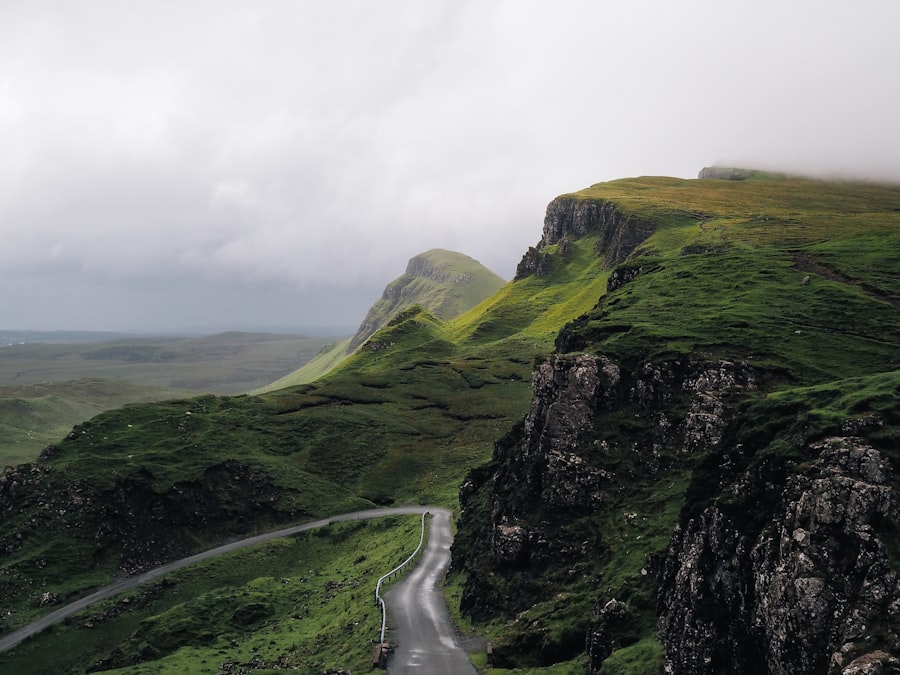
The landscapes of Patagonia are as diverse as they are stunning. From the jagged peaks of the Andes to the sprawling steppe, each region offers its own unique charm and challenges. The Southern Patagonian Ice Field, one of the largest extrapolar ice fields in the world, is a prime example of this diversity.
Glaciers such as Perito Moreno and Grey draw visitors from around the globe, their blue ice formations contrasting sharply with the surrounding mountains. Chatwin’s descriptions of these natural wonders evoke a sense of awe, capturing the raw power of nature that defines Patagonia. In addition to its glaciers, Patagonia is home to vast expanses of grasslands known as “pampas.” These open plains are dotted with unique geological formations and provide a stark contrast to the towering mountains nearby.
The region’s weather is notoriously unpredictable, with fierce winds and sudden storms that can transform the landscape in an instant. Chatwin’s narrative reflects this volatility; he often describes how the weather shapes not only the physical environment but also the experiences of those who inhabit it. His vivid imagery allows readers to visualize the dramatic shifts in scenery, immersing them in the essence of Patagonia.
Meeting the People of Patagonia
The people of Patagonia are as varied as the landscapes they inhabit. From indigenous communities to European settlers, each group has contributed to the rich cultural mosaic of the region. Chatwin’s encounters with these individuals form an integral part of his narrative in “In Patagonia.” He portrays them not merely as characters but as embodiments of the land itself—resilient, resourceful, and deeply connected to their environment.
One notable figure in Chatwin’s journey is the Welsh settler who established a colony in Patagonia during the late 19th century. This historical anecdote serves as a lens through which Chatwin explores themes of displacement and belonging. The settlers’ dreams of creating a new life in this remote land often clashed with the harsh realities of Patagonian life.
Through these stories, Chatwin highlights the complexities of identity and cultural exchange that define the region’s history.
Wildlife and Nature in Patagonia
Patagonia is renowned for its rich biodiversity, home to an array of wildlife that thrives in its varied ecosystems. The region boasts unique species such as guanacos, Andean condors, and the elusive puma, each adapted to survive in this challenging environment. The Torres del Paine National Park is a prime example of Patagonia’s ecological richness, where visitors can witness these animals in their natural habitats while exploring stunning landscapes.
Chatwin’s writing often reflects his fascination with this wildlife. He captures not only their physical presence but also their symbolic significance within the broader narrative of nature and humanity’s relationship with it. For instance, he draws parallels between the migratory patterns of birds and human wanderlust, suggesting that both are driven by an innate desire for freedom and exploration.
This connection between wildlife and human experience adds depth to his portrayal of Patagonia as a living entity—one that is constantly evolving and shaping those who traverse its terrain.
The Influence of Patagonia on Chatwin’s Writing
Patagonia served as more than just a backdrop for Bruce Chatwin; it was a catalyst for his creative expression. The region’s landscapes, people, and stories inspired him to explore deeper philosophical questions about existence, identity, and the nature of travel itself. His experiences in Patagonia prompted him to reflect on his own life journey, leading him to consider what it means to be a wanderer in a world increasingly defined by modernity.
Chatwin’s writing style was heavily influenced by his time spent in Patagonia. He adopted a lyrical prose that mirrored the beauty and complexity of the landscapes he encountered.
This approach not only captivated readers but also set a new standard for travel writing—one that emphasized storytelling over mere documentation.
Themes and Symbolism in In Patagonia
“In Patagonia” is rich with themes that resonate throughout Chatwin’s narrative. One prominent theme is the idea of wanderlust—the insatiable desire to explore new places and seek out new experiences. This theme is intricately tied to the concept of home; for many characters in Chatwin’s story, home is not a fixed location but rather a state of being defined by movement and exploration.
Another significant theme is the tension between civilization and wilderness. Chatwin often contrasts the encroachment of modernity on traditional ways of life with the enduring power of nature. This duality serves as a backdrop for exploring identity—both personal and cultural—as characters navigate their relationships with their surroundings.
The symbolism embedded within these themes adds layers to Chatwin’s narrative, inviting readers to reflect on their own journeys through life.
Legacy of In Patagonia: Impact on Travel Writing and Literature
The publication of “In Patagonia” marked a turning point in travel writing, influencing countless authors who followed in Chatwin’s footsteps. His innovative approach—blending personal narrative with historical context—set a new standard for how travel stories could be told. Writers began to embrace a more introspective style that emphasized emotional resonance over mere geographical description.
Chatwin’s legacy extends beyond travel literature; he has inspired a generation of writers to explore themes of identity, belonging, and the human experience through their own journeys. His work has encouraged readers to view travel not just as a physical act but as an opportunity for self-discovery and reflection.
Through his exploration of Patagonia’s landscapes, people, wildlife, and cultural narratives, Bruce Chatwin crafted a work that transcends traditional travel writing. “In Patagonia” invites readers into a world where nature and humanity intertwine, offering profound insights into both the external journey through breathtaking landscapes and the internal journey toward understanding oneself amidst the vastness of existence.
If you enjoyed reading In Patagonia by Bruce Chatwin, you may also be interested in exploring the article “The Top 10 Must-Read Travel Books of All Time” on hellread.com. This list includes a variety of travel literature that will transport you to different corners of the world and inspire your wanderlust. Happy reading!
FAQs
What is “In Patagonia” by Bruce Chatwin about?
“In Patagonia” is a travel book written by Bruce Chatwin, first published in 1977. It is a blend of travelogue, autobiography, and fiction, and it recounts Chatwin’s journey through Patagonia, a region at the southern end of South America.
Who is Bruce Chatwin?
Bruce Chatwin was a British travel writer and novelist, known for his adventurous spirit and unique writing style. He is considered one of the most influential travel writers of the 20th century.
Why is “In Patagonia” considered a classic in travel literature?
“In Patagonia” is considered a classic in travel literature because of its vivid descriptions of the landscape, people, and culture of Patagonia. Chatwin’s storytelling and his ability to blend fact and fiction have captivated readers for decades.
What is the significance of Patagonia as a travel destination?
Patagonia is known for its stunning natural beauty, including vast plains, towering mountains, and pristine lakes. It is also a region rich in history and folklore, making it a compelling destination for travelers and adventurers.
How has “In Patagonia” influenced the genre of travel writing?
“In Patagonia” has had a significant impact on the genre of travel writing, inspiring other writers to explore the boundaries between fact and fiction in their own works. Chatwin’s unique approach to storytelling has influenced a generation of travel writers.




