

Arnold Ehret, a German naturopath and health educator, is best known for his revolutionary ideas on food and nutrition, particularly his concept of the “Mucusless Diet.” His philosophy emerged in the early 20th century, a time when conventional medicine was beginning to grapple with the implications of diet on health. Ehret’s approach was radical for its time, advocating for a diet that emphasized the elimination of mucus-forming foods, which he believed were the root cause of many diseases. His work, particularly the book “The Mucusless Diet Healing System,” has inspired countless individuals seeking alternative health solutions and has laid the groundwork for various dietary movements that followed.
He posited that the human body has an innate ability to heal itself when provided with the right conditions, primarily through proper nutrition. This perspective challenges the conventional medical paradigm that often relies on pharmaceuticals to treat symptoms rather than addressing underlying causes.
By focusing on the quality of food and its impact on bodily functions, Ehret’s teachings encourage individuals to take charge of their health through informed dietary choices.
Key Takeaways
- Arnold Ehret’s approach to food and nutrition emphasizes the importance of mucusless diet for optimal health and well-being.
- Ehret’s philosophy is based on the belief that mucus-forming foods are harmful to the body and can lead to various health issues.
- The fine art of food and nutrition according to Ehret involves consuming natural, unprocessed, and mucus-free foods for improved digestion and overall health.
- The mucusless diet plays a crucial role in Ehret’s approach, as it aims to eliminate mucus-forming foods and promote a clean, alkaline internal environment.
- Applying Ehret’s principles to modern nutrition involves focusing on plant-based, alkaline-forming foods and avoiding mucus-forming foods for better health outcomes.
Understanding the Science Behind Ehret’s Philosophy
At the core of Ehret’s philosophy is the belief that many health issues stem from the accumulation of mucus in the body, which he associated with the consumption of certain foods. He categorized foods into two main groups: mucus-forming and mucusless. Mucus-forming foods include dairy products, grains, and processed sugars, while mucusless foods are primarily fruits and vegetables.
Ehret argued that mucus buildup leads to a range of ailments, from respiratory issues to chronic diseases, as it creates an environment conducive to inflammation and infection. Ehret’s ideas were influenced by contemporary scientific thought, particularly the emerging fields of microbiology and biochemistry. He recognized that the body’s natural processes could be hindered by poor dietary choices, leading to a state of toxicity.
This understanding aligns with modern concepts of gut health and the microbiome, which emphasize the importance of a balanced diet rich in fiber and nutrients for maintaining overall health. While some of Ehret’s claims may lack rigorous scientific validation by today’s standards, his emphasis on whole, unprocessed foods resonates with current nutritional science advocating for plant-based diets rich in fruits and vegetables.
The Fine Art of Food and Nutrition According to Arnold Ehret
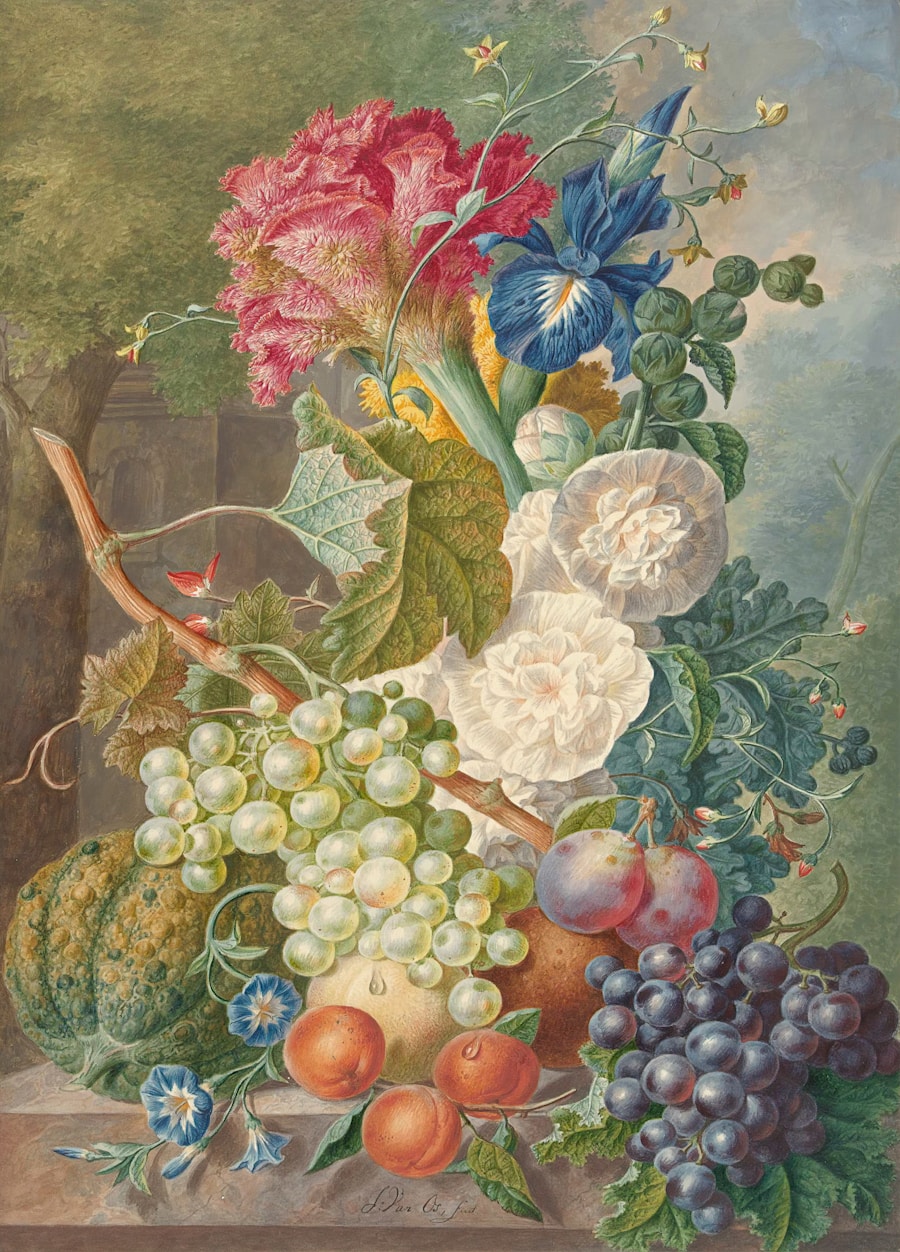
Ehret viewed food not just as sustenance but as a vital component of life that could either enhance or detract from one’s health. He believed that understanding the nature of food and its effects on the body was an art form that required careful consideration and mindfulness. This perspective encourages individuals to cultivate a deeper relationship with their food choices, recognizing how different foods can influence their physical and emotional states.
In his writings, Ehret emphasized the importance of listening to one’s body and understanding its signals. He advocated for a diet that aligns with individual needs rather than adhering strictly to societal norms or trends. This personalized approach to nutrition is increasingly relevant today as more people seek tailored dietary solutions that consider their unique health conditions, lifestyles, and preferences.
By promoting awareness of how food affects well-being, Ehret’s philosophy encourages individuals to become active participants in their health journeys rather than passive consumers of food.
The Role of Mucusless Diet in Ehret’s Approach
The Mucusless Diet is central to Ehret’s nutritional philosophy, serving as both a healing protocol and a lifestyle choice. This diet emphasizes the consumption of fresh fruits and vegetables while eliminating mucus-forming foods. Ehret believed that by adopting this dietary framework, individuals could detoxify their bodies, improve digestion, and enhance overall vitality.
He argued that fruits, in particular, possess unique properties that promote healing and rejuvenation due to their high water content and natural sugars. Ehret’s Mucusless Diet is not merely about restriction; it also celebrates the abundance of nutrient-dense foods available in nature. He encouraged individuals to explore a wide variety of fruits and vegetables, emphasizing seasonal and local produce for optimal health benefits.
This approach aligns with contemporary nutritional guidelines that advocate for increased fruit and vegetable intake as part of a balanced diet. By focusing on whole foods that are naturally low in calories but high in nutrients, Ehret’s philosophy promotes a sustainable way of eating that can lead to long-term health improvements.
Applying Ehret’s Principles to Modern Nutrition
In today’s world, where processed foods dominate many diets, applying Ehret’s principles can be both challenging and rewarding. The modern emphasis on convenience often leads individuals to overlook the importance of whole foods in favor of quick fixes that may not support long-term health. However, as awareness grows regarding the detrimental effects of processed foods on health, many are turning back to the foundational ideas presented by Ehret.
One practical application of Ehret’s principles is the increasing popularity of plant-based diets. Many individuals are now recognizing the benefits of reducing animal products and incorporating more fruits and vegetables into their meals. This shift mirrors Ehret’s advocacy for a mucusless approach to eating, as people seek to improve their health through more natural food choices.
Additionally, modern nutritional science supports many aspects of Ehret’s philosophy, particularly regarding the importance of fiber-rich foods for digestive health and disease prevention.
Criticisms and Controversies Surrounding Ehret’s Philosophy
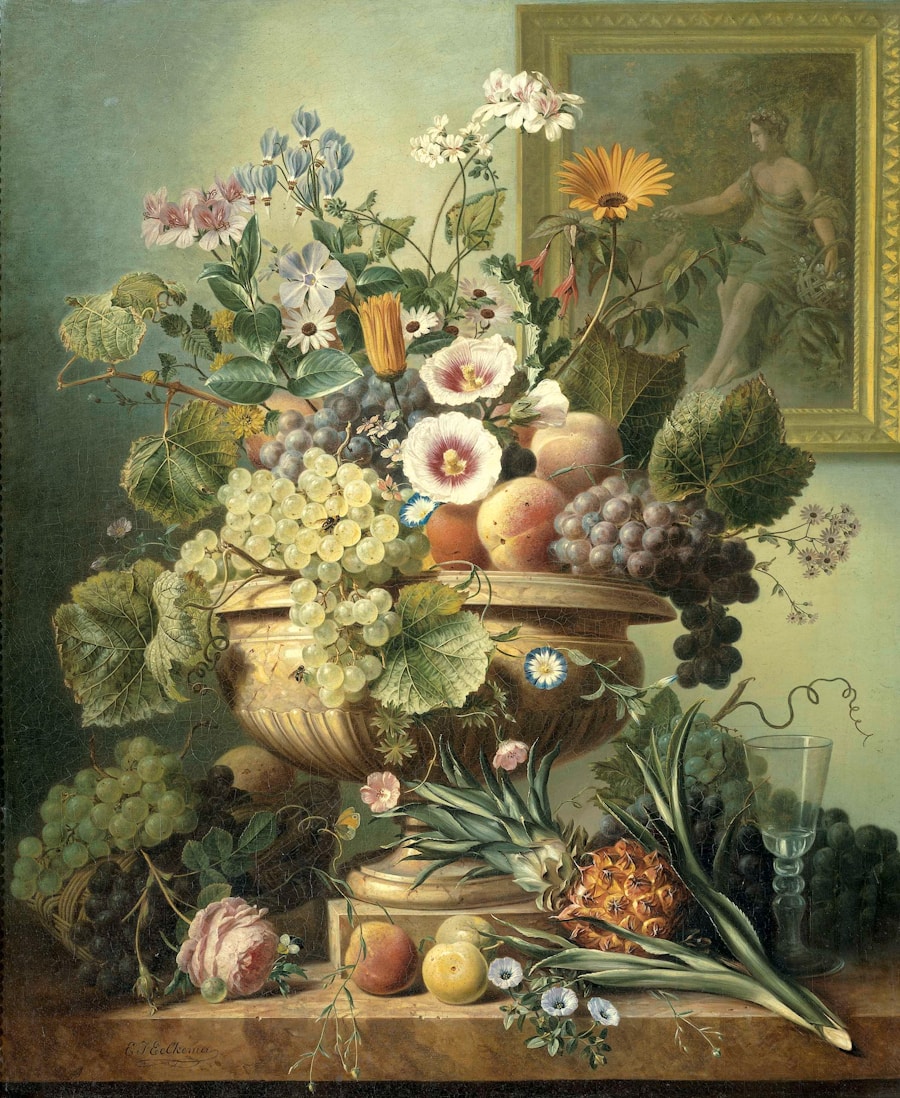
Despite its appeal to many seeking alternative health solutions, Ehret’s philosophy has faced criticism from various quarters. One major point of contention is the lack of empirical evidence supporting some of his claims regarding mucus formation and its direct link to disease. Critics argue that while certain foods may contribute to inflammation or digestive issues in some individuals, it is overly simplistic to attribute all health problems solely to mucus-forming foods.
Furthermore, some nutritionists caution against overly restrictive diets that eliminate entire food groups without considering individual nutritional needs. While Ehret’s emphasis on fruits and vegetables is commendable, critics argue that a balanced diet should include a variety of food sources to ensure adequate nutrient intake. This debate highlights the ongoing tension between traditional dietary practices and modern nutritional science, as well as the need for individualized approaches to nutrition that consider personal health conditions and lifestyle factors.
Exploring the Impact of Ehret’s Work on the Field of Nutrition
Arnold Ehret’s contributions to nutrition extend beyond his specific dietary recommendations; they have also influenced broader movements within holistic health and wellness. His ideas have inspired various dietary practices that prioritize whole foods and natural healing methods.
Moreover, Ehret’s work has paved the way for discussions around food quality versus quantity in relation to health outcomes. As more people become aware of the impact of processed foods on their well-being, there is a growing interest in returning to simpler dietary practices that align with nature. This shift reflects a broader cultural movement towards sustainability and mindfulness in eating habits—principles that resonate deeply with Ehret’s teachings.
Embracing the Science and Art of Food and Nutrition
Arnold Ehret’s approach to food and nutrition offers valuable insights into the relationship between diet and health. His emphasis on understanding food as both an art form and a science encourages individuals to engage thoughtfully with their dietary choices. While some aspects of his philosophy may be debated within modern nutritional science, his core message about the importance of whole foods remains relevant today.
As we navigate an increasingly complex food landscape filled with processed options and conflicting dietary advice, returning to foundational principles like those espoused by Ehret can provide clarity and direction. By embracing both the science behind nutrition and the art of mindful eating, individuals can cultivate healthier lifestyles that honor their bodies’ innate wisdom while promoting overall well-being.
If you are interested in exploring more about the science of nutrition and its impact on our health, you may want to check out the article “The Top 10 Healthiest Foods on Earth” on hellread.com. This article provides valuable insights into the nutritional benefits of various foods and how they can contribute to overall well-being. It complements the ideas presented in Arnold Ehret’s book, “The Science and Fine Art of Food and Nutrition,” by emphasizing the importance of making informed choices about what we eat.
FAQs
What is the science of food and nutrition?
The science of food and nutrition is the study of the nutrients and other substances in foods and how they affect the body. It involves understanding the processes of digestion, absorption, metabolism, and excretion of food and nutrients.
What is the fine art of food and nutrition?
The fine art of food and nutrition involves the creative and aesthetic aspects of preparing and presenting food, as well as the cultural and social aspects of eating. It encompasses the sensory experience of food, including taste, texture, aroma, and appearance.
Who is Arnold Ehret?
Arnold Ehret was a German health educator and author who developed the Mucusless Diet Healing System. He was known for his theories on the relationship between mucus-forming foods and disease, as well as the importance of a diet based on fruits and vegetables.
What is the Mucusless Diet Healing System?
The Mucusless Diet Healing System is a dietary approach developed by Arnold Ehret that emphasizes the consumption of fruits, vegetables, and non-mucus-forming foods. It is based on the belief that mucus-forming foods contribute to the development of disease and that a mucusless diet can promote health and healing.
How does food and nutrition impact health?
Food and nutrition play a crucial role in maintaining overall health and well-being. A balanced diet that provides essential nutrients, such as vitamins, minerals, protein, carbohydrates, and fats, is important for supporting bodily functions, preventing disease, and promoting optimal health.
What are some key principles of the science and fine art of food and nutrition?
Key principles of the science and fine art of food and nutrition include the importance of a balanced and varied diet, the impact of food choices on health and well-being, the cultural and social aspects of eating, and the creative and aesthetic aspects of food preparation and presentation.




