

Travel photography is more than just a hobby; it is a profound means of storytelling that captures the essence of places, cultures, and experiences. The Travel Photographer’s Way encapsulates the journey of not only capturing images but also immersing oneself in the narrative of the locations visited. This art form invites photographers to explore the world through their lenses, translating their experiences into visual tales that resonate with viewers.
It is a blend of technical skill, artistic vision, and cultural awareness, all of which come together to create compelling imagery that can inspire and inform. As the world becomes increasingly interconnected, the role of travel photography has evolved. It serves as a bridge between cultures, allowing individuals to share their unique perspectives and experiences with a global audience.
The Travel Photographer’s Way emphasizes the importance of understanding the environment and the people within it, encouraging photographers to engage deeply with their subjects. This approach not only enriches the photographer’s experience but also fosters a greater appreciation for the diversity of human life and the beauty of our planet.
Key Takeaways
- Travel photography is a unique and rewarding way to capture the beauty and diversity of the world.
- Understanding the art of travel photography involves storytelling, composition, and capturing authentic moments.
- Essential gear for travel photographers includes a reliable camera, versatile lenses, and accessories for protection and stability.
- Techniques for capturing stunning travel photos include using natural light, finding unique perspectives, and engaging with local subjects.
- Navigating cultural sensitivities and ethical considerations is crucial for respectful and responsible travel photography.
Understanding the Art of Travel Photography
At its core, travel photography is about capturing moments that tell a story. It requires an understanding of composition, light, and timing, as well as an ability to connect with the environment and its inhabitants. The art of travel photography goes beyond simply documenting a place; it involves conveying emotions and narratives that resonate with viewers.
A well-composed photograph can evoke feelings of wanderlust, nostalgia, or curiosity, drawing the audience into the scene and inviting them to experience it vicariously. To master this art form, photographers must develop a keen eye for detail and an appreciation for the subtleties of their surroundings. This includes recognizing the interplay of light and shadow, understanding how to frame a shot effectively, and being attuned to the cultural context of their subjects.
For instance, capturing a bustling market scene in Marrakech requires not only technical skill but also an awareness of the local customs and interactions that define that space. By immersing themselves in the culture, photographers can create images that are not only visually striking but also rich in meaning.
Essential Gear for Travel Photographers
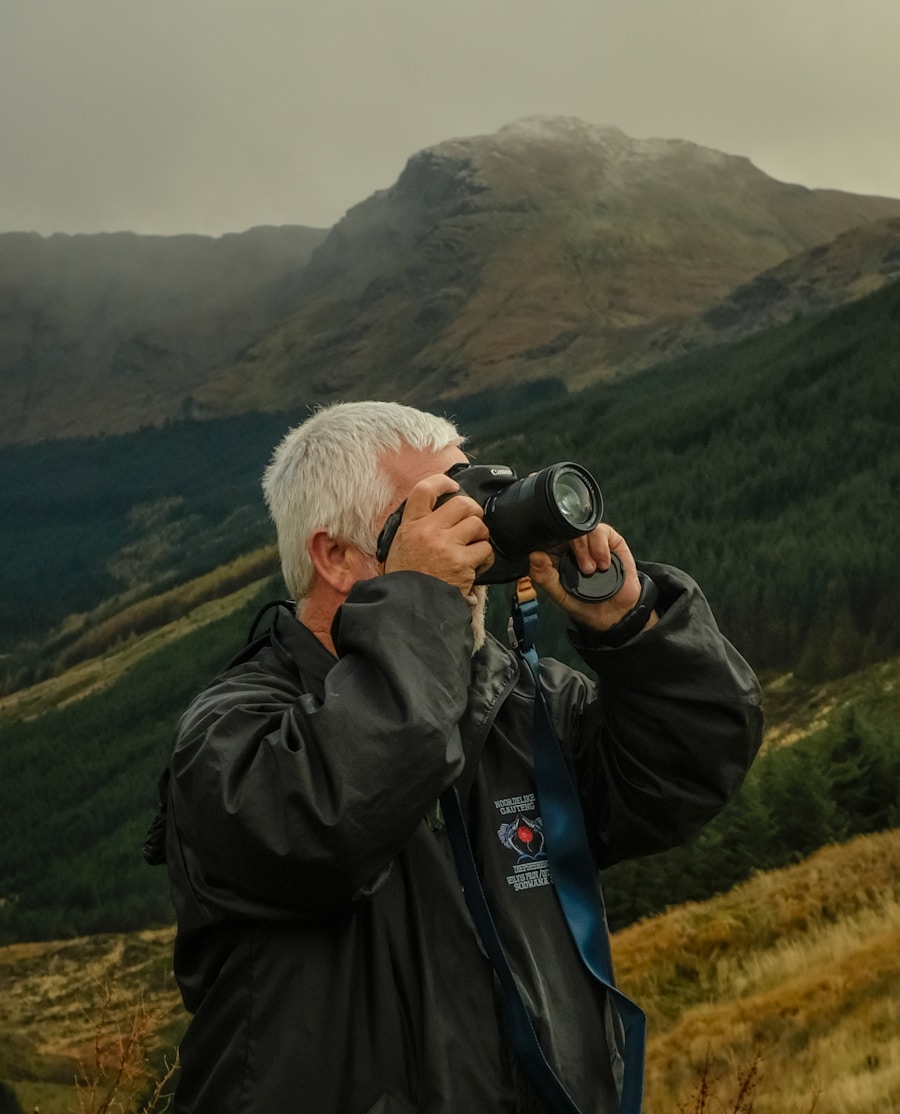
The right equipment can significantly enhance a travel photographer’s ability to capture stunning images. While many may think that high-end cameras are essential, it is important to remember that great photography can be achieved with various tools. A versatile camera body, such as a DSLR or mirrorless system, allows for interchangeable lenses and greater control over settings.
Lenses play a crucial role in determining the quality and style of photographs; wide-angle lenses are ideal for landscapes and architecture, while prime lenses excel in low-light conditions and portraiture. In addition to the camera and lenses, other essential gear includes sturdy tripods for stability during long exposures or low-light situations, as well as filters to manage reflections and enhance colors. A reliable backpack is necessary for transporting equipment safely while on the move.
Furthermore, accessories like extra batteries and memory cards are vital for ensuring that photographers are prepared for spontaneous moments that may arise during their travels. Ultimately, while gear is important, it is the photographer’s creativity and vision that will truly bring their images to life.
Techniques for Capturing Stunning Travel Photos
Capturing stunning travel photos involves mastering various techniques that enhance both composition and storytelling. One fundamental technique is the use of leading lines, which guide the viewer’s eye through the image and create a sense of depth. For example, photographing a winding road or a pathway can draw attention to the journey itself, inviting viewers to imagine where it leads.
Similarly, employing the rule of thirds can help create balanced compositions by placing key elements along imaginary grid lines. Another effective technique is to play with perspective and angles. Instead of shooting from eye level, experimenting with different viewpoints—such as crouching low or finding a higher vantage point—can yield unique results that set a photograph apart from typical tourist snapshots.
Additionally, capturing candid moments can add authenticity to travel photography. Observing local life and waiting for spontaneous interactions can result in powerful images that convey genuine emotions and stories.
Navigating Cultural Sensitivities and Ethical Considerations
Travel photographers must navigate cultural sensitivities with care and respect. Understanding local customs and traditions is essential to avoid inadvertently offending subjects or misrepresenting their culture. For instance, in many cultures, asking permission before photographing individuals is not just polite but often expected.
This practice fosters trust and respect between the photographer and their subjects, leading to more authentic representations. Ethical considerations also extend to how images are shared and used. Photographers should be mindful of how their work may impact communities or individuals depicted in their photographs.
This includes being aware of potential exploitation or misrepresentation of marginalized groups. Engaging with local communities and seeking their input on how they wish to be portrayed can lead to more respectful and meaningful photography that honors their stories rather than objectifying them.
Tips for Planning and Executing a Successful Travel Photography Trip

Planning a successful travel photography trip requires careful consideration of various factors that can influence both logistics and creative opportunities. Researching destinations ahead of time allows photographers to identify key locations, cultural events, or festivals that may provide unique photographic opportunities. Creating a flexible itinerary can help accommodate spontaneous moments while ensuring that essential sites are not overlooked.
Additionally, understanding the best times for lighting conditions is crucial for capturing stunning images. Golden hour—shortly after sunrise or before sunset—offers soft, warm light that enhances landscapes and portraits alike. Photographers should also consider weather patterns and seasonal changes that may affect their chosen locations.
Post-Processing and Sharing Your Travel Photos
Post-processing is an integral part of modern travel photography that allows photographers to enhance their images further after capturing them. Software like Adobe Lightroom or Photoshop provides tools for adjusting exposure, contrast, color balance, and sharpness, enabling photographers to bring their creative vision to life. However, it is essential to strike a balance between enhancing an image and maintaining its authenticity; over-editing can lead to unrealistic representations of a place or subject.
These platforms allow photographers to showcase their work to a global audience while connecting with fellow enthusiasts and professionals. Engaging with viewers through captions or stories can add context to images, enriching the viewer’s experience and fostering a sense of community among travelers and photographers alike.
The Future of Travel Photography: Trends and Innovations
As technology continues to evolve, so too does the landscape of travel photography. One significant trend is the rise of drone photography, which offers unique aerial perspectives that were once difficult or impossible to achieve. Drones allow photographers to capture sweeping landscapes or intricate cityscapes from above, providing fresh angles that can transform familiar scenes into something extraordinary.
Moreover, advancements in smartphone technology have democratized photography, enabling more people to engage with this art form than ever before. High-quality cameras embedded in smartphones allow travelers to document their journeys without carrying bulky equipment. This shift has led to an increase in user-generated content shared across social media platforms, influencing trends in travel photography styles and aesthetics.
In addition to technological innovations, there is a growing emphasis on sustainability within travel photography. Photographers are increasingly aware of their environmental impact and are seeking ways to minimize their footprint while traveling. This includes choosing eco-friendly accommodations, supporting local businesses, and advocating for responsible tourism practices through their work.
As travel photography continues to evolve, it will undoubtedly reflect broader societal shifts toward sustainability and ethical engagement with cultures around the world.
If you enjoyed reading The Travel Photographer’s Way by Steve Davey, you may also be interested in checking out this article on hellread.com about the top travel destinations for 2024. This article provides insights into upcoming travel trends and popular destinations that may inspire your next adventure.
FAQs
What is The Travel Photographer’s Way by Steve Davey about?
The article The Travel Photographer’s Way by Steve Davey is a guide for aspiring travel photographers, providing tips and advice on how to improve their photography skills and capture compelling travel images.
Who is Steve Davey?
Steve Davey is a professional travel photographer and writer, known for his work in various publications and books. He also leads photography tours and workshops around the world.
What are some key tips for travel photography mentioned in the article?
The article covers various tips for travel photography, including advice on composition, lighting, equipment, and interacting with local people to capture authentic and meaningful images.
How can The Travel Photographer’s Way by Steve Davey benefit aspiring travel photographers?
The article provides valuable insights and practical tips that can help aspiring travel photographers improve their skills, develop their own style, and capture memorable images during their travels.
Where can I find The Travel Photographer’s Way by Steve Davey?
The article The Travel Photographer’s Way by Steve Davey can be found in photography magazines, online publications, or on Steve Davey’s website.




