
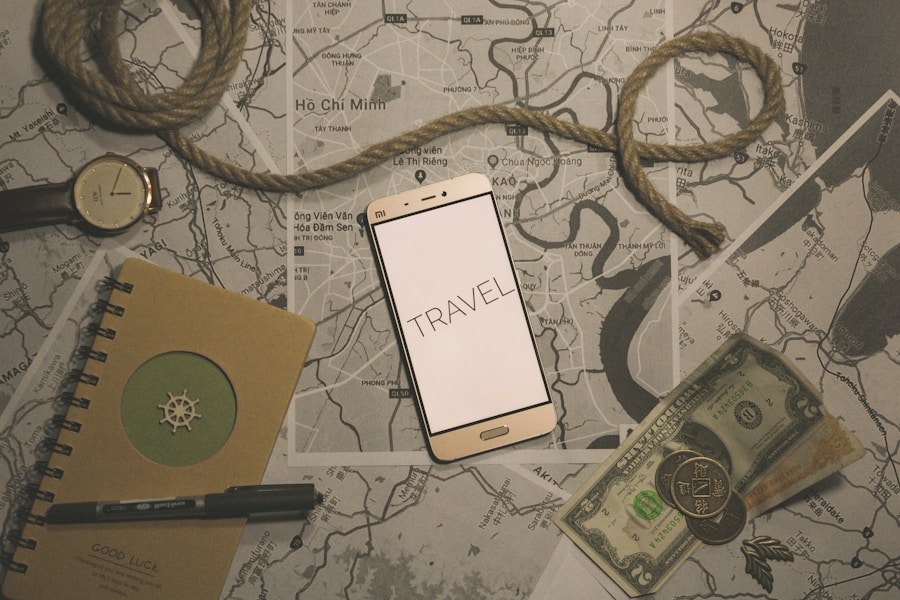
Travel is often perceived as a mere act of moving from one place to another, but it transcends this simplistic definition. The art of travel encompasses a rich tapestry of experiences, emotions, and insights that can profoundly shape our understanding of the world and ourselves. It invites us to engage with diverse cultures, landscapes, and histories, fostering a deeper appreciation for the intricacies of life.
As we embark on journeys, we are not just tourists; we become explorers, seekers of knowledge, and participants in the grand narrative of humanity. The art of travel is also about the stories we collect along the way. Each destination offers a unique canvas painted with the colors of its people, traditions, and environments.
These stories are not merely souvenirs; they are reflections of our encounters and interactions. Whether it’s a conversation with a local artisan in a bustling market or a quiet moment of reflection on a serene beach, these experiences enrich our lives and broaden our perspectives. In this exploration of travel, we will delve into its philosophy, the interplay of art and culture, the psychological dimensions, and the importance of mindfulness in our journeys.
Key Takeaways
- The Art of Travel is about more than just visiting new places; it’s about embracing the philosophy and psychology of travel.
- Exploring the philosophy of travel involves seeking new perspectives, embracing uncertainty, and finding beauty in the unfamiliar.
- Art and culture play a crucial role in travel, offering insights into the history, values, and traditions of different societies.
- Understanding the psychology of travel involves recognizing the impact of anticipation, novelty, and the unfamiliar on our emotions and perceptions.
- Slowing down and observing allows travelers to fully immerse themselves in their surroundings, fostering deeper connections and meaningful experiences.
Exploring the Philosophy of Travel
Self-Discovery through Travel
Philosophers like Alain de Botton have posited that travel serves as a means of self-discovery, allowing us to confront our identities in relation to the world around us. When we step outside our comfort zones, we are often forced to reevaluate our beliefs, values, and assumptions. This aspect of travel can lead to profound personal growth.
Existential Exploration
The act of journeying prompts us to confront questions about purpose and meaning. As we traverse new landscapes and encounter diverse cultures, we are reminded of the vastness of human experience. This realization can evoke feelings of both insignificance and connection.
The Role of Art and Culture in Travel
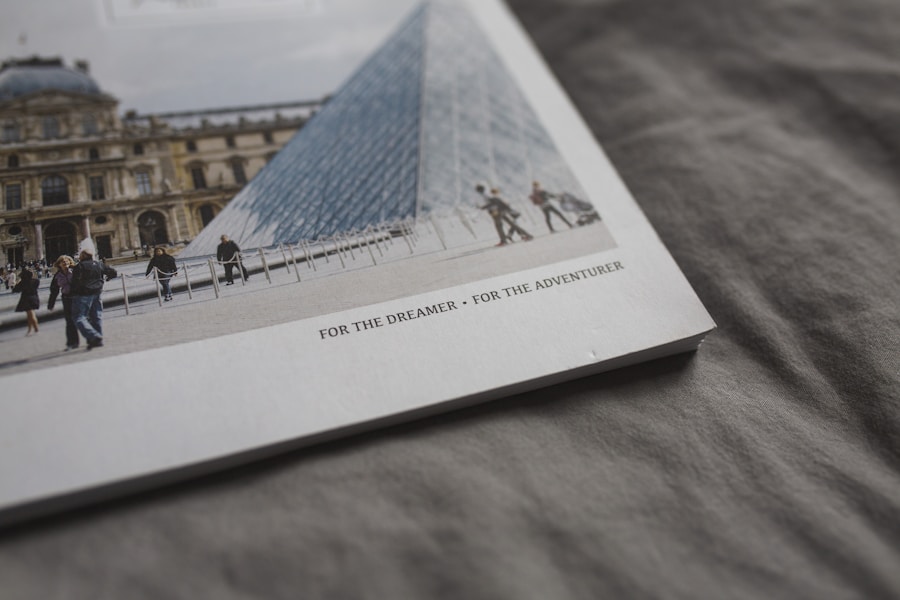
Art and culture are integral components of the travel experience, serving as windows into the soul of a destination. Every city, village, or remote locale has its own artistic expressions—be it through visual arts, music, dance, or culinary traditions—that reflect its history and values.
For instance, visiting a local museum can reveal the historical struggles and triumphs of a community, while attending a traditional festival can immerse one in the vibrant customs that define a place. Furthermore, art has the power to transcend language barriers and connect people on a deeper level. A street mural in a bustling urban center may evoke emotions that resonate universally, while a local dish can tell stories of heritage and identity through its flavors.
By participating in cultural experiences—such as taking a cooking class or joining a dance workshop—travelers not only enrich their own journeys but also contribute to the preservation and appreciation of local traditions. This reciprocal relationship between travelers and host communities highlights the importance of cultural sensitivity and respect in the art of travel.
Understanding the Psychology of Travel
The psychology of travel delves into the motivations behind why individuals embark on journeys and how these experiences impact their mental well-being. For many, travel serves as an escape from the routine pressures of daily life. The anticipation of exploring new places can generate excitement and joy, while the act itself often leads to increased happiness and satisfaction.
Research has shown that planning a trip can be just as fulfilling as the journey itself, as it allows individuals to envision new experiences and create expectations for adventure. However, travel is not without its psychological challenges. The stress associated with navigating unfamiliar environments, dealing with logistical issues, or encountering cultural differences can lead to anxiety or frustration.
Understanding these psychological dynamics is crucial for travelers seeking to maximize their enjoyment while minimizing potential pitfalls. Techniques such as mindfulness can be beneficial in managing stress during travel. By focusing on the present moment and embracing uncertainty, travelers can cultivate resilience and adaptability—qualities that enhance their overall experience.
The Importance of Slowing Down and Observing
In an age characterized by fast-paced lifestyles and instant gratification, the art of slowing down while traveling is often overlooked. Yet, taking the time to observe our surroundings can lead to richer experiences and deeper connections with places and people. When we rush from one tourist attraction to another, we risk missing out on the subtleties that make each destination unique.
Slowing down allows us to engage more fully with our environment—whether it’s savoring a meal at a local café or pausing to appreciate the intricate details of architecture. Mindful observation also fosters a sense of presence that enhances our travel experiences. By immersing ourselves in the sights, sounds, and smells around us, we cultivate an awareness that can transform ordinary moments into extraordinary memories.
For example, sitting quietly in a park can reveal the rhythms of daily life in a city—children playing, locals chatting, or artists creating—offering insights that are often lost in hurried sightseeing. This practice not only enriches our understanding but also encourages gratitude for the beauty found in everyday life.
Coping with Disappointment and Frustration while Traveling

Travel is inherently unpredictable; even the most meticulously planned itineraries can be derailed by unforeseen circumstances. Delays, cancellations, or cultural misunderstandings can lead to disappointment and frustration. Learning how to cope with these challenges is an essential aspect of mastering the art of travel.
One effective strategy is reframing negative experiences as opportunities for growth or learning. For instance, if a planned excursion is canceled due to weather conditions, it may open up time for spontaneous exploration or relaxation—experiences that could prove equally rewarding. Additionally, cultivating flexibility is crucial for navigating travel-related frustrations.
Embracing an adaptable mindset allows travelers to respond positively to unexpected changes rather than succumbing to disappointment. This adaptability can transform potential setbacks into adventures; getting lost in a new city might lead to discovering hidden gems that would have otherwise gone unnoticed. By approaching travel with an open heart and mind, individuals can turn challenges into enriching experiences that contribute to their overall journey.
Finding Inspiration in Everyday Experiences
Inspiration often lies not in grand adventures but in the simple moments that punctuate our daily lives. The art of travel encourages us to seek out these everyday experiences that can ignite creativity and wonder. Whether it’s observing the way light filters through trees during a hike or engaging in conversation with a stranger on public transport, these seemingly mundane interactions can offer profound insights into life’s complexities.
By cultivating an awareness of our surroundings, we open ourselves up to inspiration that transcends geographical boundaries. Moreover, finding inspiration in everyday experiences can enhance our appreciation for both travel and home life. When we learn to see beauty in the ordinary—be it through artful photography or reflective journaling—we enrich our understanding of what it means to be human.
This practice encourages us to carry the lessons learned from our travels back into our daily routines, fostering a sense of gratitude for both extraordinary adventures and simple pleasures alike.
Applying the Lessons of The Art of Travel to Your Own Journeys
The lessons gleaned from exploring the art of travel can profoundly influence how we approach our own journeys—both near and far. Embracing a philosophical mindset encourages us to reflect on our motivations for traveling and how these experiences shape our identities. Engaging with art and culture deepens our connections with places while fostering empathy for diverse perspectives.
Understanding the psychological aspects equips us with tools to navigate challenges gracefully. Incorporating mindfulness into our travels allows us to slow down and truly observe our surroundings, transforming ordinary moments into extraordinary memories. By learning to cope with disappointment and embracing flexibility, we become more resilient travelers who can adapt to whatever comes our way.
Finally, finding inspiration in everyday experiences enriches not only our travels but also our lives at home. By applying these lessons thoughtfully, we can elevate our journeys into meaningful explorations that resonate long after we return home.
If you enjoyed reading The Art of Travel by Alain de Botton, you may also be interested in checking out this article on Hellread titled Hello World. This article explores the concept of exploring new destinations and the excitement of discovering unfamiliar places. It delves into the transformative power of travel and how it can broaden our perspectives and enrich our lives. So, if you’re looking for more insights on the joys of travel, be sure to give this article a read!
FAQs
What is “The Art of Travel” by Alain de Botton about?
“The Art of Travel” is a book written by Alain de Botton that explores the philosophical aspects of traveling. It delves into the reasons why people travel, the experiences they have while traveling, and the impact of travel on their lives.
What are some of the themes discussed in “The Art of Travel”?
Some of the themes discussed in “The Art of Travel” include the anticipation of travel, the experience of being in new and unfamiliar places, the impact of landscapes on our emotions, and the way in which art and literature can influence our perceptions of travel.
How does “The Art of Travel” approach the topic of travel?
“The Art of Travel” approaches the topic of travel from a philosophical and introspective perspective. It examines the emotional and psychological aspects of travel, as well as the ways in which travel can enrich our lives and broaden our perspectives.
What makes “The Art of Travel” by Alain de Botton unique?
“The Art of Travel” is unique in its approach to the topic of travel, as it combines philosophical insights with personal anecdotes and reflections. It also incorporates art, literature, and cultural references to explore the deeper meanings and experiences associated with travel.




