

Vagabonding is more than just a travel style; it is a philosophy that encourages individuals to embrace the world as their home, allowing them to explore diverse cultures, landscapes, and experiences over an extended period. This approach to travel is characterized by a commitment to long-term journeys, often lasting months or even years, rather than the typical week-long vacations that many people are accustomed to. The essence of vagabonding lies in the freedom it offers—freedom from the constraints of a conventional lifestyle, the ability to wander without a fixed itinerary, and the opportunity to immerse oneself in the richness of global experiences.
The concept of vagabonding has gained traction in recent years, particularly among those seeking alternatives to the traditional 9-to-5 work model. It invites individuals to rethink their relationship with time, money, and the world around them. By prioritizing experiences over possessions, vagabonding encourages a mindset that values exploration and personal growth.
This article serves as an uncommon guide to the art of long-term world travel, delving into the philosophy behind vagabonding, practical tips for embarking on such journeys, and insights into overcoming challenges along the way.
Key Takeaways
- Vagabonding is a long-term world travel lifestyle that focuses on immersing oneself in different cultures and embracing the unknown.
- The philosophy of vagabonding emphasizes the importance of slowing down, living in the moment, and seeking meaningful experiences over material possessions.
- Practical tips for long-term travel include packing light, staying flexible, and embracing discomfort as a way to grow and learn.
- Embracing the unknown involves overcoming fears and challenges, such as language barriers, cultural differences, and navigating unfamiliar environments.
- Budgeting and financial planning are essential for vagabonding, including saving money, finding affordable accommodations, and seeking out budget-friendly experiences.
The Philosophy of Vagabonding
The Pursuit of Authenticity
This philosophy is inspired by the idea that every moment spent in exploration can lead to profound personal transformation. Vagabonders often find themselves questioning societal norms and expectations, seeking instead a life filled with adventure and discovery.
Embracing Uncertainty
The vagabonding mindset encourages individuals to embrace uncertainty and spontaneity. Unlike traditional travel, which often involves meticulously planned itineraries and rigid schedules, vagabonding allows for flexibility and adaptability.
Cultivating Curiosity
This approach fosters a sense of curiosity about the world, prompting travelers to engage with their surroundings in a more profound way. Whether it’s taking an unexpected detour to explore a hidden village or striking up a conversation with a local artisan, vagabonding cultivates an openness to new experiences that can lead to unexpected joys and insights.
Practical Tips for Long-Term Travel
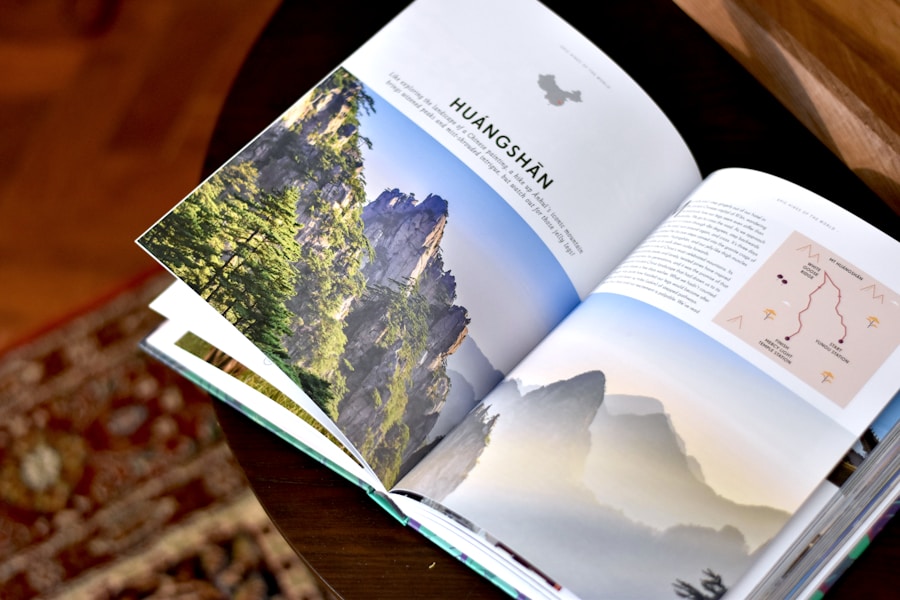
Embarking on a long-term travel journey requires careful planning and preparation. One of the first steps is to determine your travel style and preferences. Are you drawn to urban environments or natural landscapes?
Do you prefer solo travel or companionship? Understanding your inclinations will help shape your itinerary and ensure that your journey aligns with your interests. Additionally, consider the seasons and climates of your chosen destinations; traveling during off-peak times can enhance your experience by allowing for fewer crowds and lower costs.
Packing efficiently is another crucial aspect of long-term travel. A minimalist approach is often recommended, as it allows for greater mobility and ease of movement. Focus on versatile clothing items that can be layered and mixed and matched, as well as essential gear that caters to your specific activities—be it hiking, city exploration, or cultural immersion.
Remember that laundry facilities are often available in hostels or local laundromats, so there’s no need to overpack. Moreover, investing in quality travel gear can enhance your comfort and safety while on the road.
Embracing the Unknown: Overcoming Fears and Challenges
The prospect of long-term travel can be daunting, especially for those who are accustomed to the predictability of daily routines. Fear of the unknown often looms large—concerns about safety, language barriers, or navigating unfamiliar environments can create significant anxiety. However, embracing these fears is an integral part of the vagabonding experience.
One effective strategy for overcoming fears is to approach challenges with a problem-solving mindset. For instance, if language barriers arise, consider learning basic phrases in the local language or using translation apps to facilitate communication.
Engaging with fellow travelers or locals can also provide valuable insights and support. Additionally, cultivating resilience through small challenges—such as navigating public transportation in a foreign city—can build confidence over time. Each obstacle faced becomes an opportunity for growth, ultimately enriching the overall travel experience.
Budgeting and Financial Planning for Vagabonding
Financial planning is a critical component of successful vagabonding. Unlike traditional vacations that may involve significant upfront costs for flights and accommodations, long-term travel requires a more nuanced approach to budgeting. Start by assessing your current financial situation and determining how much you can allocate toward your travels.
This may involve cutting back on non-essential expenses or finding alternative sources of income, such as remote work or freelance opportunities. Creating a detailed budget for your travels is essential for maintaining financial stability on the road. Consider factors such as accommodation costs, daily expenses for food and transportation, activity fees, and emergency funds.
Researching cost-effective options—such as hostels, guesthouses, or homestays—can significantly reduce accommodation expenses. Additionally, utilizing public transportation instead of taxis or rideshares can help stretch your budget further. Many vagabonders also find success in using travel rewards programs or credit card points to offset costs associated with flights or accommodations.
Cultural Immersion and Connecting with Locals
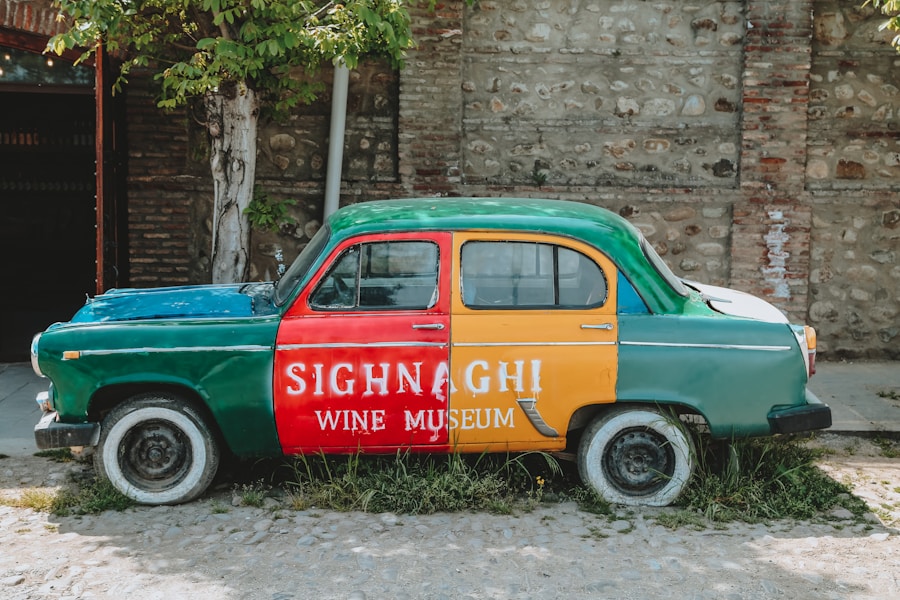
One of the most rewarding aspects of vagabonding is the opportunity for cultural immersion. Engaging with local communities allows travelers to gain deeper insights into different ways of life, traditions, and customs. Rather than merely observing from a distance, vagabonders are encouraged to participate actively in local activities—be it cooking classes, traditional festivals, or volunteer opportunities.
These experiences foster genuine connections with locals and create lasting memories that transcend typical tourist encounters. Building relationships with locals can also enhance one’s understanding of cultural nuances and social dynamics. Simple gestures—such as learning greetings in the local language or sharing meals—can break down barriers and foster goodwill.
Many travelers find that locals are often eager to share their stories and perspectives, enriching the overall experience. Additionally, platforms like Couchsurfing or local meet-up groups can facilitate connections with residents who are open to sharing their culture and insights with travelers.
Sustainable and Responsible Travel Practices
As global awareness of environmental issues grows, sustainable travel practices have become increasingly important within the vagabonding community. Responsible travelers recognize their impact on the destinations they visit and strive to minimize their ecological footprint. This includes making conscious choices about transportation methods—favoring trains or buses over flights when possible—and supporting local businesses rather than large corporations.
Sustainable practices also extend to cultural sensitivity and ethical engagement with local communities. Travelers should be mindful of their behavior and its potential effects on local customs and traditions. For instance, dressing appropriately when visiting sacred sites or respecting local norms can demonstrate appreciation for cultural differences.
Additionally, participating in eco-friendly activities—such as beach clean-ups or wildlife conservation efforts—can contribute positively to the environment while enhancing one’s travel experience.
Embracing the Vagabonding Lifestyle
The vagabonding lifestyle offers a unique perspective on travel that transcends mere sightseeing; it invites individuals to embark on transformative journeys filled with discovery and connection.
Through practical tips for long-term travel, strategies for overcoming challenges, and a commitment to sustainable practices, anyone can embark on their own journey of exploration.
Ultimately, vagabonding is about more than just visiting new places; it’s about fostering a mindset that values adventure, curiosity, and personal growth. As individuals step outside their comfort zones and embrace the unknown, they open themselves up to a world of possibilities that can lead to profound experiences and lasting memories. The art of long-term world travel is not merely about reaching destinations; it’s about savoring every moment along the way.
If you’re interested in long-term world travel like Rolf Potts discusses in “Vagabonding: An Uncommon Guide to the Art of Long-Term World Travel,” you may also enjoy reading the article “Hello World” on Hellread. This article delves into the experiences of a traveler exploring new destinations and embracing the unknown. It offers insights and inspiration for those looking to embark on their own adventures around the globe.
FAQs
What is Vagabonding: An Uncommon Guide to the Art of Long-Term World Travel by Rolf Potts?
Vagabonding is a book written by Rolf Potts that provides practical advice and inspiration for long-term travel. It encourages readers to embrace the art of vagabonding, which involves immersing oneself in the world and experiencing different cultures.
What is the main focus of Vagabonding?
The main focus of Vagabonding is to encourage individuals to break free from the constraints of conventional travel and embrace the freedom and adventure of long-term world travel. It emphasizes the importance of slowing down, immersing oneself in local cultures, and embracing the unknown.
What kind of advice does Vagabonding offer to readers?
Vagabonding offers practical advice on a wide range of topics related to long-term travel, including budgeting, packing, finding accommodation, dealing with culture shock, and embracing the challenges and rewards of extended travel. It also provides insights into the mindset and philosophy of vagabonding.
Who is the target audience for Vagabonding?
The book is aimed at anyone who is interested in long-term travel, whether they are seasoned travelers looking for new inspiration or individuals who are considering embarking on their first extended journey. It is also relevant to those who are interested in alternative lifestyles and philosophies of travel.
What sets Vagabonding apart from other travel guides?
Vagabonding stands out from other travel guides by focusing on the art and philosophy of long-term travel rather than simply providing practical tips and itineraries. It encourages readers to embrace a mindset of exploration, adventure, and cultural immersion, and to approach travel as a transformative and enriching experience.




