

“The Darker Nations: A People’s History of the Third World,” authored by Vijay Prashad, serves as a critical examination of the historical and socio-political landscape of countries often categorized as the Third World. This term, which emerged during the Cold War, encapsulates nations that were neither aligned with the capitalist West nor the communist East. Prashad’s work delves into the narratives of these nations, emphasizing their struggles, aspirations, and the complex interplay of global forces that have shaped their destinies.
By focusing on the voices and experiences of the people within these nations, Prashad challenges dominant historical narratives that often marginalize or overlook their contributions to global history. The book is not merely a recounting of events; it is a call to recognize the agency of Third World nations in their own histories. Prashad argues that understanding the past is crucial for comprehending contemporary global dynamics.
The experiences of these nations are not isolated; they are interconnected with broader themes of colonialism, imperialism, and globalization. By exploring these connections, “The Darker Nations” provides a framework for analyzing current global issues through the lens of historical injustices and ongoing struggles for equity and justice.
Key Takeaways
- The Darker Nations provides a people’s history of the Third World, offering a perspective often overlooked in mainstream narratives.
- The Third World originated as a political and economic bloc of countries that were not aligned with either the Western or Eastern bloc during the Cold War, and has evolved to represent the global South.
- Colonialism and imperialism played a significant role in shaping the Third World, leading to exploitation and underdevelopment in many nations.
- The struggle for independence and sovereignty has been a central theme in the history of the Third World, with many countries fighting for self-determination and autonomy.
- Globalization has had a complex impact on the Third World, bringing both opportunities for development and challenges such as economic inequality and cultural homogenization.
The Origins and Evolution of the Third World
The concept of the Third World emerged in the mid-20th century, primarily as a response to the geopolitical landscape shaped by decolonization and the Cold War. Initially, it referred to countries that were economically underdeveloped and politically marginalized. However, its meaning has evolved over time, reflecting changes in global power dynamics and economic structures.
The origins of this classification can be traced back to the aftermath of World War II when many nations in Africa, Asia, and Latin America gained independence from colonial rule. These newly sovereign states sought to carve out their identities on the world stage, often aligning themselves with one of the two superpowers or pursuing a non-aligned stance. As these nations navigated their post-colonial realities, they faced numerous challenges, including economic dependency, political instability, and social inequality.
The evolution of the Third World is marked by a series of movements aimed at asserting sovereignty and fostering development. The Bandung Conference in 1955, for instance, was a pivotal moment where leaders from various Third World countries gathered to discuss mutual cooperation and solidarity against colonialism and imperialism. This gathering laid the groundwork for future alliances and movements that sought to redefine international relations in favor of developing nations.
The Role of Colonialism and Imperialism in Shaping the Third World
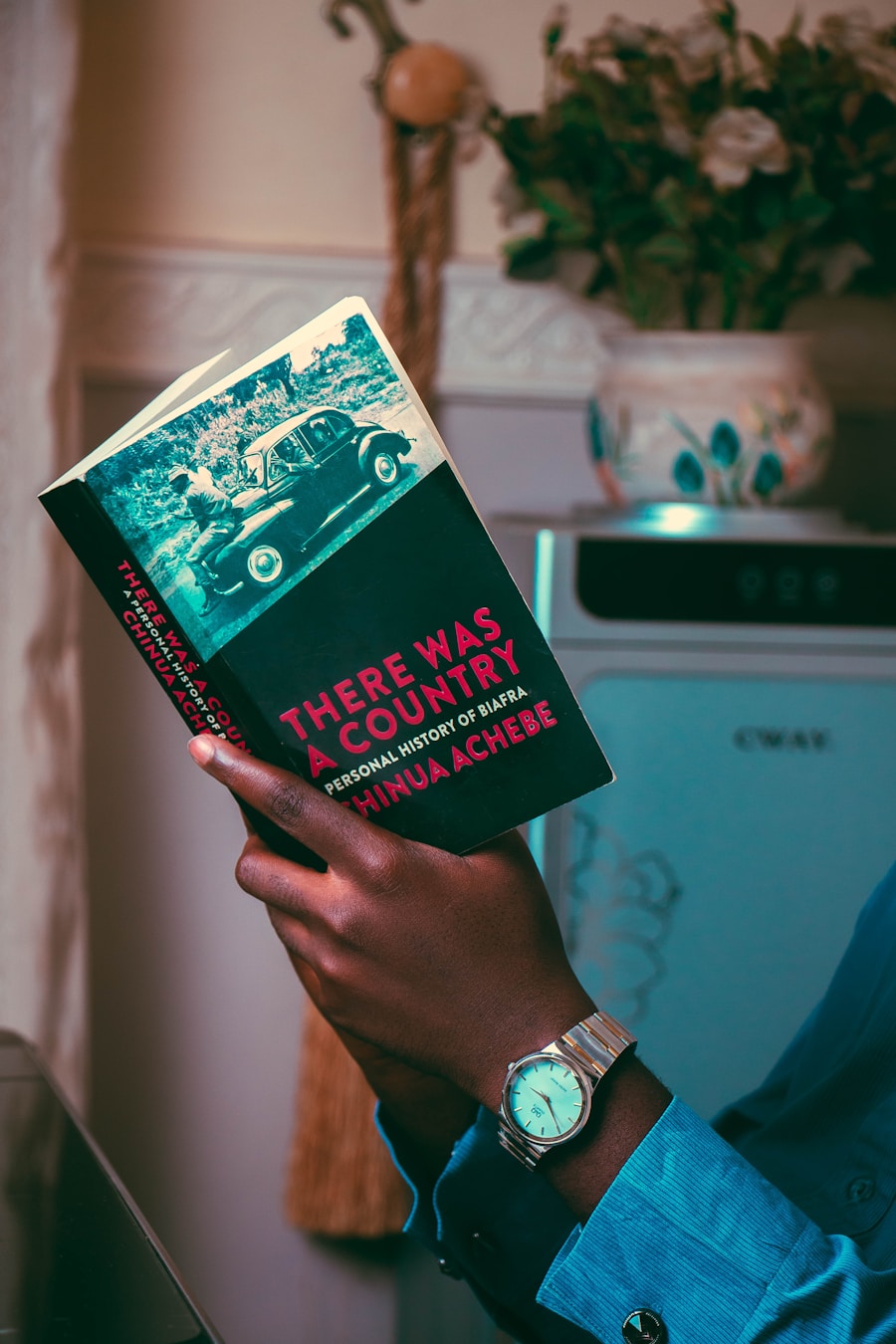
Colonialism and imperialism have profoundly influenced the trajectory of Third World nations, leaving indelible marks on their political, economic, and social structures. The legacy of colonial rule is evident in the arbitrary borders drawn by colonial powers, which often disregarded ethnic and cultural divisions. This has led to ongoing conflicts and tensions within many countries.
For example, in Africa, the partitioning of territories by European powers resulted in a patchwork of nations that struggled to forge cohesive identities post-independence. The imposition of foreign governance systems disrupted traditional power structures and created a dependency on former colonial powers. Moreover, imperialism facilitated the extraction of resources from colonized regions, establishing economic systems that favored the colonizers while impoverishing local populations.
This exploitation laid the groundwork for persistent economic challenges faced by many Third World countries today.
Countries like the Democratic Republic of Congo exemplify this dynamic; despite being rich in natural resources such as cobalt and diamonds, they remain mired in conflict and economic instability due to historical exploitation.
The Third World’s Struggle for Independence and Sovereignty
The struggle for independence among Third World nations was not merely a quest for political autonomy; it was also a fight for dignity, identity, and self-determination. Leaders such as Mahatma Gandhi in India, Kwame Nkrumah in Ghana, and Ho Chi Minh in Vietnam became symbols of resistance against colonial rule. Their movements were characterized by a blend of nationalism and anti-imperialism, seeking to reclaim not only political power but also cultural heritage that had been suppressed under colonial regimes.
The independence movements were often marked by significant sacrifices, with countless individuals risking their lives for the cause. The post-independence period presented new challenges as newly sovereign nations grappled with establishing stable governments and addressing socio-economic disparities. Many leaders faced immense pressure from both internal factions and external powers seeking to influence their policies.
For instance, in Latin America, U.S. interventionist policies aimed at curbing leftist movements led to coups and authoritarian regimes that stifled democratic aspirations. The struggle for sovereignty thus continued beyond formal independence, as nations sought to assert their rights against neocolonial influences that persisted in various forms.
The Impact of Globalization on the Third World
Globalization has had a multifaceted impact on Third World nations, presenting both opportunities and challenges. On one hand, globalization has facilitated increased access to international markets, technology transfer, and cultural exchange. Countries like India have leveraged globalization to emerge as significant players in the global economy, particularly in sectors such as information technology and pharmaceuticals.
The rise of multinational corporations has created jobs and spurred economic growth in some regions. However, globalization has also exacerbated inequalities within and between nations. The benefits of economic integration have not been evenly distributed; many countries remain marginalized in global supply chains.
Additionally, globalization has led to cultural homogenization, threatening local traditions and identities as Western consumer culture permeates societies worldwide.
The Challenges and Resilience of the Third World Nations
Prevalent Issues in Third World Nations
Poverty, political instability, environmental degradation, and health crises are widespread across many regions. For instance, countries in sub-Saharan Africa struggle with high poverty rates despite significant natural resources, largely due to systemic corruption and mismanagement.
The Existential Threat of Climate Change
Climate change poses existential threats to vulnerable nations that lack the infrastructure to adapt to or mitigate its effects.
Grassroots Movements for Change
Despite these challenges, resilience is a defining characteristic of many Third World nations. Grassroots movements advocating for social justice, environmental sustainability, and human rights have emerged as powerful forces for change. In Brazil, for example, indigenous communities have mobilized against deforestation and land encroachments by agribusinesses, asserting their rights to ancestral lands while advocating for environmental stewardship. Such movements highlight the agency of local populations in shaping their futures despite external pressures.
The Role of Third World Countries in Shaping Global Politics and Economics
In recent decades, Third World countries have increasingly asserted themselves on the global stage, challenging traditional power dynamics dominated by Western nations. Organizations such as the Non-Aligned Movement (NAM) and the Group of 77 (G77) have provided platforms for collective action among developing nations. These groups advocate for equitable trade practices, debt relief, and sustainable development policies that prioritize the needs of poorer countries.
Moreover, emerging economies like Brazil, India, and South Africa have taken on leadership roles within international forums such as BRICS (Brazil, Russia, India, China, South Africa), promoting alternative models of development that diverge from Western neoliberal paradigms. These nations emphasize cooperation over competition and seek to address global issues such as climate change through collaborative efforts rather than unilateral actions dictated by more powerful states.
The Relevance of The Darker Nations in Understanding Contemporary Global Issues
“The Darker Nations” remains highly relevant in contemporary discussions surrounding global issues such as inequality, migration, climate change, and geopolitical tensions. Prashad’s exploration of historical contexts provides valuable insights into how past injustices continue to shape present realities. For instance, understanding the legacies of colonialism can illuminate current patterns of migration driven by economic disparities between developed and developing nations.
Furthermore, Prashad’s emphasis on solidarity among Third World nations resonates with contemporary movements advocating for social justice across borders. As global challenges become increasingly interconnected—such as pandemics or climate crises—the need for cooperative solutions rooted in equity becomes paramount. “The Darker Nations” serves as a reminder that the voices and experiences of those historically marginalized must be central to any discourse on global governance or development strategies moving forward.
In conclusion, Vijay Prashad’s “The Darker Nations” offers a profound exploration of the complexities surrounding Third World nations’ histories and their ongoing struggles for justice and equity in an increasingly interconnected world. Through its detailed examination of colonial legacies, independence movements, globalization impacts, resilience strategies, and emerging roles in global politics, it provides essential context for understanding contemporary global issues while advocating for a more inclusive narrative that honors the agency of all peoples.
If you’re interested in exploring more about the history of the Third World, you may want to check out this article on hellread.com. The article delves into the complexities of global politics and the impact of colonization on developing nations, providing a thought-provoking perspective that complements Vijay Prashad’s book, The Darker Nations: A People’s History of the Third World. It’s a fascinating read that sheds light on the struggles and triumphs of countries in the Global South.
FAQs
What is The Darker Nations: A People’s History of the Third World by Vijay Prashad?
The Darker Nations: A People’s History of the Third World is a book written by Vijay Prashad. It provides a comprehensive history of the Third World from the end of World War II to the present day, focusing on the struggles and achievements of the people in these nations.
Who is Vijay Prashad?
Vijay Prashad is an Indian historian, journalist, and Marxist intellectual. He is the author of several books on global politics, economics, and history, and is a prominent voice in the field of postcolonial studies.
What is the main focus of The Darker Nations?
The main focus of The Darker Nations is to provide a people’s history of the Third World, highlighting the struggles and achievements of the people in these nations as they sought to assert their independence and sovereignty in the face of colonialism and imperialism.
What are some key themes explored in The Darker Nations?
Some key themes explored in The Darker Nations include anti-colonial movements, the Non-Aligned Movement, the impact of the Cold War on the Third World, and the role of socialism and communism in the decolonization process.
Why is The Darker Nations considered an important book?
The Darker Nations is considered an important book because it challenges traditional Western-centric narratives of history and provides a more nuanced and comprehensive understanding of the struggles and achievements of the people in the Third World. It also sheds light on the impact of colonialism and imperialism on these nations and their efforts to assert their independence and sovereignty.




