

Strength training is an essential component of a swimmer’s training regimen, often overlooked in favor of traditional swim workouts. The aquatic environment presents unique challenges that require not only endurance but also strength and power. Swimmers rely on their muscles to propel themselves through water, which is denser than air and requires more force to move efficiently.
By engaging in strength training, swimmers can enhance their overall performance, improve their stroke mechanics, and reduce the risk of injury. Moreover, strength training contributes to the development of muscle imbalances that can arise from repetitive swimming motions. The repetitive nature of swimming can lead to overuse injuries, particularly in the shoulders, back, and hips.
By incorporating strength training into their routine, swimmers can target specific muscle groups that may be underdeveloped or overworked, promoting a more balanced physique. This balance not only aids in injury prevention but also enhances overall swimming efficiency, allowing athletes to maintain speed and endurance over longer distances.
Key Takeaways
- Strength training is crucial for swimmers to improve power, speed, and endurance in the water.
- A well-designed weight training program for swimmers should focus on compound movements and include exercises for all major muscle groups.
- Key exercises for swimmers include squats, deadlifts, pull-ups, and shoulder presses to improve overall strength and stability.
- Plyometrics and power training can help swimmers improve explosiveness and speed in the water.
- Nutrition and proper recovery are essential for swimmers to maximize the benefits of weight training and prevent injury.
How to Design a Weight Training Program for Swimmers
Designing an effective weight training program for swimmers requires a comprehensive understanding of their specific needs and goals. The program should focus on building strength in key muscle groups that are heavily utilized during swimming strokes, such as the shoulders, back, core, and legs. A well-rounded program typically includes a mix of compound movements, which engage multiple muscle groups, and isolation exercises that target specific muscles.
When creating a weight training program, it is crucial to consider the swimmer’s training cycle. For instance, during the off-season, swimmers may focus on building strength and muscle mass through heavier weights and lower repetitions. As they approach competition season, the emphasis may shift towards power and explosiveness, incorporating lighter weights with higher repetitions and faster movements.
Additionally, integrating periodization into the program can help swimmers avoid plateaus and ensure continuous progress throughout the training cycle.
Key Exercises for Swimmers
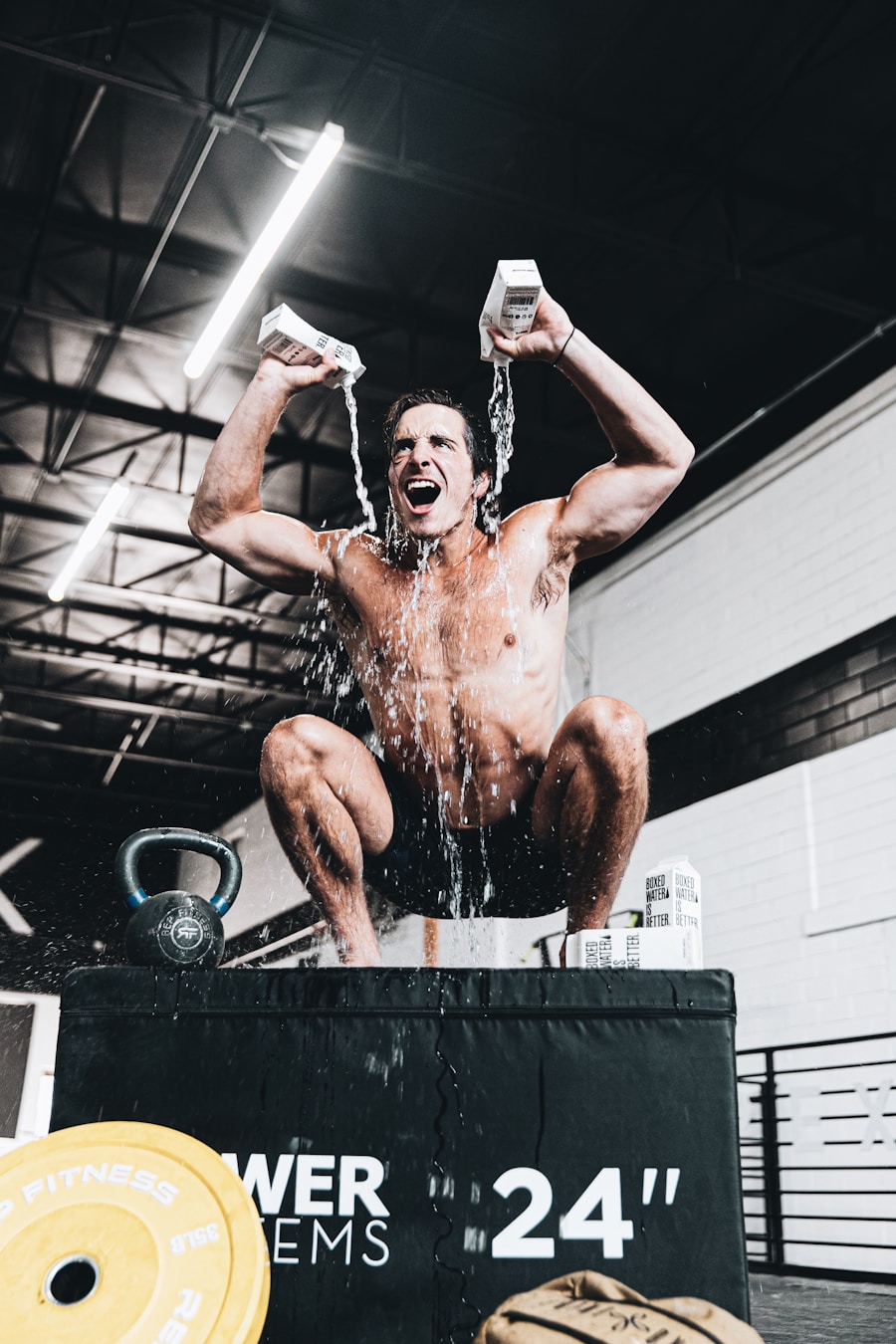
Several key exercises are particularly beneficial for swimmers, targeting the muscles most engaged during swimming strokes. One of the foundational exercises is the pull-up, which strengthens the latissimus dorsi and biceps—crucial muscles for pulling through the water.
Another essential exercise is the bench press, which develops chest and shoulder strength. A strong chest allows swimmers to maintain a powerful stroke while minimizing fatigue. Additionally, exercises like the deadlift are invaluable for building overall body strength, particularly in the posterior chain, which includes the hamstrings, glutes, and lower back.
This strength is vital for maintaining proper body position in the water and generating propulsion during starts and turns.
Exercises such as planks, medicine ball rotations, and hanging leg raises can significantly enhance core strength.
These exercises not only improve swimming performance but also contribute to better posture and injury prevention.
The Role of Plyometrics and Power Training
Plyometrics and power training play a critical role in enhancing a swimmer’s explosiveness and speed in the water. These training modalities focus on developing fast-twitch muscle fibers, which are essential for quick bursts of power during starts and turns. Plyometric exercises such as box jumps, depth jumps, and medicine ball throws can significantly improve a swimmer’s ability to generate force rapidly.
Incorporating plyometrics into a swimmer’s training routine can lead to improved reaction times and overall athletic performance. For instance, performing explosive push-ups or clap push-ups can enhance upper body power, translating to more forceful strokes in the pool. Similarly, lower body plyometrics like squat jumps can improve leg drive during starts and turns, allowing swimmers to gain an edge over their competitors.
Power training should also be integrated into a swimmer’s regimen to complement traditional strength training. Olympic lifts such as the clean and jerk or snatch are excellent for developing overall power and coordination. These lifts require precise technique and engage multiple muscle groups simultaneously, making them highly effective for swimmers looking to enhance their explosive capabilities.
Nutrition and Recovery for Swimmers
Nutrition plays a pivotal role in a swimmer’s performance and recovery. A well-balanced diet rich in carbohydrates, proteins, healthy fats, vitamins, and minerals is essential for fueling intense training sessions and promoting muscle repair. Swimmers should prioritize complex carbohydrates such as whole grains, fruits, and vegetables to provide sustained energy levels throughout their workouts.
Protein intake is equally important for muscle recovery and growth. Swimmers should aim to consume high-quality protein sources such as lean meats, fish, dairy products, legumes, and plant-based proteins after workouts to support muscle repair. Additionally, hydration cannot be overlooked; maintaining optimal fluid levels is crucial for performance in the pool.
Dehydration can lead to decreased endurance and increased risk of injury. Recovery strategies are also vital for swimmers engaged in rigorous training schedules. Incorporating rest days into their routine allows muscles to recover and adapt to the stresses of training.
Active recovery techniques such as light swimming or yoga can promote blood flow and reduce muscle soreness. Furthermore, practices like foam rolling or massage therapy can aid in muscle recovery by alleviating tension and improving flexibility.
Common Mistakes to Avoid in Weight Training for Swimming

Here is the rewritten text with 3-4 Common Mistakes in Weight Training for Swimmers
Proper Form is Key
Neglecting proper form during exercises is a prevalent mistake among swimmers. The temptation to lift heavier weights without mastering the correct technique first can result in poor movement patterns, diminishing effectiveness and increasing the risk of injury.
Rest and Recovery are Crucial
Failing to incorporate adequate rest between sets or workouts is another common mistake. Swimmers often have demanding schedules that include both swimming and strength training, but overtraining can lead to fatigue and decreased performance. It is essential to listen to one’s body and allow sufficient recovery time between sessions to promote optimal gains.
Balanced Strength Development
Some swimmers may focus too heavily on upper body strength while neglecting lower body development. A strong lower body is crucial for effective starts and turns; therefore, a balanced approach that includes leg exercises is necessary for overall performance enhancement.
Avoiding Plateaus
Lastly, swimmers should avoid sticking to the same routine for extended periods. Varying exercises and rep schemes can prevent plateaus and keep training engaging.
How to Incorporate Weight Training into a Swimming Schedule
Integrating weight training into a swimmer’s schedule requires careful planning to ensure that both swimming and strength training complement each other effectively. Ideally, weight training sessions should be scheduled on days when swimmers have lighter swim workouts or on separate days altogether to avoid excessive fatigue. For example, a swimmer might choose to perform weight training sessions two to three times per week while maintaining their swim practices on alternate days.
This allows them to focus on building strength without compromising their swim performance. It is also beneficial to schedule weight training sessions earlier in the day when energy levels are higher or after swim practices when muscles are already warmed up. Additionally, swimmers should prioritize their most demanding swim workouts when planning their weight training sessions.
For instance, if a swimmer has an intense interval session planned for a particular day, it may be wise to either skip weight training or opt for a lighter session focused on maintenance rather than heavy lifting.
The Benefits of Weight Training for Swimmers
The benefits of weight training for swimmers extend far beyond mere muscle gain; they encompass improved performance metrics across various aspects of swimming. Enhanced strength translates directly into more powerful strokes, allowing swimmers to cover distances more efficiently while expending less energy. This increased efficiency can lead to faster race times and improved overall performance.
Furthermore, weight training contributes significantly to injury prevention by addressing muscle imbalances that may arise from repetitive swimming motions. By strengthening underdeveloped muscle groups and promoting better overall body mechanics, swimmers can reduce their risk of common injuries associated with the sport. In addition to physical benefits, weight training can also foster mental resilience among swimmers.
The discipline required for strength training often translates into improved focus and determination in the pool. As swimmers witness their progress in strength training—whether through increased weights lifted or improved technique—they gain confidence that can positively impact their swimming performance. Ultimately, incorporating weight training into a swimmer’s routine not only enhances physical capabilities but also cultivates a holistic approach to athletic development that encompasses strength, endurance, mental fortitude, and injury prevention strategies.
If you’re looking to improve your swimming performance, you may also be interested in checking out this article on Hellread that discusses the benefits of incorporating yoga into your training routine. Yoga can help swimmers improve flexibility, strength, and mental focus, all of which are crucial for success in the water. By combining weight training with yoga, swimmers can enhance their overall performance and reach their full potential in the pool.
FAQs
What is weight training for swimming?
Weight training for swimming is a form of strength training that focuses on exercises to improve the strength, power, and endurance of the muscles used in swimming. It can include exercises using free weights, machines, resistance bands, and body weight.
What are the benefits of weight training for swimming?
Weight training for swimming can help swimmers improve their stroke technique, increase power and speed in the water, prevent injuries, and enhance overall performance. It can also help swimmers develop stronger core muscles and improve their overall fitness level.
How often should swimmers do weight training?
The frequency of weight training for swimmers can vary depending on individual training programs and goals. However, a general recommendation is to incorporate weight training sessions 2-3 times per week, with adequate rest and recovery between sessions.
What are some key exercises for weight training for swimming?
Key exercises for weight training for swimming include squats, deadlifts, lunges, pull-ups, lat pulldowns, bench presses, shoulder presses, and core exercises such as planks and Russian twists. These exercises target the major muscle groups used in swimming and can help improve strength and power.
Is weight training for swimming suitable for all ages and skill levels?
Weight training for swimming can be suitable for swimmers of all ages and skill levels, as long as it is tailored to individual needs and abilities. It is important for beginners to start with lighter weights and focus on proper technique, while more advanced swimmers can gradually increase the intensity and complexity of their weight training program.




