

“A Short Walk in the Hindu Kush,” penned by Eric Newby, is a captivating narrative that transports readers into the heart of one of the most rugged and breathtaking mountain ranges in the world. Published in 1958, this travel memoir recounts Newby’s adventurous journey through the Hindu Kush, a region that straddles the border between Afghanistan and Pakistan. The book is not merely a travelogue; it is a rich tapestry woven with threads of adventure, cultural encounters, and personal reflections.
Newby, an Englishman with a penchant for exploration, embarks on this journey with his friend Hugh Carless, driven by a desire to experience the raw beauty and challenges of the Afghan landscape. The narrative begins with a sense of spontaneity and excitement, as Newby and Carless decide to undertake this ambitious trek. Their motivations are multifaceted; they seek adventure, a break from the mundane, and an opportunity to immerse themselves in a culture vastly different from their own.
The book captures the essence of exploration during a time when travel was less commercialized and more about personal discovery. Newby’s writing style is engaging and vivid, allowing readers to visualize the landscapes and feel the emotions that accompany such an expedition. The introduction sets the stage for a journey that is as much about self-discovery as it is about traversing the formidable terrain of the Hindu Kush.
Key Takeaways
- “A Short Walk in the Hindu Kush” is a travel memoir by Eric Newby, detailing his journey through the Hindu Kush mountains in Afghanistan.
- The book captures the spirit of adventure and the challenges faced during the journey, making it a thrilling read for travel enthusiasts.
- Newby provides cultural and historical insights into the region, offering readers a deeper understanding of the people and their way of life.
- The beauty of the Hindu Kush is vividly described, showcasing the stunning landscapes and natural wonders of the region.
- The narrative is laced with humor and wit, adding a light-hearted touch to the story and making it an enjoyable and entertaining read.
The Journey and Adventure
Human Connections and Insights
Newby’s attention to detail brings the landscape to life, and his interactions with local villagers add depth to their experience, providing insights into the lives of those who inhabit this remote region. The camaraderie between Newby and his companion adds a lighthearted touch to their adventure, as they share moments of humor amidst the struggles.
Cultural and Historical Insights
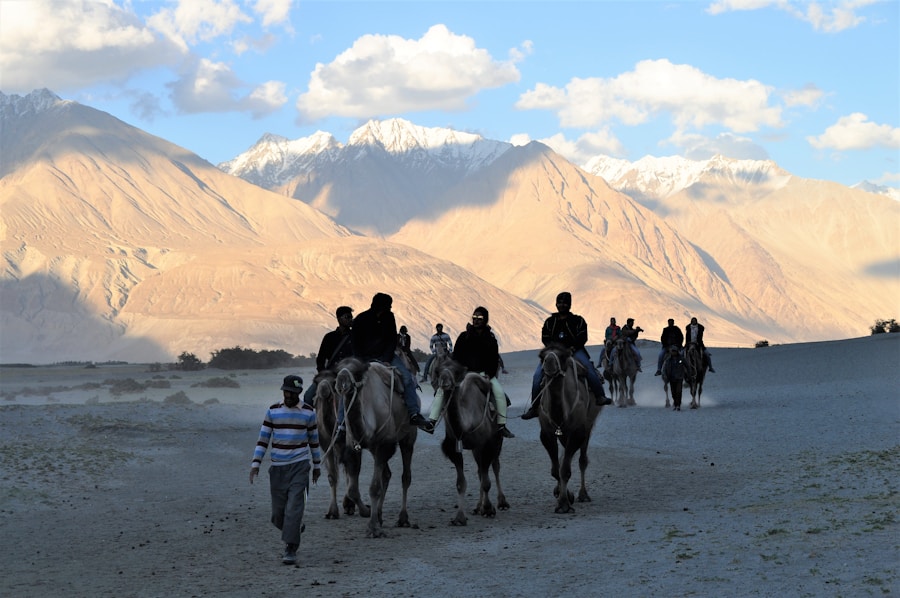
Newby’s journey through the Hindu Kush is not solely an exploration of physical landscapes; it is also an immersion into the rich cultural tapestry of Afghanistan. Throughout their trek, they encounter various ethnic groups, each with its own customs, traditions, and histories. Newby takes great care to document these interactions, offering readers a glimpse into a world that is often misunderstood or overlooked in Western narratives.
His respectful approach to cultural differences fosters a sense of appreciation for the diversity that exists within this mountainous region. The historical context of Afghanistan also plays a significant role in Newby’s narrative. He weaves in anecdotes about the region’s past, touching upon its significance as a crossroads of civilizations.
The Hindu Kush has long been a pivotal area for trade routes, connecting East and West.
His encounters with local people reveal stories of resilience and adaptation in the face of adversity, painting a picture of a culture that values hospitality and community.
The Beauty of the Hindu Kush
The Hindu Kush is renowned for its stunning natural beauty, and Newby’s descriptions evoke a sense of wonder that resonates throughout his narrative. From towering peaks dusted with snow to lush valleys adorned with wildflowers, each scene is depicted with vivid imagery that captures the essence of this majestic landscape. Newby’s ability to convey the grandeur of his surroundings invites readers to experience the awe that accompanies such breathtaking vistas.
One particularly striking aspect of Newby’s writing is his appreciation for the interplay between light and shadow in the mountains. He describes how sunlight dances across rocky surfaces, creating an ever-changing panorama that captivates both the eye and the spirit. The flora and fauna of the region are also highlighted; Newby notes the unique species that thrive in this harsh environment, showcasing nature’s resilience.
His observations extend beyond mere aesthetics; they reflect a deep reverence for the natural world and an understanding of its fragility.
Challenges and Obstacles
While Newby’s journey is filled with moments of beauty and discovery, it is equally marked by significant challenges that test both his physical endurance and mental fortitude. The unpredictable weather conditions in the Hindu Kush pose constant threats; sudden storms can transform serene landscapes into perilous situations within moments. Newby recounts instances where he and Carless are forced to seek shelter or alter their plans due to inclement weather, emphasizing the need for adaptability in such an unforgiving environment.
Moreover, navigating through remote villages presents its own set of obstacles. Language barriers complicate communication, and cultural misunderstandings can lead to awkward situations. Newby’s candid reflections on these challenges reveal his vulnerability as a traveler in unfamiliar territory.
He acknowledges moments of frustration but also highlights how these experiences contribute to personal growth. The physical demands of trekking—fatigue, sore muscles, and occasional injuries—serve as reminders of human limitations in the face of nature’s grandeur.
Humor and Wit in the Narrative
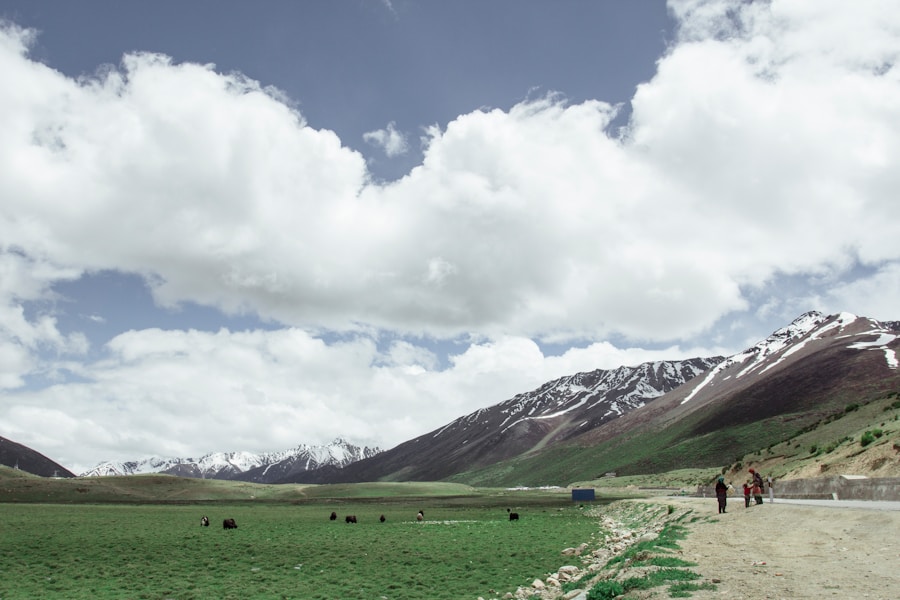
One of the most endearing qualities of “A Short Walk in the Hindu Kush” is Newby’s use of humor to navigate both his experiences and challenges. His witty observations provide levity amidst moments of tension or discomfort, allowing readers to share in his laughter even when faced with adversity. For instance, his self-deprecating humor shines through as he recounts misadventures or mishaps during their trek, making him relatable as an adventurer who is not immune to blunders.
Newby’s interactions with local people often serve as sources of comedic relief as well. His attempts to communicate despite language barriers lead to amusing misunderstandings that highlight cultural differences in a lighthearted manner. These moments not only entertain but also foster a sense of connection between Newby and his surroundings.
By infusing humor into his narrative, he transforms potential frustrations into opportunities for camaraderie and shared laughter.
Impact and Legacy of the Book
“A Short Walk in the Hindu Kush” has left an indelible mark on travel literature, influencing generations of adventurers and writers alike. Its blend of humor, cultural insights, and vivid descriptions has set a standard for travel narratives that seek to capture not just landscapes but also human experiences within them. Newby’s ability to convey both the beauty and challenges of exploration resonates with readers who yearn for adventure while also appreciating the complexities of different cultures.
The book has also contributed to a broader understanding of Afghanistan beyond its political turmoil. By showcasing the country’s natural beauty and rich cultural heritage, Newby invites readers to see Afghanistan through a different lens—one that emphasizes its historical significance and diverse communities. This perspective remains relevant today as discussions about Afghanistan continue to evolve in contemporary discourse.
Conclusion and Reflections
Reflecting on “A Short Walk in the Hindu Kush,” it becomes evident that Eric Newby’s journey transcends mere travel; it embodies a quest for understanding and connection with both nature and humanity. His narrative serves as a reminder that exploration is not solely about conquering landscapes but also about embracing vulnerability and learning from diverse cultures. Through humor, vivid descriptions, and candid reflections on challenges faced along the way, Newby crafts a timeless tale that continues to inspire wanderlust in readers around the world.
In an era where travel has become increasingly commercialized, Newby’s work encourages us to seek authentic experiences that foster genuine connections with people and places. His legacy endures as a testament to the transformative power of adventure—a reminder that sometimes, it is not just about reaching a destination but about savoring every step along the journey.
If you enjoyed reading A Short Walk in the Hindu Kush by Eric Newby, you may also be interested in checking out this article on


