
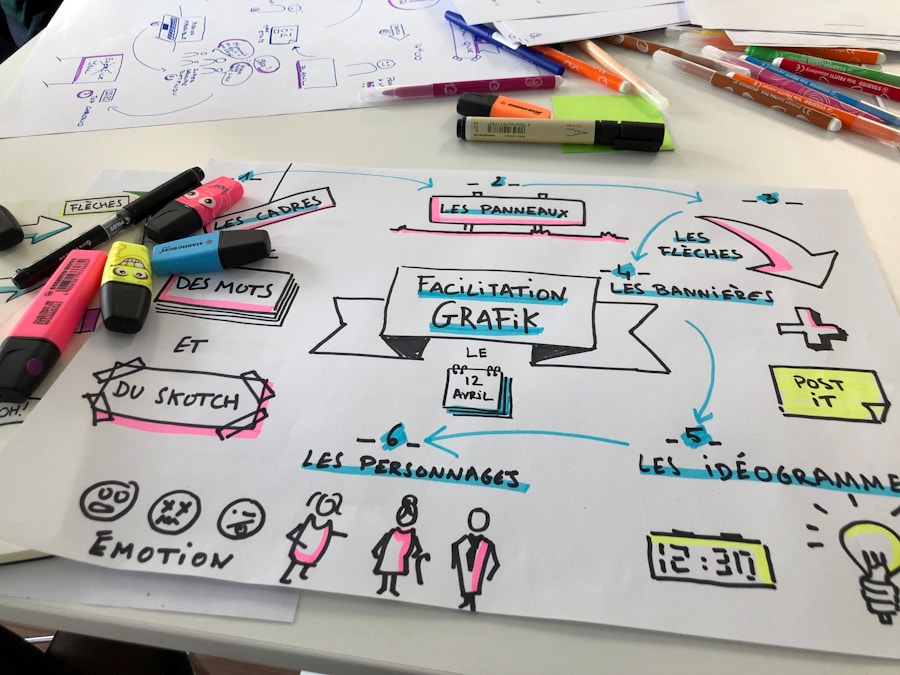
Business model generation is a critical process that organizations undertake to define how they create, deliver, and capture value. In an increasingly competitive landscape, the ability to innovate and adapt one’s business model can be the difference between success and failure. The concept of a business model encompasses various elements, including the target customer segments, value propositions, revenue streams, and cost structures.
As markets evolve and consumer preferences shift, businesses must continuously reassess their models to remain relevant and profitable. The rise of digital technology has further accelerated the need for innovative business models. Companies that once thrived on traditional methods are now compelled to rethink their strategies in light of disruptive innovations.
This dynamic environment necessitates a structured approach to business model generation, enabling organizations to systematically explore new opportunities and pivot when necessary.
Key Takeaways
- Business model generation is essential for creating a sustainable and successful business.
- Innovation in business models is crucial for staying competitive and adapting to changing market conditions.
- The business model canvas is a valuable tool for visualizing and analyzing different aspects of a business model.
- Successful business models have key components such as value proposition, customer segments, and revenue streams.
- Case studies of successful business model generation can provide valuable insights and inspiration for entrepreneurs.
The Importance of Business Model Innovation
Business model innovation is not merely an option; it is a necessity for survival in today’s fast-paced economy. Organizations that fail to innovate risk obsolescence as competitors introduce more agile and customer-centric models. For example, companies like Netflix and Airbnb have disrupted entire industries by reimagining traditional business frameworks.
Netflix transitioned from a DVD rental service to a streaming giant by leveraging technology to enhance user experience and accessibility. Similarly, Airbnb transformed the hospitality sector by allowing individuals to rent out their homes, creating a new marketplace that challenged established hotel chains. Moreover, business model innovation can lead to significant competitive advantages.
By identifying unmet customer needs or inefficiencies in existing markets, companies can create unique value propositions that resonate with consumers. This not only helps in attracting new customers but also fosters loyalty among existing ones. For instance, Tesla’s direct-to-consumer sales model bypasses traditional dealerships, allowing for a more personalized buying experience while also maintaining control over pricing and customer relationships.
Such innovations can redefine market dynamics and establish new benchmarks for success.
Understanding the Business Model Canvas

The Business Model Canvas is a strategic management tool that provides a visual framework for developing, describing, and analyzing business models. Created by Alexander Osterwalder, this tool consists of nine building blocks that capture the essential components of a business model. These blocks include customer segments, value propositions, channels, customer relationships, revenue streams, key resources, key activities, key partnerships, and cost structure.
By mapping out these elements on a single canvas, organizations can gain clarity on how they operate and identify areas for improvement. One of the primary advantages of the Business Model Canvas is its simplicity and accessibility. It allows teams to collaborate effectively by providing a common language for discussing business strategies.
For example, during brainstorming sessions, stakeholders can easily visualize how different components interact with one another. This collaborative approach fosters creativity and encourages diverse perspectives, ultimately leading to more robust business model designs. Additionally, the canvas can be used iteratively; businesses can continuously refine their models based on feedback and market changes.
Key Components of a Successful Business Model
A successful business model is built on several key components that work in harmony to create value for both the organization and its customers. At the core of any effective business model is a well-defined value proposition that clearly articulates what makes a product or service unique. This proposition should address specific customer pain points or desires, ensuring that it resonates with the target audience.
For instance, Apple’s value proposition revolves around innovation and design excellence, which has cultivated a loyal customer base willing to pay premium prices for its products. Customer segments are another critical component of a successful business model. Understanding who the customers are and what they need allows businesses to tailor their offerings accordingly.
Companies like Amazon have excelled in this area by employing data analytics to segment their customer base effectively. By analyzing purchasing behavior and preferences, Amazon can provide personalized recommendations that enhance the shopping experience and drive sales. Furthermore, establishing strong customer relationships is vital; businesses must engage with their customers through various channels to build trust and loyalty.
Revenue streams represent how a company generates income from its customers. This could involve direct sales, subscription fees, licensing agreements, or advertising revenue. A diverse revenue model can mitigate risks associated with market fluctuations.
For example, Adobe transitioned from selling perpetual software licenses to a subscription-based model with Adobe Creative Cloud. This shift not only stabilized revenue but also allowed for continuous updates and improvements to its software offerings.
Case Studies of Successful Business Model Generation
Examining real-world examples of successful business model generation provides valuable insights into effective strategies and practices. One notable case is that of Spotify, which revolutionized the music industry through its freemium subscription model. By offering free access to its platform with ads while providing an ad-free experience through paid subscriptions, Spotify attracted millions of users quickly.
Another compelling case is that of Warby Parker, an eyewear company that disrupted the optical retail industry by adopting a direct-to-consumer model. By selling stylish prescription glasses online at affordable prices while also offering a home try-on program, Warby Parker eliminated the need for expensive retail markups.
This innovative approach not only appealed to cost-conscious consumers but also positioned the brand as socially responsible; for every pair sold, they donate a pair to someone in need through their “Buy a Pair, Give a Pair” program. Warby Parker’s success illustrates how aligning social impact with business objectives can resonate deeply with customers.
Tools and Techniques for Business Model Generation
Aligning Products with Customer Needs
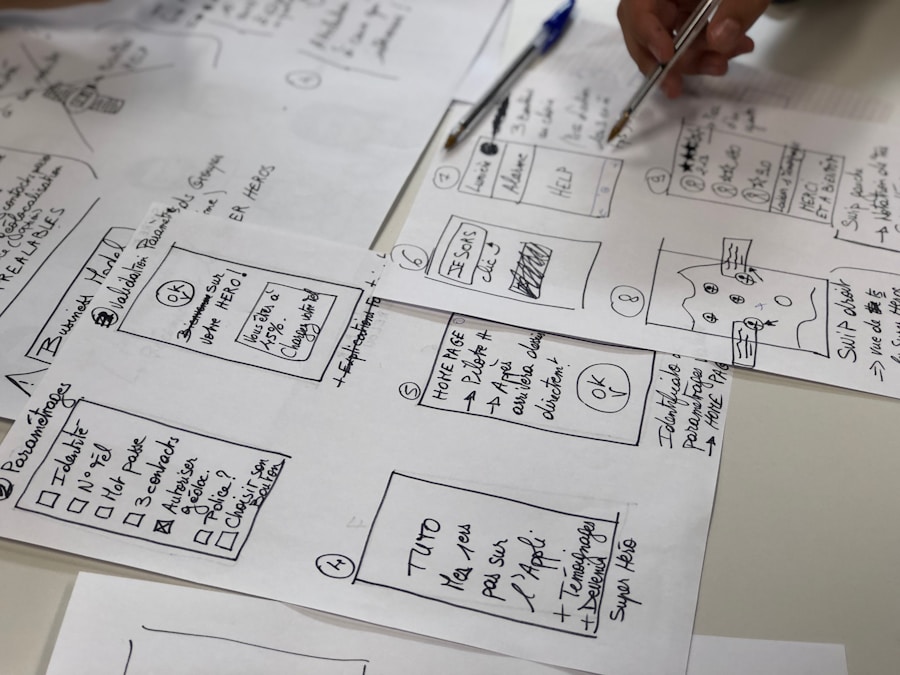
The Value Proposition Canvas is a valuable tool that helps businesses align their products or services with customer needs more precisely. This canvas focuses on two main components: customer jobs (what customers are trying to achieve) and value propositions (how products or services help fulfill those jobs). By using this tool, businesses can ensure that their offerings are genuinely addressing customer pain points.
Preparing for the Future
Scenario planning is another technique that involves envisioning different future scenarios based on varying assumptions about market conditions or consumer behavior. This method allows organizations to explore potential risks and opportunities associated with their business models under different circumstances. For instance, a company might consider how changes in regulations or technological advancements could impact its operations. By preparing for multiple scenarios, businesses can develop more resilient models that can adapt to unforeseen challenges.
Human-Centered Approach to Innovation
Design thinking is also an invaluable approach in business model generation. This human-centered approach emphasizes empathy with customers and iterative prototyping to develop innovative solutions. By engaging directly with customers through interviews or observation, organizations can gain deeper insights into their needs and preferences. This understanding can then inform the development of new business models that are more aligned with market demands.
Implementing and Testing Business Models
Once a new business model has been developed, the next step is implementation and testing. This phase involves translating theoretical concepts into practical applications within the organization. It requires careful planning and coordination across various departments to ensure alignment with overall business objectives.
For instance, if a company decides to pivot towards a subscription-based model, it must consider changes in marketing strategies, customer support systems, and operational processes. Testing the viability of a new business model is crucial before full-scale implementation. Organizations often employ techniques such as pilot programs or minimum viable products (MVPs) to gather feedback from early adopters.
For example, when launching a new service or product line, companies might offer it to a select group of customers initially to gauge interest and collect insights on user experience. This iterative testing process allows businesses to refine their models based on real-world data before committing significant resources. Additionally, metrics play an essential role in evaluating the success of a new business model.
Key performance indicators (KPIs) should be established early on to measure progress against defined objectives. These metrics could include customer acquisition costs, churn rates, or average revenue per user—each providing valuable insights into how well the new model is performing in practice.
Conclusion and Next Steps for Business Model Generation
As organizations navigate an ever-changing landscape marked by technological advancements and shifting consumer preferences, the importance of effective business model generation cannot be overstated. The ability to innovate continuously and adapt one’s business model is essential for long-term success in today’s competitive environment. Companies must embrace tools like the Business Model Canvas while also exploring complementary techniques such as design thinking and scenario planning.
Moving forward, businesses should prioritize fostering a culture of innovation within their teams. Encouraging collaboration across departments can lead to more creative solutions and holistic approaches to problem-solving. Additionally, organizations should remain vigilant about market trends and consumer feedback; staying attuned to these dynamics will enable them to pivot quickly when necessary.
Ultimately, successful business model generation requires a commitment to experimentation and learning from both successes and failures. By adopting an agile mindset and leveraging data-driven insights, organizations can position themselves for sustained growth in an increasingly complex marketplace.
If you are interested in learning more about business models and innovation, you may want to check out an article on hellread.com titled “Hello World.” This article discusses the importance of staying ahead of the curve in the ever-changing business landscape and offers insights on how to adapt and thrive in the face of disruption. It complements the concepts presented in “Business Model Generation” by Alexander Osterwalder and Yves Pigneur by providing real-world examples and practical strategies for success.
FAQs
What is Business Model Generation?
Business Model Generation is a book written by Alexander Osterwalder and Yves Pigneur that provides a practical guide to creating and innovating business models. It introduces the Business Model Canvas, a strategic management tool for developing new or documenting existing business models.
What is the Business Model Canvas?
The Business Model Canvas is a visual chart with elements describing a firm’s or product’s value proposition, infrastructure, customers, and finances. It is a strategic management template for developing new or documenting existing business models.
Who are the authors of Business Model Generation?
The authors of Business Model Generation are Alexander Osterwalder and Yves Pigneur. They are known for their work in the field of business model innovation and have also co-authored other books and articles on the topic.
What are some key concepts discussed in Business Model Generation?
Some key concepts discussed in Business Model Generation include value proposition, customer segments, channels, customer relationships, revenue streams, key resources, key activities, key partnerships, and cost structure. The book also emphasizes the importance of understanding and innovating business models to achieve success in today’s competitive business environment.
How can Business Model Generation be applied in real-world business scenarios?
Business Model Generation can be applied in real-world business scenarios by using the Business Model Canvas to analyze and develop business models. It can help entrepreneurs, startups, and established companies to better understand their business and innovate new ways to create and deliver value to customers.




