

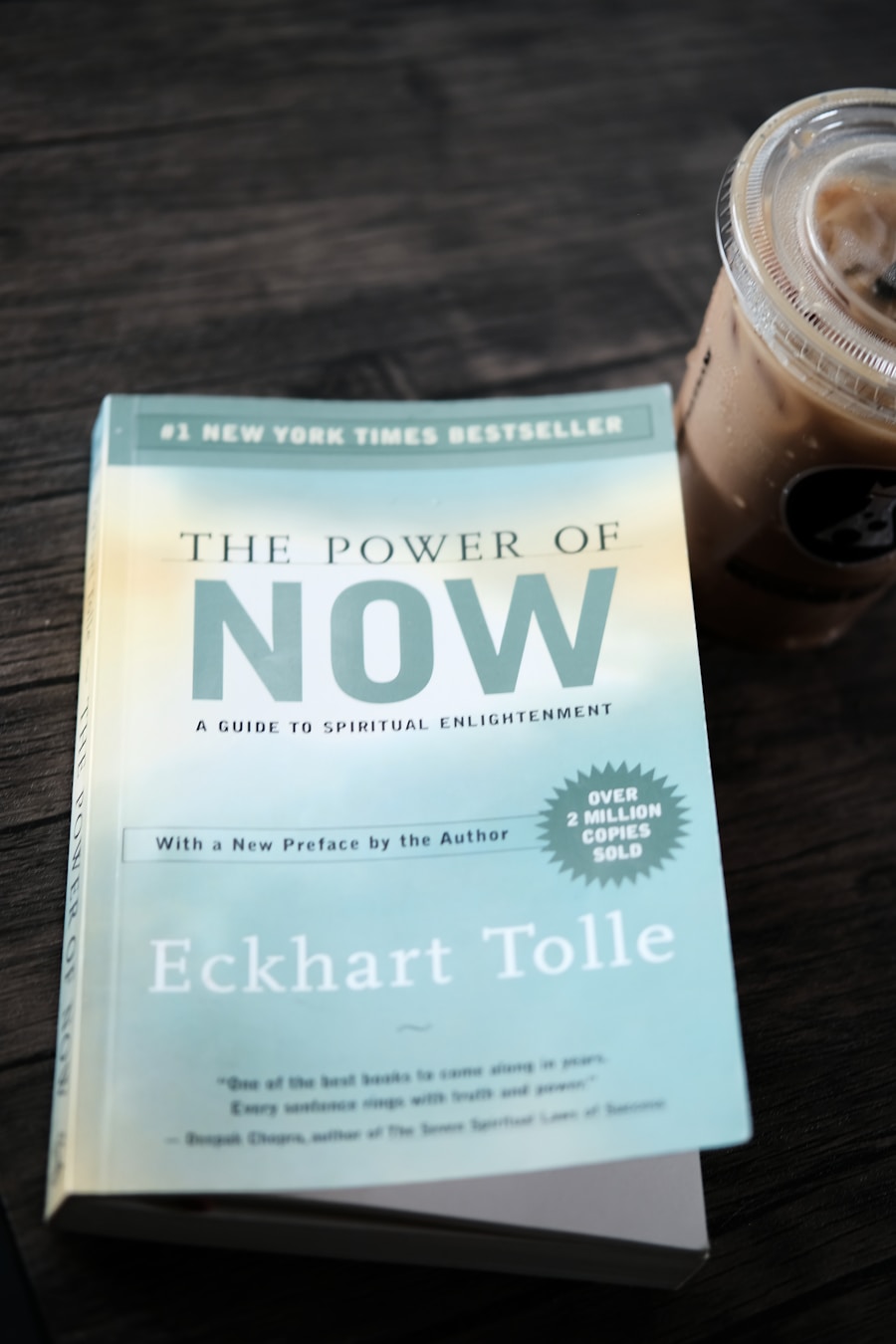
“The Power of Now,” authored by Eckhart Tolle, has emerged as a transformative guide for countless individuals seeking to navigate the complexities of modern life. First published in 1997, this seminal work delves into the profound significance of living in the present moment, urging readers to transcend the incessant chatter of the mind that often distracts from the richness of life. Tolle’s insights resonate deeply in a world characterized by constant distractions, where the past and future frequently overshadow the present.
The book serves not only as a philosophical treatise but also as a practical manual for achieving a state of mindfulness and awareness. Tolle’s teachings are rooted in the idea that true peace and happiness can only be found in the present. He emphasizes that many individuals are trapped in a cycle of regret over past actions or anxiety about future events, which prevents them from fully experiencing life as it unfolds.
By encouraging readers to embrace the now, Tolle offers a pathway to liberation from mental suffering and emotional turmoil. This article will explore the essence of living in the present moment, the obstacles that often hinder this practice, and the profound impact it can have on mental health and spirituality.
Key Takeaways
- The Power of Now is a spiritual guidebook by Eckhart Tolle that emphasizes the importance of living in the present moment.
- Living in the present moment means being fully engaged in what is happening right now, rather than dwelling on the past or worrying about the future.
- Overcoming the obstacles of the mind, such as negative thought patterns and excessive worrying, is essential for embracing the power of now.
- Applying the teachings of The Power of Now in daily life involves practicing mindfulness, being aware of your thoughts and emotions, and learning to let go of unnecessary mental baggage.
- Living in the present moment can have a positive impact on mental health by reducing stress, anxiety, and depression, and promoting a sense of inner peace and contentment.
Understanding the concept of living in the present moment
The Power of the Present
According to Eckhart Tolle, the present moment is all we truly possess, as the past is merely a collection of memories and the future remains uncertain. This understanding encourages individuals to cultivate awareness of their thoughts, feelings, and surroundings without judgment or attachment.
Experiencing Life with Clarity and Appreciation
By anchoring oneself in the present, one can experience life with heightened clarity and appreciation. The practice of being present involves recognizing and accepting one’s current circumstances without resistance. This acceptance does not imply passivity; rather, it encourages active engagement with life.
Deepening Connections and Well-being
For instance, when savoring a meal, being present means fully experiencing the flavors, textures, and aromas rather than allowing one’s mind to wander to past regrets or future obligations. This level of engagement fosters a deeper connection to oneself and the world, enhancing overall well-being and satisfaction.
How to overcome the obstacles of the mind
Despite the allure of living in the present moment, many individuals encounter significant obstacles rooted in their own minds. The incessant stream of thoughts, worries, and judgments can create a barrier to experiencing life fully. Tolle identifies these mental patterns as manifestations of the ego, which thrives on identification with past experiences and future aspirations.
Overcoming these obstacles requires conscious effort and practice. One effective strategy for overcoming mental distractions is through mindfulness meditation. This practice encourages individuals to observe their thoughts without attachment or judgment, allowing them to recognize that thoughts are not necessarily reflective of reality.
By cultivating this awareness, one can begin to detach from the ego’s narratives and return to a state of presence. For example, during meditation, if thoughts about work or personal issues arise, practitioners are encouraged to acknowledge these thoughts and gently redirect their focus back to their breath or bodily sensations. This process not only enhances mindfulness but also strengthens one’s ability to remain present in daily life.
Another obstacle is the tendency to dwell on negative emotions or experiences. Tolle emphasizes that emotions are often tied to past events or future anxieties, leading individuals to relive pain or fear rather than embracing the current moment. To counteract this tendency, individuals can practice emotional awareness by acknowledging their feelings without judgment.
For instance, if one feels anxious about an upcoming event, instead of suppressing that anxiety, they can recognize it as a temporary state that does not define their entire experience. This acknowledgment allows for a more profound acceptance of the present moment.
Applying the teachings of The Power of Now in daily life
Integrating the teachings of “The Power of Now” into daily life requires intentionality and practice. One practical approach is to incorporate moments of mindfulness throughout the day. This can be as simple as taking a few deep breaths before starting a task or consciously engaging with one’s surroundings during routine activities.
For example, while walking, one can focus on the sensation of their feet touching the ground or the sounds of nature around them. These small practices can gradually shift one’s awareness from a distracted state to one rooted in presence. Another way to apply Tolle’s teachings is through conscious communication.
Often, conversations can become automatic exchanges where individuals are preoccupied with their responses rather than truly listening. By practicing active listening—fully engaging with what others are saying without formulating a response in advance—individuals can foster deeper connections and enhance their presence in social interactions. This not only enriches relationships but also cultivates a sense of community and belonging.
Additionally, setting aside dedicated time for reflection can be beneficial. Journaling about one’s experiences and feelings can help clarify thoughts and emotions while reinforcing the importance of living in the now. Writing about daily moments of gratitude or instances where one felt fully present can serve as reminders of the beauty found in everyday life.
The impact of living in the present moment on mental health
The benefits of living in the present moment extend far beyond philosophical musings; they have tangible effects on mental health and well-being. Research has shown that mindfulness practices can significantly reduce symptoms of anxiety and depression. By focusing on the present rather than ruminating on past traumas or worrying about future uncertainties, individuals can cultivate a sense of calm and stability.
For instance, studies have demonstrated that mindfulness-based interventions can lead to decreased levels of cortisol, a hormone associated with stress. Participants who engage in regular mindfulness practices report feeling more grounded and less reactive to stressors in their lives.
Moreover, living in the present moment fosters emotional regulation. When individuals learn to observe their thoughts and feelings without judgment, they become less likely to be overwhelmed by negative emotions. This emotional resilience enables them to navigate life’s ups and downs with greater ease.
For example, someone who practices mindfulness may find it easier to cope with setbacks at work or personal challenges because they are less likely to spiral into negative thinking patterns.
The connection between The Power of Now and spirituality
The Unity of All Living Beings
This connection fosters a sense of unity with all living beings and encourages compassion and empathy. By recognizing our shared existence, we can cultivate a deeper understanding of ourselves and the world around us.
Eastern philosophies, such as Buddhism, emphasize mindfulness as a means to achieve enlightenment or self-realization. Similarly, Sufism, a mystical branch of Islam, encourages followers to seek divine presence through awareness and surrendering to the moment.
A Profound Spiritual Awakening
Tolle’s teachings resonate with these spiritual traditions by emphasizing that enlightenment is not a distant goal but rather an attainable state available in every moment. By recognizing that one’s true essence exists beyond thoughts and emotions, individuals can experience profound spiritual awakening, leading to a deep sense of peace and fulfillment that transcends external circumstances.
Tips for practicing mindfulness and presence
Practicing mindfulness and presence requires commitment but can be cultivated through various techniques that enhance awareness and engagement with life. One effective method is establishing a daily mindfulness routine that includes meditation or breathwork. Setting aside even just ten minutes each day for focused breathing or guided meditation can significantly enhance one’s ability to remain present throughout daily activities.
Incorporating mindful movement practices such as yoga or tai chi can also be beneficial. These disciplines emphasize body awareness and encourage practitioners to connect with their physical sensations while fostering mental clarity. Engaging in such activities allows individuals to experience their bodies fully while cultivating a sense of calmness.
Another practical tip is to create mindful moments during everyday tasks. Whether washing dishes or commuting, individuals can focus on sensory experiences—such as the warmth of water or the rhythm of their breath—rather than allowing their minds to drift into distractions. This practice transforms mundane activities into opportunities for presence.
Additionally, utilizing technology mindfully can enhance one’s ability to stay present. Setting boundaries around screen time—such as designating tech-free zones or times—can help reduce distractions that pull attention away from the now. Engaging with technology intentionally allows individuals to reclaim moments that might otherwise be lost in mindless scrolling.
Embracing the power of now for a fulfilling life
Embracing “The Power of Now” offers individuals an opportunity for profound transformation in how they experience life. By cultivating presence through mindfulness practices, individuals can break free from the constraints imposed by their minds and reconnect with their true selves. The journey toward living fully in each moment may require effort and patience; however, it ultimately leads to greater fulfillment and joy.
As individuals learn to navigate life’s challenges with increased awareness, they discover that happiness is not contingent upon external circumstances but rather arises from within when one is fully engaged with the present moment. The teachings found within Tolle’s work serve as a guiding light for those seeking deeper meaning and connection in their lives. Incorporating these principles into daily routines fosters resilience against stressors while enhancing emotional well-being.
Ultimately, embracing “The Power of Now” empowers individuals to live authentically, fostering richer relationships with themselves and others while cultivating a profound sense of peace amidst life’s inevitable uncertainties.
If you are interested in exploring more about mindfulness and living in the present moment, you may want to check out this article on hellread.com. This website offers a variety of insightful articles on personal growth and self-improvement, including a recent piece titled “Hello World” which delves into the importance of embracing the present moment and letting go of past regrets. It complements the teachings of Eckhart Tolle in his book “The Power of Now” by providing additional perspectives on how to cultivate mindfulness in everyday life.
FAQs
What is “The Power of Now” by Eckhart Tolle about?
“The Power of Now” is a spiritual guidebook that emphasizes the importance of living in the present moment and letting go of negative thought patterns. It encourages readers to focus on the present rather than dwelling on the past or worrying about the future.
Who is Eckhart Tolle?
Eckhart Tolle is a spiritual teacher and author who is best known for his books “The Power of Now” and “A New Earth.” He was born in Germany and now lives in Canada. Tolle’s teachings are influenced by a variety of spiritual traditions, including Buddhism and Christianity.
What are some key concepts discussed in “The Power of Now”?
Some key concepts in “The Power of Now” include the idea of the “pain-body,” which refers to the accumulation of emotional pain and negative thought patterns, and the importance of mindfulness and presence in everyday life. Tolle also discusses the concept of ego and its role in causing suffering.
How has “The Power of Now” been received?
“The Power of Now” has been widely praised for its practical and accessible approach to spiritual teachings. It has been translated into numerous languages and has sold millions of copies worldwide. Many readers have reported that the book has had a profound impact on their lives.
What are some practical tips for applying the teachings of “The Power of Now” in everyday life?
Some practical tips for applying the teachings of “The Power of Now” include practicing mindfulness through activities such as meditation and deep breathing, learning to observe and detach from negative thought patterns, and cultivating a sense of gratitude for the present moment. Tolle also emphasizes the importance of self-compassion and self-acceptance.




