
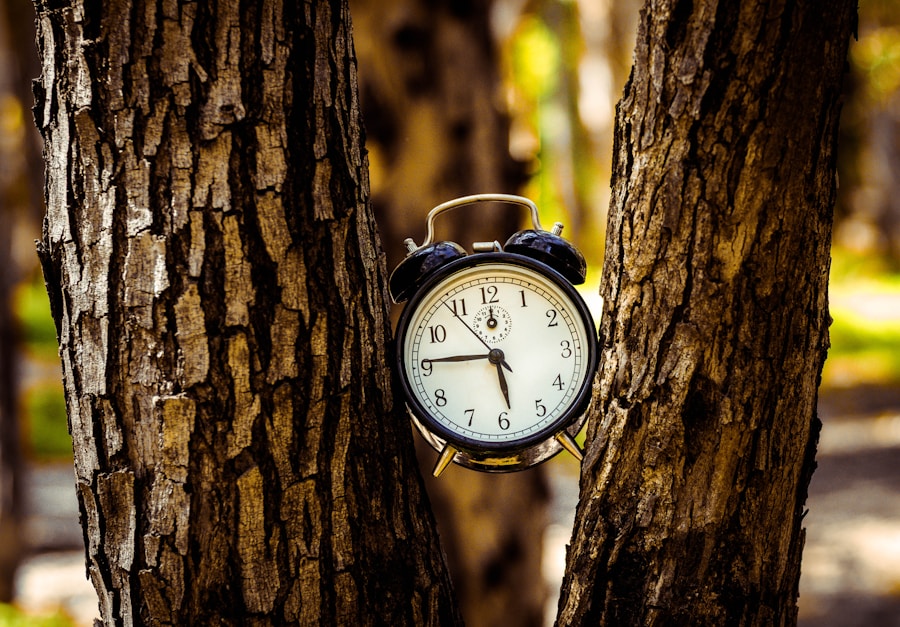
In a world that often feels like it is racing forward at breakneck speed, the concept of “stopping time” emerges as a profound and transformative practice. The art of stopping time is not about literally halting the clock; rather, it involves cultivating a deeper awareness of the present moment, allowing individuals to experience life more fully and meaningfully. This practice invites us to step back from the relentless pace of modern existence, encouraging a shift in perspective that can lead to greater fulfillment and joy.
By learning to appreciate the nuances of each moment, we can reclaim our sense of agency and presence in a world that often feels overwhelming. The journey into the art of stopping time begins with an understanding of how our perception of time influences our daily experiences. Time, as we commonly perceive it, is linear and relentless, marked by deadlines, schedules, and an ever-growing list of responsibilities.
However, when we learn to engage with time differently—through mindfulness, meditation, and intentional living—we can create pockets of stillness that allow us to savor life’s fleeting moments. This exploration not only enhances our well-being but also fosters a deeper connection to ourselves and the world around us.
Key Takeaways
- The Art of Stopping Time is about embracing mindfulness and presence in our daily lives.
- Understanding the concept of time helps us appreciate the present moment and make the most of it.
- Techniques such as meditation and mindfulness can help slow down time and bring a sense of calm and clarity.
- Incorporating nature and movement into our daily routines can help us feel more connected and present in the moment.
- Balancing technology and time management is essential for creating a healthy relationship with time and staying present in the moment.
Understanding the Concept of Time
To grasp the art of stopping time, one must first delve into the multifaceted nature of time itself. Philosophically, time has been a subject of contemplation for centuries, with thinkers like Aristotle and Kant offering varying interpretations of its essence. While Aristotle viewed time as a measure of change, Kant proposed that time is a framework through which we perceive events.
In contemporary discussions, time is often seen as both a psychological construct and a physical reality, shaped by cultural norms and individual experiences. This duality highlights that our relationship with time is not merely about hours and minutes but is deeply intertwined with our consciousness and emotional states. Psychologically, our perception of time can stretch or contract based on our experiences.
For instance, moments filled with joy or excitement may seem to fly by, while periods of boredom or discomfort can feel interminable.
By recognizing this fluidity, we can begin to manipulate our perception of time through intentional practices that foster presence and mindfulness.
Understanding this concept lays the groundwork for exploring techniques that can help us slow down and appreciate the richness of each moment.
Techniques for Mindfulness and Presence

Mindfulness is a cornerstone of the art of stopping time, offering practical techniques that enable individuals to anchor themselves in the present. One effective method is the practice of mindful breathing. By focusing on the rhythm of one’s breath—observing each inhalation and exhalation—individuals can cultivate a sense of calm and clarity.
This simple yet powerful technique serves as a reminder to return to the present moment whenever distractions arise. Engaging in mindful breathing for just a few minutes can create a profound shift in awareness, allowing one to step away from the chaos of thoughts and external pressures. Another technique involves sensory awareness exercises, which encourage individuals to engage fully with their surroundings.
This could include taking a walk and consciously noticing the colors, sounds, and textures present in the environment. By immersing oneself in sensory experiences, individuals can break free from the autopilot mode that often characterizes daily life. For example, during a meal, one might focus on the flavors and aromas of the food rather than mindlessly consuming it while distracted by screens or conversations.
Such practices not only enhance appreciation for everyday experiences but also foster a deeper connection to the present moment.
The Role of Meditation in Slowing Down Time
Meditation serves as a powerful tool in the quest to slow down time and cultivate presence. Through various forms of meditation—such as mindfulness meditation, loving-kindness meditation, or transcendental meditation—individuals can train their minds to focus on the present moment without judgment. This practice encourages a state of awareness that transcends the usual constraints of time, allowing practitioners to experience moments more vividly and deeply.
Research has shown that regular meditation can lead to changes in brain structure associated with improved emotional regulation and increased feelings of well-being. One particularly effective form of meditation for slowing down time is body scan meditation.
This heightened awareness fosters a sense of connection between mind and body, creating an opportunity to experience each moment fully. As practitioners engage in this process, they often report feeling as though time has expanded, allowing them to savor their experiences rather than rush through them. By incorporating meditation into daily routines, individuals can cultivate a lasting sense of presence that permeates all aspects of their lives.
Incorporating Nature and Movement in Time Stopping Practices
Nature has an innate ability to ground us in the present moment, making it an essential component of the art of stopping time. Engaging with natural environments—whether through hiking in the mountains, walking along a beach, or simply sitting in a park—can evoke feelings of tranquility and connection. The sights and sounds of nature serve as reminders of life’s rhythms, encouraging individuals to slow down and appreciate the beauty around them.
Research has shown that spending time in nature can reduce stress levels and enhance overall well-being, further reinforcing its role in mindfulness practices. Movement also plays a crucial role in cultivating presence and slowing down time. Practices such as yoga or tai chi combine physical movement with mindful awareness, creating a harmonious flow that encourages individuals to connect with their bodies and breath.
These practices emphasize intentionality in movement, allowing participants to experience each motion fully rather than rushing through routines. For instance, during a yoga session, practitioners are encouraged to focus on their alignment and breath as they transition between poses, fostering a sense of presence that transcends the constraints of time. By integrating nature and movement into mindfulness practices, individuals can create rich experiences that deepen their connection to both themselves and their surroundings.
Balancing Technology and Time Management

In an age dominated by technology, finding balance becomes essential in mastering the art of stopping time. While technology offers numerous conveniences and opportunities for connection, it can also contribute to feelings of overwhelm and distraction. The constant barrage of notifications and information can fragment our attention, making it challenging to remain present in our daily lives.
To counteract this effect, individuals must develop intentional strategies for managing their relationship with technology. One effective approach is setting boundaries around technology use. This could involve designating specific times for checking emails or social media rather than allowing these activities to intrude upon moments meant for mindfulness or connection with others.
Additionally, utilizing apps designed to promote mindfulness can help individuals cultivate awareness while navigating their digital lives. For example, apps that encourage focused work sessions followed by breaks can enhance productivity while fostering moments of presence throughout the day. By consciously managing technology use, individuals can create space for mindfulness practices that enrich their experiences.
Cultivating Gratitude and Appreciation for the Present Moment
Gratitude serves as a powerful catalyst for enhancing our experience of time and fostering presence in our lives. When we cultivate gratitude for the small moments—the warmth of sunlight on our skin, the laughter shared with friends, or even the simple act of enjoying a cup of tea—we shift our focus from what is lacking to what is abundant in our lives. This shift in perspective allows us to savor each moment more fully, creating an expansive sense of time that enriches our daily experiences.
Practicing gratitude can take many forms; keeping a gratitude journal is one effective method that encourages individuals to reflect on positive experiences regularly. By writing down three things they are grateful for each day, individuals train their minds to notice the beauty in everyday life. This practice not only enhances appreciation for the present moment but also fosters resilience during challenging times by reminding individuals of life’s inherent joys.
As gratitude becomes ingrained in daily routines, individuals often find themselves more attuned to their surroundings and more capable of experiencing life’s richness.
Applying the Art of Stopping Time in Daily Life
Integrating the art of stopping time into daily life requires intentionality and practice but can yield profound benefits for overall well-being. One practical approach is to create rituals that encourage mindfulness throughout the day. For instance, starting each morning with a few moments of quiet reflection or meditation sets a positive tone for the day ahead.
Similarly, incorporating mindful pauses during transitions—such as before meals or after work—can help individuals reconnect with themselves and their surroundings. Additionally, embracing spontaneity can enhance one’s ability to stop time in daily life. Allowing space for unplanned moments—whether it’s taking an impromptu walk or engaging in a creative activity—can break up routine patterns and invite new experiences into one’s life.
These moments often become cherished memories that enrich our understanding of time as something fluid rather than rigidly structured. By weaving together mindfulness practices with spontaneous experiences, individuals can cultivate a deeper appreciation for each moment they encounter. In conclusion, mastering the art of stopping time involves embracing mindfulness practices that foster presence while navigating the complexities of modern life.
Through techniques such as mindful breathing, meditation, engagement with nature, and gratitude cultivation, individuals can reclaim their relationship with time and experience life more fully. As we learn to appreciate each moment’s richness amidst life’s demands, we unlock new dimensions of joy and fulfillment that transcend the ordinary flow of time.
In a related article on hellread.com, the concept of time management and mindfulness is further explored in a piece titled “Hello World.” This article delves into the importance of being present in the moment and making the most of our time, echoing the themes discussed in Pedram Shojai’s book, The Art of Stopping Time. Both works emphasize the value of slowing down, being mindful, and finding balance in our fast-paced world.
FAQs
What is “The Art of Stopping Time” by Pedram Shojai about?
“The Art of Stopping Time” is a book by Pedram Shojai that explores the concept of time management and offers practical strategies for slowing down and making the most of our time.
Who is Pedram Shojai?
Pedram Shojai is an author, filmmaker, and founder of Well.org. He is known for his work in the field of health and wellness, and has written several books on topics related to personal development and holistic living.
What are some of the key concepts discussed in “The Art of Stopping Time”?
Some of the key concepts discussed in “The Art of Stopping Time” include the importance of mindfulness, the impact of technology on our perception of time, and practical strategies for managing time more effectively.
What are some practical tips for slowing down and making the most of our time?
Some practical tips for slowing down and making the most of our time, as discussed in “The Art of Stopping Time,” include practicing mindfulness, setting boundaries with technology, and prioritizing activities that bring joy and fulfillment.
How can “The Art of Stopping Time” benefit readers?
“The Art of Stopping Time” can benefit readers by providing them with practical strategies for managing their time more effectively, reducing stress, and finding greater fulfillment in their daily lives.




