
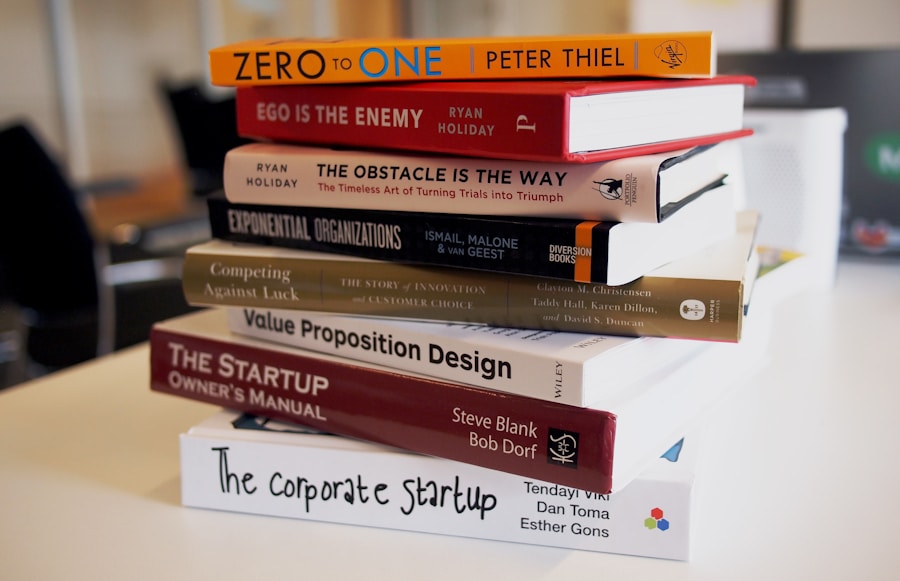
“The $100 Startup,” authored by Chris Guillebeau, presents a compelling narrative that challenges conventional wisdom about entrepreneurship. The book is a treasure trove of insights for aspiring business owners who believe that starting a venture requires substantial capital. Guillebeau’s premise is simple yet powerful: it is entirely possible to launch a successful business with minimal financial investment.
Through a combination of real-life stories, practical advice, and actionable strategies, the author illustrates how individuals can transform their skills and passions into profitable microbusinesses. Guillebeau’s exploration of entrepreneurship is not merely theoretical; it is grounded in the experiences of over 1,500 individuals who have successfully built businesses with an initial investment of $100 or less. These case studies serve as both inspiration and a roadmap for those who may feel daunted by the prospect of starting a business.
The book emphasizes that the barriers to entry in the world of entrepreneurship are lower than ever, thanks to advancements in technology and the rise of the gig economy. By focusing on the intersection of passion, skills, and market demand, Guillebeau encourages readers to rethink their approach to business creation.
Key Takeaways
- The 0 Startup offers practical advice for aspiring entrepreneurs looking to start a business with minimal investment.
- Microbusinesses are small-scale ventures that can be started with little capital and have the potential for significant growth.
- Case studies of successful microbusinesses demonstrate that with creativity and determination, it is possible to achieve success with limited resources.
- Strategies for starting a business with 0 include leveraging existing skills, finding a niche market, and utilizing low-cost marketing tactics.
- Passion and purpose are essential for sustaining motivation and overcoming challenges in the journey of building a microbusiness.
The Concept of Microbusinesses
Microbusinesses are defined as small-scale enterprises that typically operate with limited resources and a lean operational structure. These businesses often have fewer than ten employees and are characterized by their agility and adaptability. The concept of microbusinesses has gained traction in recent years, particularly as more individuals seek to escape the traditional 9-to-5 work model in favor of self-employment.
This shift has been fueled by technological advancements that enable entrepreneurs to reach customers globally without the need for a physical storefront. One of the defining features of microbusinesses is their ability to cater to niche markets. Entrepreneurs can leverage their unique skills or hobbies to create products or services that resonate with specific audiences.
The low overhead costs associated with microbusinesses allow entrepreneurs to experiment with different offerings and pivot quickly based on customer feedback. This flexibility is a significant advantage in today’s fast-paced market, where consumer preferences can shift rapidly.
Case Studies of Successful Microbusinesses

The pages of “The $100 Startup” are filled with inspiring case studies that highlight the diverse range of microbusinesses that have flourished with minimal investment. One notable example is that of a woman named Michelle, who turned her passion for crafting into a thriving online store. With just $100, she purchased materials to create handmade jewelry and set up an Etsy shop.
Through social media marketing and word-of-mouth referrals, Michelle was able to grow her customer base significantly, eventually transitioning from a side hustle to a full-time business. Another compelling case study features a man named Brian, who capitalized on his expertise in fitness training. With an initial investment in basic equipment and marketing materials, he began offering personal training sessions in local parks.
By leveraging his existing network and utilizing social media platforms to showcase client success stories, Brian quickly built a loyal clientele. His story exemplifies how microbusinesses can thrive by tapping into personal networks and utilizing low-cost marketing strategies. These case studies illustrate that success in microbusinesses often hinges on identifying a unique value proposition and effectively communicating it to potential customers.
Entrepreneurs who can articulate their passion and expertise are more likely to attract clients who resonate with their vision. Furthermore, these stories serve as a reminder that entrepreneurship is not solely about financial gain; it is also about creating meaningful connections and contributing positively to the community.
Strategies for Starting a Business with $100
Starting a business with just $100 may seem daunting, but Guillebeau outlines several practical strategies that can help aspiring entrepreneurs make the most of their limited resources. One key approach is to leverage existing skills or hobbies as the foundation for the business. By focusing on what one already knows and loves, entrepreneurs can minimize the learning curve and reduce initial costs associated with acquiring new skills or knowledge.
Another effective strategy is to utilize free or low-cost online tools for marketing and operations. Social media platforms like Instagram and Facebook provide powerful avenues for reaching potential customers without significant financial investment. Entrepreneurs can create engaging content that showcases their products or services while building an online community around their brand.
Additionally, utilizing platforms like WordPress or Shopify allows for the creation of professional-looking websites at minimal cost, enabling entrepreneurs to establish an online presence quickly. Networking also plays a crucial role in launching a microbusiness on a budget. Engaging with local business communities or online forums can provide valuable insights and support from fellow entrepreneurs.
For instance, a photographer might partner with a local event planner to offer package deals, thereby expanding their reach without incurring additional costs.
The Importance of Passion and Purpose in Business
At the heart of successful microbusinesses lies a deep sense of passion and purpose. Guillebeau emphasizes that entrepreneurs who are driven by their interests and values are more likely to persevere through challenges and setbacks. When individuals align their business endeavors with their passions, they not only create products or services that resonate with customers but also cultivate a sense of fulfillment in their work.
Passion fuels creativity and innovation, allowing entrepreneurs to differentiate themselves in competitive markets. For example, an artist who is passionate about environmental sustainability may choose to create eco-friendly products that appeal to like-minded consumers. This alignment between personal values and business objectives fosters authenticity, which can be a powerful differentiator in today’s marketplace.
Moreover, having a clear sense of purpose can guide decision-making and strategic planning within the business. Entrepreneurs who understand their “why” are better equipped to navigate challenges and maintain focus on long-term goals. This sense of purpose can also inspire employees or collaborators, creating a shared vision that drives collective success.
Tips for Marketing and Growing a Microbusiness

Effective marketing is essential for the growth of any microbusiness, especially when operating on a limited budget. Guillebeau provides several actionable tips for entrepreneurs looking to enhance their marketing efforts without breaking the bank. One fundamental strategy is to harness the power of storytelling.
By sharing personal anecdotes or the journey behind the business, entrepreneurs can create emotional connections with potential customers. This narrative approach not only humanizes the brand but also fosters loyalty among consumers who resonate with the story. Social media marketing is another critical component of promoting a microbusiness.
Platforms like Instagram, Facebook, and TikTok offer unique opportunities for entrepreneurs to showcase their products visually and engage directly with their audience. Creating high-quality content that highlights product features or customer testimonials can significantly enhance brand visibility. Additionally, utilizing hashtags strategically can help reach broader audiences beyond immediate followers.
Networking remains an invaluable tool for growth as well. Attending local events, trade shows, or workshops allows entrepreneurs to connect with potential customers and collaborators face-to-face. Building relationships within the community can lead to referrals and partnerships that amplify marketing efforts.
Furthermore, seeking out online communities or forums related to the industry can provide support, feedback, and opportunities for collaboration.
Overcoming Challenges and Obstacles in Microbusinesses
While starting a microbusiness can be rewarding, it is not without its challenges. Guillebeau acknowledges that entrepreneurs may face various obstacles along their journey, including financial constraints, competition, and self-doubt. However, he emphasizes that resilience and adaptability are key traits that can help individuals navigate these hurdles successfully.
Financial limitations often pose significant challenges for microbusiness owners. Entrepreneurs must be resourceful in managing cash flow and finding creative solutions to minimize expenses. This might involve negotiating better terms with suppliers or exploring alternative funding options such as crowdfunding or small business grants.
By maintaining a lean operational model and prioritizing essential expenditures, entrepreneurs can sustain their businesses even during tough times. Competition is another reality that microbusinesses must contend with. In crowded markets, standing out requires innovation and differentiation.
Entrepreneurs should continuously seek feedback from customers to refine their offerings and stay attuned to market trends. Embracing change and being willing to pivot when necessary can help businesses remain relevant in an ever-evolving landscape. Self-doubt can also be a formidable obstacle for many aspiring entrepreneurs.
The fear of failure or imposter syndrome may hinder individuals from taking bold steps toward their goals. Guillebeau encourages entrepreneurs to reframe their mindset by viewing challenges as opportunities for growth rather than insurmountable barriers. Surrounding oneself with supportive networks and mentors can provide encouragement during difficult times.
Conclusion and Key Takeaways from The $100 Startup
“The $100 Startup” serves as an empowering guide for individuals seeking to embark on their entrepreneurial journeys without significant financial investment. Through its exploration of microbusinesses, case studies, practical strategies, and insights into passion-driven entrepreneurship, Guillebeau inspires readers to take action and pursue their dreams. Key takeaways from the book include the importance of leveraging existing skills, utilizing low-cost marketing strategies, and cultivating resilience in the face of challenges.
The stories of successful microbusiness owners demonstrate that passion and purpose are integral components of sustainable entrepreneurship. Ultimately, “The $100 Startup” encourages aspiring entrepreneurs to embrace their unique journeys and recognize that success is attainable regardless of initial financial constraints.
If you enjoyed reading The $100 Startup by Chris Guillebeau, you may also be interested in checking out the article Hello World: A Beginner’s Guide to Starting Your Own Business on Hellread.com. This article provides valuable insights and tips for aspiring entrepreneurs looking to launch their own business ventures. It complements the principles and strategies outlined in Guillebeau’s book, offering practical advice for those looking to start a business with limited resources.
FAQs
What is The $100 Startup by Chris Guillebeau?
The $100 Startup is a book written by Chris Guillebeau that offers practical advice for starting a business with minimal investment.
What is the main idea of The $100 Startup?
The main idea of The $100 Startup is that it is possible to start a successful business with very little money and minimal risk.
What are some key takeaways from The $100 Startup?
Some key takeaways from The $100 Startup include the importance of finding a profitable idea, creating a simple business plan, and focusing on providing value to customers.
Who is the target audience for The $100 Startup?
The target audience for The $100 Startup includes aspiring entrepreneurs, small business owners, and anyone interested in starting a business with limited resources.
What are some success stories featured in The $100 Startup?
The $100 Startup features numerous success stories of entrepreneurs who started businesses with minimal investment and achieved significant success.
Where can I purchase The $100 Startup?
The $100 Startup is available for purchase at bookstores, online retailers, and through the author’s website.




