
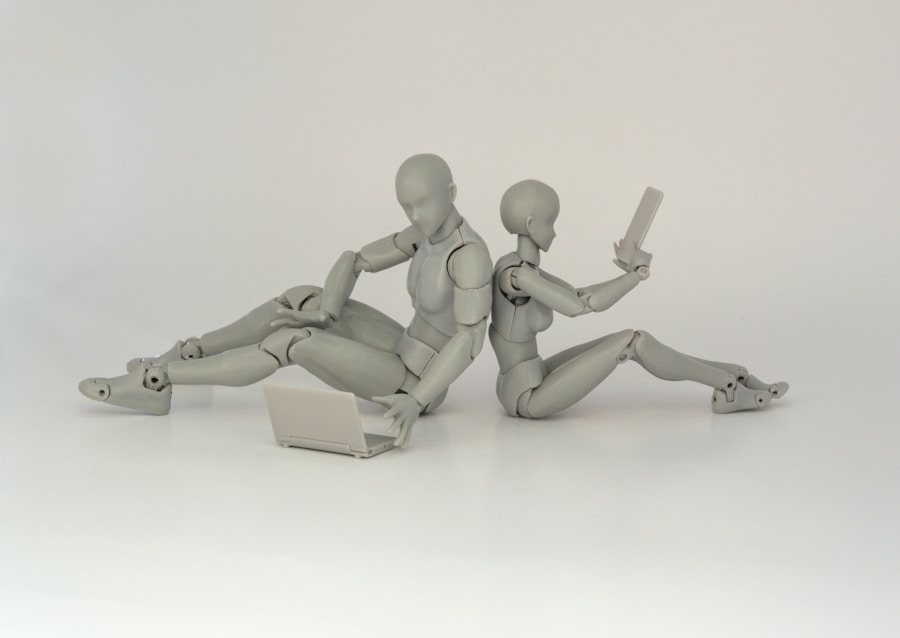
Digital body language refers to the non-verbal cues and signals that individuals convey through their online interactions. This concept extends beyond mere text; it encompasses a wide array of behaviors exhibited in digital communication, including the tone of written messages, the timing of responses, the use of emojis, and even the choice of platforms for communication. Just as physical body language can convey confidence, anxiety, or disinterest in face-to-face interactions, digital body language serves a similar purpose in virtual environments.
It is essential to recognize that these cues can significantly influence how messages are interpreted and understood. In the realm of digital communication, the absence of physical presence can lead to misunderstandings. For instance, a simple message that lacks context may be perceived as curt or dismissive when, in reality, the sender intended it to be straightforward and efficient.
The nuances of digital body language are often shaped by the medium used—whether it’s email, instant messaging, or video conferencing. Each platform has its own set of conventions and expectations that can alter the way messages are received. Understanding these dynamics is crucial for effective communication in an increasingly digital world.
Key Takeaways
- Digital body language refers to the non-verbal cues and signals we send and receive in digital communication, such as email, video calls, and instant messaging.
- Understanding digital body language is crucial for effective communication in virtual environments, as it helps to interpret the emotions, intentions, and attitudes of others.
- Digital body language can significantly impact virtual collaboration by influencing trust, engagement, and the overall success of remote teams.
- Tips for improving digital body language include being mindful of tone and language, using emojis and gifs appropriately, and being responsive and attentive in digital conversations.
- Common mistakes in digital body language include misinterpreting tone, using excessive or inappropriate emojis, and being unresponsive or disengaged in digital communication.
The Importance of Digital Body Language in Communication
The significance of digital body language cannot be overstated, especially in a time when remote work and virtual interactions have become commonplace. Effective communication relies heavily on the ability to convey emotions and intentions clearly, and digital body language plays a pivotal role in this process. For example, a well-timed response in a chat can signal engagement and interest, while a delayed reply might suggest distraction or disinterest.
These subtle cues help to establish rapport and foster connections among individuals who may never meet in person. Moreover, digital body language can enhance clarity in communication. When individuals utilize appropriate emojis or punctuation, they can convey tone and emotion that might otherwise be lost in plain text.
A message that reads “I’m fine” could be interpreted in various ways depending on the context; however, adding a smiley face or an exclamation point can transform it into a more positive affirmation. This ability to infuse messages with emotional context is particularly important in professional settings where misinterpretations can lead to conflicts or misunderstandings.
The Impact of Digital Body Language on Virtual Collaboration

In collaborative environments, digital body language significantly influences team dynamics and productivity. When team members are attuned to each other’s digital cues, they can better navigate discussions and decision-making processes. For instance, during virtual meetings, participants who actively engage through nodding or using reaction features can create a more inclusive atmosphere.
Conversely, a lack of awareness regarding digital body language can hinder collaboration. If one team member consistently fails to respond promptly or engages minimally during discussions, it may lead others to feel undervalued or ignored.
This disconnect can stifle creativity and innovation within teams. Therefore, understanding and adapting one’s digital body language is essential for maintaining a collaborative spirit and ensuring that all voices are heard and respected.
Tips for Improving Your Digital Body Language
Improving one’s digital body language requires intentionality and practice. One effective strategy is to be mindful of response times. Prompt replies can signal enthusiasm and commitment to the conversation, while delayed responses may inadvertently communicate disinterest.
Setting aside dedicated time for checking messages can help individuals maintain timely communication without feeling overwhelmed by constant notifications. Another important aspect is the use of visual elements such as emojis, GIFs, or images. These tools can add emotional depth to messages that might otherwise come across as flat or impersonal.
However, it’s crucial to gauge the appropriateness of these elements based on the context and audience. In professional settings, for example, a well-placed thumbs-up emoji can enhance camaraderie, while excessive use may undermine professionalism. Striking the right balance is key to effectively conveying one’s intentions.
Common Mistakes in Digital Body Language
Despite the growing awareness of digital body language, many individuals still fall into common pitfalls that can undermine their communication efforts. One prevalent mistake is relying solely on text without considering how tone may be perceived.
To mitigate this risk, individuals should strive for clarity by being explicit about their intentions and emotions when crafting messages. Another frequent error is neglecting non-verbal cues during video calls. Participants may become so focused on their own appearance or technical issues that they forget to engage with others visually.
Maintaining eye contact with the camera rather than looking at one’s own image can create a more genuine connection with other participants. Additionally, using gestures or nodding during conversations can reinforce engagement and attentiveness, making interactions feel more personal despite the virtual barrier.
Cultural Considerations in Digital Body Language

Cultural differences play a significant role in how digital body language is interpreted across various contexts. What may be considered an appropriate level of expressiveness in one culture could be viewed as excessive or inappropriate in another. For instance, while some cultures value directness and assertiveness in communication, others may prioritize subtlety and indirectness.
Understanding these cultural nuances is essential for effective cross-cultural communication. Moreover, the use of emojis and other visual elements can vary widely between cultures. In some regions, certain emojis may carry specific connotations that differ from their intended meanings elsewhere.
For example, the thumbs-up gesture is generally seen as positive in many Western cultures but may be considered offensive in parts of the Middle East. Being aware of these cultural differences can help individuals navigate potential misunderstandings and foster more respectful interactions in diverse environments.
Digital Body Language in the Workplace
In the workplace, digital body language has become an integral component of professional interactions. As remote work continues to rise, understanding how to effectively communicate through digital channels is paramount for career success. Employees who are adept at reading and responding to digital cues are often better positioned for collaboration and advancement within their organizations.
For instance, leaders who exhibit strong digital body language—such as providing timely feedback and actively engaging with team members—can cultivate a positive work culture that encourages open communication and innovation. Conversely, leaders who fail to recognize the importance of their digital presence may inadvertently create an environment where employees feel disconnected or undervalued. Therefore, fostering an awareness of digital body language among all employees is essential for building cohesive teams and enhancing overall workplace morale.
The Future of Digital Body Language
As technology continues to evolve, so too will the concept of digital body language. Emerging tools such as artificial intelligence and virtual reality are poised to reshape how we communicate online. For instance, AI-driven platforms may soon analyze users’ communication patterns to provide insights into their digital body language, helping individuals refine their online interactions further.
Additionally, advancements in virtual reality could create immersive environments where non-verbal cues are more easily conveyed through avatars or holograms. This evolution could bridge some gaps inherent in traditional text-based communication by allowing users to express themselves more fully through gestures and facial expressions. As we move forward into an increasingly interconnected world, understanding and adapting our digital body language will remain crucial for effective communication across diverse platforms and cultures.
If you’re interested in exploring more about the impact of technology on communication, you may want to check out the article “Hello World” on Hellread.com. This article delves into how advancements in technology have revolutionized the way we connect with others and navigate the digital landscape. It provides valuable insights into the evolving nature of communication in the digital age, which complements Erica Dhawan’s discussion on Digital Body Language. To read more, visit here.
FAQs
What is digital body language?
Digital body language refers to the way people communicate and express themselves through digital channels such as email, text, social media, and video conferencing. It includes the tone of written communication, response times, use of emojis, and other non-verbal cues in the digital realm.
Why is digital body language important?
Digital body language is important because it affects how we are perceived and how we perceive others in the digital world. Understanding and interpreting digital body language can help improve communication, collaboration, and relationships in virtual environments.
How can one improve their digital body language?
Improving digital body language involves being mindful of how you communicate in digital channels. This includes being clear and concise in written communication, using appropriate tone and language, and being responsive to others. It also involves understanding the digital cues of others and adapting your communication style accordingly.
What are some examples of digital body language cues?
Examples of digital body language cues include the use of emojis and punctuation, response times to messages, the length and tone of written communication, and the use of video and audio in virtual meetings. These cues can convey emotions, attitudes, and intentions in the digital realm.
How does digital body language differ from in-person body language?
Digital body language differs from in-person body language in that it is conveyed through written and digital communication rather than physical gestures and expressions. While in-person body language is immediate and often subconscious, digital body language requires more conscious awareness and interpretation.




