
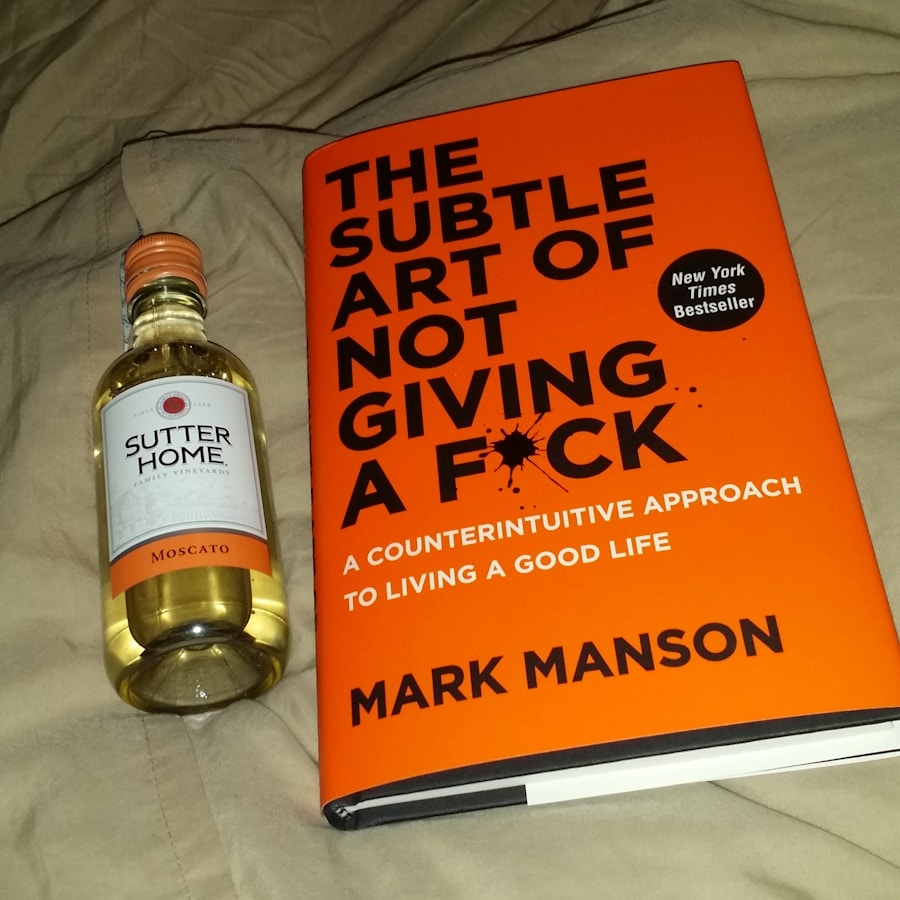
Mark Manson’s “The Subtle Art of Not Giving a F*ck” has emerged as a provocative guide to navigating the complexities of modern life. Manson, a blogger turned author, challenges conventional self-help wisdom by advocating for a more grounded approach to happiness and fulfillment. Rather than promoting relentless positivity or the pursuit of superficial success, he emphasizes the importance of discerning what truly matters in life.
This book is not merely a manifesto for apathy; instead, it encourages readers to focus their energy on what genuinely deserves their attention and care. By doing so, Manson posits that individuals can lead more meaningful lives, free from the burdens of societal expectations and the incessant need for validation. The title itself is a bold declaration, encapsulating the essence of Manson’s philosophy.
It suggests that in a world overflowing with distractions and pressures, the key to personal growth lies in selective engagement. The art of not giving a f*ck is about prioritizing one’s values and understanding that not every issue warrants emotional investment. This perspective invites readers to confront uncomfortable truths about themselves and their lives, ultimately leading to greater self-awareness and authenticity.
Manson’s candid writing style, laced with humor and irreverence, resonates with a generation grappling with anxiety, disillusionment, and the quest for meaning in an increasingly chaotic world.
Key Takeaways
- The Subtle Art of Not Giving a F*ck encourages readers to prioritize what truly matters and let go of societal expectations.
- It emphasizes the importance of values and priorities in shaping a meaningful and fulfilling life.
- Embracing adversity and taking responsibility for our actions is key to personal growth and resilience.
- Letting go of the need for approval from others can lead to greater self-acceptance and confidence.
- The book advocates for the power of negative thinking in facing reality and finding motivation for positive change.
The Importance of Values and Priorities
Central to Manson’s philosophy is the idea that values shape our experiences and dictate our priorities. He argues that many people are caught in a cycle of pursuing superficial goals—wealth, fame, or social approval—without critically examining whether these pursuits align with their core values. Manson asserts that understanding what truly matters to us is essential for leading a fulfilling life.
He encourages readers to engage in introspection, asking themselves what they genuinely care about and what they are willing to struggle for. This process of self-discovery is not always comfortable; it requires confronting uncomfortable truths about one’s desires and motivations. For instance, consider someone who has spent years climbing the corporate ladder, only to realize that their true passion lies in creative expression.
This individual may have prioritized financial success over personal fulfillment, leading to a sense of emptiness despite outward achievements. Manson emphasizes that identifying and aligning with one’s values can lead to more authentic decision-making. By focusing on what genuinely resonates with us—whether it be relationships, creativity, or personal growth—we can cultivate a sense of purpose that transcends societal expectations.
This shift in perspective allows individuals to invest their time and energy in pursuits that bring them joy and satisfaction, rather than succumbing to external pressures.
Embracing Adversity and Accepting Responsibility

Manson’s approach also highlights the inevitability of adversity in life. He argues that suffering is an inherent part of the human experience, and rather than avoiding discomfort, we should embrace it as an opportunity for growth. This perspective challenges the common desire to seek comfort and avoid pain at all costs.
Manson posits that our struggles define us; they shape our character and resilience. By accepting responsibility for our circumstances—whether they stem from our choices or external factors—we empower ourselves to effect change in our lives. For example, consider an individual who faces a significant setback, such as losing a job or experiencing a breakup.
Instead of wallowing in self-pity or blaming others for their misfortune, Manson encourages taking ownership of the situation. This might involve reflecting on the choices that led to this point and identifying lessons learned from the experience. By reframing adversity as a catalyst for personal development, individuals can cultivate resilience and emerge stronger from their challenges.
Manson’s emphasis on responsibility underscores the importance of agency; it reminds us that while we cannot control everything that happens to us, we can control how we respond.
Letting Go of the Need for Approval
In a culture dominated by social media and constant connectivity, the need for approval has become pervasive.
He encourages readers to let go of the need for external approval and instead focus on self-acceptance.
This shift requires a radical rethinking of how we measure our worth; rather than relying on others’ opinions, we must cultivate an internal sense of value based on our own beliefs and standards. To illustrate this point, consider the impact of social media on self-esteem. Many individuals curate their online personas to garner likes and positive comments, often sacrificing authenticity in the process.
Manson argues that this pursuit of validation can lead to feelings of inadequacy when reality does not align with the curated image. By prioritizing self-acceptance over external validation, individuals can break free from this cycle. This might involve setting boundaries around social media use or engaging in activities that foster genuine connections with others based on shared values rather than superficial metrics.
The Power of Negative Thinking
One of Manson’s most controversial assertions is the value of negative thinking. He posits that embracing negative experiences and emotions can lead to greater clarity and resilience. Rather than shying away from discomfort or pretending everything is fine, Manson advocates for confronting our fears and insecurities head-on.
This approach allows individuals to develop a more nuanced understanding of themselves and their circumstances. For instance, consider someone grappling with anxiety about public speaking. Instead of avoiding opportunities to speak out of fear, Manson would suggest embracing that fear as a part of the growth process.
By acknowledging the anxiety and exploring its roots—perhaps through practice or seeking feedback—individuals can gradually build confidence and improve their skills. This concept extends beyond public speaking; it applies to various aspects of life where avoidance may seem like the easier path but ultimately hinders personal development.
Finding Meaning and Purpose in Life
Creating Meaning Through Action
This pursuit of meaning involves engaging with our values, confronting challenges, and making conscious decisions about how we spend our time and energy. By doing so, we can cultivate a sense of purpose that goes beyond our daily responsibilities.
Aligning Actions with Values
For instance, someone who feels unfulfilled in their career may find meaning by volunteering for a cause they are passionate about or pursuing further education in a field they love. By taking proactive steps toward aligning their actions with their values, they can create a sense of purpose that transcends their day-to-day tasks.
A Journey of Exploration
Manson’s perspective encourages readers to view life as an ongoing journey of exploration, rather than a destination to be reached. This mindset fosters resilience and adaptability in the face of life’s uncertainties, allowing us to navigate life’s challenges with greater ease and purpose.
Cultivating Resilience and Emotional Strength
Resilience is a recurring theme in Manson’s work; he underscores its importance in navigating life’s challenges. Cultivating emotional strength involves developing coping mechanisms that allow individuals to bounce back from setbacks while maintaining a sense of purpose and direction. Manson advocates for embracing vulnerability as a strength rather than a weakness; by acknowledging our emotions and experiences, we can build deeper connections with ourselves and others.
Consider someone who has faced repeated failures in their personal or professional life. Instead of viewing these failures as definitive endpoints, Manson would encourage them to reframe these experiences as opportunities for learning and growth. This might involve seeking support from friends or mentors, reflecting on lessons learned, or setting new goals based on past experiences.
By fostering resilience through self-compassion and reflection, individuals can navigate adversity with greater ease and emerge stronger on the other side.
Conclusion and Applying the Principles of Not Giving a F*ck
Manson’s “The Subtle Art of Not Giving a F*ck” offers a refreshing perspective on personal development by challenging conventional wisdom about happiness and success. By emphasizing the importance of values, embracing adversity, letting go of the need for approval, harnessing negative thinking, finding meaning in life, and cultivating resilience, readers are equipped with practical tools for navigating life’s complexities. The principles outlined in this book encourage individuals to take ownership of their choices and prioritize what truly matters to them.
Applying these principles requires ongoing reflection and commitment; it is not a one-time endeavor but rather a lifelong journey toward authenticity and fulfillment. As readers engage with Manson’s ideas, they are invited to confront uncomfortable truths about themselves while also discovering the power of selective engagement in their lives. Ultimately, “The Subtle Art of Not Giving a F*ck” serves as both a guidebook and a call to action—urging individuals to live intentionally and authentically in an increasingly chaotic world.
If you enjoyed reading The Subtle Art of Not Giving a F*ck by Mark Manson, you may also be interested in checking out this article on Hellread titled Hello World.
It offers valuable insights and perspectives on how to navigate life’s challenges and prioritize what truly matters.
FAQs
What is “The Subtle Art of Not Giving a F*ck” about?
“The Subtle Art of Not Giving a F*ck” is a self-help book written by Mark Manson. It offers a counterintuitive approach to living a good life by focusing on what truly matters and letting go of things that don’t.
Who is the author of “The Subtle Art of Not Giving a F*ck”?
The author of “The Subtle Art of Not Giving a F*ck” is Mark Manson, a popular blogger and author known for his straightforward and no-nonsense approach to self-improvement.
What are some key concepts discussed in “The Subtle Art of Not Giving a F*ck”?
Some key concepts discussed in the book include the importance of embracing adversity, taking responsibility for one’s own life, and learning to prioritize what truly matters.
Is “The Subtle Art of Not Giving a F*ck” suitable for everyone?
The book contains strong language and discusses mature themes, so it may not be suitable for all audiences. It is best suited for readers who are open to frank and direct language and ideas.
Has “The Subtle Art of Not Giving a F*ck” received any awards or recognition?
“The Subtle Art of Not Giving a F*ck” has been a New York Times bestseller and has received widespread recognition for its unique and refreshing approach to self-help and personal development.




