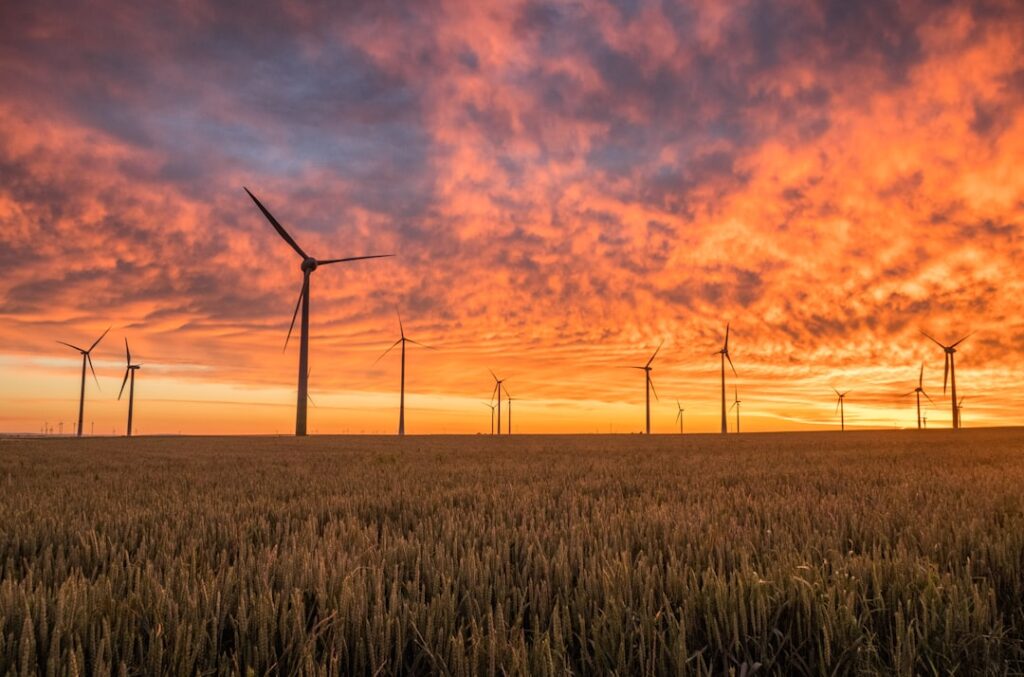
“The Boy Who Harnessed the Wind” is a remarkable narrative that transcends the boundaries of a simple biography, weaving together themes of innovation, resilience, and the indomitable human spirit. This story centers around William Kamkwamba, a young Malawian boy who, against all odds, constructs a windmill to bring electricity and water to his impoverished village. The book, co-authored by Kamkwamba and journalist Bryan Mealer, not only chronicles William’s journey but also serves as a testament to the power of education and creativity in the face of adversity.
It highlights how one individual’s determination can spark change and inspire others, making it a compelling read for anyone interested in innovation, social change, or personal growth. Set against the backdrop of Malawi’s struggles with poverty and famine, the narrative captures the essence of a young boy’s quest for knowledge and his desire to improve the living conditions of his family and community. The book is not merely a recounting of events; it is an exploration of the challenges faced by those in developing nations and the innovative solutions that can arise from necessity.
Through William’s eyes, readers are invited to witness the transformative power of education and the importance of perseverance in overcoming life’s obstacles.
Key Takeaways
- “The Boy Who Harnessed the Wind” is a true story of a young boy’s determination to bring electricity to his village in Malawi using wind power.
- William Kamkwamba’s inspiring story showcases the power of perseverance and innovation in the face of adversity.
- The struggle for survival in Malawi is depicted through the challenges of poverty, famine, and lack of access to basic resources.
- Harnessing the power of wind becomes a symbol of hope and progress for the community, as William builds a windmill from scrap materials.
- Overcoming obstacles and skepticism, William proves that with determination and ingenuity, anything is possible.
The inspiring story of William Kamkwamba
Overcoming Adversity
However, his formal education was abruptly interrupted when a devastating famine struck Malawi in 2001, leading to severe food shortages and economic hardship. As his family struggled to survive, William was forced to drop out of school due to the inability to pay tuition fees.
A Spark of Inspiration
Despite this setback, William’s thirst for knowledge remained unquenched. He frequented a local library where he discovered books on science and technology. One particular book about windmills caught his attention and ignited a spark of inspiration within him. The idea that he could harness wind energy to generate electricity and pump water for irrigation became an obsession.
From Scrap to Success
With limited resources and no formal training in engineering, William began to experiment with scrap materials he found around his village. His determination to learn and innovate became the driving force behind his eventual success.
The struggle for survival in Malawi
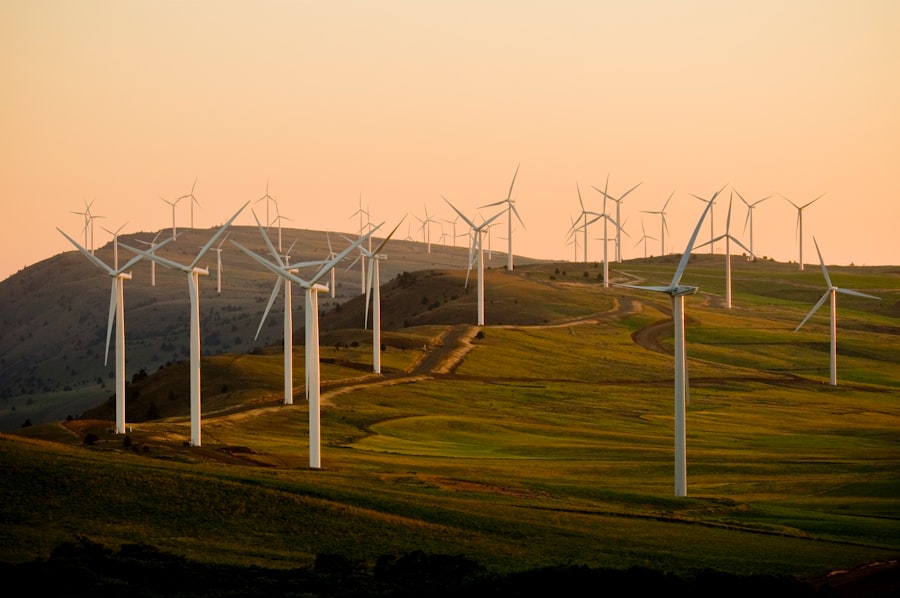
Malawi is one of the poorest countries in the world, grappling with numerous challenges such as food insecurity, lack of access to clean water, and inadequate educational resources. The country has faced recurrent droughts and floods that have devastated agricultural production, leaving many families in dire straits. In this context, William’s story is not just one of personal triumph; it reflects the broader struggles faced by millions in Malawi who are fighting for survival amidst systemic poverty.
The famine that struck Malawi in the early 2000s was particularly catastrophic, leading to widespread malnutrition and suffering. Families were forced to make difficult choices about how to allocate their limited resources, often prioritizing immediate survival over education or long-term investments in their futures. In this environment, William’s decision to pursue knowledge rather than succumb to despair was both courageous and revolutionary.
His experiences highlight the resilience of the human spirit in the face of overwhelming adversity and underscore the importance of education as a tool for empowerment.
Harnessing the power of wind
William’s journey toward harnessing wind energy began with a simple yet profound idea: if he could build a windmill, he could generate electricity for his home and pump water for irrigation.
His first attempts were met with numerous failures; however, each setback only fueled his determination to succeed.
The process of building the windmill was both challenging and enlightening. William meticulously studied the principles of aerodynamics and energy conversion from books he had read. He learned how to construct blades that could effectively capture wind energy and convert it into mechanical power.
After several months of hard work and experimentation, he finally succeeded in creating a functioning windmill that could generate enough electricity to power four light bulbs in his home. This achievement not only illuminated his family’s living space but also symbolized hope for his entire community.
Overcoming obstacles and skepticism
William’s journey was fraught with obstacles, not only in terms of technical challenges but also societal skepticism. Many in his village viewed his ambitious project with doubt and disbelief. They questioned how a young boy with no formal education could possibly build something as complex as a windmill.
Some even mocked him for his efforts, believing that such dreams were unattainable for someone from their impoverished background. Despite this skepticism, William remained undeterred. He understood that innovation often requires challenging established norms and beliefs.
His unwavering commitment to his vision gradually began to win over some skeptics as they witnessed the tangible results of his work. The windmill not only provided electricity but also demonstrated that ingenuity could emerge from even the most challenging circumstances. William’s story serves as a powerful reminder that perseverance in the face of doubt can lead to extraordinary achievements.
The impact of William’s invention
Improved Educational Opportunities
With access to electricity, families could study at night, improving educational opportunities for children who previously had limited access to light after sunset.
Enhanced Food Security
The windmill also enabled irrigation, allowing farmers to cultivate crops more effectively despite erratic rainfall patterns. This newfound ability to grow food year-round significantly improved food security within the community.
A Symbol of Hope and Innovation
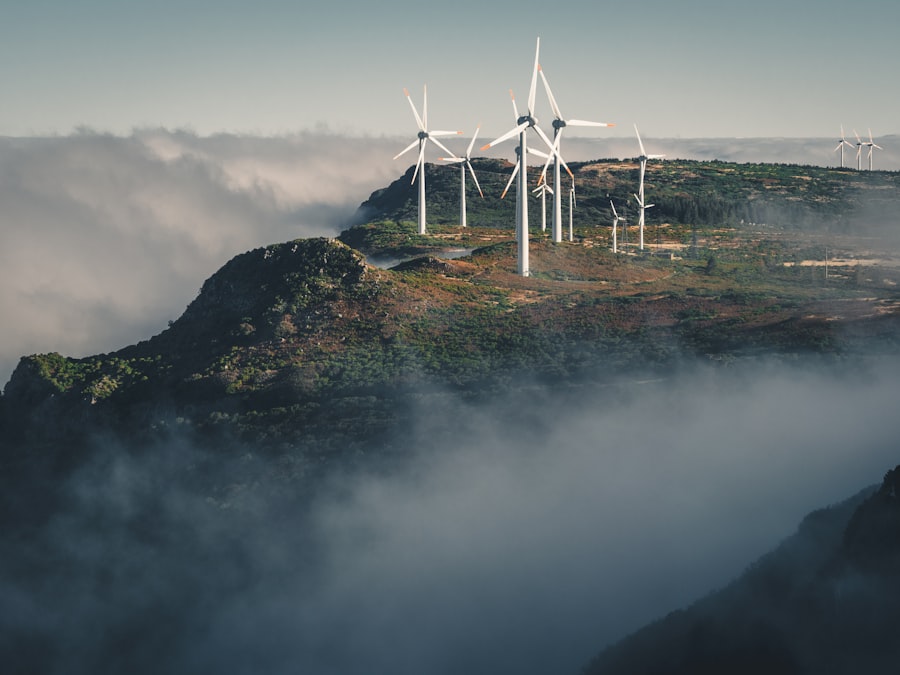
The windmill became a symbol of hope and innovation, demonstrating that even in the face of adversity, individuals could take charge of their circumstances through creativity and resourcefulness. This ripple effect underscored the potential for grassroots innovation to drive sustainable development in rural communities.
The book’s message of hope and determination
At its core, “The Boy Who Harnessed the Wind” conveys a powerful message about hope and determination. William Kamkwamba’s story illustrates that even in the darkest times, individuals can find ways to rise above their circumstances through education and innovation. His journey emphasizes that knowledge is not confined to formal institutions; it can be found in books, experiences, and the willingness to learn from failures.
The narrative encourages readers to embrace challenges as opportunities for growth rather than insurmountable obstacles. It serves as an inspiration for young people everywhere, particularly those facing similar struggles in developing countries. By showcasing William’s resilience and ingenuity, the book instills a sense of empowerment and possibility—reminding us that change often begins with one person’s vision and determination.
The legacy of The Boy Who Harnessed the Wind
William Kamkwamba’s legacy extends far beyond his initial invention; it has inspired countless individuals around the world to pursue their dreams regardless of their circumstances. His story has been shared through various mediums, including a TED talk that garnered international attention and a film adaptation that brought his journey to an even wider audience.
Moreover, William’s work has led him to further educational opportunities abroad, where he continues to advocate for sustainable development practices. He has established initiatives aimed at empowering young people through education and innovation, ensuring that future generations have access to the tools they need to create positive change in their communities. The legacy of “The Boy Who Harnessed the Wind” is not just about one boy’s triumph; it is about igniting a movement toward self-sufficiency and resilience in the face of adversity—a message that resonates globally as we confront pressing challenges such as climate change and social inequality.
If you enjoyed reading The Boy Who Harnessed the Wind by William Kamkwamba, you may also be interested in checking out this article on hellread.com. This website offers a variety of thought-provoking and inspiring content that may resonate with fans of Kamkwamba’s story. Additionally, you can explore more articles like this one by visiting this link. Happy reading!
FAQs
What is The Boy Who Harnessed the Wind by William Kamkwamba about?
The Boy Who Harnessed the Wind is a memoir by William Kamkwamba, a Malawian author, and engineer. The book tells the story of how Kamkwamba built a windmill to bring electricity to his village in Malawi, despite limited resources and a lack of formal education.
When was The Boy Who Harnessed the Wind published?
The Boy Who Harnessed the Wind was first published in 2009.
What is the significance of The Boy Who Harnessed the Wind?
The book has been praised for its inspiring story of innovation, determination, and the power of education. It has also brought attention to the challenges faced by people living in rural Africa and the potential for sustainable solutions to improve their lives.
Has The Boy Who Harnessed the Wind been adapted into a film or other media?
Yes, The Boy Who Harnessed the Wind was adapted into a film of the same name, which was released on Netflix in 2019. The film was directed by and stars Chiwetel Ejiofor.
What age group is The Boy Who Harnessed the Wind suitable for?
The Boy Who Harnessed the Wind is suitable for readers of all ages, but it is particularly popular among young adult and adult readers. The book’s themes of perseverance, ingenuity, and the importance of education make it a compelling read for a wide audience.