

“Born to Run,” released in 1975, stands as a monumental work in the landscape of American rock music. This album, the third studio release by Bruce Springsteen, encapsulates the spirit of a generation yearning for freedom and escape. It is not merely a collection of songs; it is a narrative that weaves together the dreams and struggles of youth, set against the backdrop of a working-class America.
The title track, with its anthemic quality, has become synonymous with the quest for liberation and the pursuit of the American Dream. Springsteen’s ability to articulate the hopes and frustrations of his contemporaries has cemented “Born to Run” as a cultural touchstone. The album’s significance extends beyond its commercial success; it represents a pivotal moment in rock history.
With its lush production and cinematic storytelling, “Born to Run” redefined what an album could achieve artistically. It was a bold statement that combined elements of rock, pop, and folk, creating a sound that resonated deeply with listeners. The themes of love, escape, and the search for identity are universal, making the album timeless.
As Springsteen himself has noted, “Born to Run” is about the desire to break free from constraints and find one’s place in the world, a sentiment that continues to resonate with audiences today.
Key Takeaways
- “Born to Run” is a classic album by Bruce Springsteen that has had a lasting impact on music and culture.
- The album was a breakthrough for Springsteen and was a result of intense dedication and hard work.
- “Born to Run” has had a significant impact on the music industry and has influenced countless artists and bands.
- The album’s themes and lyrics focus on the struggles and dreams of working-class Americans.
- The sound and musical style of “Born to Run” is characterized by its energetic and anthemic rock and roll sound.
The Making of Born to Run
The creation of “Born to Run” was a laborious process that reflected Springsteen’s ambition and artistic vision. After the relative success of his first two albums, “Greetings from Asbury Park, N.J.” and “The Wild, the Innocent & the E Street Shuffle,” Springsteen felt an immense pressure to deliver a record that would elevate his career. He sought to craft an album that would not only showcase his songwriting prowess but also capture the essence of his experiences growing up in New Jersey.
The recording sessions began in 1974 at 914 Sound Studios in New York City, where Springsteen collaborated closely with his band, the E Street Band. The production of “Born to Run” was marked by experimentation and a relentless pursuit of perfection. Springsteen worked with producer Jon Landau, who played a crucial role in shaping the album’s sound.
Landau’s vision was to create a grand sonic landscape that would complement Springsteen’s lyrical narratives. This involved layering instruments and utilizing orchestration in ways that were innovative for rock music at the time. The iconic sound of “Born to Run” was achieved through meticulous arrangements, featuring prominent use of horns, strings, and background vocals.
The title track alone underwent numerous takes before reaching its final form, illustrating Springsteen’s commitment to achieving his artistic vision.
The Impact of Born to Run
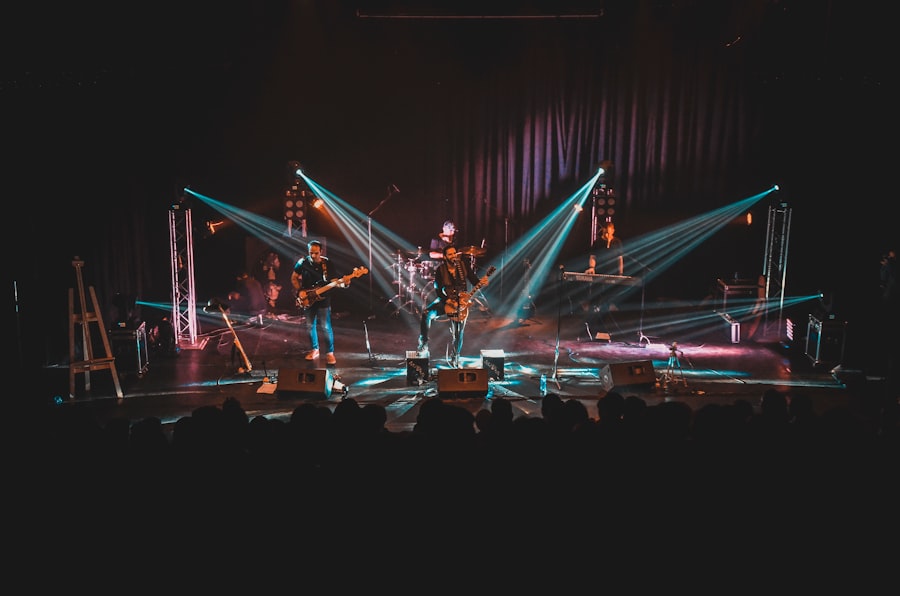
Upon its release, “Born to Run” had an immediate and profound impact on both the music industry and popular culture. The album received critical acclaim, with many reviewers praising its ambitious scope and emotional depth. It was hailed as a masterpiece that captured the zeitgeist of the mid-1970s, resonating with listeners who felt disillusioned by societal challenges such as economic instability and political turmoil.
The album’s success helped propel Springsteen into the national spotlight, transforming him from an obscure artist into a household name almost overnight.
Artists across genres have cited the album as a significant influence on their work, from rock legends like Tom Petty to contemporary artists such as Arcade Fire.
The themes of yearning and rebellion found in “Born to Run” continue to inspire new generations of musicians who grapple with similar feelings of restlessness and desire for change. Moreover, the album’s impact can be seen in its enduring presence in popular culture, with its songs frequently featured in films, television shows, and commercials.
The Themes and Lyrics of Born to Run
At its core, “Born to Run” is a meditation on themes of escape, love, and the pursuit of dreams. The lyrics are imbued with a sense of urgency and longing, reflecting the struggles faced by young people in America during the 1970s. The title track encapsulates this sentiment perfectly, portraying a couple yearning to break free from their mundane lives and embark on an adventure together.
Lines like “We gotta get out while we’re young” resonate deeply with listeners who have ever felt trapped by their circumstances. Springsteen’s storytelling prowess shines throughout the album as he paints vivid portraits of characters navigating their realities. In songs like “Thunder Road,” he introduces us to Mary and her dreams of leaving town, while “Backstreets” explores themes of lost love and nostalgia.
The lyrics are rich with imagery that evokes a sense of place—whether it’s the streets of Asbury Park or the open road—creating an emotional connection with listeners. This ability to weave personal narratives into broader societal themes is what sets “Born to Run” apart as a work of art that transcends time.
The Sound and Musical Style of Born to Run
Musically, “Born to Run” is characterized by its grandiose soundscapes and intricate arrangements. The album blends rock ‘n’ roll with elements of pop and folk, resulting in a rich auditory experience that captivates listeners from start to finish. The E Street Band’s instrumentation plays a pivotal role in shaping this sound; each member contributes their unique talents to create a cohesive whole.
The use of piano, guitar riffs, and brass sections adds layers of complexity that elevate the music beyond traditional rock. The title track exemplifies this musical style with its soaring melodies and driving rhythm. The iconic opening guitar riff sets the stage for an explosive anthem that captures the essence of youthful rebellion.
Other tracks like “Jungleland” showcase Springsteen’s penchant for storytelling through music, featuring sweeping orchestral arrangements that evoke cinematic imagery. The production techniques employed by Jon Landau further enhance the album’s sound; he utilized reverb and echo effects to create a sense of space that draws listeners into Springsteen’s world.
The Legacy of Born to Run
Influence Beyond Music
Its influence can be seen not only in music but also in literature and film, where themes of escape and self-discovery resonate deeply with audiences.
Preservation and Legacy
The album has been preserved in various forms over the years, including remastered editions that allow new generations to experience its magic. Moreover, “Born to Run” has become emblematic of Bruce Springsteen’s career as an artist committed to authenticity and social commentary.
Enduring Popularity
The album’s enduring popularity speaks to its universal themes; it continues to inspire listeners who find solace in its messages of hope and resilience. As time passes, “Born to Run” remains a vital part of American cultural history.
Bruce Springsteen’s Personal Connection to Born to Run
Bruce Springsteen’s personal connection to “Born to Run” is deeply intertwined with his own life experiences. Growing up in Freehold, New Jersey, he was shaped by the struggles and aspirations of working-class America. The characters he created in his songs often reflect aspects of his own journey—individuals grappling with their identities while seeking freedom from societal constraints.
This authenticity resonates throughout the album; it is not just a collection of fictional tales but rather an exploration of Springsteen’s own desires and dreams. In interviews, Springsteen has spoken candidly about how “Born to Run” served as both a personal catharsis and a means of connecting with others. He poured his heart into every lyric and melody, channeling his own frustrations and hopes into the music.
This emotional investment is palpable; listeners can feel Springsteen’s passion as he sings about love, loss, and longing for something greater than oneself. His ability to articulate these feelings has forged a deep bond between him and his audience—a connection that remains strong decades after the album’s release.
The Enduring Influence of Born to Run
The influence of “Born to Run” extends far beyond its initial release; it has become a cultural phenomenon that continues to inspire artists across generations. Its themes resonate with anyone who has ever felt trapped or yearned for something more in life. Musicians from various genres have drawn inspiration from Springsteen’s storytelling approach, incorporating similar themes into their own work.
For instance, artists like U2 have cited “Born to Run” as a significant influence on their songwriting style. Moreover, the album’s impact can be seen in contemporary music festivals where tribute performances celebrate its legacy. Cover bands dedicated solely to performing “Born to Run” have emerged, showcasing its timeless appeal.
Additionally, songs from the album frequently appear in films and television shows that explore themes of youth rebellion and self-discovery—further solidifying its place in popular culture. As society continues to grapple with issues related to identity, freedom, and aspiration, “Born to Run” remains relevant as both an artistic expression and a source of inspiration for those seeking their own paths toward liberation. Its enduring legacy serves as a testament not only to Bruce Springsteen’s artistry but also to the universal human experience captured within its tracks—a reminder that we are all born to run toward our dreams.
If you enjoyed reading “Born to Run” by Bruce Springsteen, you may also be interested in checking out this article on


