

Misty Copeland is a name that resonates far beyond the confines of the ballet stage. As a principal dancer with the American Ballet Theatre (ABT), she has not only redefined the parameters of classical ballet but has also emerged as a powerful symbol of diversity and resilience in the arts. Born on September 10, 1982, in Kansas City, Missouri, and raised in San Pedro, California, Copeland’s journey to stardom is as remarkable as her performances.
Her story is one of talent, determination, and an unwavering commitment to her craft, which has inspired countless individuals around the world. From a young age, Copeland exhibited a natural affinity for dance. However, her path was fraught with challenges, including financial instability and a lack of access to formal training.
Despite these obstacles, she found solace and strength in dance, which became her refuge and passion. Her early training at the San Pedro City Ballet laid the groundwork for her future success, but it was her unique talent and tenacity that would ultimately propel her into the spotlight. As she navigated the competitive world of ballet, Copeland’s journey became emblematic of the struggles faced by many aspiring artists, particularly those from underrepresented backgrounds.
Key Takeaways
- Misty Copeland is a renowned ballet dancer known for breaking barriers and promoting diversity and inclusion in the ballet world.
- Copeland’s journey to becoming a principal dancer was filled with challenges and obstacles, but she persevered and made history.
- Her impact on ballet has been significant, inspiring a new generation of dancers and challenging traditional norms in the industry.
- “Life in Motion: A Memoir” provides insight into Copeland’s personal and professional life, offering a glimpse into her struggles and triumphs.
- Copeland’s influence on diversity and inclusion in ballet has led to positive changes in the industry, making it more accessible and welcoming to dancers of all backgrounds.
The Journey to Becoming a Principal Dancer
Misty Copeland’s ascent to becoming a principal dancer at ABT is a testament to her extraordinary talent and relentless work ethic. She began her formal ballet training relatively late at the age of 13, which is considered late in the world of ballet where many dancers start as young children. Despite this late start, she quickly distinguished herself with her exceptional technique and expressive artistry.
Her breakthrough came when she was invited to join ABT’s Studio Company in 2000, marking the beginning of her professional career. The road to becoming a principal dancer was not without its hurdles. Copeland faced skepticism from some in the ballet community who questioned her ability to succeed due to her late start and her physicality, which diverged from traditional ballet norms.
Nevertheless, she persevered, earning critical acclaim for her performances in various roles. In 2015, she made history by becoming the first African American woman to be promoted to principal dancer in ABT’s 75-year history. This milestone was not just a personal achievement; it represented a significant shift in the ballet world, challenging long-standing stereotypes and paving the way for future generations of dancers.
The Impact of Misty Copeland on Ballet

Misty Copeland’s impact on ballet extends far beyond her individual accomplishments. She has become a transformative figure within the dance community, advocating for greater representation and inclusivity in an art form that has historically been dominated by a narrow definition of beauty and talent. Her presence on stage has challenged conventional notions of what a ballet dancer should look like, inspiring a new generation of dancers who see themselves reflected in her success.
Copeland’s influence is also evident in her efforts to broaden the audience for ballet.
Her appearances on mainstream media platforms, including television interviews and documentaries, have helped demystify ballet and make it more accessible to diverse audiences.
By sharing her experiences and struggles, she has opened up conversations about race, body image, and the importance of representation in the arts.
Life in Motion: A Memoir
In 2014, Misty Copeland published her memoir, “Life in Motion: An Unlikely Ballerina,” which provides an intimate look at her life and career. The book chronicles her journey from a young girl with dreams of dancing to becoming a principal dancer at one of the most prestigious ballet companies in the world. Through candid storytelling, Copeland shares not only her triumphs but also the challenges she faced along the way, including issues related to race, identity, and self-acceptance.
“Life in Motion” serves as both an inspiring narrative and a call to action for aspiring dancers and artists everywhere. Copeland’s reflections on her experiences highlight the importance of perseverance and self-belief in overcoming obstacles. The memoir also emphasizes the significance of mentorship and community support in nurturing talent.
By sharing her story, Copeland encourages readers to pursue their passions relentlessly while remaining true to themselves.
Overcoming Adversity and Breaking Barriers
Misty Copeland’s journey is marked by numerous instances of adversity that she has had to overcome throughout her career. Growing up in a single-parent household with financial struggles posed significant challenges for her family. Access to quality dance training was limited, yet Copeland’s determination led her to seek out opportunities wherever she could find them.
She often had to navigate a world that was not always welcoming or supportive of her aspirations. In addition to socioeconomic challenges, Copeland faced barriers related to race and body image within the ballet community. As one of the few African American dancers in major ballet companies during her rise to prominence, she encountered both overt and subtle forms of discrimination.
However, rather than allowing these experiences to deter her, Copeland used them as fuel for her ambition. She became an advocate for change within the industry, speaking out against racial bias and promoting inclusivity in ballet training programs.
Copeland’s Influence on Diversity and Inclusion in Ballet
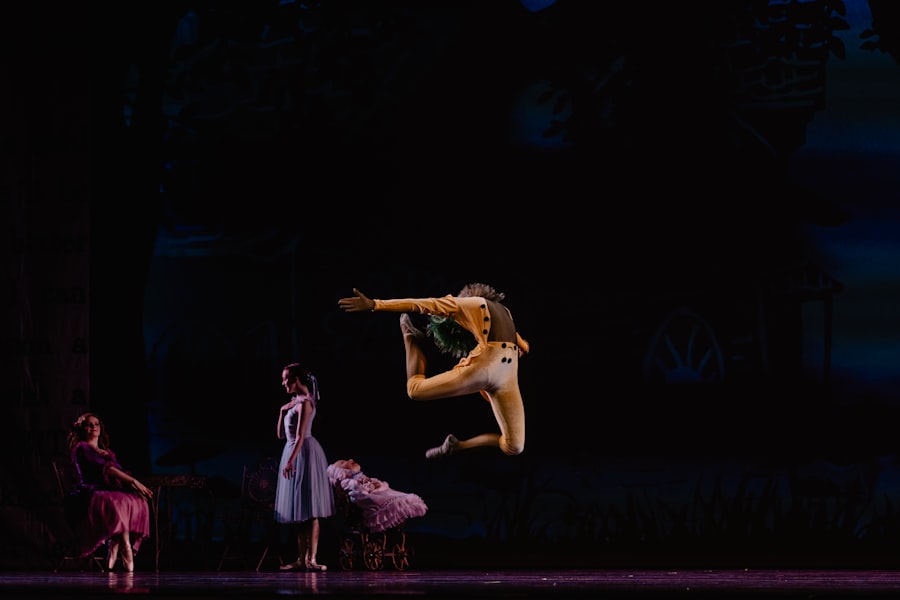
Misty Copeland’s influence on diversity and inclusion within ballet cannot be overstated. Her groundbreaking achievements have sparked important conversations about representation in the arts and have encouraged organizations to reevaluate their practices regarding diversity. Through initiatives such as scholarships for underprivileged dancers and outreach programs aimed at introducing ballet to underserved communities, Copeland has actively worked to create pathways for aspiring dancers from diverse backgrounds.
Her advocacy extends beyond mere representation; it encompasses a broader vision for what ballet can be in the 21st century. By challenging traditional norms around body types and aesthetics in ballet, Copeland has opened doors for dancers who may not fit conventional molds. She has become a role model for young dancers who see in her not just a successful artist but also someone who embodies resilience and authenticity.
Balancing Personal Life and Professional Success
While Misty Copeland’s professional achievements are widely celebrated, they come with their own set of challenges when it comes to balancing personal life with career demands. The rigorous training schedules and performance commitments required of a principal dancer often leave little room for personal pursuits or downtime. Copeland has spoken candidly about the sacrifices she has made in order to excel in her career, including time spent away from family and friends.
Despite these challenges, Copeland has managed to cultivate a fulfilling personal life alongside her professional endeavors. She is engaged to Olu Evans, an attorney who has been a source of support throughout her career. Their relationship exemplifies how love and partnership can thrive even amidst demanding schedules.
Additionally, Copeland has embraced opportunities outside of ballet, including acting roles and collaborations with fashion brands, allowing her to express herself creatively while maintaining a balance between work and personal fulfillment.
The Future of Misty Copeland’s Legacy
As Misty Copeland continues to break barriers and redefine what it means to be a ballerina, her legacy is poised to have lasting implications for future generations of dancers. Her commitment to advocacy for diversity and inclusion within ballet will likely inspire ongoing efforts to create more equitable opportunities within the arts. As she embarks on new projects—whether they involve choreography, mentorship programs, or collaborations with other artists—Copeland’s influence will undoubtedly continue to shape the landscape of ballet.
Moreover, as she transitions into new roles within the dance community—potentially as a choreographer or artistic director—her vision for an inclusive future will likely guide her decisions. The impact of Misty Copeland extends beyond her individual accomplishments; it represents a movement toward greater acceptance and celebration of diversity within classical ballet.
If you enjoyed reading “Life in Motion” by Misty Copeland, you may also be interested in checking out this article on Hellread titled Hello World. This article explores the concept of new beginnings and embracing change, much like Misty Copeland’s journey to becoming a groundbreaking ballerina. It offers a fresh perspective on how we can navigate life’s transitions with grace and resilience.
FAQs
What is Misty Copeland known for?
Misty Copeland is known for being the first African American female principal dancer with the American Ballet Theatre.
What is the article “Life in Motion” about?
The article “Life in Motion” by Misty Copeland discusses her journey to becoming a professional ballet dancer and the challenges she faced along the way.
What are some key themes in Misty Copeland’s article?
Some key themes in Misty Copeland’s article include perseverance, breaking barriers, and the importance of representation in the arts.
What impact has Misty Copeland had on the ballet world?
Misty Copeland has had a significant impact on the ballet world by breaking racial barriers and inspiring a new generation of dancers from diverse backgrounds.
What is Misty Copeland’s advice for aspiring dancers?
Misty Copeland’s advice for aspiring dancers includes staying true to oneself, working hard, and embracing one’s unique qualities and strengths.




