

The Art of War, attributed to the ancient Chinese military strategist Sun Tzu, is a seminal text that has transcended its original context of warfare to become a foundational work in various fields, including business, leadership, and personal development. Written in the 5th century BCE, this treatise on military strategy and tactics is composed of 13 chapters, each addressing different aspects of warfare. Its teachings emphasize the importance of strategy over brute force, advocating for a deep understanding of both one’s own capabilities and those of the enemy.
The text has been revered not only for its insights into military operations but also for its philosophical underpinnings that resonate with the complexities of human conflict and competition. The enduring relevance of The Art of War can be attributed to its universal principles that apply to various forms of conflict, whether on the battlefield or in the boardroom. The text encourages readers to think critically about the nature of conflict, urging them to consider factors such as terrain, timing, and the psychological state of both allies and adversaries.
As societies have evolved, so too have the interpretations and applications of Sun Tzu’s teachings, making it a timeless resource for strategists across multiple domains. The Art of War continues to be studied in military academies, business schools, and self-help seminars, illustrating its broad appeal and applicability.
Key Takeaways
- The Art of War is a classic Chinese military treatise written by Sun Tzu, focusing on strategy, tactics, and warfare principles.
- Sun Tzu was a Chinese military general, strategist, and philosopher who lived during the Eastern Zhou period and is believed to have authored The Art of War.
- The principles of war according to Sun Tzu include knowing oneself and the enemy, avoiding direct confrontation, and using deception and psychology to gain an advantage.
- The Art of War has had a significant influence on history and modern warfare, with its strategies being studied and applied by military leaders and business executives alike.
- Sun Tzu’s strategies can be applied in business and leadership, emphasizing the importance of understanding the competition, adapting to change, and using strategic thinking to achieve success.
Sun Tzu: The Author and His Background
Sun Tzu, whose name translates to “Master Sun,” is believed to have lived during the Eastern Zhou period of ancient China, a time characterized by political fragmentation and constant warfare among rival states. While much about his life remains shrouded in mystery, historical accounts suggest that he was a military general and strategist who served the state of Wu. His experiences on the battlefield likely informed his writings, allowing him to distill complex military concepts into practical advice that could be applied in real-world scenarios.
The lack of concrete biographical details has led to various interpretations of his life, with some scholars positing that he may have been a composite figure representing the collective wisdom of multiple strategists. The cultural and historical context in which Sun Tzu wrote is crucial for understanding The Art of War. The Warring States period was marked by intense competition among states vying for dominance, which necessitated innovative strategies and tactics.
Sun Tzu’s insights reflect not only his military acumen but also a profound understanding of human nature and the dynamics of power. His emphasis on adaptability, intelligence gathering, and psychological warfare reveals a sophisticated approach to conflict that goes beyond mere physical confrontation. This background provides a lens through which readers can appreciate the depth and nuance of his teachings.
The Principles of War According to Sun Tzu
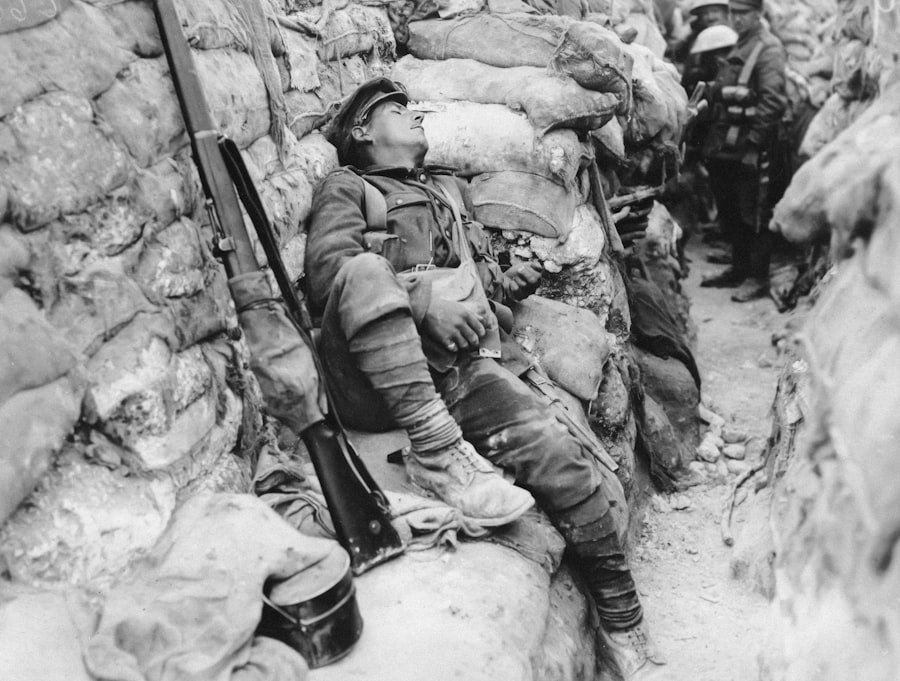
At the heart of The Art of War are several key principles that guide military strategy. One of the most prominent is the idea that “all warfare is based on deception.” This principle underscores the importance of misleading the enemy regarding one’s intentions and capabilities. By creating an illusion of strength or weakness, a commander can manipulate the enemy’s actions and decisions, gaining a strategic advantage.
This concept is not limited to traditional warfare; it can also be applied in competitive environments where perception often shapes reality. Another fundamental principle articulated by Sun Tzu is the significance of knowing oneself and one’s enemy. He famously stated, “If you know the enemy and know yourself, you need not fear the result of a hundred battles.” This highlights the necessity for thorough intelligence gathering and self-assessment.
Understanding one’s strengths and weaknesses allows for more effective planning and execution of strategies. In contrast, ignorance can lead to catastrophic failures on the battlefield or in any competitive scenario. Sun Tzu’s emphasis on preparation and knowledge serves as a reminder that success often hinges on careful analysis rather than sheer force.
The Influence of The Art of War in History and Modern Warfare
The impact of The Art of War extends far beyond its immediate historical context; it has influenced military leaders throughout history. Figures such as Napoleon Bonaparte and General Douglas MacArthur have drawn inspiration from Sun Tzu’s teachings, applying his principles to their own campaigns. The text’s focus on strategy over tactics has shaped military doctrine in various cultures, emphasizing the importance of planning and foresight in achieving victory.
For instance, during World War II, Allied commanders utilized principles from The Art of War to outmaneuver Axis forces through strategic deception and intelligence operations. In modern warfare, the relevance of Sun Tzu’s insights remains evident as military strategies evolve in response to new technologies and geopolitical landscapes. Asymmetric warfare, characterized by conflicts between unequal forces, often reflects Sun Tzu’s teachings on leveraging advantages and exploiting weaknesses.
Contemporary military leaders continue to study The Art of War to gain insights into unconventional tactics that can be employed against more powerful adversaries. The text serves as a foundational resource for understanding not only historical battles but also the complexities of modern conflict.
Applying Sun Tzu’s Strategies in Business and Leadership
The principles outlined in The Art of War have found fertile ground in the realm of business strategy and leadership. Executives and entrepreneurs often draw parallels between competitive business environments and warfare, recognizing that success requires strategic thinking akin to that employed by military leaders.
In an ever-changing market landscape, businesses must be agile enough to pivot their strategies in response to emerging trends or shifts in consumer behavior. Sun Tzu’s assertion that “in the midst of chaos, there is also opportunity” encourages leaders to remain vigilant and proactive in identifying potential advantages even during challenging times.
This mindset fosters resilience and creativity within organizations, enabling them to navigate uncertainties effectively.
The Importance of Deception and Psychology in Warfare

Deception plays a pivotal role in both warfare and competitive environments, as highlighted by Sun Tzu’s teachings. The ability to mislead an opponent can create openings for strategic advantage that would otherwise be unattainable through direct confrontation. Historical examples abound where deception has turned the tide of battle; one notable instance is the Trojan Horse during the Trojan War, where Greek forces used cunning to infiltrate the city of Troy.
Psychological warfare is another critical aspect emphasized by Sun Tzu. Understanding the mental state of both allies and adversaries can significantly influence outcomes in conflict situations. By instilling fear or uncertainty in opponents while bolstering the morale of one’s own troops, leaders can create an environment conducive to victory.
This psychological dimension extends beyond traditional warfare; in business negotiations or competitive sports, understanding the motivations and fears of opponents can provide a strategic edge.
The Art of War as a Guide for Personal Development and Self-Improvement
Beyond its applications in warfare and business, The Art of War offers valuable insights for personal development and self-improvement. The text encourages individuals to engage in self-reflection and self-awareness—key components for personal growth. By understanding one’s strengths, weaknesses, motivations, and fears, individuals can develop strategies for overcoming obstacles and achieving their goals.
Moreover, Sun Tzu’s emphasis on adaptability resonates with those seeking personal transformation. Life often presents unexpected challenges that require individuals to adjust their plans or approaches. Embracing change rather than resisting it allows for growth and resilience.
The principles outlined in The Art of War serve as a reminder that success is not solely determined by external circumstances but also by one’s mindset and approach to challenges.
Criticisms and Controversies Surrounding The Art of War
Despite its widespread acclaim, The Art of War has not been without its criticisms and controversies. Some scholars argue that its teachings may promote a ruthless approach to conflict that prioritizes victory at any cost. Critics contend that an overemphasis on deception could lead to unethical behavior in both military engagements and business practices.
This perspective raises important ethical questions about the application of Sun Tzu’s principles in contemporary contexts where collaboration and integrity are increasingly valued. Additionally, interpretations of The Art of War can vary significantly based on cultural perspectives and individual experiences. Some modern readers may find certain aspects outdated or less applicable in today’s interconnected world where diplomacy often takes precedence over direct confrontation.
This divergence in interpretation highlights the need for critical engagement with Sun Tzu’s teachings rather than blind adherence to them. In conclusion, while The Art of War remains a powerful resource for understanding strategy across various domains, it is essential to approach its teachings with discernment and an awareness of contemporary ethical considerations.
If you are interested in learning more about ancient Chinese military strategies and tactics, you may want to check out the article “Hello World” on Hellread.com. This article delves into the timeless wisdom found in Sun Tzu’s The Art of War and how it can be applied to modern-day conflicts and challenges. To read more about this fascinating topic, click here.
FAQs
What is The Art of War by Sun Tzu?
The Art of War is an ancient Chinese military treatise attributed to Sun Tzu, a military strategist and philosopher. It is one of the most influential strategy texts in East Asian warfare.
When was The Art of War written?
The exact date of the writing of The Art of War is uncertain, but it is believed to have been written during the Warring States period of China, which lasted from 476 BC to 221 BC.
What is the main theme of The Art of War?
The main theme of The Art of War is the strategy and tactics of warfare. It covers various aspects of warfare, including planning, tactics, and the use of deception.
Is The Art of War still relevant today?
Yes, The Art of War is still considered relevant today, not only in military strategy but also in business, politics, and everyday life. Its principles have been applied in various fields to achieve success and overcome challenges.
How has The Art of War been used outside of military strategy?
The principles of The Art of War have been applied in business strategy, leadership, negotiation, and conflict resolution. Many modern leaders and business executives have drawn inspiration from the teachings of Sun Tzu.
Is The Art of War a widely studied and influential text?
Yes, The Art of War is considered one of the most widely studied and influential texts on strategy and warfare. It has been translated into numerous languages and continues to be studied and applied in various fields around the world.




