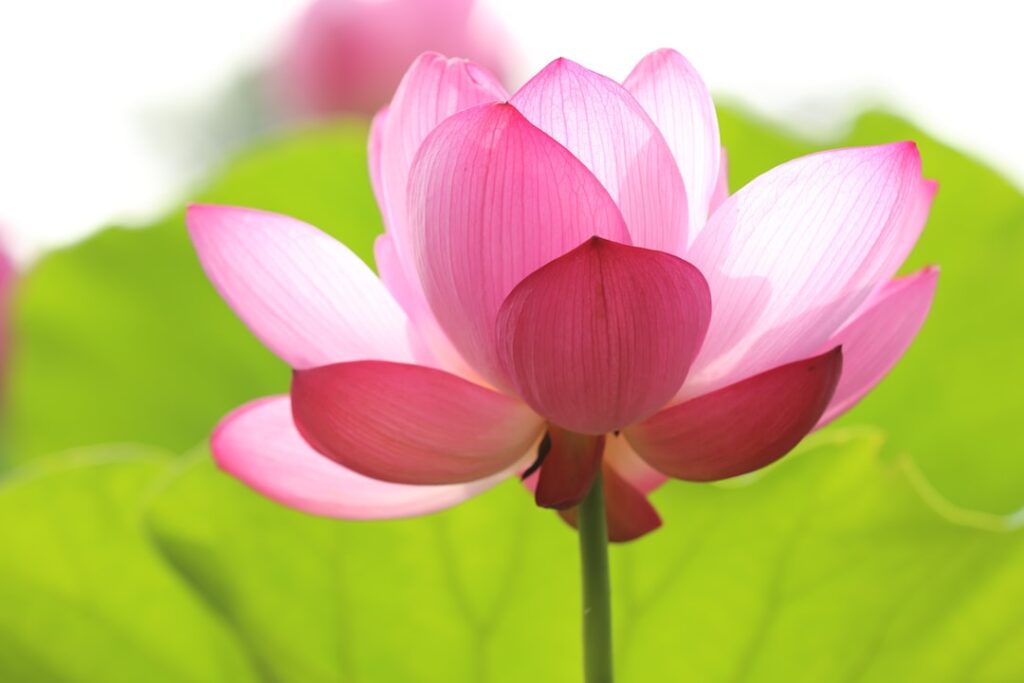
The phrase “No Mud, No Lotus” is a profound metaphor that encapsulates the essence of suffering and joy in the human experience. Coined by the renowned Vietnamese Zen master Thich Nhat Hanh, this concept serves as a reminder that the beauty of life often emerges from the depths of adversity. Just as a lotus flower rises from the muddy waters to bloom in pristine beauty, our own lives can flourish despite the challenges we face.
This idea invites us to explore the interconnectedness of suffering and happiness, suggesting that one cannot exist without the other. In a world that often seeks to avoid discomfort and pain, “No Mud, No Lotus” encourages a radical acceptance of our experiences. It teaches us that suffering is not merely an obstacle to be overcome but an integral part of our journey.
By embracing this duality, we can cultivate resilience and find meaning in our struggles. The teachings surrounding this concept offer valuable insights into how we can navigate life’s complexities with grace and understanding, ultimately leading to a more fulfilling existence.
Key Takeaways
- No Mud, No Lotus teaches that suffering is a necessary part of life and can lead to growth and transformation.
- Interbeing, the concept of interconnectedness, is central to the teachings of No Mud, No Lotus, emphasizing the interdependence of all things.
- Mindfulness is a key tool for overcoming suffering in No Mud, No Lotus, helping individuals to stay present and aware of their experiences.
- No Mud, No Lotus encourages individuals to embrace and transform their suffering, using it as a catalyst for personal growth and understanding.
- Deep listening and loving speech are practices emphasized in No Mud, No Lotus, promoting better communication and understanding in relationships.
The Concept of Interbeing in No Mud, No Lotus
At the heart of “No Mud, No Lotus” lies the concept of interbeing, which emphasizes the interconnectedness of all things. Thich Nhat Hanh articulates this idea by suggesting that nothing exists in isolation; rather, everything is interdependent. This perspective invites us to recognize that our joys and sorrows are not separate entities but rather part of a larger tapestry of existence.
For instance, the joy of a blooming lotus is inextricably linked to the mud from which it emerges. This relationship illustrates how our experiences are shaped by a multitude of factors, including our environment, relationships, and personal histories. Interbeing also encourages us to cultivate compassion for ourselves and others.
When we understand that suffering is a universal experience, we can approach our own pain with greater empathy. This awareness fosters a sense of connection with those around us, allowing us to see beyond our individual struggles. For example, when we witness someone grappling with hardship, we can recognize that their suffering is not unlike our own.
This shared experience can inspire us to offer support and kindness, reinforcing the idea that we are all part of a collective journey through life.
The Role of Mindfulness in Overcoming Suffering
Mindfulness plays a crucial role in the philosophy of “No Mud, No Lotus,” serving as a powerful tool for navigating suffering. By cultivating mindfulness, we learn to observe our thoughts and emotions without judgment, creating space for awareness and acceptance. This practice allows us to confront our pain rather than avoid it, enabling us to process our experiences more fully.
For instance, when faced with feelings of sadness or anxiety, mindfulness encourages us to sit with those emotions, acknowledging their presence without becoming overwhelmed. Through mindfulness, we can also develop a deeper understanding of the impermanence of our experiences. Recognizing that both suffering and joy are transient helps us cultivate resilience in the face of adversity.
When we encounter difficult moments, mindfulness reminds us that they are not permanent fixtures in our lives but rather passing clouds in the vast sky of our existence. This perspective empowers us to navigate challenges with greater ease, knowing that brighter days will follow.
Embracing and Transforming Suffering in No Mud, No Lotus
Embracing suffering is a central tenet of “No Mud, No Lotus.” Rather than viewing pain as something to be feared or avoided, this philosophy encourages us to see it as an opportunity for growth and transformation. By acknowledging our suffering, we can begin to understand its roots and the lessons it holds for us. For example, someone who has experienced loss may find that their grief deepens their capacity for empathy and compassion toward others who are suffering.
Transforming suffering involves actively engaging with it rather than allowing it to define us. This process requires courage and vulnerability as we confront our pain head-on. Thich Nhat Hanh teaches that by embracing our suffering, we can transform it into a source of strength and wisdom.
For instance, individuals who have faced significant challenges often emerge with a renewed sense of purpose and clarity about what truly matters in life. This transformation is not about erasing pain but rather integrating it into our narrative in a way that enriches our understanding of ourselves and the world around us.
The Practice of Deep Listening and Loving Speech
Deep listening and loving speech are essential practices within the framework of “No Mud, No Lotus.” These skills foster connection and understanding in our relationships, allowing us to communicate with compassion and empathy. Deep listening involves fully engaging with another person’s words and emotions without interruption or judgment. This practice creates a safe space for individuals to express their feelings openly, promoting healing and connection.
Loving speech complements deep listening by encouraging us to communicate with kindness and respect. The words we choose can either uplift or harm those around us; thus, practicing loving speech is vital for nurturing healthy relationships. For example, when someone shares their struggles with us, responding with empathy rather than criticism can significantly impact their healing process.
By embodying these practices in our interactions, we contribute to a culture of understanding and support that aligns with the teachings of “No Mud, No Lotus.”
Cultivating Joy and Happiness Through Gratitude

Gratitude is a powerful antidote to suffering and plays a significant role in the philosophy of “No Mud, No Lotus.” By cultivating gratitude, we shift our focus from what is lacking in our lives to what we already have. This practice allows us to appreciate the small joys that often go unnoticed amidst life’s challenges. For instance, taking time each day to reflect on moments of beauty or kindness can foster a sense of contentment and joy.
Moreover, gratitude helps us reframe our experiences by highlighting the lessons learned from difficult situations. When we acknowledge the growth that arises from suffering, we can find reasons to be thankful even in challenging times. This perspective encourages resilience and optimism, reminding us that joy can coexist with pain.
By integrating gratitude into our daily lives, we create a foundation for happiness that is rooted in awareness and appreciation.
The Importance of Community and Support in No Mud, No Lotus
Community plays an integral role in the teachings of “No Mud, No Lotus.” The support we receive from others can significantly impact our ability to navigate suffering and cultivate joy. In times of hardship, having a network of compassionate individuals who understand our struggles can provide comfort and encouragement. This sense of belonging fosters resilience and reminds us that we are not alone on our journey.
This exchange can lead to profound insights and connections that enrich our understanding of ourselves and others.
By actively participating in supportive communities—whether through friendships, family ties, or spiritual groups—we embody the principles of “No Mud, No Lotus,” reinforcing the idea that together we can navigate life’s complexities with grace.
Applying the Teachings of No Mud, No Lotus in Everyday Life
The teachings encapsulated in “No Mud, No Lotus” offer profound insights into how we can approach life’s challenges with resilience and compassion. By embracing the interconnectedness of suffering and joy through interbeing, practicing mindfulness, transforming pain into growth opportunities, engaging in deep listening and loving speech, cultivating gratitude, and fostering community support, we can navigate our journeys with greater awareness and purpose. Incorporating these principles into our daily lives requires intentionality and practice.
It invites us to reflect on our experiences with curiosity rather than judgment while recognizing the beauty that can emerge from even the most challenging circumstances. As we apply these teachings in everyday interactions—whether at home, work, or within our communities—we contribute to a culture that values compassion and understanding. Ultimately, “No Mud, No Lotus” serves as a guiding light on our path toward embracing life’s complexities while nurturing joy amidst adversity.
If you enjoyed reading No Mud, No Lotus by Thich Nhat Hanh, you may also be interested in checking out the article Hello World on Hellread. This article explores the concept of embracing new beginnings and finding beauty in the unknown, much like the message of growth and transformation found in No Mud, No Lotus. It offers a fresh perspective on how we can navigate life’s challenges and come out stronger on the other side.
FAQs
What is the book “No Mud, No Lotus” about?
The book “No Mud, No Lotus” by Thich Nhat Hanh explores the concept of suffering and how it can lead to personal growth and transformation. Thich Nhat Hanh uses the metaphor of the lotus flower, which grows from the mud, to illustrate how suffering can be a catalyst for positive change.
Who is Thich Nhat Hanh?
Thich Nhat Hanh is a Vietnamese Buddhist monk, peace activist, and author. He is known for his teachings on mindfulness, meditation, and social and environmental activism. He has written numerous books on Buddhism and mindfulness, and has been influential in popularizing these practices in the West.
What are some key themes in “No Mud, No Lotus”?
Some key themes in “No Mud, No Lotus” include the nature of suffering, the concept of interbeing (the interconnectedness of all things), the practice of mindfulness, and the potential for transformation and growth through adversity.
How does “No Mud, No Lotus” relate to Buddhism?
“No Mud, No Lotus” is deeply rooted in Buddhist teachings and philosophy. It draws on concepts such as the Four Noble Truths (the truth of suffering, the cause of suffering, the end of suffering, and the path to the end of suffering) and the Eightfold Path (a guide to ethical and mental development in Buddhism).
What are some practical takeaways from “No Mud, No Lotus”?
Practical takeaways from “No Mud, No Lotus” include the practice of mindfulness, cultivating compassion and understanding for oneself and others, and embracing the transformative potential of suffering. The book offers guidance on how to navigate difficult emotions and experiences with grace and resilience.