

In the realm of parenting and education, few resources stand out as prominently as “How to Talk So Kids Will Listen & Listen So Kids Will Talk,” authored by Adele Faber and Elaine Mazlish. First published in 1980, this seminal work has become a cornerstone for parents, educators, and caregivers seeking to foster meaningful communication with children. The book is not merely a guide; it is a comprehensive toolkit that equips adults with the skills necessary to engage with children in a way that promotes understanding, respect, and cooperation.
Faber and Mazlish draw upon their extensive experience in child development and psychology to present practical strategies that can be easily integrated into daily interactions. The authors emphasize that effective communication is not just about conveying information; it is about building a bridge of connection between adults and children. They recognize that children, like adults, have feelings, thoughts, and perspectives that deserve to be acknowledged.
By fostering an environment where open dialogue is encouraged, parents and caregivers can cultivate a sense of trust and security in their relationships with children. This book serves as a guide to navigating the complexities of communication, offering insights that are as relevant today as they were at the time of its publication.
Key Takeaways
- “How to Talk So Kids Will Listen & Listen So Kids Will Talk” is a practical guide for parents and caregivers to improve communication with children.
- Effective communication with children is crucial for building strong relationships and fostering cooperation and problem-solving skills.
- Practical strategies such as acknowledging feelings, giving children choices, and using problem-solving techniques can greatly improve communication with children.
- Active listening plays a key role in understanding children’s perspectives and building trust and empathy in the relationship.
- Using empathy and understanding can help parents and caregivers connect with children and address challenging behaviors in a positive and effective manner.
Understanding the importance of effective communication with children
Effective communication with children is foundational to their emotional and social development. When adults communicate clearly and empathetically, they create an atmosphere where children feel valued and understood. This sense of validation is crucial for a child’s self-esteem and confidence.
Children who experience positive communication are more likely to express their thoughts and feelings openly, leading to healthier relationships with peers and adults alike. Moreover, effective communication helps children develop essential life skills, such as problem-solving, conflict resolution, and emotional regulation. In contrast, poor communication can lead to misunderstandings, frustration, and behavioral issues.
When children feel unheard or dismissed, they may resort to acting out or withdrawing. This can create a cycle of miscommunication that exacerbates tensions between adults and children. By prioritizing effective communication, caregivers can break this cycle and foster a more harmonious environment.
Understanding the significance of communication lays the groundwork for implementing the strategies outlined in Faber and Mazlish’s book.
Practical strategies for improving communication with children

Faber and Mazlish provide a wealth of practical strategies designed to enhance communication with children. One of the key techniques they advocate is the use of descriptive language. Instead of issuing commands or directives, adults are encouraged to describe what they observe.
For instance, rather than saying, “Stop making that noise,” a parent might say, “I hear loud sounds coming from your room.” This approach not only conveys the message but also invites the child to reflect on their behavior without feeling attacked or criticized. Another effective strategy highlighted in the book is the importance of offering choices. Children often feel empowered when they have a say in decisions that affect them.
By presenting options—such as choosing between two outfits or selecting a snack—adults can foster a sense of autonomy while still guiding behavior. This technique not only enhances communication but also encourages children to take responsibility for their choices.
The role of active listening in building strong relationships with children
Active listening is a cornerstone of effective communication and plays a pivotal role in building strong relationships with children. Faber and Mazlish emphasize that listening is not merely about hearing words; it involves fully engaging with the speaker and demonstrating genuine interest in their thoughts and feelings. When adults practice active listening, they validate children’s experiences and emotions, creating a safe space for open dialogue.
To practice active listening, caregivers can employ techniques such as maintaining eye contact, nodding in acknowledgment, and paraphrasing what the child has said. These actions signal to the child that their words are valued and understood. Furthermore, active listening fosters empathy, allowing adults to better comprehend the child’s perspective.
This understanding can lead to more effective responses and solutions when challenges arise.
Using empathy and understanding to connect with children
Empathy is a powerful tool in communication that allows adults to connect with children on a deeper level. Faber and Mazlish stress the importance of recognizing and validating children’s feelings, even when those emotions may seem trivial from an adult’s perspective. By acknowledging a child’s feelings—whether it’s frustration over a lost toy or sadness about a friend moving away—adults demonstrate that they care about the child’s emotional well-being.
Using empathetic language can significantly enhance communication. Phrases like “I can see you’re feeling upset” or “It sounds like you’re really excited about that” help children feel heard and understood. This connection fosters trust and encourages children to share their thoughts and feelings more openly in the future.
When children know that their emotions are respected, they are more likely to engage in constructive conversations rather than resorting to negative behaviors.
Addressing challenging behaviors through effective communication
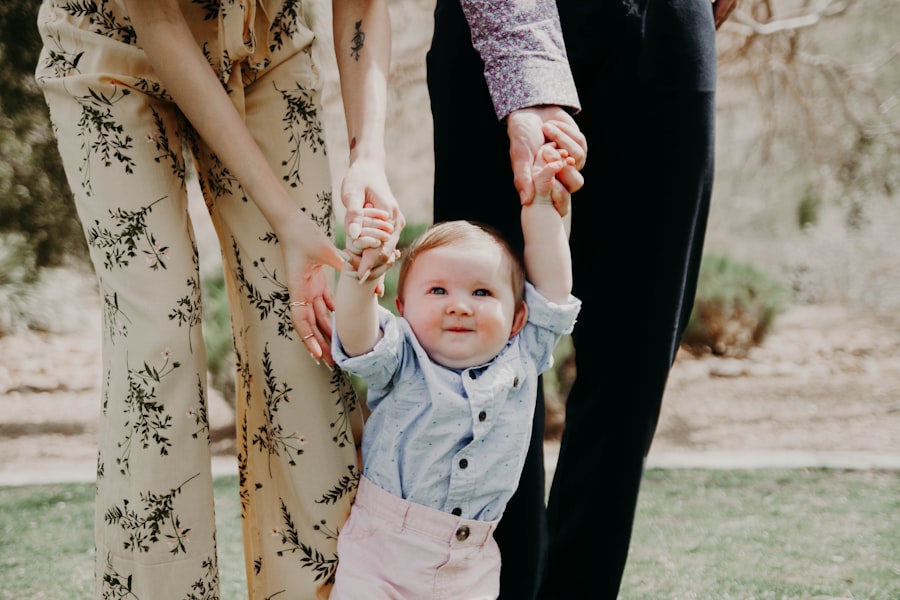
Challenging behaviors are an inevitable part of childhood development, but how adults respond can make all the difference. Faber and Mazlish advocate for addressing these behaviors through effective communication rather than punishment or criticism.
For example, instead of reacting with frustration when a child refuses to clean up their toys, an adult might ask open-ended questions like, “What do you think would make cleaning up easier?” This approach encourages problem-solving and allows the child to express their feelings about the task at hand. By focusing on communication rather than punishment, adults can help children learn from their experiences and develop better coping strategies for managing their emotions.
Encouraging cooperation and problem-solving through communication
Fostering cooperation among children is essential for their social development, and effective communication plays a vital role in this process. Faber and Mazlish emphasize the importance of collaborative problem-solving as a means of encouraging cooperation. When faced with conflicts or disagreements, adults can guide children through discussions that promote understanding and compromise.
One effective technique is to involve children in brainstorming solutions together. For instance, if siblings are arguing over a toy, an adult might facilitate a conversation by asking each child how they feel about the situation and what they think could be done to resolve it. This collaborative approach not only empowers children but also teaches them valuable skills in negotiation and empathy.
Conclusion and key takeaways from “How to Talk So Kids Will Listen & Listen So Kids Will Talk”
In conclusion, “How to Talk So Kids Will Listen & Listen So Kids Will Talk” offers invaluable insights into the art of communication with children. The book emphasizes that effective communication is not just about exchanging words; it is about building relationships based on trust, empathy, and understanding. By implementing practical strategies such as descriptive language, offering choices, practicing active listening, and fostering empathy, adults can create an environment where children feel valued and heard.
The key takeaways from Faber and Mazlish’s work extend beyond mere techniques; they underscore the importance of nurturing emotional connections with children.
Ultimately, this book serves as a reminder that effective communication is a powerful tool for fostering healthy relationships with children—one conversation at a time.
If you’re looking for more parenting advice, you should check out the article “10 Effective Ways to Communicate with Your Child” on hellread.com. This article provides additional tips and strategies for improving communication with your children, which complements the principles outlined in “How to Talk So Kids Will Listen & Listen So Kids Will Talk” by Adele Faber and Elaine Mazlish. It’s always helpful to have a variety of resources to draw from when navigating the challenges of parenting.
FAQs
What is the book “How to Talk So Kids Will Listen & Listen So Kids Will Talk” about?
The book “How to Talk So Kids Will Listen & Listen So Kids Will Talk” by Adele Faber and Elaine Mazlish is a guide for parents and caregivers on effective communication with children. It provides practical strategies for building positive relationships and resolving conflicts with kids.
What are some key topics covered in the book?
The book covers topics such as understanding children’s emotions, using empathy to connect with kids, setting limits and boundaries, and fostering cooperation and problem-solving skills in children.
What are some of the communication techniques recommended in the book?
The book recommends techniques such as acknowledging feelings, giving children choices, using descriptive praise, and engaging in active listening. These techniques are aimed at promoting open and respectful communication with children.
Who is the target audience for this book?
The book is primarily aimed at parents, caregivers, and anyone involved in the upbringing of children. It is suitable for those looking to improve their communication and relationship-building skills with kids.
Are the techniques in the book based on research or evidence?
The techniques and strategies presented in the book are based on the authors’ experiences as well as their observations and interactions with children and families. While not strictly research-based, the book has been widely praised for its practical and effective communication methods.




