

Alexandra Fuller, a British author known for her evocative storytelling, has a rich background that deeply informs her writing. Born in England in 1970, she moved to Zambia with her family when she was just a child. This early exposure to the complexities of African life, coupled with her experiences growing up in a post-colonial environment, shaped her worldview and narrative style. Fuller’s upbringing in Africa, particularly in the tumultuous backdrop of the Rhodesian War, provides a unique lens through which she views her subjects. Her parents’ adventurous spirits and the challenges they faced in a changing landscape are recurring themes in her work.
Fuller’s inspiration for “Cocktail Hour Under the Tree of Forgetfulness” stems from her desire to capture the essence of her family’s history and the broader cultural shifts occurring in Africa. The memoir is not just a personal account; it reflects the intricate tapestry of colonialism, identity, and resilience. Fuller’s experiences and observations are woven into the narrative, allowing readers to glimpse the complexities of life in Africa through her eyes. This blend of personal and historical context makes her writing resonate on multiple levels, inviting readers to reflect on their own experiences and perceptions.
Key Takeaways
- Alexandra Fuller’s background in Africa and her family’s experiences during the Rhodesian Bush War inspired her to write Cocktail Hour Under the Tree of Forgetfulness.
- The memoir follows Fuller’s parents’ tumultuous and eccentric lives in Africa, exploring themes of resilience, identity, and the impact of war on families.
- The book delves into the setting of Africa, creating an atmosphere of both beauty and turmoil, while also exploring the motifs of memory and forgetting.
- The characters, including Fuller’s parents, are vividly portrayed and undergo significant development throughout the memoir.
- Fuller’s writing style is characterized by a candid and humorous narrative voice, which has been well-received by critics and readers alike.
A Summary of Cocktail Hour Under the Tree of Forgetfulness
“Cocktail Hour Under the Tree of Forgetfulness” is a memoir that delves into Fuller’s family history, particularly focusing on her parents, Nicola and Tim Fuller. The book is structured around the concept of memory and storytelling, with the titular tree serving as a metaphor for the moments of reflection and connection that occur within families. Fuller recounts her childhood experiences in Africa, highlighting both the beauty and the chaos that defined her upbringing. The narrative is rich with anecdotes that illustrate her parents’ personalities, their struggles, and their enduring love for one another.
Throughout the memoir, Fuller paints a vivid picture of life in Africa, capturing the sights, sounds, and emotions that shaped her formative years. The story unfolds against a backdrop of political upheaval and personal challenges, yet it remains infused with humor and warmth. As she navigates through her family’s past, Fuller also explores themes of loss, memory, and the ways in which we construct our identities through storytelling. The memoir is not just a recollection of events; it is an exploration of how those events have shaped who she is today.
The Themes and Motifs Explored in the Book

One of the central themes in “Cocktail Hour Under the Tree of Forgetfulness” is the concept of memory and its fluidity. Fuller examines how memories can be both reliable and unreliable, often shaped by emotions and perspectives. This theme is particularly poignant as she reflects on her parents’ lives and their differing recollections of shared experiences. The act of remembering becomes a way for Fuller to connect with her family’s history while also acknowledging the complexities that come with it.
Another significant motif is the idea of home and belonging. Fuller grapples with what it means to belong to a place that is constantly changing. Her family’s life in Africa is marked by both beauty and turmoil, leading to questions about identity and connection. The tree under which they gather for cocktail hour symbolizes a place of refuge and nostalgia, where stories are shared, and bonds are strengthened. Through this motif, Fuller invites readers to consider their own notions of home and how they are influenced by personal histories.
The Setting and Atmosphere of the Memoir
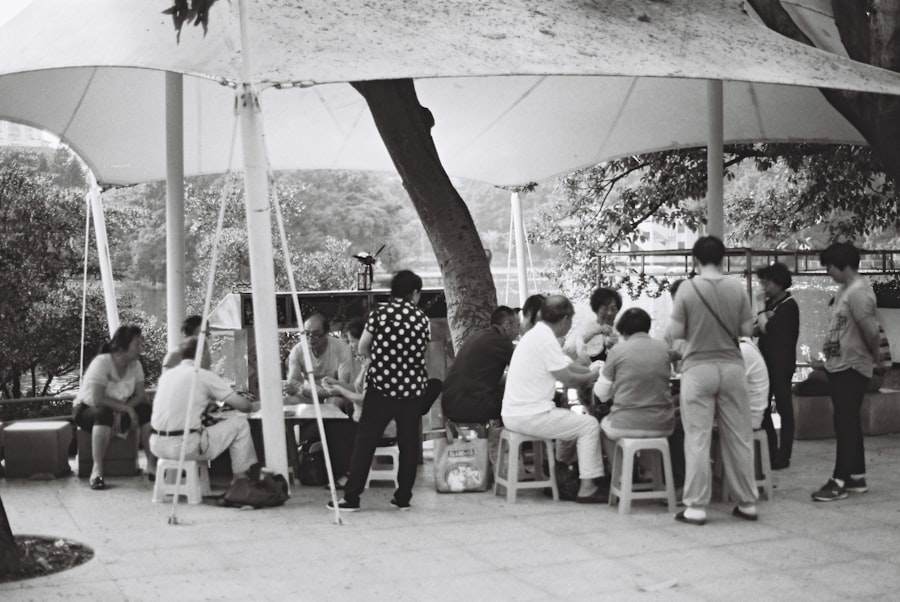
The setting of “Cocktail Hour Under the Tree of Forgetfulness” plays a crucial role in shaping the narrative. Fuller’s descriptions of Africa are vivid and immersive, transporting readers to a world filled with vibrant landscapes and rich cultural traditions. From the bustling markets to the serene sunsets over the savannah, she captures the essence of a continent that is both beautiful and complex. The atmosphere is often tinged with nostalgia as Fuller reflects on her childhood experiences, creating a sense of longing for a time that was both idyllic and fraught with challenges.
The tree itself serves as a central symbol within this setting, representing both stability and change. It is under this tree that family stories are shared, laughter echoes, and memories are forged. The juxtaposition of joyful moments against the backdrop of political unrest adds depth to the atmosphere, highlighting the resilience of the human spirit in the face of adversity. Fuller’s ability to evoke such strong imagery allows readers to feel as though they are part of her journey, experiencing the sights and sounds alongside her.
The Characters and Their Development
Fuller’s portrayal of her parents is one of the most compelling aspects of “Cocktail Hour Under the Tree of Forgetfulness.” Nicola Fuller emerges as a strong yet vulnerable figure, embodying both grace and grit as she navigates the challenges of life in Africa. Her love for her family is palpable, yet she also grapples with her own desires and disappointments. Tim Fuller, on the other hand, is depicted as an adventurous spirit whose passion for life often leads him into precarious situations. Their dynamic creates a rich tapestry of relationships that adds depth to the memoir.
As the narrative unfolds, readers witness the evolution of these characters through their experiences and interactions. Fuller skillfully weaves together moments of joy and sorrow, illustrating how life’s challenges shape their identities over time. The development of these characters is not just about their individual journeys; it also reflects broader themes of resilience and adaptability in a changing world. Through their stories, Fuller invites readers to consider how familial bonds can endure despite adversity.
The Author’s Writing Style and Narrative Voice
Fuller’s writing style in “Cocktail Hour Under the Tree of Forgetfulness” is characterized by its lyrical quality and vivid imagery. She has a knack for painting scenes that come alive on the page, allowing readers to immerse themselves in her world. Her use of descriptive language creates a sensory experience that enhances the emotional weight of her stories. Whether she’s describing a bustling market or a quiet moment under the tree, Fuller’s prose captures the essence of each experience.
The narrative voice is conversational yet reflective, striking a balance between storytelling and introspection. Fuller often interjects her thoughts and feelings into the narrative, inviting readers to engage with her reflections on memory, identity, and belonging. This personal touch makes her writing relatable and accessible, drawing readers into her journey while encouraging them to reflect on their own experiences. Her ability to blend humor with poignant moments adds depth to the narrative, making it both enjoyable and thought-provoking.
Critical Reception and Reviews of the Book
“Cocktail Hour Under the Tree of Forgetfulness” has received positive acclaim from critics and readers alike. Many have praised Fuller’s ability to weave together personal anecdotes with broader historical contexts, creating a memoir that resonates on multiple levels.
Reviewers have highlighted her skillful storytelling and evocative prose, noting how she captures the complexities of family dynamics against a backdrop of political upheaval.
Critics have also commended Fuller for her candid exploration of memory and identity.
The memoir has been described as both heartwarming and heartbreaking, reflecting the duality of life in Africa during tumultuous times.
Readers appreciate how Fuller’s honesty allows them to connect with her experiences on a personal level while also gaining insight into a world that may be unfamiliar to them. Overall, the book has been well-received as an important contribution to contemporary memoir literature.
The Impact and Influence of the Memoir
The impact of “Cocktail Hour Under the Tree of Forgetfulness” extends beyond its pages; it has sparked conversations about memory, identity, and belonging within diverse contexts. Fuller’s exploration of her family’s history resonates with readers who grapple with their own narratives shaped by cultural backgrounds or historical events. The memoir serves as a reminder that our stories are interconnected, reflecting broader themes that transcend individual experiences.
Moreover, Fuller’s work has contributed to a growing body of literature that seeks to illuminate African narratives from personal perspectives. By sharing her family’s story within a historical framework, she encourages readers to engage with complex issues surrounding colonialism and post-colonial identity. This influence has inspired other writers to explore similar themes in their own works, fostering a richer understanding of diverse cultural experiences.
Comparisons to Other Works by Alexandra Fuller
Fuller’s body of work often reflects similar themes found in “Cocktail Hour Under the Tree of Forgetfulness.” In her earlier memoirs like “Don’t Let’s Go to the Dogs Tonight,” she explores her childhood experiences in Africa with raw honesty and humor. Both works share an emphasis on memory and familial relationships while delving into the complexities of growing up in a post-colonial context.
However, “Cocktail Hour” stands out for its more introspective tone as it focuses on familial history rather than solely personal experiences. While “Don’t Let’s Go to the Dogs Tonight” captures childhood innocence amidst chaos, “Cocktail Hour” offers a deeper exploration into how those early experiences shape adult identities. This evolution in Fuller’s writing showcases her growth as an author while maintaining her signature style.
Discussion of the Title and Its Significance
The title “Cocktail Hour Under the Tree of Forgetfulness” carries significant weight within the context of the memoir. The phrase evokes images of relaxation and camaraderie but also hints at deeper themes related to memory and nostalgia. The tree symbolizes a gathering place where stories are shared—both joyful memories and painful recollections—creating an atmosphere where forgetting becomes an act of survival.
Moreover, “forgetfulness” suggests that while some memories may fade or be altered over time, they still hold power over our identities. The cocktail hour represents moments when families come together to reflect on their pasts while navigating present realities. In this way, Fuller invites readers to consider how we remember our histories—what we choose to hold onto or let go—and how those choices shape our understanding of ourselves.
The Legacy of Cocktail Hour Under the Tree of Forgetfulness
The legacy of “Cocktail Hour Under the Tree of Forgetfulness” lies in its ability to resonate with readers across generations and cultures. Fuller’s exploration of memory, identity, and familial bonds speaks to universal themes that transcend geographical boundaries. As more readers engage with her work, they find connections between their own stories and those shared within its pages.
Additionally, Fuller’s memoir contributes to an ongoing dialogue about African narratives within literature—challenging stereotypes while offering nuanced perspectives on life in post-colonial contexts. By sharing her family’s story with honesty and grace, she paves the way for future writers to explore similar themes in their own works.
In conclusion, “Cocktail Hour Under the Tree of Forgetfulness” stands as a testament to Alexandra Fuller’s skill as a storyteller and her ability to weave together personal history with broader cultural narratives. Through its rich themes, vivid settings, and compelling characters, this memoir invites readers into an intimate exploration of memory—reminding us all that our stories matter.




