
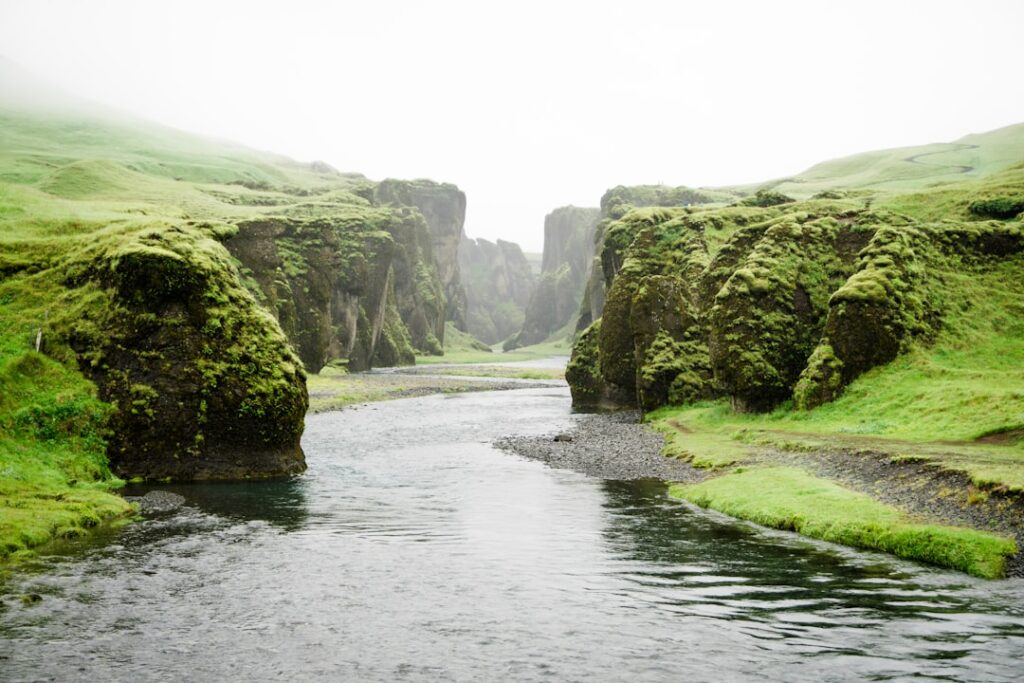
“To the River” is a captivating exploration of the River Ouse in Sussex, England, penned by Olivia Laing. The book is not just a travelogue; it’s a rich tapestry woven from personal narrative, historical reflection, and a deep dive into the natural world. Laing takes readers on a journey along the river, intertwining her own experiences with the stories of those who have been touched by its waters. The narrative is both intimate and expansive, inviting readers to consider the river as a living entity that shapes and is shaped by human lives.
At its core, “To the River” is about connection—between people and nature, between past and present. Laing’s prose flows like the river itself, meandering through memories, thoughts, and observations. This book is an invitation to reflect on how landscapes influence our identities and how we find solace in nature’s rhythms.
Key Takeaways
- “To the River” is a non-fiction book by Olivia Laing that explores the River Ouse in Sussex, England.
- Olivia Laing is a British writer and critic known for her works on art, culture, and nature.
- The book is set along the River Ouse, a historically and culturally significant waterway in England.
- Themes in “To the River” include nature, history, mythology, and the intersection of human experience with the natural world.
- The river serves as a central motif, symbolizing both the passage of time and the interconnectedness of nature and human life.
The author, Olivia Laing
Olivia Laing is an accomplished writer known for her keen observations and lyrical prose. Her work often delves into themes of loneliness, love, and the human condition, making her a compelling voice in contemporary literature. Laing has written several acclaimed books, including “The Lonely City” and “Crudo,” but “To the River” stands out as a unique blend of memoir and nature writing.
Laing’s background in art history and her passion for literature inform her writing style. She has a knack for weaving together personal anecdotes with broader cultural narratives, creating a rich context for her reflections. In “To the River,” she draws on her own experiences while also engaging with the historical significance of the Ouse, making her insights resonate on multiple levels.
The setting of the book
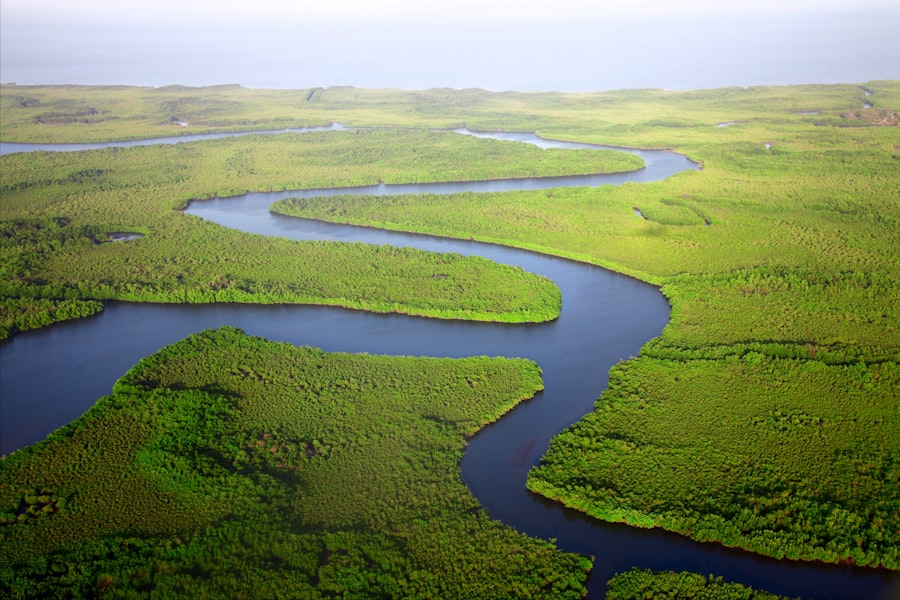
The River Ouse serves as both the setting and a character in “To the River.” Flowing through Sussex, it has been a source of inspiration for many writers and artists throughout history, including Virginia Woolf, who famously drowned in its waters. Laing’s journey along the river is not just a physical one; it’s also a metaphorical exploration of life’s currents.
As she walks alongside the riverbanks, Laing paints vivid pictures of the landscape—the lush greenery, the changing seasons, and the wildlife that inhabits the area. Her descriptions evoke a sense of place that is both specific and universal. The river becomes a mirror reflecting her thoughts and emotions, as well as those of the people who have come before her. This setting is not merely a backdrop; it is integral to understanding the themes and ideas that Laing explores throughout the book.
Themes explored in To the River

“To the River” delves into several interwoven themes that resonate deeply with readers. One prominent theme is the relationship between nature and human experience. Laing examines how landscapes shape our identities and influence our emotions. The river serves as a constant reminder of life’s transience and the inevitability of change.
Another significant theme is memory and loss. As Laing reflects on her own life experiences, she also contemplates the lives of others who have been connected to the Ouse. The river becomes a repository of memories—both joyful and sorrowful—allowing Laing to explore how we carry our pasts with us. This theme of remembrance is particularly poignant as she considers Woolf’s tragic end, prompting readers to reflect on their own relationships with memory and loss.
The significance of the river as a central motif
The river in Laing’s narrative is more than just a physical entity; it symbolizes the flow of time and the interconnectedness of all living things. Throughout “To the River,” Laing uses the river as a motif to explore themes of continuity and change. Just as the river carves its path through the landscape, so too do our lives unfold in unpredictable ways.
Laing’s reflections on the river also highlight its dual nature—both nurturing and destructive. It provides sustenance to those who live along its banks while also possessing an unpredictable power that can lead to tragedy. This complexity mirrors human existence itself, where joy and sorrow often coexist. By centering her narrative around the river, Laing invites readers to consider their own relationships with nature and how these connections shape their lives.
The intersection of nature and human experience
In “To the River,” Laing skillfully navigates the intersection of nature and human experience, illustrating how deeply intertwined they are. The river serves as a backdrop for her personal journey but also as a lens through which she examines broader existential questions. As she walks along its banks, she reflects on her own life choices, relationships, and moments of solitude.
Laing’s observations about nature are not merely descriptive; they are infused with emotion and insight. She captures the beauty of the natural world while also acknowledging its harsh realities. This duality allows readers to appreciate nature’s complexity—its ability to inspire awe while also evoking feelings of vulnerability. Through her journey along the Ouse, Laing encourages readers to consider their own connections to nature and how these relationships shape their understanding of themselves.
The impact of history and mythology on the narrative
History and mythology play significant roles in “To the River,” enriching Laing’s narrative with layers of meaning. The Ouse has been a witness to countless events over centuries, from local folklore to significant historical moments. Laing weaves these stories into her own journey, creating a dialogue between past and present.
The presence of Virginia Woolf looms large throughout the book, serving as both an inspiration and a cautionary tale. Laing reflects on Woolf’s life and work while also grappling with her tragic end. This exploration adds depth to Laing’s narrative, prompting readers to consider how history shapes our understanding of ourselves and our surroundings. By intertwining personal reflections with historical context, Laing creates a rich tapestry that invites contemplation.
Laing’s personal journey and reflections in the book
Laing’s personal journey is at the heart of “To the River.” As she traverses the landscape along the Ouse, she shares her thoughts on love, loss, and solitude. Her candid reflections reveal vulnerabilities that many readers can relate to—moments of doubt, longing, and introspection.
Throughout her journey, Laing grapples with her own identity and place in the world. The river becomes a metaphor for her search for meaning and connection. As she navigates its twists and turns, she reflects on her relationships with family, friends, and herself. This personal exploration adds an intimate layer to the narrative, allowing readers to connect with Laing on a deeper level.
The use of language and imagery in To the River
Laing’s use of language in “To the River” is both poetic and evocative. Her descriptions are rich with imagery that brings the landscape to life, allowing readers to visualize each scene vividly. Whether she’s describing the shimmering surface of the water or the rustling leaves along the banks, her words create an immersive experience.
Moreover, Laing employs metaphorical language that enhances her themes. The river serves as a powerful symbol throughout her writing—representing not only physical movement but also emotional currents that flow through our lives. This careful attention to language elevates her narrative, making it resonate long after reading.
Critical reception and impact of the book
“To the River” has garnered significant critical acclaim since its publication. Reviewers have praised Laing for her lyrical prose and insightful reflections on nature and human experience. Many have noted how she successfully blends memoir with environmental writing, creating a unique voice that resonates with diverse audiences.
The book has sparked discussions about our relationship with nature and how we navigate our own histories within it. Readers have found solace in Laing’s exploration of solitude and connection, making it a relevant read in today’s fast-paced world. Its impact extends beyond literary circles; it encourages individuals to reflect on their own journeys alongside nature.
Conclusion and lasting impressions of To the River
In conclusion, “To the River” is more than just a journey along a waterway; it’s an exploration of life itself—its complexities, joys, and sorrows. Olivia Laing masterfully intertwines personal narrative with historical context, creating a rich tapestry that invites readers to reflect on their own connections to nature and memory.
The river serves as both a setting and a symbol throughout Laing’s work, reminding us of life’s transience while also offering moments of beauty and reflection. As readers traverse alongside her through this lyrical landscape, they are left with lasting impressions about their own journeys through life—a testament to Laing’s ability to capture both individual experiences and universal truths within her writing.




