

A.J. Jacobs’ “The Year of Living Biblically” is a fascinating exploration of what it means to live according to the Bible’s teachings.
Jacobs, a self-proclaimed secular Jew, decided to take on the challenge of following the Bible’s rules as literally as possible for an entire year.
This experiment was not just about adhering to ancient texts; it was a deep dive into the complexities of faith, morality, and the human experience. By immersing himself in biblical living, Jacobs aimed to understand how these age-old principles could apply to modern life.
The book chronicles his journey through various rituals, commandments, and practices found in both the Old and New Testaments. From stoning adulterers to wearing white robes, Jacobs’ year was filled with both humorous and profound moments. His narrative invites readers to reflect on their own beliefs and the role of religion in contemporary society, making it a thought-provoking read for anyone curious about faith and its implications.
Jacobs’ motivation for this ambitious project stemmed from a mix of curiosity and a desire for personal growth. As someone who identified more with cultural Judaism than religious practice, he felt a disconnect from the spiritual aspects of his heritage. He wanted to explore whether living biblically could provide him with a deeper understanding of his faith and perhaps even a sense of purpose. The idea was not merely to follow rules but to engage with them meaningfully.
Additionally, Jacobs was intrigued by the contradictions and complexities within the Bible itself. He recognized that many people cherry-pick verses to support their beliefs while ignoring others that might challenge them. By committing to a year of living biblically, he aimed to confront these inconsistencies head-on. This quest for authenticity and understanding became a driving force behind his experiment, pushing him to examine not just the text but also his own beliefs and values.
Key Takeaways
- A.J. Jacobs embarked on a year-long experiment to live according to the rules and guidelines of the Bible, chronicling his experiences in the book “The Year of Living Biblically.”
- Jacobs’ motivation for the experiment stemmed from his curiosity about religion and spirituality, as well as a desire to explore the impact of biblical living on his personal life and relationships.
- Throughout the experiment, Jacobs followed a set of rules and guidelines derived from the Bible, including aspects such as clothing, diet, and interpersonal interactions.
- Jacobs faced numerous challenges and obstacles while living biblically, including navigating societal norms, managing relationships, and adhering to the strict guidelines of the experiment.
- The experiment had a profound impact on Jacobs’ personal life and relationships, leading to insights and lessons about faith, morality, and the human experience.
The rules and guidelines Jacobs followed during his year-long experiment
To structure his year, Jacobs created a set of rules based on biblical commandments and teachings. He consulted various religious texts, including the Torah and the New Testament, and even sought advice from religious leaders across different faiths. His guidelines included both well-known commandments, like the Ten Commandments, and lesser-known rules, such as not mixing fabrics or refraining from certain foods.
Jacobs also embraced practices that might seem outdated or impractical in today’s world.
For instance, he attempted to observe the Sabbath by refraining from work and technology every Saturday.
He also engaged in acts of kindness, such as giving to charity and helping those in need, which are emphasized throughout biblical teachings. By following these rules, Jacobs aimed to immerse himself fully in the experience, allowing him to explore how these ancient guidelines could resonate in a modern context.
The challenges and obstacles Jacobs faced while living biblically
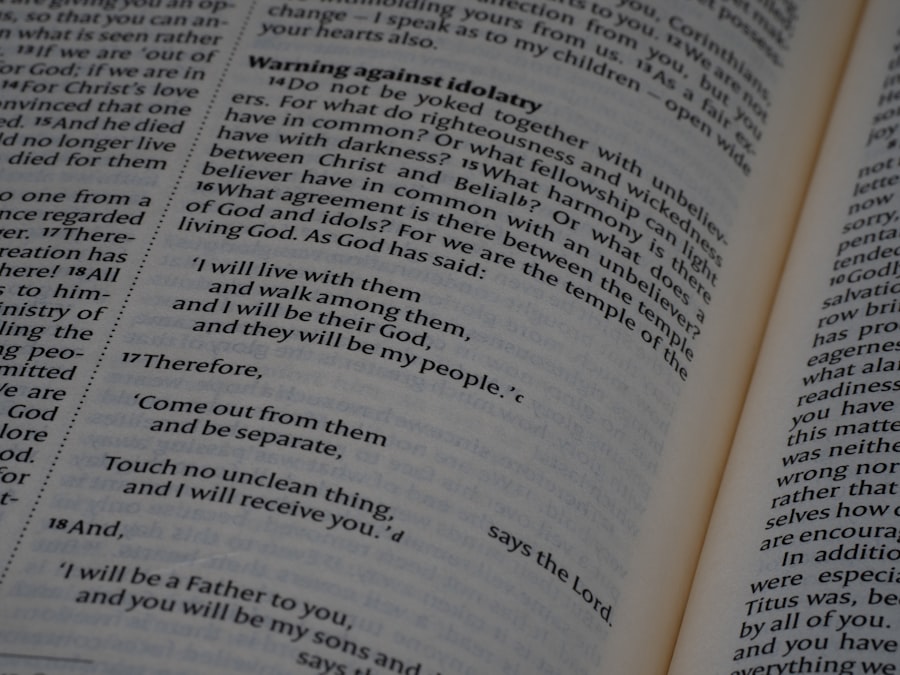
Living biblically proved to be far more challenging than Jacobs initially anticipated. One of the most significant obstacles was reconciling the literal interpretation of biblical laws with contemporary life. For example, he grappled with the commandment against working on the Sabbath while trying to balance his job as a writer and family responsibilities. This tension often led to moments of frustration and self-doubt as he navigated the complexities of modern existence.
Social interactions also posed challenges for Jacobs. He found that adhering strictly to biblical rules sometimes alienated him from friends and family who did not share his commitment. For instance, when he refused to shake hands with women due to purity laws, it created awkward situations that tested his relationships. These challenges forced Jacobs to confront not only the practicalities of living biblically but also the social implications of his choices.
The impact of Jacobs’ experiment on his personal life and relationships
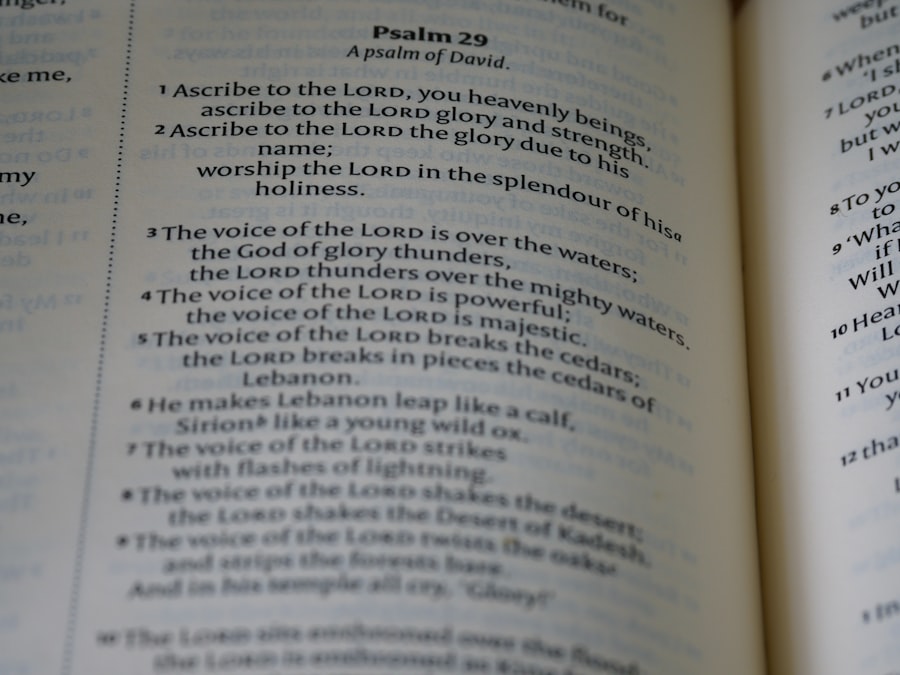
Jacobs’ year-long experiment had a profound impact on his personal life and relationships. As he delved deeper into biblical teachings, he found himself reflecting on his values and priorities. The experience prompted him to engage in more meaningful conversations with his wife and children about faith, morality, and what it means to live a good life. This newfound focus on spirituality brought them closer together as they navigated the complexities of their beliefs as a family.
However, not all reactions were positive. Some friends viewed his experiment as eccentric or even pretentious, leading to moments of isolation. Yet, these challenges also opened up opportunities for dialogue about faith and spirituality that might not have occurred otherwise. Ultimately, Jacobs learned that while living biblically could be isolating at times, it also fostered deeper connections with those willing to engage in discussions about faith.
The lessons and insights Jacobs gained from his year of living biblically
Throughout his journey, Jacobs gained numerous insights that reshaped his understanding of faith and spirituality. One significant lesson was the importance of community in religious practice. He discovered that many biblical teachings emphasize collective worship and support, which highlighted the value of shared experiences in fostering spiritual growth. This realization encouraged him to seek out communities where he could engage with others on similar journeys.
Another key insight was the idea that rules can serve as a framework for personal growth rather than rigid constraints. While some biblical laws felt outdated or impractical, Jacobs recognized that they often contained underlying principles that could be applied in modern contexts. For example, the emphasis on kindness and charity resonated deeply with him, prompting him to incorporate these values into his daily life beyond the experiment.
The reactions of friends, family, and the public to Jacobs’ experiment
Jacobs’ experiment elicited a wide range of reactions from those around him. His family was generally supportive but also perplexed by some of his more extreme interpretations of biblical living. His wife often found herself caught between supporting her husband’s quest for understanding and navigating the practical implications of their daily lives together. Friends had mixed responses; some were intrigued by his commitment while others viewed it as an oddity.
Public reaction was equally varied when Jacobs shared his experiences through articles and speaking engagements. Many readers appreciated his humor and candidness in discussing the absurdities he encountered while living biblically. Others criticized him for trivializing religious practices or failing to grasp their deeper significance. These diverse reactions highlighted the complexities surrounding faith in contemporary society and sparked conversations about what it means to live authentically.
The role of religion and spirituality in Jacobs’ journey
Religion played a central role in Jacobs’ journey, serving as both a source of inspiration and a point of contention. While he approached the Bible with skepticism at times, he also found moments of genuine connection with its teachings. His exploration revealed that spirituality is not solely about adherence to rules but also about seeking meaning and understanding in one’s life.
Jacobs’ experience underscored the idea that spirituality can be deeply personal and subjective. He learned that individuals interpret religious texts through their own lenses shaped by culture, experience, and personal beliefs. This realization encouraged him to embrace a more nuanced view of faith—one that acknowledges both its complexities and its potential for fostering connection and understanding among people from diverse backgrounds.
Comparisons between biblical living and modern-day societal norms
Jacobs’ year-long experiment highlighted stark contrasts between biblical living and contemporary societal norms. Many biblical commandments seem at odds with modern values around individual freedom and personal choice. For instance, laws regarding dietary restrictions or gender roles can feel restrictive in today’s context where inclusivity is often prioritized.
However, Jacobs also found parallels between biblical teachings and modern ethical principles. Concepts like compassion, honesty, and community service resonate across cultures and eras, suggesting that some core values remain timeless despite changing societal norms. This exploration prompted readers to reflect on how ancient wisdom can inform contemporary ethical dilemmas.
The lasting effects of Jacobs’ experiment on his beliefs and lifestyle
By the end of his year-long journey, Jacobs emerged with a transformed perspective on faith and spirituality. While he did not convert to any particular religion, he developed a deeper appreciation for the moral teachings found within religious texts. The experience encouraged him to incorporate elements of biblical living into his daily routine—whether through acts of kindness or moments of reflection.
Jacobs also recognized that spirituality is an ongoing journey rather than a destination. His experiment instilled in him a sense of curiosity about different faiths and practices beyond his own background. This openness has allowed him to engage with diverse communities and explore various spiritual paths without feeling confined by dogma.
The broader implications of The Year of Living Biblically for readers and society
“The Year of Living Biblically” offers valuable insights not only for individuals seeking spiritual growth but also for society at large. It challenges readers to consider their own beliefs critically while encouraging open dialogue about faith in an increasingly pluralistic world. By sharing his experiences with humor and honesty, Jacobs invites readers to reflect on their values without judgment.
Moreover, Jacobs’ journey underscores the importance of empathy in understanding diverse perspectives on faith and morality. In an era marked by division over religious beliefs, his story serves as a reminder that exploring spirituality can foster connection rather than conflict. Ultimately, “The Year of Living Biblically” encourages readers to embark on their own journeys of exploration—whether through faith or simply by seeking deeper meaning in their lives.




