
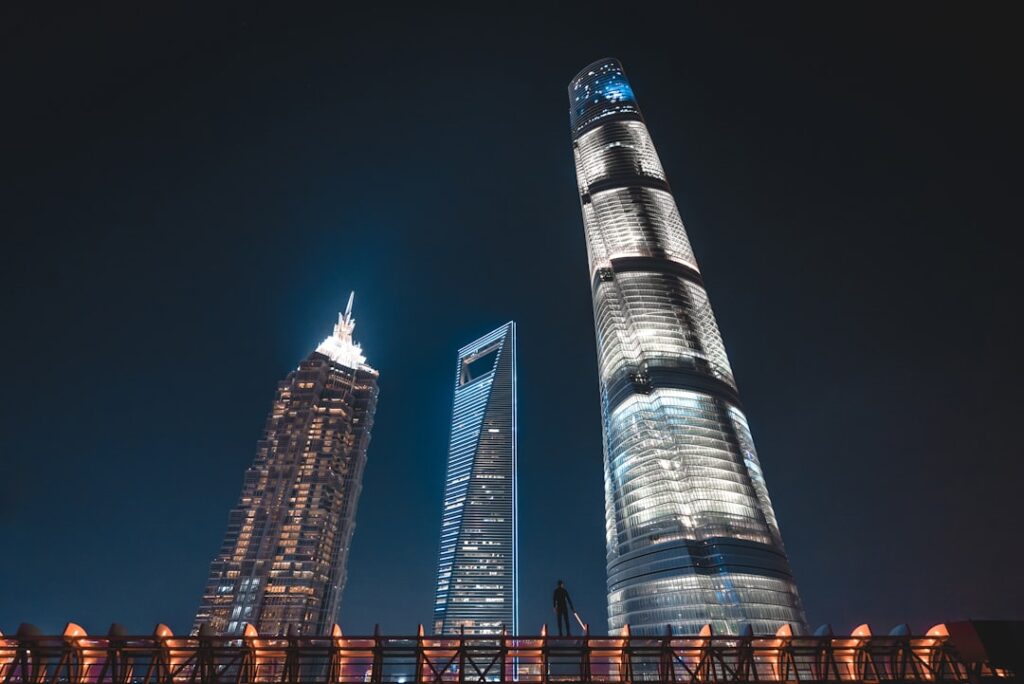
The concept of the “China Dream” has emerged as a significant ideological framework within contemporary Chinese society, particularly since its introduction by President Xi Jinping in 2012. It encapsulates a vision for national rejuvenation, emphasizing prosperity, national strength, and cultural revival. The term resonates with a broad spectrum of aspirations among the Chinese populace, ranging from economic advancement to personal fulfillment. As a guiding principle, the China Dream seeks to unify the nation under a common goal, promoting a sense of collective identity and purpose.
The China Dream is not merely a political slogan; it reflects deeper societal aspirations and challenges. It serves as a lens through which various facets of Chinese life can be examined, including the interplay between individual ambitions and collective goals. The notion has sparked discussions about what it means to be Chinese in the 21st century, as well as the implications of rapid modernization and globalization on traditional values. As such, understanding the China Dream requires an exploration of its origins, its representation in literature, and its impact on the lives of ordinary citizens.
In exploring the themes of aspiration and disillusionment in contemporary China, Ma Jian’s “The China Dream” offers a poignant critique of the nation’s rapid modernization and its impact on individual identity. A related article that delves deeper into the complexities of the Chinese dream and its societal implications can be found at Hellread. This article provides additional insights into the cultural and political landscape that shapes the narratives of individuals striving for their own version of the dream amidst the challenges they face.
Key Takeaways
- The China Dream is a concept introduced by President Xi Jinping, emphasizing national rejuvenation and prosperity.
- Ma Jian, a prominent Chinese author, offers a critical perspective on the China Dream, highlighting its oppressive nature and impact on individual freedom.
- The China Dream is deeply rooted in the political and social context of China, reflecting the government’s emphasis on control and conformity.
- Themes and symbolism in The China Dream include the struggle for personal freedom, the impact of political propaganda, and the tension between tradition and modernity.
- The China Dream has sparked controversies and criticisms for its promotion of nationalism and censorship, leading to debates about its impact on Chinese society and literature.
Ma Jian’s Perspective on the China Dream
Ma Jian, a prominent Chinese novelist and dissident, offers a critical perspective on the China Dream through his literary works.
His writings often reflect a deep skepticism towards the official narratives propagated by the Chinese government.
In novels such as “The Dark Road” and “China Dream,” Ma Jian explores the disillusionment and despair that can accompany the pursuit of nationalistic ideals. He portrays characters who grapple with the stark realities of life in modern China, often contrasting their personal struggles with the grandiose promises of the China Dream.
In Ma Jian’s view, the China Dream is fraught with contradictions. While it purports to offer hope and prosperity, he highlights the pervasive corruption, social inequality, and environmental degradation that undermine these ideals. His characters frequently find themselves trapped in a system that prioritizes economic growth over individual well-being. Through his narrative style, Ma Jian invites readers to question the authenticity of the China Dream and to consider the human cost of its pursuit. His works serve as a counter-narrative to the official discourse, emphasizing the need for critical reflection on what it means to dream in a society marked by repression and conformity.
The Political and Social Context of The China Dream

The political landscape in which the China Dream was conceived is essential for understanding its significance. Following decades of economic reform and opening up, China has experienced unprecedented growth, transforming into one of the world’s largest economies. However, this rapid development has also led to significant social challenges, including widening income disparities and environmental crises. The China Dream emerged as a response to these issues, aiming to foster a sense of unity and purpose among citizens while addressing their aspirations for a better life.
Socially, the China Dream reflects a complex interplay between tradition and modernity. As urbanization accelerates and traditional values are challenged by new lifestyles, many individuals find themselves navigating a landscape of competing expectations. The government promotes the China Dream as a means to instill national pride and cohesion amidst these changes. However, this ideal often clashes with personal aspirations, leading to tensions between individual desires and collective goals. The political context surrounding the China Dream thus serves as both a backdrop and a catalyst for ongoing debates about identity, belonging, and the future direction of Chinese society.
Themes and Symbolism in The China Dream
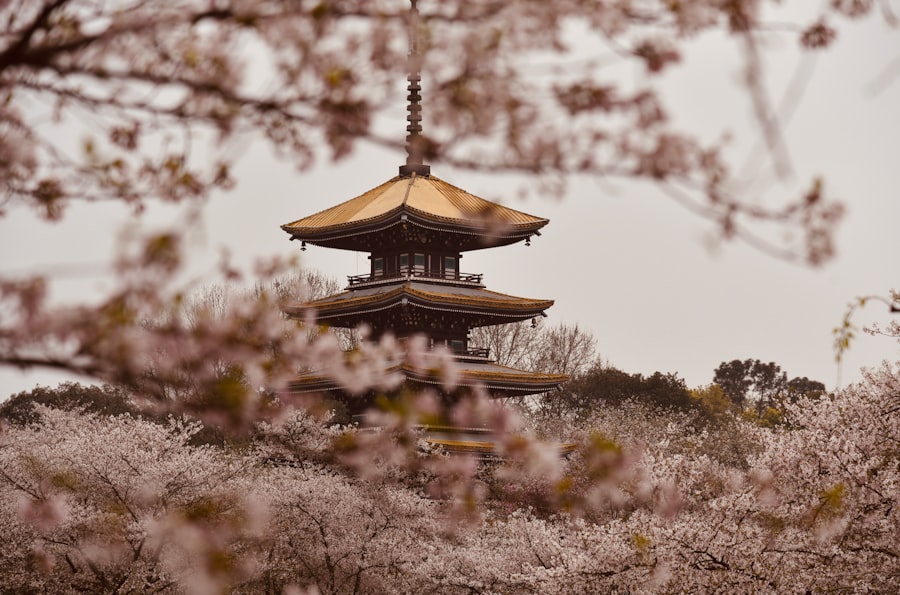
The themes and symbolism embedded within the China Dream are multifaceted, reflecting both aspirations and anxieties prevalent in contemporary Chinese society. Central to this concept is the idea of rejuvenation—a return to a perceived historical greatness that resonates with many citizens. This theme is often symbolized through references to China’s rich cultural heritage, invoking images of past dynasties and achievements. Such symbolism serves to legitimize current political authority while fostering a sense of continuity in national identity.
Another prominent theme is the tension between individualism and collectivism. The China Dream encourages citizens to pursue personal success while simultaneously contributing to national prosperity. This duality is often represented through narratives that celebrate individual achievements as part of a larger national story. However, this idealization can obscure the realities faced by many individuals who struggle against systemic barriers. The symbolism associated with the China Dream thus reflects both an aspirational vision for society and the complexities inherent in reconciling personal ambitions with collective responsibilities.
In exploring the themes of aspiration and disillusionment in contemporary China, Ma Jian’s “The China Dream” presents a compelling narrative that resonates with the societal struggles faced by many. A related article that delves into similar issues can be found at this link, where the complexities of personal and national identity are examined in the context of modern Chinese society.
Both works highlight the tension between individual desires and the overarching political landscape, offering readers a profound insight into the challenges of pursuing dreams in a rapidly changing world.
Criticisms and Controversies Surrounding The China Dream
Despite its aspirational qualities, the China Dream has faced significant criticisms and controversies. Detractors argue that it serves as a tool for political propaganda, designed to legitimize government policies while suppressing dissent. Critics contend that the emphasis on national pride often comes at the expense of individual freedoms and human rights. In this view, the China Dream can be seen as an attempt to distract citizens from pressing social issues such as corruption, environmental degradation, and social inequality.
Moreover, there are concerns about how the China Dream is implemented in practice. Many citizens feel that their personal aspirations are stifled by bureaucratic obstacles and systemic inequalities. The gap between the idealized vision of the China Dream and the lived experiences of ordinary people has led to widespread disillusionment. This disconnect raises important questions about who truly benefits from the pursuit of this dream and whether it can genuinely reflect the diverse aspirations of all Chinese citizens.
The Impact of The China Dream on Chinese Society
The impact of the China Dream on Chinese society is profound and multifaceted. On one hand, it has fostered a sense of national pride and unity among citizens, encouraging them to aspire for personal success while contributing to collective goals. This narrative has been instrumental in shaping public discourse around economic development and social progress, motivating individuals to pursue education, entrepreneurship, and innovation.
On the other hand, the pursuit of the China Dream has also exacerbated existing social tensions. As individuals strive for success within a competitive environment, issues such as mental health challenges and social isolation have become more pronounced. The pressure to conform to societal expectations can lead to feelings of inadequacy among those who struggle to achieve their goals. Additionally, regional disparities in wealth and opportunity have created divisions within society that challenge the notion of a shared dream. Thus, while the China Dream has inspired many, it has also highlighted significant challenges that require attention.
The China Dream in the Context of Modern Chinese Literature
In modern Chinese literature, the concept of the China Dream has become a prominent theme explored by various authors. Writers like Ma Jian use their narratives to critique official ideologies while reflecting on personal experiences within this broader framework. Literature serves as a powerful medium for examining the complexities of identity, aspiration, and disillusionment in contemporary society.
Contemporary authors often grapple with themes related to modernization, globalization, and cultural identity through their works. The portrayal of characters navigating their dreams against societal expectations provides insight into the diverse experiences of individuals living under the shadow of the China Dream. This literary exploration not only enriches our understanding of contemporary Chinese society but also invites readers to engage with broader questions about aspiration and fulfillment in an increasingly interconnected world.
The Legacy of The China Dream
The legacy of the China Dream is still unfolding as it continues to shape discourse within Chinese society and beyond. While it embodies aspirations for national rejuvenation and personal success, it also raises critical questions about individual rights, social equity, and cultural identity. As citizens navigate their dreams amidst rapid change, the complexities surrounding this concept will likely persist.
Ultimately, understanding the China Dream requires an acknowledgment of its multifaceted nature—one that encompasses both hope and disillusionment. As contemporary literature reflects these tensions, it serves as a reminder that dreams are not monolithic; they are shaped by individual experiences and societal contexts. The legacy of the China Dream will depend on how these narratives evolve in response to ongoing challenges and aspirations within Chinese society.
FAQs
What is the China Dream by Ma Jian?
The China Dream is a novel written by Chinese author Ma Jian. It was published in 2018 and explores the impact of China’s rapid economic growth and political changes on its citizens.
What is the main theme of The China Dream?
The main theme of The China Dream revolves around the impact of China’s political and economic changes on its citizens, as well as the struggle for individual freedom and identity in a rapidly changing society.
What are some key elements of The China Dream?
Some key elements of The China Dream include the exploration of censorship, political oppression, and the struggle for personal freedom in contemporary China. The novel also delves into the impact of China’s rapid economic growth on its citizens.
What is the significance of The China Dream in the context of Chinese literature?
The China Dream is significant in the context of Chinese literature as it provides a critical examination of contemporary Chinese society and politics. It offers a perspective on the impact of China’s rapid economic growth and political changes on its citizens.
What has been the reception of The China Dream?
The China Dream has received both praise and criticism. It has been praised for its incisive critique of contemporary Chinese society and politics, while also facing criticism from Chinese authorities for its portrayal of sensitive political issues.




