

Steve Jobs was born on February 24, 1955, in San Francisco, California. He was adopted shortly after birth by Paul and Clara Jobs, who raised him in the suburb of Mountain View. From a young age, Jobs exhibited a keen interest in electronics and mechanics, often spending time in his father’s workshop, where he learned to disassemble and reassemble various devices. This early exposure to technology would lay the groundwork for his future endeavors. Jobs attended Cupertino Junior High School and later Homestead High School, where he developed a reputation for being a bright but unconventional student. His interests were diverse, ranging from literature to technology, and he often sought out experiences that would challenge the status quo.
After graduating from high school in 1972, Jobs enrolled at Reed College in Oregon. However, he dropped out after just one semester, choosing instead to audit classes that piqued his interest. One such class was a calligraphy course, which would later influence the design aesthetics of Apple products. Jobs’ time at Reed was marked by exploration and self-discovery, as he delved into various subjects and philosophies. Although he did not complete a formal degree, the experiences he gained during this period would shape his vision for technology and design in the years to come.
In exploring the life and legacy of Steve Jobs, one can gain deeper insights by reading Walter Isaacson’s biography, which delves into the complexities of Jobs’ personality and his innovative vision for technology. For a more contemporary perspective on how Jobs’ influence continues to shape the tech industry, you can check out this related article: Hello World. This piece reflects on the ongoing impact of Jobs’ work and philosophy in today’s digital landscape.
Key Takeaways
- Steve Jobs co-founded Apple, revolutionizing personal computing and consumer electronics.
- His innovative products include the Macintosh, iPod, iPhone, and iPad.
- Jobs left Apple in the mid-1980s but returned in 1997 to lead its resurgence.
- Known for his visionary leadership and demanding management style.
- Despite health challenges, his legacy profoundly shaped technology and business worldwide.
Founding of Apple
In 1976, Steve Jobs, along with his friend Steve Wozniak and Ronald Wayne, co-founded Apple Computer, Inc. The trio aimed to create personal computers that were accessible to the average consumer. Their first product, the Apple I, was a simple circuit board that required users to add their own keyboard and monitor. Despite its rudimentary nature, the Apple I garnered attention among hobbyists and laid the foundation for the company’s future success. The innovative spirit of Jobs and Wozniak resonated with a growing market eager for personal computing solutions.
The launch of the Apple II in 1977 marked a significant turning point for the company. Unlike its predecessor, the Apple II was a fully assembled computer that featured color graphics and an open architecture, allowing third-party developers to create software for it. This product not only established Apple as a key player in the burgeoning personal computer market but also set the stage for future innovations. Jobs’ vision for user-friendly technology and his insistence on high-quality design became hallmarks of Apple’s identity.
Innovations and Products

Throughout the years, Apple has introduced a series of groundbreaking products that have transformed the technology landscape. The Macintosh, launched in 1984, was one of the first personal computers to feature a graphical user interface (GUI) and a mouse, making it more accessible to non-technical users. This innovation was a direct reflection of Jobs’ belief that technology should be intuitive and user-friendly. The Macintosh’s launch was accompanied by a memorable Super Bowl advertisement directed by Ridley Scott, which positioned Apple as a revolutionary force against conformity.
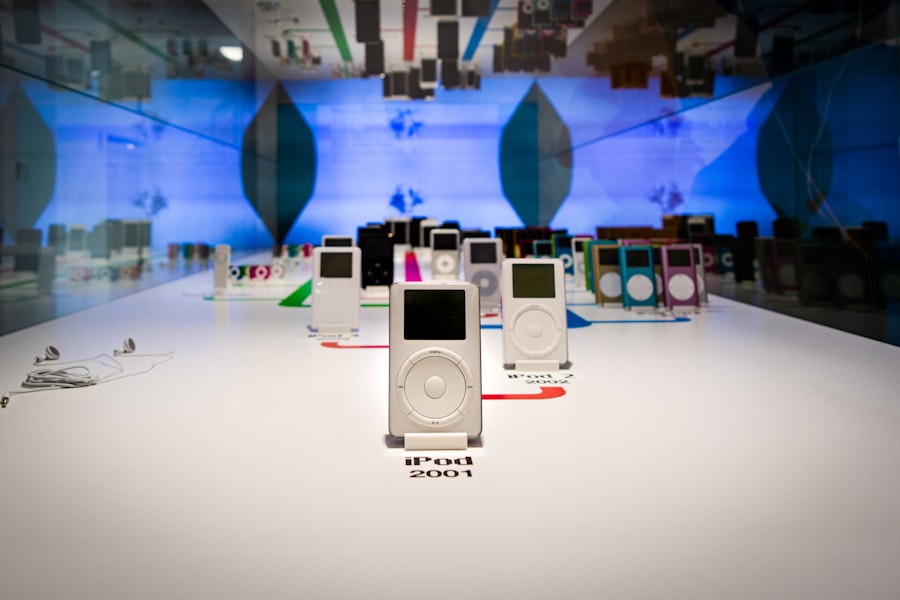
In the late 1990s and early 2000s, under Jobs’ leadership, Apple continued to innovate with products like the iPod, iPhone, and iPad. The iPod revolutionized how people consumed music, while the iPhone redefined the smartphone industry with its touch interface and app ecosystem. The iPad further expanded Apple’s influence in mobile computing by bridging the gap between smartphones and laptops. Each of these products not only showcased technological advancements but also emphasized design aesthetics and user experience, solidifying Apple’s reputation as an industry leader.
Departure from and Return to Apple
In 1985, following internal power struggles within Apple, Jobs resigned from the company he co-founded. His departure marked a tumultuous period for both him and Apple. During this time, Jobs founded NeXT Inc., a computer platform development company that focused on higher education and business markets. Although NeXT’s products were not commercially successful, they were technologically advanced and laid the groundwork for future innovations in software development.
Jobs returned to Apple in 1997 after the company acquired NeXT for its software technology. His return marked a significant turning point for Apple, which was struggling financially at the time. Jobs quickly implemented changes that revitalized the company’s product line and corporate culture. He streamlined operations, refocused on core products, and emphasized design and innovation. Under his leadership, Apple launched several successful products that would ultimately lead to its resurgence as a dominant player in the technology industry.
Walter Isaacson’s biography of Steve Jobs offers an in-depth look at the life and innovations of the iconic Apple co-founder. For those interested in exploring more about Jobs’ impact on technology and design, a related article can be found at this link, which delves into the lessons learned from his visionary approach. Isaacson’s portrayal captures not only Jobs’ genius but also the complexities of his personality, making it a compelling read for anyone fascinated by the intersection of creativity and entrepreneurship.
Personal Life and Relationships
| Metric | Details |
|---|---|
| Author | Walter Isaacson |
| Title | Steve Jobs |
| Publication Year | 2011 |
| Genre | Biography |
| Pages | 656 |
| Publisher | Simon & Schuster |
| Language | English |
| Format | Hardcover, Paperback, eBook, Audiobook |
| ISBN | 978-1451648539 |
| Sales | Over 1 million copies worldwide |
Steve Jobs’ personal life was marked by complexity and contrasts. He had a daughter, Lisa Brennan-Jobs, from a relationship with Chrisann Brennan in the late 1970s. Initially estranged from his daughter, Jobs later acknowledged her and played an active role in her life as she grew older.
His relationship with Brennan was tumultuous, reflecting Jobs’ often intense personality and high expectations of those around him.
In 1991, Jobs married Laurene Powell, whom he met while giving a lecture at Stanford University. The couple had three children together: Reed, Erin, and Eve. Jobs was known to be fiercely private about his family life but often expressed deep affection for his wife and children. His family provided him with support throughout his career, particularly during challenging times such as his health struggles later in life.
Health Struggles and Legacy
Steve Jobs faced significant health challenges beginning in 2004 when he was diagnosed with a rare form of pancreatic cancer known as a pancreatic neuroendocrine tumor. He initially kept his diagnosis private but later became more open about his condition as it progressed. Jobs underwent various treatments over the years, including surgery and alternative therapies. Despite his health issues, he remained actively involved in Apple’s operations until shortly before his death on October 5, 2011.
Jobs’ legacy is multifaceted; he is remembered not only for his contributions to technology but also for his unique approach to business and design. His insistence on perfectionism and innovation has left an indelible mark on the tech industry. The products he championed have changed how people interact with technology and have influenced countless other companies in their pursuit of user-centered design.
Leadership Style and Management
Steve Jobs’ leadership style was characterized by intensity and a relentless pursuit of excellence. He was known for being demanding of himself and others, often pushing his teams to achieve what seemed impossible. This approach fostered an environment of innovation but could also lead to high levels of stress among employees. Jobs believed that great products came from great teams and often sought out individuals who shared his passion for design and technology.
Jobs’ management style also included a strong focus on secrecy within Apple. He believed that maintaining confidentiality around product development was crucial to maintaining a competitive edge.
This culture of secrecy extended to product launches, which were often highly anticipated events that generated significant media attention.
While some criticized his approach as overly controlling, others credited it with helping Apple maintain its innovative edge in a rapidly changing industry.
Impact on Technology and Business
Steve Jobs’ impact on technology and business is profound and far-reaching. He played a pivotal role in popularizing personal computing through Apple’s innovative products like the Macintosh and later devices such as the iPhone and iPad. His vision helped shape not only consumer electronics but also software development practices with an emphasis on user experience and design aesthetics.
Moreover, Jobs’ influence extended beyond product development; he transformed business models within the tech industry. The App Store revolutionized software distribution by creating an ecosystem where developers could easily reach consumers while providing users with access to a wide range of applications. This model has been emulated across various industries, demonstrating how Jobs’ ideas have reshaped business practices globally.
In summary, Steve Jobs remains a significant figure in modern history due to his contributions to technology and business practices. His legacy continues to inspire entrepreneurs and innovators around the world as they strive to create products that enhance people’s lives through thoughtful design and cutting-edge technology.
FAQs
Who is the author of the biography “Steve Jobs”?
The biography “Steve Jobs” was written by Walter Isaacson.
What is the main focus of the book “Steve Jobs” by Walter Isaacson?
The book focuses on the life, career, and personality of Steve Jobs, co-founder of Apple Inc., detailing his innovations, leadership style, and impact on technology and design.
When was the biography “Steve Jobs” by Walter Isaacson published?
The biography was published in 2011.
Did Steve Jobs participate in the writing of his biography by Walter Isaacson?
Yes, Steve Jobs cooperated with Walter Isaacson and gave him extensive interviews before his death.
What are some key themes explored in “Steve Jobs” by Walter Isaacson?
Key themes include creativity, innovation, entrepreneurship, leadership, and the complexities of Steve Jobs’ personality and relationships.




