
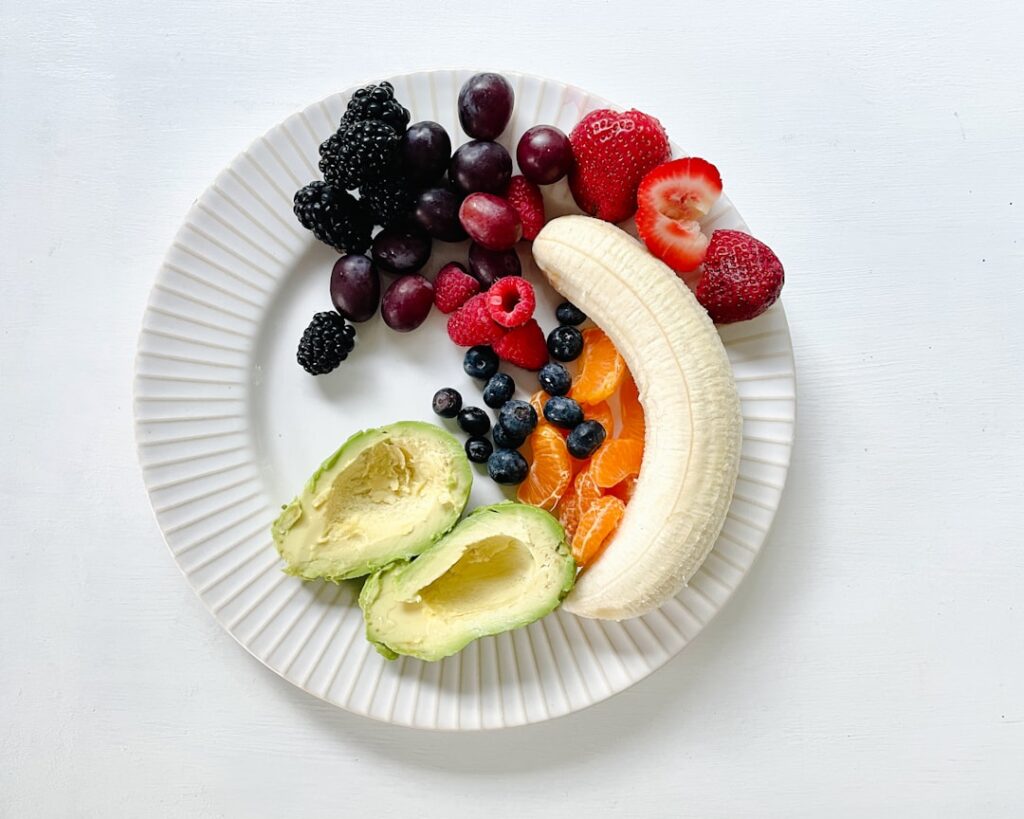
The Anti-Inflammatory Diet is a dietary approach designed to reduce chronic inflammation in the body, which is linked to various health issues, including heart disease, diabetes, and certain cancers. This diet emphasizes the consumption of whole, nutrient-dense foods while minimizing processed items that can trigger inflammatory responses. It is not a strict regimen but rather a guideline that encourages individuals to make healthier food choices that can lead to improved overall well-being.
At its core, the Anti-Inflammatory Diet promotes foods rich in antioxidants, omega-3 fatty acids, and fiber. These components are believed to help combat inflammation and support the body’s natural healing processes. The diet is often associated with Mediterranean eating patterns, which include a variety of fruits, vegetables, whole grains, lean proteins, and healthy fats. By focusing on these food groups, individuals can create a balanced diet that not only addresses inflammation but also contributes to long-term health.
If you’re interested in exploring more about the benefits of dietary choices on health, you might find the article “The Role of Nutrition in Reducing Inflammation” on Hellread particularly insightful. This article delves into various foods and their anti-inflammatory properties, complementing the principles outlined in The Anti-Inflammatory Diet by Dr. Jessica Black. You can read it here: The Role of Nutrition in Reducing Inflammation.
Key Takeaways
- The Anti-Inflammatory Diet focuses on reducing chronic inflammation through specific food choices.
- It emphasizes consuming foods rich in antioxidants and omega-3 fatty acids while avoiding processed and sugary items.
- This diet can help lower the risk of chronic diseases like heart disease, diabetes, and arthritis.
- Incorporating the diet involves practical tips such as meal planning and choosing whole, unprocessed foods.
- While beneficial, the diet may have drawbacks like potential nutrient imbalances if not well-planned.
The Science Behind Inflammation
Inflammation is a natural response of the immune system to injury or infection. It serves as a protective mechanism that helps the body heal and fight off pathogens. However, when inflammation becomes chronic, it can lead to various health problems. Chronic inflammation is characterized by a prolonged immune response that can damage tissues and organs over time. This condition is often linked to lifestyle factors such as poor diet, lack of exercise, and stress.
Research has shown that certain foods can influence the inflammatory process in the body. For instance, diets high in refined sugars and unhealthy fats can promote inflammation, while those rich in antioxidants and omega-3 fatty acids can help mitigate it. Understanding the biochemical pathways involved in inflammation has led to the development of dietary strategies aimed at reducing its harmful effects. By adopting an Anti-Inflammatory Diet, individuals may be able to lower their risk of developing chronic diseases associated with inflammation.
Foods to Include in the Anti-Inflammatory Diet
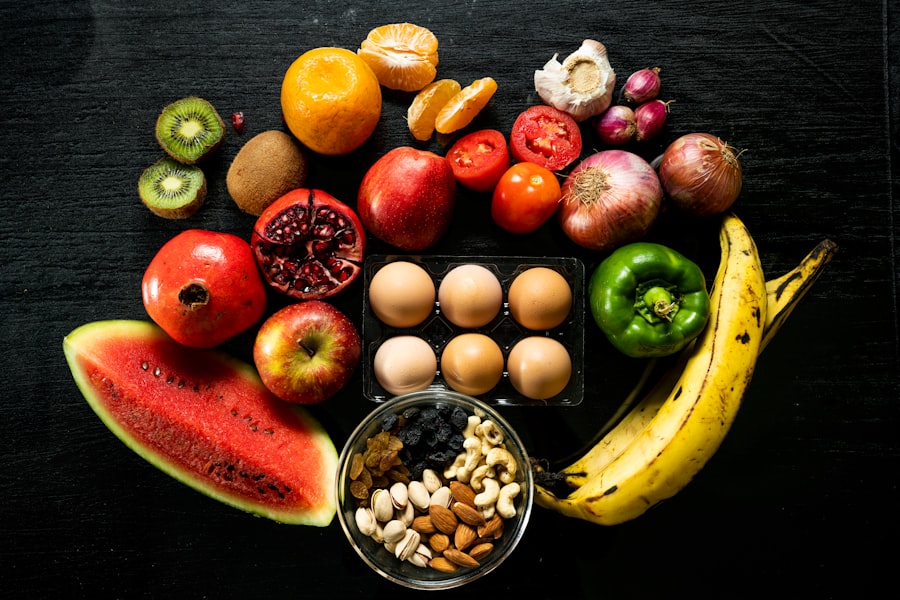
A variety of foods are recommended for inclusion in an Anti-Inflammatory Diet. Fruits and vegetables are at the forefront due to their high levels of vitamins, minerals, and antioxidants. Berries, leafy greens, and cruciferous vegetables like broccoli and cauliflower are particularly beneficial. These foods contain compounds that can help neutralize free radicals and reduce oxidative stress, which is a contributor to inflammation.
In addition to fruits and vegetables, healthy fats play a crucial role in this dietary approach. Sources of omega-3 fatty acids, such as fatty fish (like salmon and mackerel), walnuts, and flaxseeds, are encouraged. These fats have been shown to have anti-inflammatory properties and can help balance the body’s inflammatory response. Whole grains like quinoa, brown rice, and oats are also recommended for their fiber content, which supports gut health and may further reduce inflammation.
Foods to Avoid in the Anti-Inflammatory Diet

While there are many foods to include in an Anti-Inflammatory Diet, there are also several items that should be limited or avoided altogether. Processed foods high in refined sugars and unhealthy fats are among the primary culprits that can exacerbate inflammation. Items such as sugary snacks, sodas, and fast food often contain additives and preservatives that may trigger inflammatory responses in the body.
Additionally, certain oils and fats should be minimized. Trans fats found in many fried foods and baked goods can contribute to inflammation and should be avoided. Similarly, excessive consumption of omega-6 fatty acids—often found in vegetable oils like corn and soybean oil—can lead to an imbalance in the omega-3 to omega-6 ratio, promoting inflammatory processes. By steering clear of these foods, individuals can better support their health and reduce the risk of chronic inflammation.
In exploring the benefits of dietary choices for reducing inflammation, readers may find valuable insights in the article about The Anti-Inflammatory Diet by Dr. Jessica Black. This comprehensive guide emphasizes the importance of incorporating whole foods and nutrient-dense ingredients into daily meals. For those interested in further enhancing their understanding of this topic, a related article can be found One challenge is that it may require significant changes to one’s eating habits, which can be difficult for some individuals.
Furthermore, some people may find it challenging to maintain a balanced diet if they have specific dietary restrictions or preferences. For instance, individuals with allergies or intolerances may need to be particularly vigilant about food choices to avoid triggering adverse reactions while still adhering to anti-inflammatory principles. It is essential for anyone considering this diet to consult with a healthcare professional or registered dietitian for personalized guidance.
How the Anti-Inflammatory Diet Can Support Overall Health
The Anti-Inflammatory Diet has the potential to support overall health by promoting a balanced intake of nutrients that contribute to bodily functions. By prioritizing whole foods rich in vitamins and minerals, individuals can enhance their immune system’s efficiency and resilience against illness. This dietary approach not only addresses inflammation but also fosters a holistic view of health that encompasses physical well-being.
Moreover, adopting an Anti-Inflammatory Diet can encourage healthier lifestyle choices beyond nutrition alone.
As individuals become more aware of their food intake and its impact on their health, they may also be motivated to engage in regular physical activity and manage stress more effectively.
This comprehensive approach can lead to improved quality of life and longevity by reducing the risk factors associated with chronic diseases.
In conclusion, the Anti-Inflammatory Diet represents a practical strategy for managing inflammation through dietary choices. By understanding the science behind inflammation and making informed food selections, individuals can take proactive steps toward better health outcomes. While there may be challenges in adopting this diet, its potential benefits make it a worthwhile consideration for those seeking to improve their overall well-being.
FAQs
What is the Anti-Inflammatory Diet?
The Anti-Inflammatory Diet is a nutritional approach designed to reduce chronic inflammation in the body. It emphasizes consuming whole, unprocessed foods such as fruits, vegetables, nuts, seeds, lean proteins, and healthy fats while minimizing intake of processed foods, sugars, and unhealthy fats.
Who is Dr. Jessica Black?
Dr. Jessica Black is a naturopathic doctor and expert in integrative medicine. She specializes in holistic health approaches, including dietary strategies like the Anti-Inflammatory Diet, to support overall wellness and reduce inflammation-related health issues.
What foods are recommended on the Anti-Inflammatory Diet?
The diet encourages eating a variety of colorful fruits and vegetables, whole grains, fatty fish rich in omega-3 fatty acids, nuts, seeds, olive oil, and herbs and spices like turmeric and ginger. These foods contain antioxidants and nutrients that help combat inflammation.
What are the benefits of following the Anti-Inflammatory Diet?
Following this diet may help reduce symptoms of chronic inflammatory conditions such as arthritis, improve heart health, support brain function, and promote overall well-being by lowering inflammation levels in the body.
Are there any foods to avoid on the Anti-Inflammatory Diet?
Yes, the diet advises limiting or avoiding processed foods, refined sugars, trans fats, excessive red meat, and highly processed oils, as these can contribute to increased inflammation and negatively impact health.




