
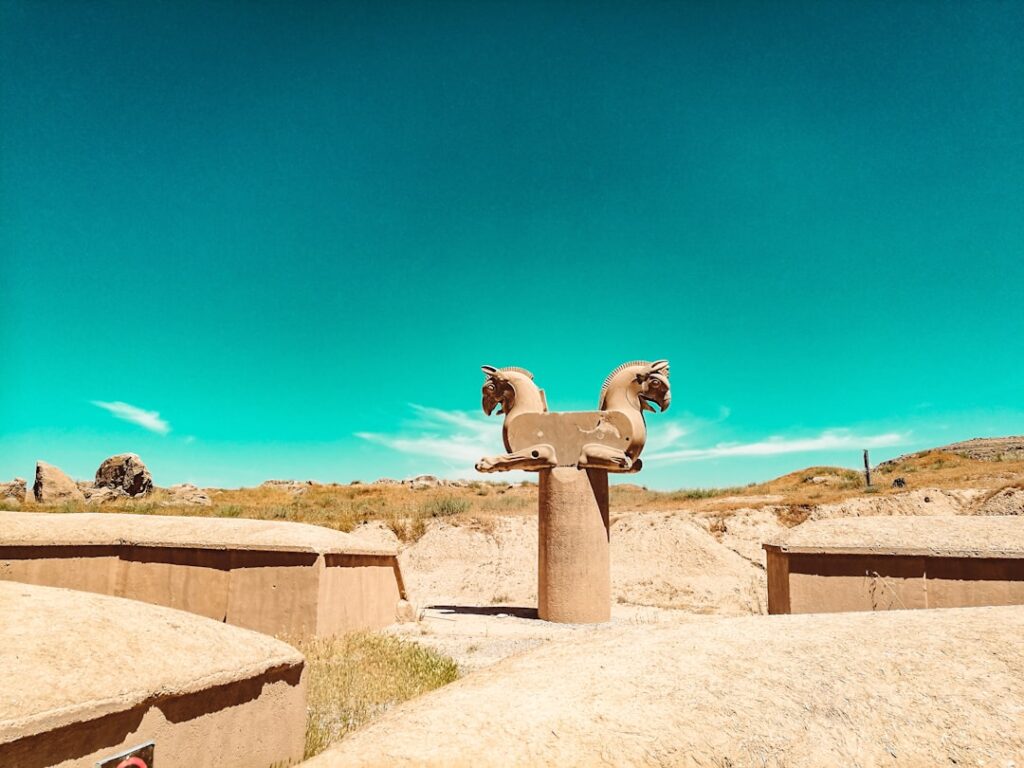
“Persepolis” is a graphic novel that presents a poignant narrative of a young girl’s life during and after the Islamic Revolution in Iran. Created by Marjane Satrapi, the work is both an autobiographical account and a broader commentary on the socio-political upheaval in Iran during the late 20th century. The title refers to the ancient capital of the Persian Empire, symbolizing a rich cultural heritage that contrasts sharply with the tumultuous events depicted in the story.
Through its unique format, “Persepolis” combines visual art with storytelling, making complex historical and personal themes accessible to a wide audience.
The graphic novel is divided into two volumes, chronicling Satrapi’s childhood and early adulthood. It employs a stark black-and-white art style that enhances the emotional weight of the narrative. The simplicity of the illustrations allows readers to focus on the story’s themes, which include identity, freedom, and the impact of war on personal lives. “Persepolis” has garnered critical acclaim for its ability to convey profound messages through a medium often associated with entertainment, thus elevating the graphic novel genre.
Key Takeaways
- Persepolis is a graphic memoir by Marjane Satrapi that explores her childhood in Iran during and after the Islamic Revolution.
- The book combines personal narrative with historical and cultural context to provide insight into Iranian society and politics.
- Themes include identity, freedom, oppression, and the challenges of growing up amidst political turmoil.
- Satrapi’s distinctive black-and-white artistic style enhances the emotional and narrative impact of the story.
- Persepolis has been widely acclaimed for its powerful storytelling and has influenced both literature and popular culture globally.
The Author, Marjane Satrapi
Marjane Satrapi was born in Rasht, Iran, in 1969, into a politically active family. Her upbringing in a household that valued education and social justice significantly influenced her worldview. After the Islamic Revolution in 1979, Satrapi’s family faced the challenges of living under a regime that imposed strict religious laws and curtailed personal freedoms. These experiences shaped her understanding of identity and resistance, themes that permeate her work.
Satrapi’s journey took her from Iran to Europe, where she faced cultural dislocation and the challenges of being an immigrant. Her experiences abroad further informed her perspective on her homeland and its complexities. In addition to “Persepolis,” Satrapi has authored several other graphic novels and has ventured into filmmaking. Her ability to articulate personal and political narratives has made her a significant voice in contemporary literature and art, resonating with audiences around the world.
Historical and Cultural Context of Persepolis
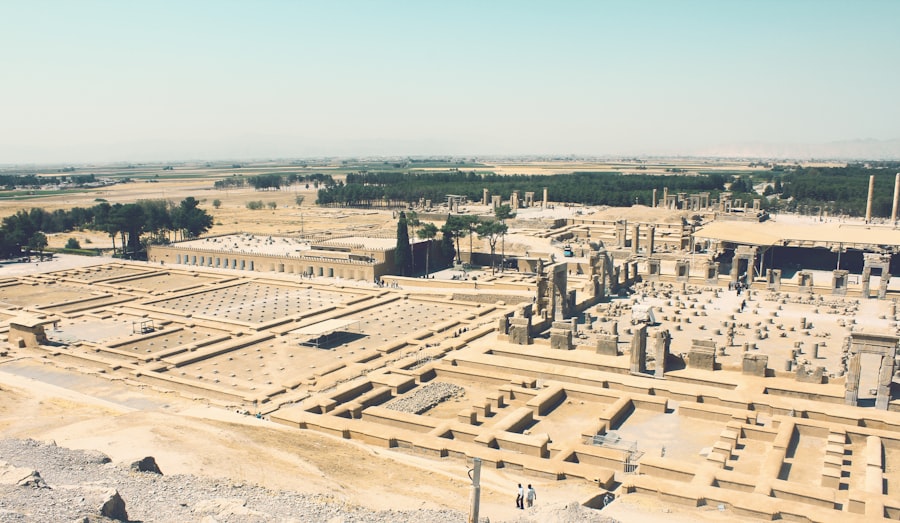
The backdrop of “Persepolis” is crucial for understanding its narrative depth. The Islamic Revolution of 1979 marked a significant turning point in Iranian history, leading to the overthrow of the Shah and the establishment of an Islamic Republic under Ayatollah Khomeini. This period was characterized by widespread social upheaval, as traditional values clashed with modernity. The revolution aimed to create a society based on Islamic principles, but it also resulted in severe restrictions on personal freedoms, particularly for women.
The cultural context of Iran during this time is multifaceted. The country has a rich history that includes periods of great artistic and intellectual achievement. However, the revolution brought about a cultural shift that sought to erase many aspects of Western influence. Satrapi’s narrative captures this tension between tradition and modernity, illustrating how individuals navigate their identities amid societal changes. The graphic novel serves as a lens through which readers can explore the complexities of Iranian culture and history.
Plot Summary of Persepolis
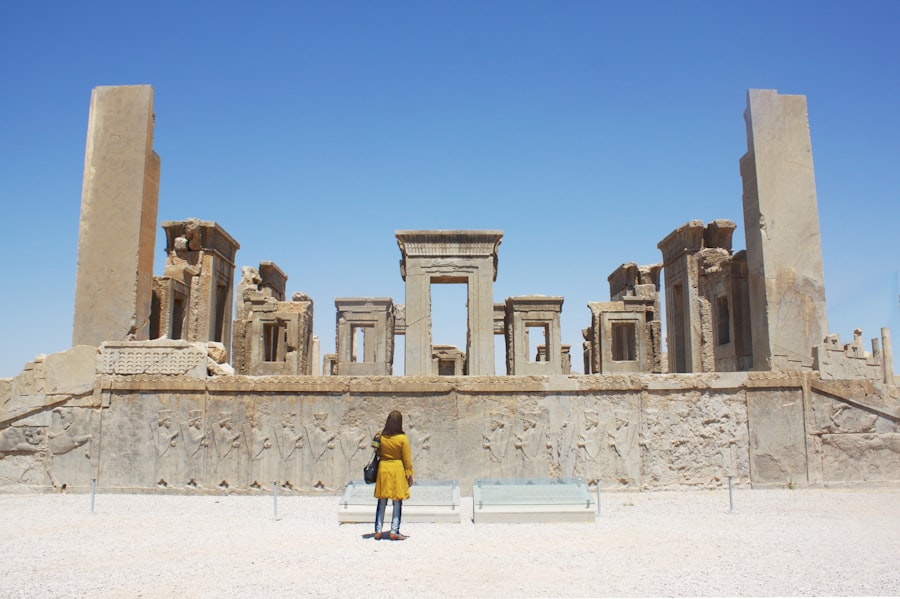
“Persepolis” begins with Marjane’s childhood memories of living in Tehran before the revolution. As a young girl, she is curious about her surroundings and eager to understand the political climate that affects her family and friends. The narrative follows her experiences as she witnesses the impact of war and political repression on her daily life. Key events include her family’s involvement in protests against the Shah and their subsequent struggles under the new regime.
As Marjane grows older, she grapples with her identity as an Iranian girl living in a society that imposes strict rules on behavior and appearance. Her journey takes her to Vienna for education, where she confronts cultural differences and feelings of alienation. The plot weaves together personal anecdotes with historical events, creating a rich tapestry that highlights the challenges of growing up in a politically charged environment. Ultimately, “Persepolis” is not just a story about one girl’s life; it reflects broader themes of resilience and self-discovery amid adversity.
Themes and Motifs in Persepolis
Several prominent themes emerge throughout “Persepolis,” including identity, freedom, and the effects of war. Marjane’s struggle to define herself against the backdrop of political turmoil is central to the narrative. As she navigates her dual identity as both an Iranian and a Westernized individual, readers witness her internal conflicts and growth. This theme resonates with many who have experienced cultural dislocation or identity crises.
Another significant theme is the quest for freedom—both personal and political. The restrictions imposed by the Islamic regime serve as a constant reminder of what is at stake for Marjane and her family. The graphic novel illustrates how individuals resist oppression in various forms, whether through small acts of defiance or larger political movements. Additionally, the motif of family plays a crucial role in shaping Marjane’s understanding of loyalty, love, and sacrifice, emphasizing the importance of personal connections amid societal chaos.
Artistic Style and Format of Persepolis
The artistic style of “Persepolis” is characterized by its stark black-and-white illustrations, which serve to enhance the emotional gravity of the story. Satrapi’s use of simple lines and expressive characters allows readers to engage deeply with the narrative without being distracted by elaborate visuals. This minimalist approach effectively conveys complex emotions and situations, making it accessible to a diverse audience.
The format of “Persepolis” as a graphic novel also plays a significant role in its impact. By combining visual storytelling with text, Satrapi creates a dynamic reading experience that captures attention while conveying serious themes. The interplay between images and words allows for nuanced storytelling; readers can interpret emotions through facial expressions and body language alongside the written narrative.
This unique format has contributed to “Persepolis” being recognized as an important work within both literary and artistic circles.
Reception and Impact of Persepolis
Since its publication, “Persepolis” has received widespread acclaim from critics and readers alike. It has been translated into multiple languages and has won numerous awards, including the Eisner Award for Best U.S. Edition of Foreign Material. The graphic novel’s ability to address complex issues such as war, identity, and cultural conflict has resonated with audiences around the world, making it an essential text in discussions about graphic literature.
The impact of “Persepolis” extends beyond literary circles; it has sparked conversations about representation in media and the importance of diverse voices in storytelling. By sharing her personal experiences within a historical context, Satrapi has opened doors for other marginalized voices to be heard. The novel has also been incorporated into educational curricula globally, serving as a tool for teaching about Iranian history, culture, and the power of personal narratives.
Persepolis as a Coming-of-Age Story
At its core, “Persepolis” is a coming-of-age story that chronicles Marjane’s journey from childhood innocence to adult awareness. As she navigates the complexities of adolescence against a backdrop of political upheaval, readers witness her struggles with identity, belonging, and self-acceptance. The challenges she faces—ranging from familial expectations to societal restrictions—are universal experiences that resonate with many young adults.
Marjane’s growth is marked by moments of rebellion and self-discovery as she grapples with her beliefs and values. Her time in Europe exposes her to different cultures and perspectives, further complicating her understanding of what it means to be Iranian. Ultimately, “Persepolis” captures the essence of growing up in a world fraught with contradictions, illustrating how personal experiences shape one’s identity amid external pressures.
Persepolis as a Political Commentary
“Persepolis” serves as a powerful political commentary on the effects of war and authoritarianism on individual lives. Through Marjane’s eyes, readers gain insight into the harsh realities faced by those living under oppressive regimes. The graphic novel critiques not only the Iranian government but also broader themes of power dynamics, censorship, and resistance.
Satrapi’s portrayal of political events is both personal and poignant; she illustrates how these larger forces impact everyday life. By sharing her family’s experiences during times of turmoil, she humanizes historical events that are often reduced to statistics or headlines. This approach encourages readers to consider the human cost of political decisions and fosters empathy for those affected by conflict.
Persepolis as a Memoir
As an autobiographical work, “Persepolis” offers an intimate glimpse into Marjane Satrapi’s life experiences. The memoir format allows her to reflect on her childhood memories while providing context for her family’s struggles during significant historical events. This personal lens adds depth to the narrative, making it relatable to readers who may not share similar backgrounds but can connect with universal themes of loss, resilience, and identity.
Satrapi’s candidness about her experiences—ranging from moments of joy to profound sorrow—creates an authentic narrative that resonates with many individuals navigating their own life journeys. By presenting her story through both visual art and text, she invites readers into her world while encouraging them to reflect on their own identities and experiences.
Persepolis in Popular Culture
The influence of “Persepolis” extends beyond literature into various aspects of popular culture. Its adaptation into an animated film in 2007 brought Satrapi’s story to an even wider audience, further solidifying its status as an important cultural artifact. The film retains much of the graphic novel’s essence while introducing new dimensions through animation.
Additionally, “Persepolis” has inspired various artistic interpretations across different media, including theater productions and visual art exhibitions. Its themes continue to resonate in contemporary discussions about identity politics, migration, and cultural representation. As such, “Persepolis” remains relevant not only as a historical account but also as a source of inspiration for artists and activists seeking to address social issues through creative expression.
In conclusion, “Persepolis” stands as a significant work that intertwines personal narrative with historical context, offering insights into both individual experiences and broader societal issues. Through Marjane Satrapi’s unique voice and artistic style, readers are invited to explore complex themes that transcend cultural boundaries, making “Persepolis” an enduring piece of literature that continues to inspire dialogue across generations.




