
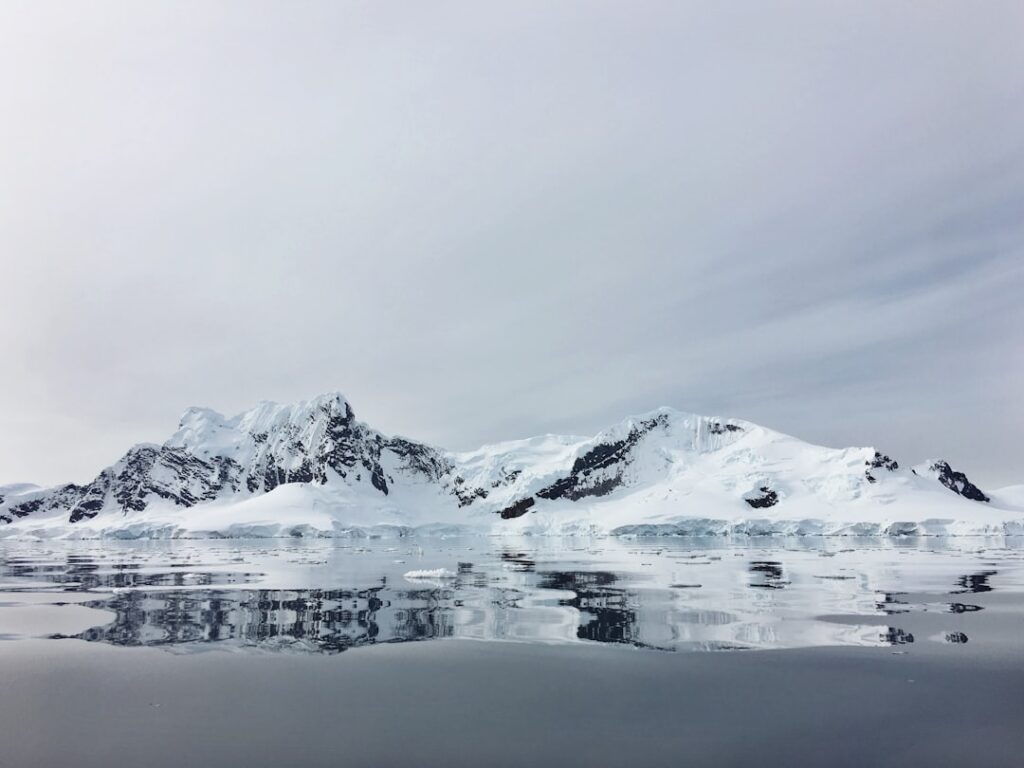
Felicity Aston is a British polar explorer and scientist known for her remarkable achievements in extreme environments, particularly in Antarctica. Her journey into the icy expanse of the southern continent is not just a tale of adventure but also one of personal growth and resilience. Aston gained international recognition when she became the first woman to ski solo across Antarctica in 2012, a feat that required not only physical endurance but also mental fortitude. Her expedition spanned over 1,700 kilometers and took her 59 days to complete, during which she faced the harsh realities of one of the most inhospitable places on Earth.
Aston’s journey is rooted in her passion for exploration and science. With a background in environmental science and a deep-seated interest in climate change, she has dedicated her career to understanding the polar regions. Her expeditions are often intertwined with scientific research, allowing her to contribute valuable insights into the effects of climate change on these fragile ecosystems. Through her experiences, Aston has become an advocate for environmental awareness, using her platform to inspire others to appreciate and protect the natural world.
In exploring the themes of isolation and endurance in extreme environments, Felicity Aston’s “Alone in Antarctica” resonates with the insights presented in the article “Surviving the Cold: The Human Spirit in Extreme Conditions” found on Hellread.
This article delves into the psychological and physical challenges faced by individuals in harsh climates, paralleling Aston’s personal journey and reflections during her solitary expedition.
For more information, you can read the article here: Surviving the Cold: The Human Spirit in Extreme Conditions.
Key Takeaways
- Felicity Aston’s solo Antarctic expedition showcases remarkable endurance and determination.
- Extensive preparation was crucial for surviving the extreme conditions of the journey.
- Solo travel in Antarctica presents unique physical and psychological challenges.
- The expedition offered profound experiences of the continent’s stunning beauty and isolation.
- Felicity’s story inspires others to embrace adventure and overcome personal limits.
Preparing for the Expedition
Preparation for an expedition of such magnitude requires meticulous planning and training. Felicity Aston spent months gearing up for her solo journey across Antarctica, focusing on both physical conditioning and logistical arrangements. She engaged in rigorous training that included endurance exercises, strength training, and survival skills specific to extreme cold environments. This preparation was essential not only for her physical capability but also for building the mental resilience needed to face the challenges ahead.
In addition to physical training, Aston had to carefully plan her route and gather the necessary equipment. This involved extensive research into weather patterns, terrain, and potential hazards she might encounter along the way. She meticulously selected gear that would withstand the extreme conditions, including specialized clothing, food supplies, and navigation tools. Each item was chosen with purpose, as weight and functionality were critical factors in her journey. The preparation phase was not merely about packing supplies; it was a comprehensive process that required foresight and adaptability.
The Challenges of Solo Travel in Antarctica

Traveling solo in Antarctica presents unique challenges that go beyond the physical demands of the environment. Felicity Aston faced numerous obstacles during her expedition, including extreme weather conditions, isolation, and the psychological toll of being alone in such a vast landscape. The unpredictable nature of Antarctic weather meant that she had to be prepared for sudden storms and temperature drops, which could significantly impact her progress and safety.
Isolation was another significant challenge. While solitude can offer moments of reflection and peace, it can also lead to feelings of loneliness and vulnerability. Aston had to navigate these emotional highs and lows while maintaining focus on her goals. The mental strain of being alone in such an unforgiving environment required her to develop coping strategies to stay motivated and resilient. She relied on her training and experience to push through difficult moments, reminding herself of the purpose behind her expedition.
The Beauty and Solitude of the Antarctic Landscape
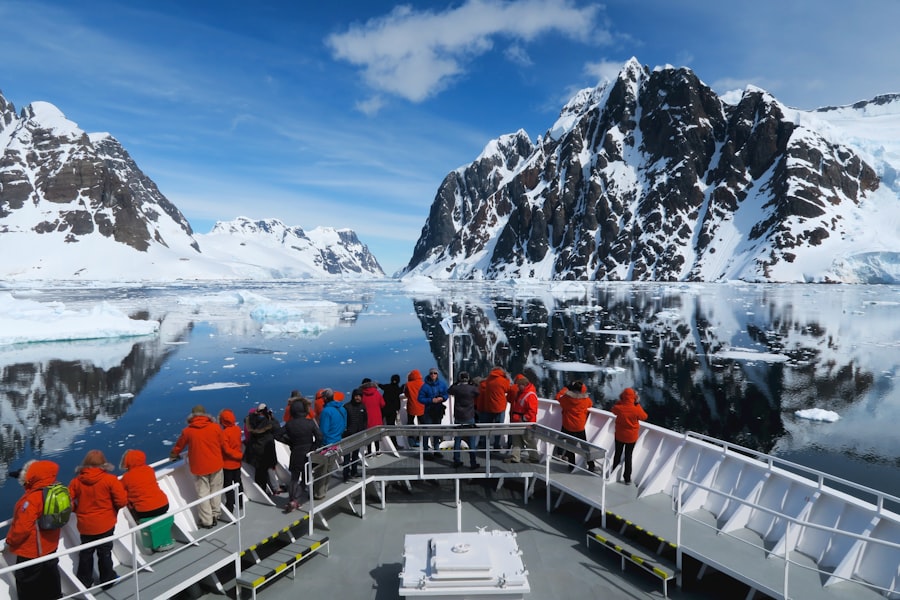
Despite the challenges she faced, Felicity Aston found profound beauty in the Antarctic landscape. The vastness of the ice fields, the stark contrasts of white against blue skies, and the serene silence of the environment created a unique sense of wonder. Each day brought new vistas, from towering icebergs to expansive glaciers, all contributing to a landscape that felt both alien and awe-inspiring. This beauty served as a source of inspiration during her journey, reminding her of the importance of preserving such pristine environments.
The solitude of Antarctica also offered Aston a chance for introspection. In a world increasingly filled with noise and distractions, the quietude of the polar landscape allowed her to connect deeply with her thoughts and emotions. She often reflected on her motivations for undertaking such an arduous journey and considered her place within the broader context of environmental stewardship. This connection with nature fostered a sense of peace that contrasted sharply with the physical challenges she faced daily.
In her captivating memoir “Alone in Antarctica,” Felicity Aston shares her extraordinary journey of solitude and resilience in one of the harshest environments on Earth. For those interested in exploring similar themes of isolation and adventure, a related article can be found that delves into the psychological effects of extreme environments. This piece offers insights into how individuals cope with the challenges of isolation, making it a compelling read alongside Aston’s experiences. You can check out the article here.
Overcoming Mental and Emotional Obstacles
The mental and emotional aspects of Aston’s expedition were as demanding as the physical challenges. As she traversed the icy terrain, she encountered moments of doubt and fear that tested her resolve. The isolation could be overwhelming at times, leading to feelings of despair or uncertainty about her ability to complete the journey. However, Aston developed strategies to combat these mental hurdles, drawing on her training and past experiences to maintain focus.
One key aspect of overcoming these obstacles was setting small, achievable goals throughout her journey. By breaking down her overall objective into manageable tasks, she could celebrate small victories along the way, which helped sustain her motivation. Additionally, Aston practiced mindfulness techniques to stay present in the moment, allowing her to appreciate the beauty around her while managing anxiety about future challenges. This combination of goal-setting and mindfulness proved essential in navigating the emotional landscape of her expedition.
Connecting with Nature and Wildlife
Throughout her journey in Antarctica, Felicity Aston had numerous opportunities to connect with the unique wildlife that inhabits this remote region.
Encounters with seals, penguins, and various seabirds provided moments of joy and wonder amidst the rigors of solo travel.
Observing these animals in their natural habitat reinforced her appreciation for the delicate balance of life in such an extreme environment.
These interactions with wildlife also served as reminders of the interconnectedness of all living things. Aston recognized that her expedition was not just about personal achievement but also about understanding and advocating for the preservation of these ecosystems. Each encounter deepened her commitment to environmental conservation, highlighting the importance of protecting habitats that are increasingly threatened by climate change and human activity.
Lessons Learned from the Experience
Felicity Aston’s expedition across Antarctica imparted numerous lessons that extend beyond the realm of adventure travel. One significant takeaway was the importance of resilience in facing adversity. The challenges she encountered taught her that perseverance is often more critical than raw talent or strength. This lesson resonates not only in extreme environments but also in everyday life, where obstacles can often feel insurmountable.
Another key lesson was the value of connection—both with nature and with oneself. Aston’s time in Antarctica emphasized how vital it is to foster a relationship with the natural world, as well as to engage in self-reflection. These insights have informed her subsequent work as an advocate for environmental awareness, encouraging others to seek their own connections with nature while recognizing their role in protecting it.
Inspiring Others to Pursue Their Own Adventures
Through her remarkable journey and subsequent storytelling, Felicity Aston has inspired many individuals to pursue their own adventures, regardless of their background or experience level. Her narrative emphasizes that exploration is not limited to extreme environments; it can take many forms, from local hikes to international travel. By sharing her experiences, she encourages others to step outside their comfort zones and embrace new challenges.
Aston’s advocacy extends beyond personal exploration; she emphasizes the importance of environmental stewardship as part of any adventure. By highlighting the beauty and fragility of places like Antarctica, she motivates others to consider their impact on the planet and take action toward sustainability. Her journey serves as a reminder that adventure can be both exhilarating and purposeful, fostering a deeper connection with nature while promoting awareness about pressing global issues.
In conclusion, Felicity Aston’s expedition across Antarctica is a testament to human resilience and the power of exploration. Her journey encapsulates not only personal achievement but also a broader message about environmental awareness and connection with nature. Through her experiences, she continues to inspire others to embark on their own adventures while advocating for the preservation of our planet’s most vulnerable ecosystems.
FAQs
Who is Felicity Aston?
Felicity Aston is a British explorer, author, and scientist known for her solo expeditions in extreme environments, including Antarctica.
What is the book “Alone in Antarctica” about?
“Alone in Antarctica” is Felicity Aston’s account of her solo ski journey across Antarctica, where she became the first woman to ski alone across the continent using only muscle power.
When did Felicity Aston complete her solo expedition in Antarctica?
Felicity Aston completed her solo ski expedition across Antarctica in 2012.
How long did the solo journey across Antarctica take?
The solo journey across Antarctica took Felicity Aston 59 days to complete.
What challenges did Felicity Aston face during her expedition?
During her expedition, Felicity Aston faced extreme cold temperatures, harsh weather conditions, physical exhaustion, and the psychological challenge of isolation.




