
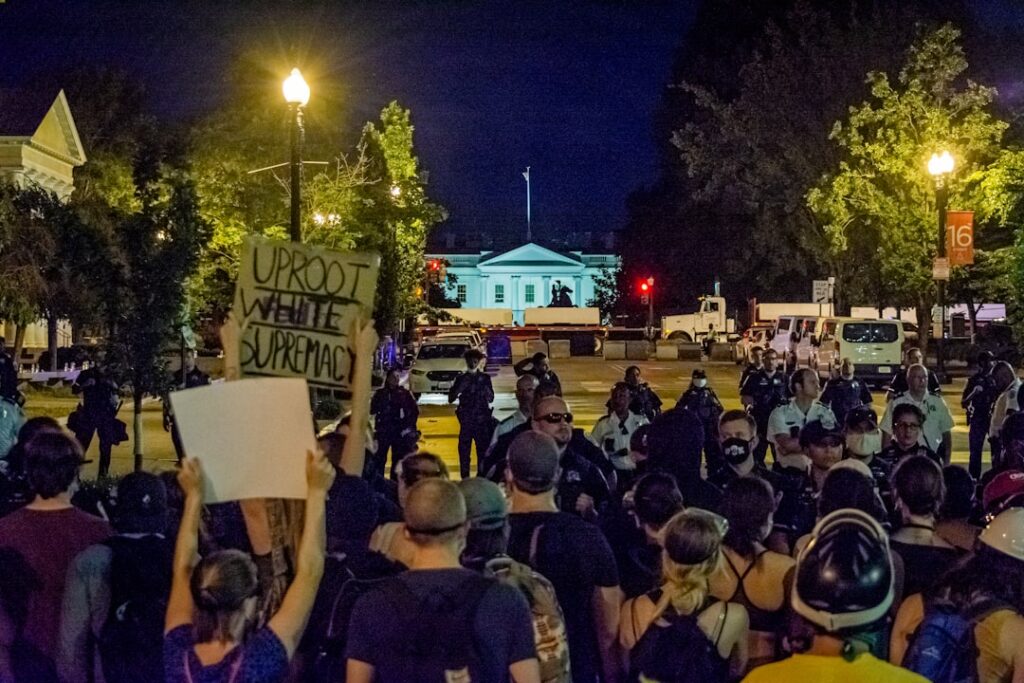
As we delve into the concept of the Human Rights Revolution, we find ourselves reflecting on a transformative period that reshaped the global landscape. This revolution, which gained momentum in the mid-20th century, marked a significant shift in how societies perceive and uphold the rights of individuals. It was not merely a series of events but a profound awakening to the inherent dignity and worth of every human being. We recognize that this movement has been pivotal in advocating for justice, equality, and freedom across various cultures and nations.
The Human Rights Revolution has inspired countless individuals and groups to challenge oppressive regimes and fight for their rights. It has fostered a sense of solidarity among diverse populations, uniting them in their quest for dignity and respect. As we explore this topic, we will uncover the historical context that gave rise to this movement, the role of international organizations, its impact on global politics, and the challenges it faces today. Ultimately, we aim to understand how this revolution has shaped our present and will continue to influence our future.
In exploring the themes presented in “The Human Rights Revolution” by Petra Goedde, readers may find it insightful to examine a related article that delves into the ongoing impact of human rights movements around the globe. This article discusses the evolution of human rights advocacy and its significance in contemporary society, providing a broader context to Goedde’s work. For more information, you can read the article here: Related Article on Human Rights Movements.
Key Takeaways
- The Human Rights Revolution marked a significant shift in global awareness and advocacy for individual freedoms.
- International organizations have played a crucial role in promoting and enforcing human rights standards worldwide.
- The revolution has deeply influenced global politics, reshaping diplomatic relations and international law.
- Despite progress, the movement faces ongoing challenges and criticisms regarding implementation and cultural differences.
- Human rights continue to evolve in the 21st century, with future efforts focusing on adapting to new global issues and technologies.
The Historical Context of Human Rights
To fully appreciate the Human Rights Revolution, we must first examine its historical roots. The aftermath of World War II served as a catalyst for this movement, as the atrocities committed during the war highlighted the urgent need for a framework that would protect individuals from such violations. The establishment of the United Nations in 1945 marked a significant turning point, as it aimed to promote peace and security while safeguarding human rights. In 1948, the Universal Declaration of Human Rights was adopted, laying the groundwork for a global commitment to uphold the rights of all individuals.
This declaration was not merely a document; it represented a collective acknowledgment of humanity’s shared values. It articulated fundamental rights such as the right to life, liberty, and security, which resonated with people across different cultures and backgrounds.
As we reflect on this historical context, we recognize that the Human Rights Revolution was born out of a desire to prevent future atrocities and ensure that every individual could live with dignity and respect.
This foundational moment set the stage for subsequent movements and initiatives aimed at promoting human rights worldwide.
The Role of International Organizations in Advancing Human Rights
International organizations have played a crucial role in advancing human rights since the inception of the Human Rights Revolution. The United Nations, in particular, has been at the forefront of this effort, establishing various treaties and mechanisms to monitor and promote human rights globally. Through its various agencies, such as the Office of the High Commissioner for Human Rights (OHCHR), the UN has worked tirelessly to hold governments accountable for their human rights obligations. We see this as an essential aspect of fostering a culture of respect for human rights across nations.
Moreover, regional organizations like the European Union and the African Union have also contributed significantly to the promotion of human rights within their respective regions. These organizations have developed frameworks that address specific human rights issues, such as discrimination, gender equality, and freedom of expression. By facilitating dialogue and cooperation among member states, they have created platforms for advocacy and accountability. As we examine these efforts, we recognize that international organizations serve as vital allies in the ongoing struggle for human rights, providing resources, expertise, and support to those fighting for justice.
The Impact of The Human Rights Revolution on Global Politics
The Human Rights Revolution has had a profound impact on global politics, reshaping how nations interact with one another and how they address issues of justice and equality. As we analyze this impact, we can see that human rights have become a central theme in international relations. Countries are increasingly held accountable for their human rights records, with public opinion and diplomatic relations often influenced by a nation’s commitment to upholding these rights. This shift has led to greater scrutiny of governments and has empowered civil society organizations to advocate for change.
Furthermore, the Human Rights Revolution has inspired grassroots movements around the world, leading to significant political changes in various countries. From anti-apartheid movements in South Africa to pro-democracy protests in Eastern Europe, we have witnessed how the demand for human rights can mobilize entire populations to challenge oppressive regimes. These movements have not only transformed national politics but have also contributed to a broader understanding of human rights as a universal principle that transcends borders. As we reflect on these developments, it becomes clear that the Human Rights Revolution has fundamentally altered the political landscape, fostering a more interconnected world where human dignity is increasingly prioritized.
In exploring the themes presented in The Human Rights Revolution by Petra Goedde, one can gain further insights by reading the article on the evolution of human rights movements available at this link. This article delves into the historical context and the various social movements that have shaped the discourse around human rights, complementing Goedde’s analysis and providing a broader understanding of the ongoing struggle for justice and equality.
Challenges and Criticisms of The Human Rights Revolution
Despite its many achievements, the Human Rights Revolution is not without its challenges and criticisms. One significant issue we face is the inconsistency in how human rights are applied across different contexts. While some nations have made substantial progress in upholding human rights, others continue to violate these principles with impunity. This disparity raises questions about the effectiveness of international mechanisms designed to promote accountability and justice. As we navigate these complexities, we must confront the reality that political interests often overshadow genuine commitments to human rights.
Additionally, there are criticisms regarding the universality of human rights itself. Some argue that certain cultural contexts may not align with Western notions of individual rights, leading to tensions between universalism and cultural relativism. This debate challenges us to consider how we can promote human rights while respecting diverse cultural perspectives. As we engage with these criticisms, it is essential to foster dialogue that seeks common ground while acknowledging the unique experiences and values of different societies.
The Evolution of Human Rights in the 21st Century
As we move further into the 21st century, we witness an evolution in the discourse surrounding human rights. New challenges have emerged, including issues related to technology, climate change, and migration. The rise of digital technology has transformed how we communicate and access information, but it has also raised concerns about privacy and surveillance.
We find ourselves grappling with questions about how to protect individual rights in an increasingly interconnected world where personal data is often exploited.
Moreover, climate change poses significant threats to human rights, particularly for vulnerable populations who are disproportionately affected by environmental degradation. As we confront these challenges, it becomes evident that human rights must adapt to address contemporary issues effectively. This evolution requires us to broaden our understanding of what constitutes human rights and recognize that they are interconnected with other global challenges. By embracing this dynamic approach, we can work towards a more inclusive framework that addresses both traditional and emerging human rights concerns.
The Future of Human Rights
Looking ahead, we are filled with both hope and apprehension regarding the future of human rights. On one hand, there is a growing awareness of the importance of human rights among younger generations who are increasingly engaged in social justice movements. We see this reflected in global protests advocating for climate action, racial equality, and gender justice. This activism signals a renewed commitment to upholding human dignity and challenging systemic injustices.
On the other hand, we must remain vigilant against rising authoritarianism and populism that threaten to undermine hard-won gains in human rights. As governments around the world grapple with economic instability and social unrest, there is a risk that they may resort to repressive measures that curtail individual freedoms. It is crucial for us to continue advocating for human rights at all levels—local, national, and international—ensuring that they remain a priority in political discourse and policy-making.
The Legacy of The Human Rights Revolution
In conclusion, as we reflect on the legacy of the Human Rights Revolution, we recognize its profound impact on our world today. This movement has not only transformed how we understand individual rights but has also inspired countless individuals to stand up against injustice. While challenges remain, the progress made over the past several decades serves as a testament to our collective commitment to uphold human dignity.
As we move forward, it is essential for us to remain engaged in this ongoing struggle for human rights. By fostering dialogue, advocating for justice, and holding governments accountable, we can ensure that the principles established during the Human Rights Revolution continue to resonate in our societies. Ultimately, it is our shared responsibility to carry this legacy forward, striving for a world where every individual can enjoy their fundamental rights without fear or discrimination.
FAQs
What is the main focus of “The Human Rights Revolution” by Petra Goedde?
The book explores the global development and impact of the human rights movement, particularly after World War II, highlighting how human rights became a central issue in international politics and society.
Who is Petra Goedde?
Petra Goedde is a historian and author specializing in modern history, with a focus on international relations and human rights. She has written extensively on the history of human rights and global political movements.
What time period does “The Human Rights Revolution” cover?
The book primarily covers the period following World War II, focusing on the mid-20th century when human rights emerged as a significant global concern.
Why is “The Human Rights Revolution” considered important?
It provides a comprehensive analysis of how human rights became a powerful international norm, influencing diplomacy, activism, and policy, and it sheds light on the complex interactions between states, activists, and international organizations.
Does the book discuss specific human rights events or movements?
Yes, the book examines key events, movements, and figures that shaped the human rights landscape, including the role of the United Nations, civil rights movements, and international campaigns against abuses.




