
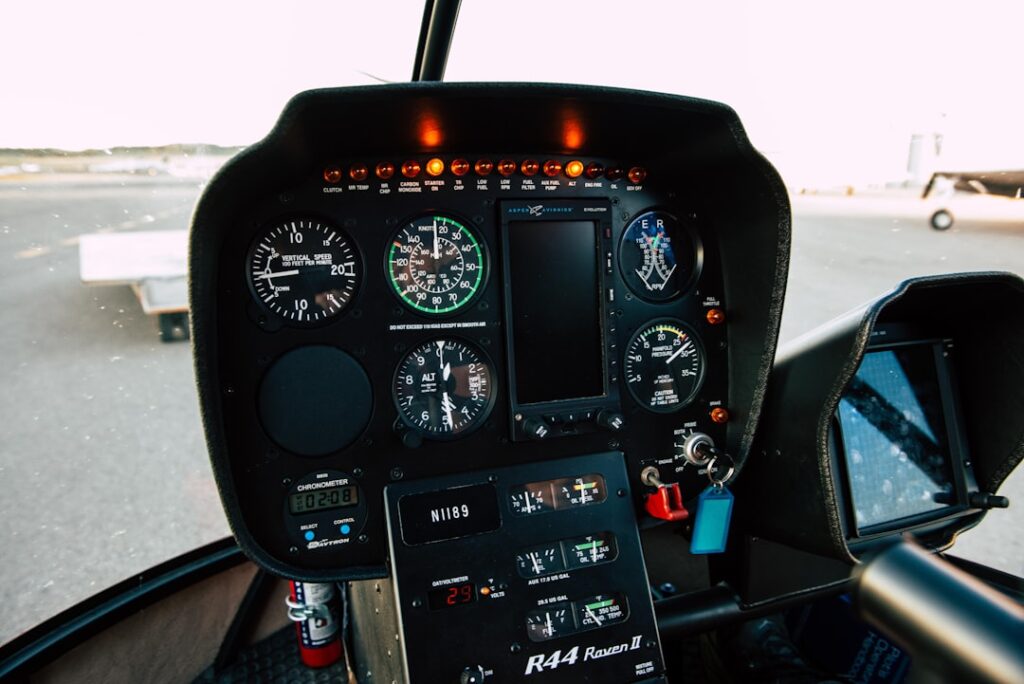
The evolution of autopilot technology can be traced back to the early 20th century, when the first rudimentary systems were developed for aircraft navigation. These early systems were mechanical in nature, relying on gyroscopes and other basic instruments to maintain a steady course. Over the decades, advancements in electronics and computing power have transformed autopilot systems from simple navigational aids into sophisticated, multi-functional platforms capable of managing complex tasks across various domains.
The introduction of digital technology in the late 20th century marked a significant turning point, allowing for the integration of advanced algorithms and real-time data processing, which enhanced the capabilities of autopilot systems significantly. In recent years, the rise of artificial intelligence (AI) and machine learning has further propelled the development of autopilot technology. Modern systems are now equipped with sensors and cameras that provide real-time feedback, enabling them to adapt to changing environments and make autonomous decisions.
This shift has not only improved the reliability and accuracy of autopilot systems but has also expanded their applications beyond aviation into sectors such as maritime, automotive, and even agriculture. As industries increasingly recognize the potential of automation to streamline operations and reduce human error, the demand for advanced autopilot systems continues to grow, paving the way for a future where autonomous technology plays a central role in everyday life.
The Benefits of Autopilot Systems in Various Industries
Autopilot systems offer a multitude of benefits across various industries, fundamentally altering how tasks are performed and enhancing overall operational efficiency. In aviation, for instance, autopilot technology allows pilots to focus on strategic decision-making rather than being bogged down by routine flying tasks. This not only reduces pilot fatigue but also enhances safety by allowing human operators to concentrate on monitoring systems and responding to unexpected situations.
The ability to maintain precise altitude and heading with minimal human intervention has led to improved fuel efficiency and reduced operational costs for airlines. In the maritime industry, autopilot systems have revolutionized navigation and vessel management. Modern ships are equipped with advanced autopilot technology that can automatically adjust course based on real-time data from GPS and other navigational aids.
This capability is particularly beneficial in long-haul voyages where human fatigue can lead to errors. Furthermore, the integration of autopilot systems with other technologies, such as collision avoidance systems, enhances maritime safety by providing real-time alerts and automated responses to potential hazards. The agricultural sector has also embraced autopilot technology through precision farming techniques, where autonomous tractors and drones optimize planting, watering, and harvesting processes, leading to increased crop yields and reduced resource waste.
How Autopilot Systems Improve Efficiency and Productivity

The implementation of autopilot systems has been shown to significantly enhance efficiency and productivity across various sectors. By automating routine tasks, these systems free up human resources to focus on more complex and strategic activities. In manufacturing, for example, robotic arms equipped with autopilot capabilities can perform repetitive tasks such as assembly or packaging with high precision and speed.
This not only accelerates production rates but also minimizes the risk of errors associated with manual labor. As a result, companies can achieve higher output levels while maintaining quality standards. Moreover, autopilot systems contribute to better resource management.
In logistics and supply chain operations, for instance, automated vehicles equipped with autopilot technology can optimize delivery routes in real-time based on traffic conditions and other variables. This leads to reduced fuel consumption and lower operational costs while ensuring timely deliveries. In the realm of data analysis, autopilot systems can process vast amounts of information at speeds unattainable by human analysts.
By identifying patterns and trends in data sets, these systems enable organizations to make informed decisions quickly, thereby enhancing overall productivity.
The Role of Autopilot Systems in Safety and Risk Management
Safety is a paramount concern in any industry, and autopilot systems play a crucial role in mitigating risks associated with human error. In aviation, for instance, studies have shown that a significant percentage of accidents are attributed to pilot error. Autopilot technology helps reduce this risk by taking over routine flying tasks and providing alerts for potential hazards.
Advanced systems can even execute emergency maneuvers autonomously if they detect an impending collision or other critical situations. This capability not only enhances passenger safety but also instills greater confidence in air travel. In the automotive sector, the advent of self-driving cars equipped with autopilot technology represents a significant leap forward in road safety.
These vehicles utilize a combination of sensors, cameras, and AI algorithms to navigate complex environments while adhering to traffic laws. By eliminating human error—often cited as a leading cause of road accidents—autonomous vehicles have the potential to drastically reduce fatalities and injuries on the roads. Furthermore, industries such as construction and mining are increasingly adopting autopilot systems for heavy machinery operation.
By automating tasks that involve significant risk, such as operating large excavators or haul trucks in hazardous environments, companies can protect their workforce while maintaining productivity.
The Impact of Autopilot Systems on Decision-Making and Problem-Solving
Autopilot systems have transformed decision-making processes across various industries by providing real-time data analysis and predictive insights. In sectors like finance, for example, algorithmic trading platforms utilize autopilot technology to analyze market trends and execute trades at lightning speed based on predefined criteria. This capability allows financial institutions to capitalize on fleeting market opportunities that would be impossible for human traders to exploit effectively.
By leveraging data-driven insights, organizations can make more informed decisions that align with their strategic objectives. Moreover, autopilot systems enhance problem-solving capabilities by identifying anomalies and suggesting corrective actions based on historical data patterns. In healthcare, for instance, diagnostic tools powered by AI can analyze patient data to identify potential health risks or recommend treatment options tailored to individual needs.
This not only streamlines the decision-making process for healthcare professionals but also improves patient outcomes by ensuring timely interventions. Similarly, in manufacturing environments, predictive maintenance powered by autopilot technology can forecast equipment failures before they occur, allowing organizations to address issues proactively rather than reactively.
The Integration of Autopilot Technology in Everyday Life

The integration of autopilot technology into everyday life is becoming increasingly prevalent as consumers embrace automation in various forms. Smart home devices equipped with autopilot capabilities allow homeowners to automate routine tasks such as adjusting thermostats, controlling lighting, or managing security systems through voice commands or mobile applications. This level of convenience not only enhances comfort but also promotes energy efficiency by optimizing resource usage based on user preferences.
In transportation, ride-sharing services have adopted autopilot technology to improve user experience and operational efficiency. Autonomous vehicles are being tested in urban environments, promising a future where commuters can enjoy hassle-free travel without the need for a human driver. Additionally, public transportation systems are exploring the use of autonomous buses equipped with autopilot features to enhance service reliability while reducing operational costs.
As these technologies continue to evolve and gain acceptance among consumers, they are likely to reshape how we interact with our surroundings on a daily basis.
The Future of Autopilot Systems and Emerging Technologies
The future of autopilot systems is poised for remarkable advancements as emerging technologies continue to evolve. One area of significant interest is the integration of machine learning algorithms that enable these systems to learn from their experiences over time. This capability will allow autopilot technology to adapt more effectively to dynamic environments and improve its decision-making processes based on historical data patterns.
As AI continues to advance, we can expect even greater levels of autonomy across various applications. Furthermore, the development of 5G networks is set to revolutionize the capabilities of autopilot systems by providing faster data transmission speeds and lower latency. This will enable real-time communication between autonomous vehicles or drones and centralized control systems, enhancing coordination and safety measures significantly.
Additionally, advancements in sensor technology will lead to more accurate environmental perception for autopilot systems, allowing them to navigate complex scenarios with greater ease. As these technologies converge, we may witness a future where fully autonomous operations become commonplace across multiple industries.
The Importance of Proper Training and Maintenance for Autopilot Systems
While autopilot systems offer numerous advantages, their effectiveness hinges on proper training and maintenance protocols. Human operators must be adequately trained not only in how to use these systems but also in understanding their limitations. For instance, pilots must be familiar with how an autopilot system functions so they can intervene effectively when necessary.
Regular training sessions that simulate various scenarios can help ensure that operators remain proficient in managing both automated and manual controls. Maintenance is equally critical for ensuring the reliability of autopilot systems. Regular inspections and updates are necessary to keep software algorithms current and address any potential vulnerabilities that could compromise system performance or safety.
In industries such as aviation or maritime transport where safety is paramount, adherence to stringent maintenance schedules is essential for preventing malfunctions that could lead to catastrophic outcomes. Organizations must invest in ongoing training programs and maintenance protocols to maximize the benefits of their autopilot technologies while minimizing risks.
Case Studies of Successful Implementation of Autopilot Systems
Numerous case studies illustrate the successful implementation of autopilot systems across various industries, showcasing their transformative impact on operations. One notable example is Boeing’s use of advanced autopilot technology in its commercial aircraft fleet. By integrating sophisticated flight management systems that automate navigation and optimize fuel consumption during flights, Boeing has significantly improved operational efficiency for airlines worldwide.
Airlines utilizing these technologies report reduced fuel costs and enhanced safety measures due to decreased pilot workload. In agriculture, John Deere’s autonomous tractors represent another success story in the implementation of autopilot technology. These tractors utilize GPS-guided systems that allow farmers to automate planting and harvesting processes with remarkable precision.
Case studies have shown that farmers using John Deere’s autonomous equipment experience increased productivity while reducing resource waste through optimized planting patterns and efficient use of fertilizers. Such examples highlight how organizations across diverse sectors can leverage autopilot technology to achieve substantial gains in efficiency and effectiveness.
The Ethical and Legal Implications of Autopilot Technology
As autopilot technology becomes more integrated into society, ethical and legal implications arise that warrant careful consideration. One major concern revolves around accountability in the event of an accident involving autonomous vehicles or aircraft equipped with autopilot systems. Determining liability—whether it lies with manufacturers, software developers, or operators—poses significant challenges within existing legal frameworks that were not designed for autonomous operations.
Additionally, ethical considerations regarding data privacy come into play as these systems rely heavily on data collection for optimal performance. The use of personal data raises questions about consent and ownership rights over information generated by users interacting with autonomous technologies. Striking a balance between innovation and ethical responsibility will be crucial as society navigates the complexities introduced by autopilot technology.
How to Choose the Right Autopilot System for Your Business or Industry
Selecting the appropriate autopilot system for a specific business or industry requires careful evaluation of several factors tailored to organizational needs. First and foremost is understanding the specific requirements of operations—whether it involves aviation, maritime transport, agriculture, or another sector—each domain has unique challenges that necessitate customized solutions. Conducting thorough research into available technologies while considering factors such as scalability, compatibility with existing infrastructure, and ease of integration is essential.
Furthermore, organizations should assess vendor reputation and support services when choosing an autopilot system provider. A reliable vendor should offer comprehensive training programs alongside robust maintenance support to ensure optimal performance over time. Engaging stakeholders throughout the selection process can also provide valuable insights into operational needs while fostering buy-in from employees who will ultimately interact with these technologies daily.
In conclusion, as industries continue embracing automation through advanced autopilot technologies across various sectors—from aviation to agriculture—the transformative potential becomes increasingly evident through enhanced efficiency gains coupled with improved safety measures while navigating ethical considerations surrounding implementation strategies moving forward into an automated future.




