
Thomas Piketty is a French economist who has become a central figure in contemporary debates about wealth and income inequality. Born in 1971, his academic career has concentrated on economic history and wealth distribution patterns. His most significant publication, “Capital in the Twenty-First Century,” released in 2013, brought him international recognition and generated widespread discussion among economists, policymakers, and the public.
The work presents a detailed analysis based on extensive historical data examining the development of wealth and income inequality across several centuries. Piketty’s methodology combines thorough empirical research with clear prose, making complex economic theories accessible to general readers. He employs comprehensive datasets from multiple countries, with particular emphasis on France and the United States, to demonstrate patterns in income distribution and capital accumulation.
The book’s primary argument states that returns on capital typically exceed economic growth rates, resulting in greater wealth concentration among the wealthiest individuals. This conclusion challenges established neoliberal economic theories that have influenced policy frameworks for several decades.
Key Takeaways
- Thomas Piketty’s “Capital in the Twenty-First Century” analyzes wealth concentration and income inequality over time.
- The book argues that when the rate of return on capital exceeds economic growth, inequality tends to increase.
- Piketty’s work has sparked debates and faced criticism regarding data interpretation and policy recommendations.
- His research has significantly influenced economic and political discussions on inequality worldwide.
- Proposed solutions include progressive taxation and wealth redistribution to address growing economic disparities.
Summary of the main arguments and findings in “Capital in the Twenty-First Century”
At the heart of Piketty’s analysis is the relationship between capital and income inequality. He argues that when the rate of return on capital exceeds the rate of economic growth, wealth becomes increasingly concentrated in the hands of a few. This phenomenon is not merely a byproduct of market forces but is deeply rooted in historical and institutional contexts.
Piketty meticulously documents how wealth inequality has evolved from the 18th century to the present day, highlighting significant fluctuations during periods such as the World Wars and the post-war economic boom. One of Piketty’s key findings is that the share of national income going to capital has risen significantly since the 1980s, reversing a trend that had been in place for much of the 20th century. He emphasizes that this resurgence of capital income is not just a temporary blip but indicative of a long-term structural shift.
Furthermore, Piketty introduces the concept of “patrimonial capitalism,” where inherited wealth plays a crucial role in perpetuating inequality. He argues that this form of capitalism undermines meritocratic ideals and poses a threat to democratic institutions, as wealth concentration can lead to disproportionate political influence.
Criticisms and controversies surrounding Piketty’s work

Despite its acclaim, “Capital in the Twenty-First Century” has not been without its critics. Some economists argue that Piketty’s focus on capital accumulation overlooks other significant factors contributing to income inequality, such as technological advancements and globalization. Critics contend that his analysis may oversimplify complex economic dynamics by attributing rising inequality primarily to capital returns rather than considering a broader array of influences.
Moreover, Piketty’s proposed solutions, particularly his advocacy for a global tax on wealth, have sparked considerable debate.
Additionally, some have questioned the feasibility of international cooperation required to enforce a global tax system effectively.
These criticisms highlight the contentious nature of Piketty’s proposals and underscore the complexities involved in addressing systemic inequality.
Impact of Piketty’s research on economic and political discourse
Piketty’s work has significantly influenced both economic theory and political discourse surrounding inequality. His findings have prompted a reevaluation of long-held beliefs about capitalism and its capacity for self-correction.
Politicians across the ideological spectrum have cited Piketty’s research to support their arguments for reforming tax policies and addressing inequality. In particular, Piketty’s work has resonated with progressive movements advocating for higher taxes on the wealthy and increased social spending. The book has provided a theoretical foundation for policies aimed at reducing inequality, such as universal basic income or expanded access to education and healthcare.
Furthermore, Piketty’s emphasis on historical context has encouraged economists and policymakers to consider long-term trends rather than short-term fluctuations when analyzing economic data.
Comparison of Piketty’s work with other theories of income inequality
Piketty’s analysis can be juxtaposed with various other theories of income inequality, each offering distinct perspectives on its causes and consequences. For instance, classical economists like Adam Smith emphasized market forces and competition as drivers of wealth distribution, while Karl Marx focused on class struggle and exploitation as fundamental to understanding inequality. In contrast, Piketty integrates elements from both traditions but places greater emphasis on capital accumulation and inheritance.
Another relevant framework is the human capital theory, which posits that differences in education and skills are primary drivers of income disparities. While Piketty acknowledges the role of education in shaping income distribution, he argues that it cannot fully account for the growing concentration of wealth among elites. His critique extends to neoliberal economic policies that prioritize individual merit over structural factors contributing to inequality.
Policy implications and proposed solutions based on Piketty’s analysis
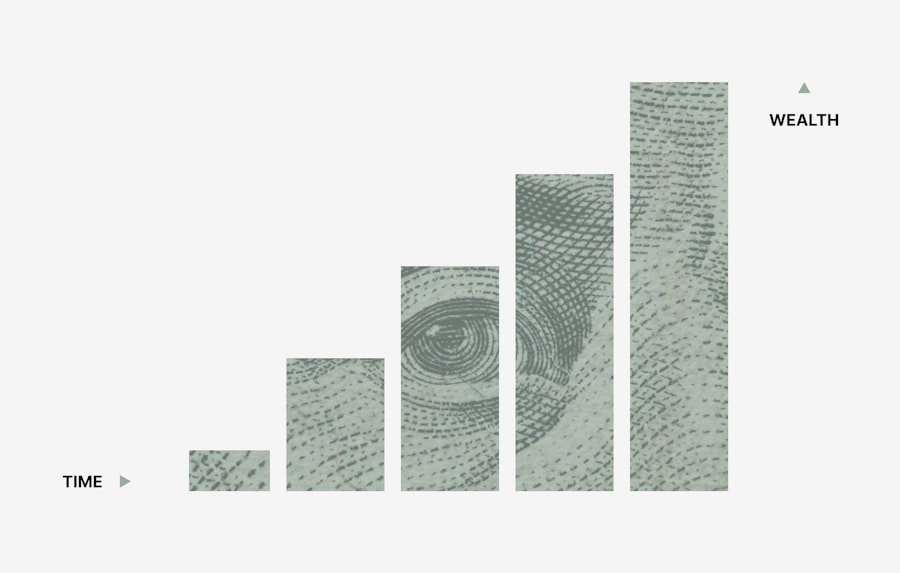
Piketty’s research leads to several policy implications aimed at mitigating income inequality. One of his most notable proposals is the implementation of progressive taxation systems that target wealth rather than just income. He argues that such measures could help redistribute resources more equitably across society, thereby addressing some of the systemic issues he identifies in his analysis.
By taxing wealth at higher rates, governments could fund social programs that benefit lower-income individuals and reduce disparities in access to education and healthcare. Additionally, Piketty advocates for increased transparency in financial markets and corporate governance. He believes that greater accountability can help curb practices that contribute to wealth concentration, such as tax evasion and aggressive corporate lobbying.
By promoting policies that enhance transparency, governments can create a more level playing field where all individuals have an opportunity to succeed based on merit rather than inherited wealth.
Reception and influence of “Capital in the Twenty-First Century” in academia and beyond
The reception of “Capital in the Twenty-First Century” has been overwhelmingly positive within academic circles, where it has sparked extensive research on income inequality and wealth distribution. Scholars from various disciplines have engaged with Piketty’s findings, leading to a proliferation of studies examining different aspects of inequality. The book has become a foundational text for courses on economics, sociology, and political science, illustrating its broad appeal across fields.
Beyond academia, Piketty’s work has permeated popular culture and public discourse. It has inspired documentaries, public lectures, and discussions at international forums focused on economic policy. The book’s accessibility has allowed it to reach audiences beyond traditional academic boundaries, fostering a more informed public dialogue about pressing issues related to inequality.
This widespread engagement underscores the relevance of Piketty’s research in contemporary society.
Future directions for research on wealth and income inequality based on Piketty’s work
Building upon Piketty’s foundational insights, future research on wealth and income inequality may explore several avenues. One potential direction involves examining the intersectionality of inequality—how factors such as race, gender, and geography interact with economic disparities. Understanding these intersections can provide a more nuanced view of how different groups experience inequality and inform targeted policy interventions.
Another promising area for exploration is the impact of technological advancements on income distribution. As automation and artificial intelligence reshape labor markets, researchers can investigate how these changes affect wage structures and employment opportunities across various sectors. Additionally, examining the role of global financial systems in perpetuating or alleviating inequality could yield valuable insights into how international policies can be designed to promote equity.
Piketty’s work serves as a catalyst for ongoing discussions about economic justice and equity in society. As researchers continue to build upon his findings, they will contribute to a deeper understanding of the complexities surrounding wealth distribution and its implications for democratic governance and social cohesion.
In his influential work, “Capital in the Twenty-First Century,” Thomas Piketty explores the dynamics of wealth and income inequality in modern economies. A related article that delves deeper into the implications of Piketty’s findings is available at this link. This article provides further insights into the ongoing discussions surrounding economic disparity and the potential policy responses to address these pressing issues.
FAQs
What is “Capital in the Twenty-First Century” about?
“Capital in the Twenty-First Century” is a book by economist Thomas Piketty that analyzes wealth and income inequality over the past few centuries. It explores how capital accumulation and distribution have evolved and the implications for economic inequality in modern societies.
Who is Thomas Piketty?
Thomas Piketty is a French economist known for his work on wealth and income inequality. He is a professor at the Paris School of Economics and gained international recognition with the publication of “Capital in the Twenty-First Century.”
When was “Capital in the Twenty-First Century” published?
The book was originally published in French in 2013 under the title “Le Capital au XXIe siècle” and was translated into English and published in 2014.
What is the main argument of the book?
Piketty argues that when the rate of return on capital exceeds the rate of economic growth over the long term, wealth inequality tends to increase. This dynamic can lead to the concentration of wealth and social inequality unless addressed by policy measures.
What data does Piketty use in his analysis?
Piketty uses extensive historical data on income and wealth from multiple countries, spanning over 200 years. He compiles tax records, national accounts, and other economic data to analyze trends in inequality.
What policy solutions does Piketty propose?
Piketty suggests progressive taxation on wealth and income, including a global wealth tax, to reduce inequality and prevent excessive concentration of capital.
How has “Capital in the Twenty-First Century” influenced economic discussions?
The book has sparked widespread debate among economists, policymakers, and the public about inequality, capitalism, and economic policy. It has influenced discussions on taxation, wealth redistribution, and economic justice.
Is “Capital in the Twenty-First Century” considered controversial?
Yes, some economists have criticized Piketty’s methodology, data interpretation, and policy recommendations, while others praise the book for its comprehensive analysis and contribution to understanding inequality.
What are some key concepts introduced in the book?
Key concepts include the relationship between the rate of return on capital (r) and economic growth (g), the dynamics of wealth concentration, and the role of inheritance in perpetuating inequality.
Has Thomas Piketty published other works related to inequality?
Yes, Piketty has published several other works and articles focusing on economic inequality, wealth distribution, and related policy issues.