
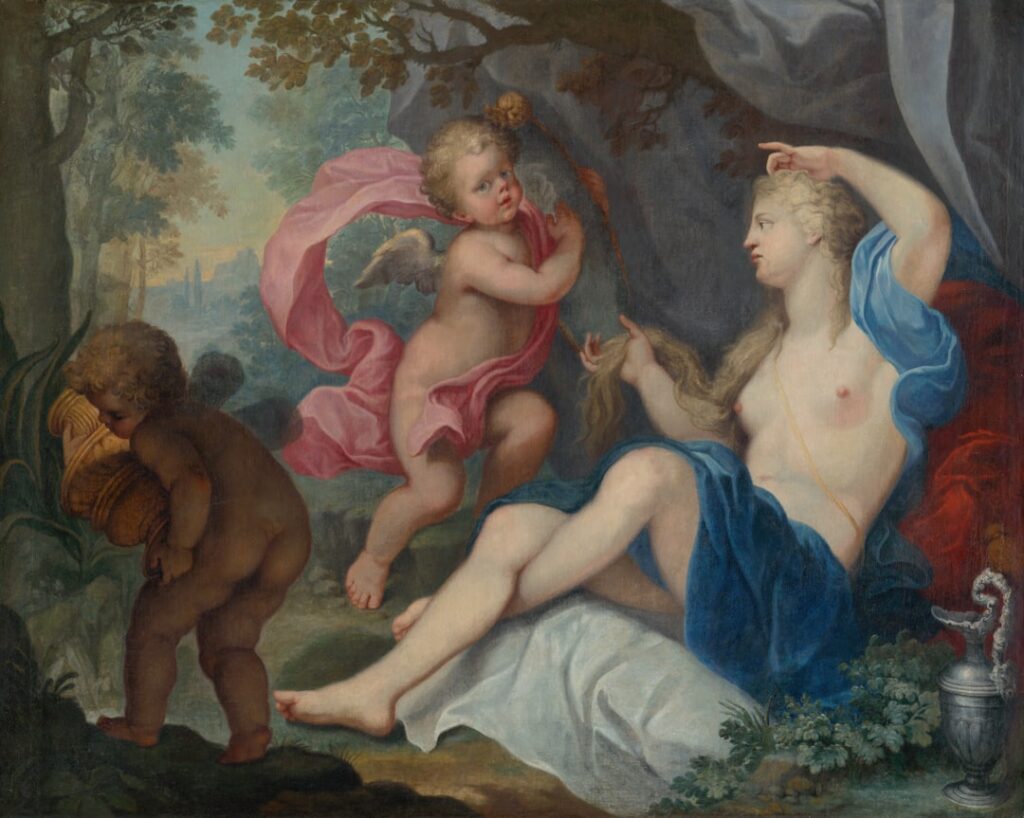
Joseph Campbell (1904-1987) was an American mythologist, writer, and lecturer who significantly influenced the academic study of comparative mythology and its role in human culture. Campbell spent his career analyzing mythological narratives from diverse cultures to understand their function in human society. His most influential work, “The Hero with a Thousand Faces” (1949), introduced the concept of the monomyth or Hero’s Journey—a theoretical framework proposing that heroic narratives across different cultures follow a similar structural pattern.
Campbell’s research methodology involved comparative analysis of myths, legends, and religious stories from various civilizations to identify recurring themes, character types, and narrative structures. He argued that these shared elements, which he termed archetypes, reflect universal aspects of human psychology and experience. His work drew from multiple disciplines, including psychology, anthropology, and religious studies, particularly incorporating Carl Jung’s theories of the collective unconscious.
The practical applications of Campbell’s theories have extended into contemporary fields such as screenwriting, literature, and psychology. His framework for understanding mythological structures has been used to analyze modern storytelling in film and literature, while his emphasis on the psychological functions of myth has contributed to therapeutic approaches that utilize narrative and archetypal analysis. Campbell’s work continues to inform academic research in mythology, comparative religion, and cultural studies, providing tools for examining how traditional narratives function within both historical and contemporary contexts.
Key Takeaways
- Joseph Campbell’s work highlights the universal patterns in myths across cultures.
- Myths play a crucial role in shaping human culture and personal identity.
- The Hero’s Journey is a common narrative structure that resonates globally.
- Myths facilitate personal transformation and self-discovery.
- Mythological themes continue to influence modern art, literature, and daily life.
The Importance of Myth in Human Culture
Myth serves as a foundational element of human culture, providing a framework through which we can understand our place in the world. From ancient civilizations to contemporary societies, myths have been used to explain natural phenomena, establish moral codes, and convey shared values. They offer insights into the human condition, addressing fundamental questions about existence, purpose, and the nature of reality.
By engaging with these narratives, we not only connect with our ancestors but also gain a deeper understanding of ourselves and our communities. Moreover, myths often serve as a means of cultural preservation. They encapsulate the beliefs, traditions, and histories of societies, passing down wisdom from generation to generation.
In this way, myths act as vessels of collective memory, allowing us to learn from the past while navigating the complexities of modern life. As we explore various myths from around the world, we uncover the rich tapestry of human experience that transcends geographical and temporal boundaries. This shared heritage fosters a sense of belonging and unity among diverse cultures, reminding us that despite our differences, we are all part of a larger narrative.
The Hero’s Journey and its Universal Appeal
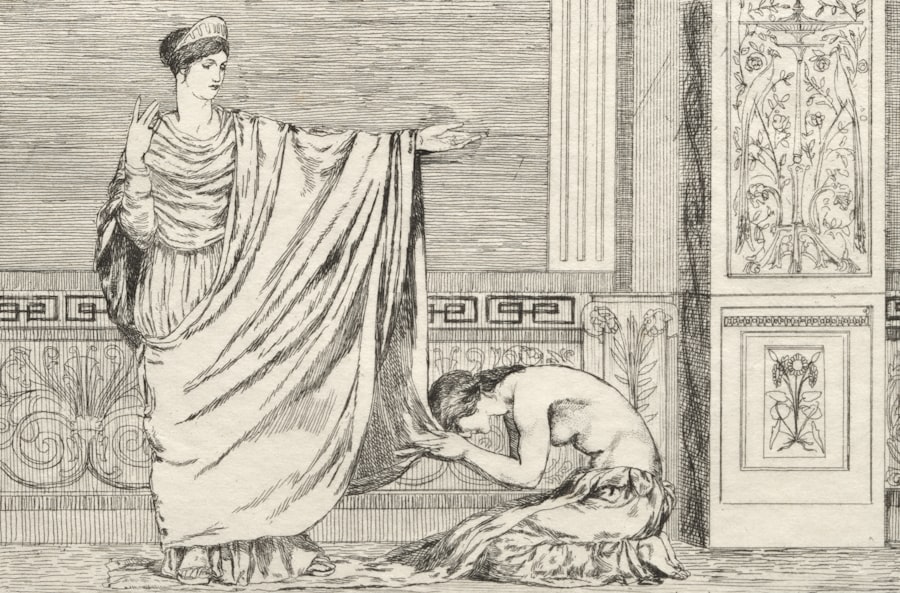
At the heart of many myths lies the Hero’s Journey, a narrative arc that resonates with audiences across cultures and eras. This archetypal structure typically involves a hero who embarks on an adventure, faces challenges and trials, undergoes transformation, and ultimately returns home with newfound wisdom or insight. Campbell’s analysis of this journey reveals its profound psychological significance; it mirrors our own struggles and aspirations as we navigate the complexities of life.
The universal appeal of the Hero’s Journey lies in its ability to reflect our innermost desires for growth and self-discovery. As we identify with the hero’s trials and triumphs, we are reminded that transformation is an integral part of the human experience. This narrative framework not only provides a sense of hope but also encourages us to confront our fears and embrace change.
The Role of Myth in Personal Transformation
Myth has a profound role in personal transformation, serving as a catalyst for self-discovery and growth. Through engaging with mythological narratives, we can explore our own identities and confront the challenges that shape us. These stories often mirror our internal struggles, allowing us to process emotions and experiences in a safe and meaningful way.
By identifying with mythic figures, we gain insights into our own journeys and the potential for transformation that lies within us. Furthermore, myths provide us with archetypal models for navigating life’s challenges. The trials faced by heroes in these stories often parallel our own obstacles, offering guidance on how to overcome adversity.
As we reflect on these narratives, we can draw strength from their lessons and apply them to our lives. In this sense, myth becomes a powerful tool for personal growth, encouraging us to embrace change and seek out new possibilities.
Comparing Myths from Different Cultures
As we explore myths from various cultures, we uncover both unique elements and striking similarities that highlight the shared human experience. Each culture has its own distinct narratives that reflect its values, beliefs, and historical context. However, when we examine these myths side by side, we often find common themes that transcend cultural boundaries.
For instance, many myths feature creation stories that explain the origins of the world or humanity, while others explore themes of heroism, sacrifice, and redemption. This comparative approach not only enriches our understanding of individual cultures but also emphasizes the interconnectedness of humanity. By recognizing the common threads that run through diverse mythologies, we can appreciate the universal themes that resonate across time and space.
This exploration fosters empathy and understanding among different cultures, reminding us that despite our differences, we share fundamental questions about existence and purpose.
The Influence of Myth on Art and Literature

Myth has profoundly influenced art and literature throughout history, serving as a wellspring of inspiration for countless creators. From ancient sculptures depicting mythological figures to modern novels that draw on archetypal themes, the impact of myth is evident in various artistic expressions. Artists often turn to myth as a means of exploring complex emotions and ideas, using these narratives to convey deeper truths about the human experience.
In literature, mythological references enrich storytelling by providing layers of meaning and resonance. Authors frequently incorporate mythic elements to create characters who embody archetypal qualities or to structure their narratives around familiar themes. This interplay between myth and literature not only enhances the richness of storytelling but also invites readers to engage with timeless questions about identity, morality, and existence.
As we immerse ourselves in these works, we are reminded of the enduring power of myth to inspire creativity and provoke thought.
The Relevance of Myth in Modern Society
In today’s fast-paced world, one might wonder about the relevance of myth in contemporary society. Despite advancements in science and technology, myths continue to hold significance as they address fundamental human concerns that remain unchanged over time. In an era marked by uncertainty and rapid change, myths provide a sense of stability and continuity by connecting us to our shared heritage.
Moreover, myths offer valuable insights into contemporary issues such as identity, belonging, and morality. As we grapple with complex social dynamics and existential questions, engaging with mythological narratives can provide guidance and perspective. By reflecting on these stories, we can find meaning in our experiences and navigate the challenges of modern life with greater resilience.
In this way, myth remains a vital source of wisdom that continues to resonate with us today.
Applying the Lessons of Myth to Everyday Life
As we reflect on the lessons embedded within myths, we can find practical applications for our everyday lives.
By embracing our own hero’s journey—acknowledging our challenges, seeking growth through adversity, and striving for self-discovery—we can cultivate resilience and purpose in our lives.
Additionally, engaging with myth encourages us to reflect on our values and beliefs. By examining the moral lessons conveyed through these stories, we can gain clarity on what truly matters to us. This introspection allows us to align our actions with our values, fostering a sense of authenticity in our lives.
Ultimately, by applying the lessons of myth to our everyday experiences, we can embark on meaningful journeys that lead to personal growth and fulfillment. In conclusion, Joseph Campbell’s exploration of myth offers profound insights into the human experience. By understanding the importance of myth in culture, recognizing the universal appeal of the Hero’s Journey, and applying these lessons to our lives, we can navigate our own paths with greater awareness and purpose.
As we continue to engage with these timeless narratives, we are reminded that storytelling remains an essential part of what it means to be human—a bridge connecting us across time and space in our shared quest for meaning.
In exploring the themes presented in “The Power of Myth” by Joseph Campbell, one can find a fascinating connection to the article on storytelling and its impact on culture. This article delves into how myths shape our understanding of the world and influence our narratives. For more insights, you can read the article [here](https://hellread.com/2024/12/04/hello-world/).
FAQs
What is “The Power of Myth” by Joseph Campbell?
“The Power of Myth” is a book and a series of interviews featuring Joseph Campbell, a renowned mythologist, discussing the enduring significance and influence of myths in human culture.
Who was Joseph Campbell?
Joseph Campbell was an American professor, writer, and orator best known for his work in comparative mythology and comparative religion. He explored the universal themes and archetypes found in myths from various cultures.
When was “The Power of Myth” published?
The book “The Power of Myth” was published in 1988, based on a series of interviews conducted in 1985 between Joseph Campbell and journalist Bill Moyers.
What are the main themes of “The Power of Myth”?
The main themes include the role of myth in society, the hero’s journey, the universal patterns in myths across cultures, and how myths address fundamental human experiences and questions.
How did “The Power of Myth” influence popular culture?
“The Power of Myth” popularized the concept of the “hero’s journey,” influencing writers, filmmakers, and artists, including George Lucas, who cited Campbell’s work as an inspiration for the Star Wars saga.
Is “The Power of Myth” based on original research?
Yes, Joseph Campbell’s work is based on extensive comparative research of myths, legends, and religious stories from cultures around the world.
What format does “The Power of Myth” take?
The original “The Power of Myth” was a television series of interviews, later transcribed and expanded into a book format.
Why is “The Power of Myth” still relevant today?
It remains relevant because it explores universal human experiences and the ways myths shape our understanding of life, identity, and culture, offering insights that transcend time and place.
Where can I access “The Power of Myth”?
The book is widely available in bookstores and libraries, and the original interview series can be found on various video platforms and DVD collections.




