
Jane Jacobs, a prominent urban planning theorist and community activist, significantly influenced modern understanding of cities. Born in 1916 in Scranton, Pennsylvania, she became known for advocating vibrant, diverse urban environments. Her influential 1961 book, “The Death and Life of Great American Cities,” challenged conventional urban development approaches by arguing that cities should prioritize people over automobiles.
Jacobs promoted mixed-use neighborhoods that encourage community interaction and economic development. Her observational research and advocacy fundamentally altered urban planning discourse by highlighting the complex relationships between residents, urban environments, and local economies. Jacobs’ theories transcend aesthetic considerations to address fundamental aspects of urban economic systems.
She conceptualized cities as dynamic organisms requiring careful stewardship rather than merely physical infrastructure. Her work emphasized that local economies thrive when they reflect and build upon the distinctive characteristics of their communities. By advocating for walkable spaces and diverse neighborhoods, Jacobs established a framework for inclusive urban development that remains relevant to contemporary urban challenges.
Key Takeaways
- Jane Jacobs emphasized the critical role of vibrant cities in economic growth and innovation.
- Diversity within urban populations drives dynamic and resilient city economies.
- Thoughtful urban planning significantly influences the economic development of cities.
- Small businesses are essential contributors to the vitality and sustainability of city economies.
- Cities face challenges such as inequality and infrastructure demands but remain key hubs for future innovation.
The Importance of Cities in the Economy
Cities serve as the engines of economic growth, driving innovation, job creation, and cultural exchange. They are hubs where ideas converge, and opportunities abound. As we navigate through the complexities of modern economies, it becomes increasingly clear that urban areas play a pivotal role in shaping our collective prosperity.
The concentration of resources, talent, and infrastructure within cities fosters an environment ripe for entrepreneurship and collaboration. This dynamic ecosystem not only attracts businesses but also encourages them to thrive, creating a ripple effect that benefits surrounding regions. Moreover, cities are vital in facilitating trade and commerce.
Their strategic locations often provide access to transportation networks, making it easier for goods and services to flow in and out. This connectivity enhances economic resilience, allowing cities to adapt to changing market demands. As we reflect on the importance of cities in the economy, we must also acknowledge their role in addressing social inequalities.
Urban areas have the potential to bridge gaps between different socioeconomic groups by providing access to education, healthcare, and employment opportunities. In this way, cities can become catalysts for inclusive growth, fostering environments where everyone has a chance to succeed.
The Role of Diversity in City Economies

Diversity is not merely a demographic characteristic; it is a fundamental driver of economic vitality in urban settings. When we think about the richness of city economies, we must consider the myriad perspectives, skills, and experiences that diverse populations bring to the table. A diverse workforce enhances creativity and innovation, as individuals from different backgrounds contribute unique ideas and solutions to complex problems.
This melting pot of cultures fosters an environment where collaboration flourishes, leading to the development of new products and services that cater to a broader audience. Furthermore, diversity in city economies can lead to increased resilience against economic downturns.
For instance, a city with a mix of tech startups, manufacturing firms, and creative enterprises can adapt more readily to changes in consumer demand than one reliant on a single industry. By promoting inclusivity and supporting diverse businesses, we can create robust urban economies that not only survive but thrive in an ever-evolving landscape.
The Impact of Urban Planning on Economic Development
Urban planning plays a crucial role in shaping the economic landscape of cities. Thoughtful planning can create environments conducive to business growth while enhancing the quality of life for residents. As we consider the impact of urban design on economic development, we must recognize that well-planned cities attract investment and talent.
Infrastructure such as public transportation systems, parks, and community spaces can significantly influence where businesses choose to locate and where people decide to live. Moreover, effective urban planning can mitigate some of the challenges associated with rapid urbanization. As cities grow, they often face issues such as congestion, pollution, and inadequate housing.
By prioritizing sustainable development practices and integrating green spaces into urban environments, we can create healthier communities that support both economic activity and environmental stewardship. In this way, urban planning becomes not just a tool for managing growth but a strategic approach to fostering long-term economic resilience.
The Role of Small Businesses in City Economies
Small businesses are often referred to as the backbone of city economies, and for good reason. They contribute significantly to job creation and local economic development while fostering a sense of community identity. When we support small businesses, we are not just investing in individual entrepreneurs; we are investing in the fabric of our neighborhoods.
Additionally, small businesses tend to reinvest their profits back into the community, creating a multiplier effect that benefits other local enterprises. This interconnectedness strengthens the overall economy by promoting collaboration among businesses and encouraging residents to shop locally.
As we navigate the challenges posed by larger corporations and online retail giants, it becomes increasingly important to champion small businesses as vital contributors to our urban landscapes.
The Relationship Between Cities and Innovation
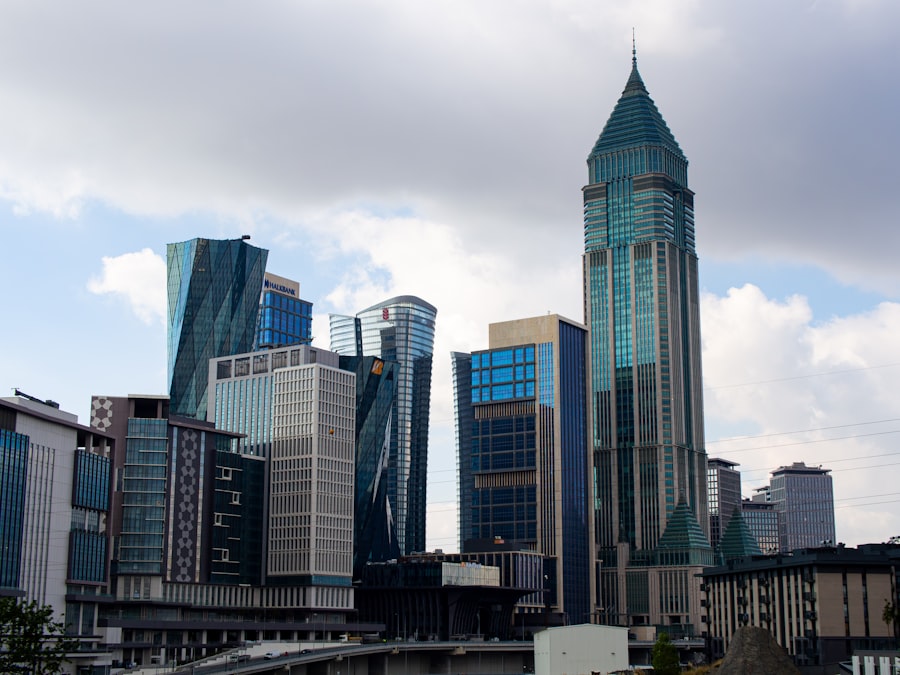
Innovation thrives in urban environments where diverse ideas intersect and collaboration is encouraged. Cities provide fertile ground for creativity due to their density and connectivity. When we think about groundbreaking advancements in technology, art, or social movements, many of these developments emerge from urban centers where individuals from various disciplines come together to share knowledge and resources.
Moreover, cities often host institutions such as universities and research centers that serve as incubators for innovation. These institutions attract talent from around the world and foster an environment where new ideas can flourish. As we consider the relationship between cities and innovation, it is essential to recognize that this dynamic is not solely dependent on physical infrastructure but also on social networks and community engagement.
By nurturing an inclusive atmosphere that encourages experimentation and risk-taking, we can unlock the full potential of our urban spaces as hubs of innovation.
The Challenges Facing City Economies
Despite their many advantages, city economies face a range of challenges that threaten their sustainability and growth. Rapid urbanization has led to increased pressure on infrastructure, housing shortages, and rising living costs. As more people flock to cities in search of opportunities, we must grapple with issues such as gentrification and displacement that can undermine community cohesion.
Additionally, economic inequality remains a pressing concern in many urban areas. While some neighborhoods thrive with new investments and developments, others may be left behind, exacerbating social divides. Addressing these challenges requires a concerted effort from policymakers, community leaders, and residents alike.
By prioritizing equitable development practices and ensuring that all voices are heard in decision-making processes, we can work towards creating more inclusive city economies that benefit everyone.
Conclusion and Future Outlook
As we reflect on the insights of Jane Jacobs and the evolving landscape of city economies, it is clear that our urban environments hold immense potential for fostering innovation, diversity, and economic growth. However, realizing this potential requires us to confront the challenges head-on with thoughtful planning and community engagement. By embracing diversity as a strength and supporting small businesses as vital contributors to our local economies, we can create vibrant urban spaces that reflect our shared values.
Looking ahead, we must remain vigilant in our efforts to address issues such as inequality and environmental sustainability within our cities. The future of city economies will depend on our ability to adapt to changing circumstances while remaining committed to inclusivity and resilience. As we navigate this journey together, let us draw inspiration from Jane Jacobs’ vision of cities as living ecosystems—places where people come together to create thriving communities that celebrate diversity and foster economic opportunity for all.
In her influential work, “The Economy of Cities,” Jane Jacobs explores the intricate relationship between urban environments and economic development. For those interested in further examining the dynamics of urban economies, a related article can be found at


