
Richard Nelson, an esteemed author and naturalist, has made significant contributions to the understanding of the intricate relationship between humans and the natural world. His work often reflects a deep reverence for the environment, drawing from his experiences and observations in various ecosystems. One of his most notable works, “The Island Within,” serves as a profound exploration of the interconnectedness of life, culture, and the natural world.
Set against the backdrop of the Pacific Northwest, this book is not merely a narrative but a philosophical inquiry into what it means to coexist with nature. Through vivid descriptions and personal anecdotes, Nelson invites readers to reflect on their own relationships with the environment, urging them to consider the lessons that nature has to offer. In “The Island Within,” Nelson weaves together his personal experiences with broader ecological themes, creating a tapestry that is both intimate and expansive.
The book is structured around his observations of life on an island in Southeast Alaska, where he immerses himself in the rhythms of nature. This setting becomes a character in its own right, influencing the narrative and shaping Nelson’s reflections. His writing is characterized by a lyrical quality that captures the beauty and complexity of the natural world, making it accessible to readers who may not have a background in environmental studies.
Through his eloquent prose, Nelson not only shares his love for the island but also emphasizes the importance of understanding and preserving our natural surroundings.
Key Takeaways
- Richard Nelson’s “The Island Within” explores deep connections between humans and nature.
- The concept of “The Island Within” symbolizes an inner sanctuary for reflection and solitude.
- The book highlights the significance of indigenous culture, tradition, and ritual in understanding nature.
- Themes of solitude and reflection are central to appreciating the natural world and human relationships.
- Nelson’s work leaves a lasting legacy on environmental awareness and cultural respect.
The Concept of “The Island Within”
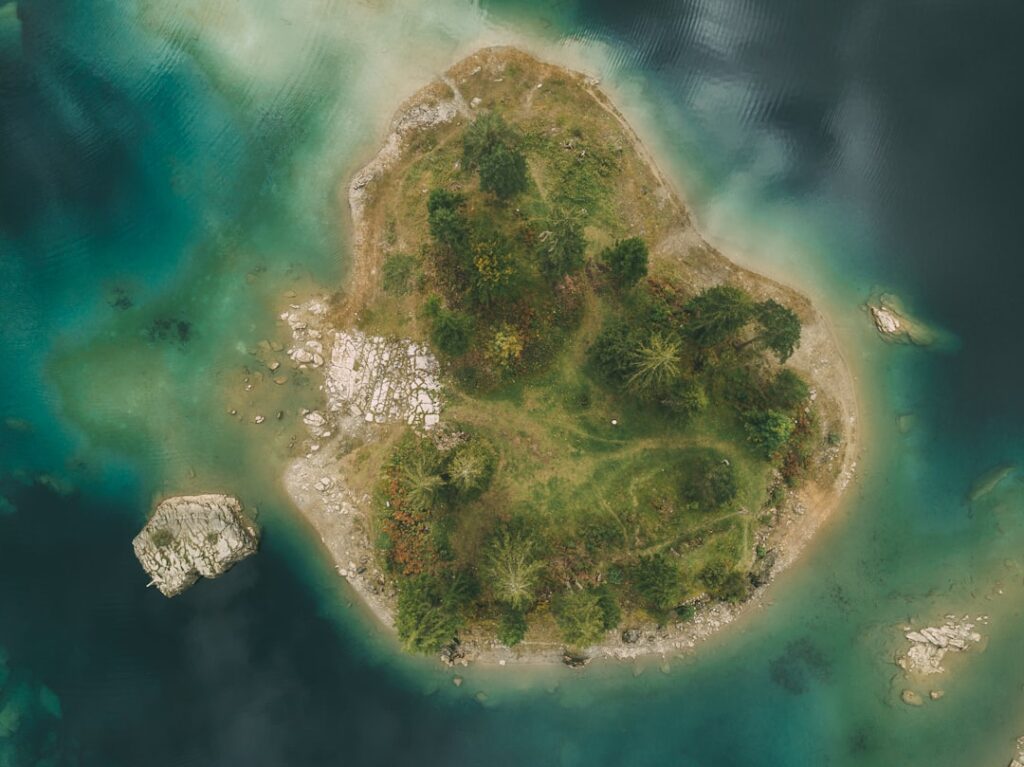
At its core, “The Island Within” is a meditation on the concept of inner landscapes and the personal islands we each inhabit. Nelson uses the physical island as a metaphor for the internal spaces we create within ourselves—places of solitude, reflection, and connection to nature. This idea resonates deeply with readers, as it encourages them to explore their own inner worlds while considering how these spaces are influenced by external environments.
The island becomes a symbol of both isolation and sanctuary, representing the duality of human experience in relation to nature. Nelson’s exploration of this concept is multifaceted; he delves into how our surroundings shape our identities and perceptions. The island serves as a microcosm of larger ecological systems, reflecting the complexities of life itself.
By examining the flora and fauna that inhabit this space, Nelson illustrates how interconnectedness is not just a theme but a fundamental truth of existence. The island within each person mirrors the physical island’s ecosystems, suggesting that our inner lives are as rich and diverse as the natural world around us. This interplay between external landscapes and internal reflections invites readers to consider their own “islands”—the unique experiences and memories that define them.
Exploring the Natural World in The Island Within
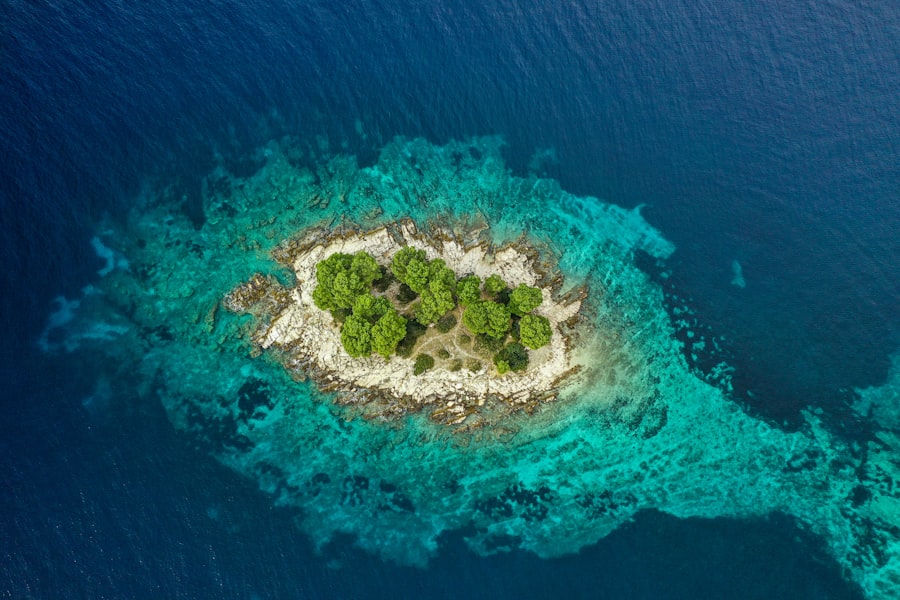
Nelson’s vivid descriptions of the natural world in “The Island Within” transport readers to the lush landscapes of Southeast Alaska. He paints a picture of towering trees, rugged coastlines, and vibrant wildlife, immersing readers in an environment that is both beautiful and harsh. Through his keen observations, Nelson captures the essence of this ecosystem, detailing the intricate relationships between species and their habitats.
For instance, he describes the behavior of sea otters as they float on their backs, using tools to crack open shellfish—a testament to their intelligence and adaptability. Such observations not only highlight the wonders of nature but also serve as a reminder of the delicate balance that sustains life. In addition to showcasing individual species, Nelson emphasizes the seasonal changes that shape the island’s landscape.
He reflects on how each season brings its own unique beauty and challenges, from the vibrant blooms of spring to the stark stillness of winter. This cyclical nature of life is a recurring theme throughout the book, illustrating how change is an inherent part of existence. By immersing himself in these seasonal rhythms, Nelson deepens his connection to the land and encourages readers to appreciate the subtleties of their own environments.
The Relationship Between Humans and Nature in The Island Within
One of the central themes in “The Island Within” is the complex relationship between humans and nature. Nelson explores this dynamic through his interactions with the island’s environment, illustrating how human presence can both disrupt and enhance natural ecosystems. He reflects on his own role as an observer and participant in this delicate balance, acknowledging that while humans have often exploited nature for their own gain, they also possess the capacity for stewardship and reverence.
This duality is evident in his descriptions of fishing practices, where he grapples with the ethics of harvesting resources while recognizing the importance of sustainability. Nelson’s narrative also highlights the lessons that nature imparts to those willing to listen. He recounts moments of introspection while observing wildlife or contemplating the landscape, suggesting that these experiences can lead to greater self-awareness and understanding.
For instance, he reflects on how watching a mother bear care for her cubs teaches him about nurturing and responsibility. Through these encounters, Nelson emphasizes that humans are not separate from nature but rather an integral part of it. This perspective challenges readers to reconsider their own relationships with the environment and encourages a more harmonious coexistence.
Themes of Solitude and Reflection in The Island Within
Solitude emerges as a powerful theme in “The Island Within,” serving as both a refuge and a catalyst for self-discovery. Nelson often seeks out moments of isolation on the island, using these experiences to reflect on his life and purpose. In these quiet moments, he finds clarity and insight that might be elusive in the busyness of modern life.
Through his exploration of solitude, Nelson also addresses the importance of reflection in fostering a deeper connection with nature. He suggests that taking time away from societal pressures allows individuals to reconnect with their inner selves and gain perspective on their lives.
This theme resonates with many readers who may feel overwhelmed by contemporary demands, offering a reminder that solitude can be a source of strength rather than loneliness. By embracing moments of quietude, individuals can cultivate a greater appreciation for their surroundings and develop a more profound understanding of their relationship with nature.
The Impact of Indigenous Culture in The Island Within

Indigenous culture plays a significant role in “The Island Within,” enriching Nelson’s narrative with perspectives that honor traditional ecological knowledge. Throughout his observations, he acknowledges the wisdom embedded in Indigenous practices and beliefs regarding land stewardship. By incorporating these insights into his reflections, Nelson highlights how Indigenous peoples have long understood the importance of living in harmony with nature—a lesson that modern society often overlooks.
Nelson’s respect for Indigenous culture is evident in his descriptions of local traditions and rituals that celebrate the natural world. He recounts stories passed down through generations that illustrate how Indigenous communities have cultivated a deep connection to their environment. These narratives serve as reminders that humans are not merely visitors to these landscapes but are part of a larger story that spans centuries.
By weaving Indigenous perspectives into his exploration of nature, Nelson enriches his narrative and encourages readers to consider how cultural heritage shapes our understanding of ecology.
The Role of Tradition and Ritual in The Island Within
Tradition and ritual emerge as vital components in “The Island Within,” serving as anchors for both individuals and communities within their natural environments. Nelson reflects on how rituals—whether related to fishing, hunting, or seasonal celebrations—create a sense of belonging and continuity within cultures. These practices not only honor ancestral knowledge but also reinforce connections between people and their surroundings.
In his narrative, Nelson illustrates how engaging in traditional practices fosters a deeper appreciation for nature’s cycles. For example, he describes participating in local fishing traditions that emphasize sustainability and respect for marine life. Through these rituals, individuals are reminded of their responsibilities as stewards of the land and sea.
This emphasis on tradition underscores the idea that cultural practices are not static but rather evolve alongside changing environmental conditions. By embracing these rituals, communities can adapt while remaining rooted in their heritage—a theme that resonates throughout Nelson’s work.
The Legacy of The Island Within
“The Island Within” stands as a testament to Richard Nelson’s profound understanding of nature and humanity’s place within it. Through his eloquent prose and insightful reflections, he invites readers to embark on their own journeys of discovery—both within themselves and in relation to the natural world. The book serves as a reminder that our connections to nature are not merely superficial; they are deeply intertwined with our identities, cultures, and histories.
As readers engage with Nelson’s narrative, they are encouraged to reflect on their own relationships with their environments and consider how they can foster greater harmony with nature. The legacy of “The Island Within” lies not only in its exploration of ecological themes but also in its call for introspection and connection—a message that remains relevant in today’s rapidly changing world. Through his work, Nelson inspires us to cherish our inner islands while recognizing our shared responsibility to protect the fragile ecosystems that sustain us all.
In Richard Nelson’s “The Island Within,” the exploration of nature and the human connection to it resonates deeply with themes found in other literary works. For a deeper understanding of similar themes, you might find the article on the relationship between humanity and the environment insightful. You can read it here: Exploring Humanity’s Connection to Nature.
FAQs
What is “The Island Within” by Richard Nelson about?
“The Island Within” is a book by Richard Nelson that explores themes of nature, solitude, and human connection through the author’s experiences on an island. It reflects on the relationship between people and the natural world.
Who is Richard Nelson?
Richard Nelson is an American author, playwright, and naturalist known for his works that combine nature writing with personal reflection. He often writes about his experiences living in remote places and his observations of wildlife.
What genre does “The Island Within” belong to?
“The Island Within” is generally categorized as nature writing and memoir. It blends elements of environmental literature with personal narrative.
Where is the setting of “The Island Within”?
The book is set on an island, which serves as a backdrop for the author’s reflections on solitude, nature, and human life. The specific island and its environment play a significant role in the narrative.
When was “The Island Within” published?
The exact publication date of “The Island Within” can be found in the book’s bibliographic information, but it is a contemporary work by Richard Nelson.
What themes are explored in “The Island Within”?
Key themes include solitude, the human relationship with nature, self-discovery, and the interconnectedness of life on the island.
Is “The Island Within” part of a series?
No, “The Island Within” is a standalone book and not part of a series.
Who would benefit from reading “The Island Within”?
Readers interested in nature writing, environmental philosophy, personal memoirs, and contemplative literature would find “The Island Within” engaging and insightful.
Are there any notable reviews or awards for “The Island Within”?
Information about reviews and awards can be found through literary review sources and book award listings related to Richard Nelson’s works.
Where can I purchase or read “The Island Within”?
“The Island Within” is available through major bookstores, online retailers, and libraries. It may also be available in digital formats such as eBooks and audiobooks.




