
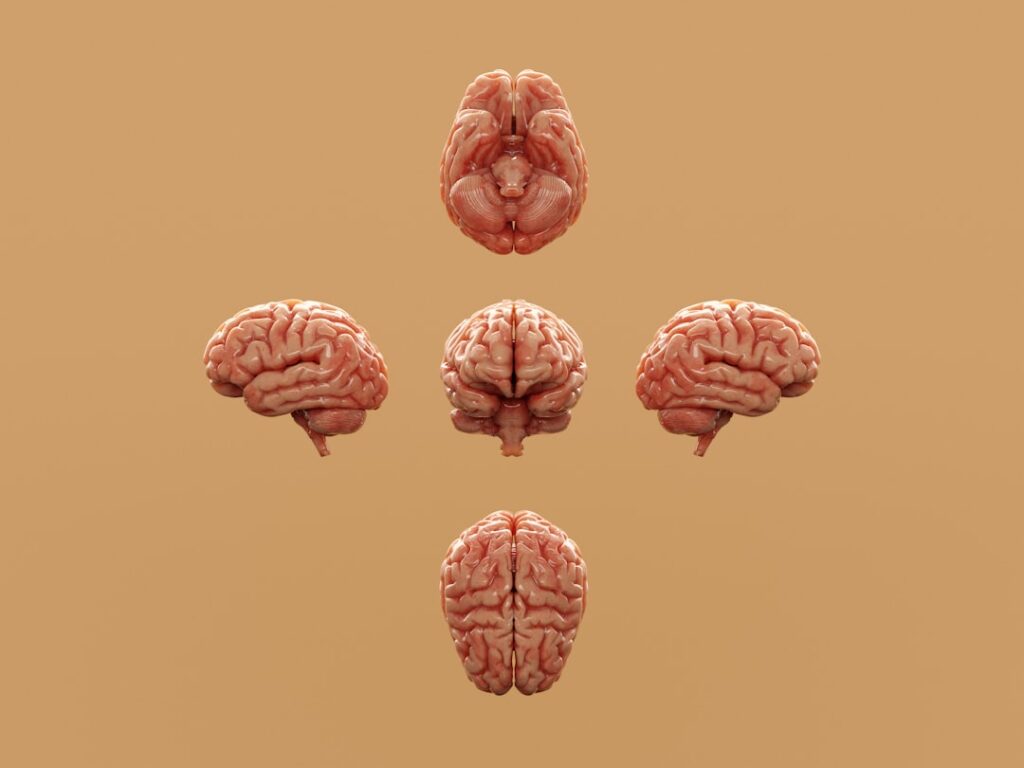
“The Brain That Changes Itself” by psychiatrist Norman Doidge examines neuroplasticity, the brain’s capacity to reorganize and form new neural pathways throughout an individual’s lifetime. The book combines scientific research with clinical case studies to demonstrate how neuroplasticity affects rehabilitation, learning processes, and cognitive development. Doidge’s work has influenced both academic discourse and public understanding by presenting evidence that contradicts earlier assumptions about the brain’s fixed nature after critical developmental periods.
The book presents multiple case studies documenting individuals who experienced measurable changes in cognitive and emotional functioning through neuroplastic mechanisms. These documented cases provide empirical support for the brain’s adaptive capabilities, particularly in response to injury, developmental disorders, or targeted therapeutic interventions. Doidge integrates peer-reviewed research with clinical observations to illustrate that neural networks remain modifiable rather than permanently established after maturation.
Key Takeaways
- The brain has the ability to change and adapt throughout life, a concept known as neuroplasticity.
- Neuroplasticity plays a crucial role in recovery from brain injuries and mental health improvements.
- Real-life case studies demonstrate remarkable brain transformations through targeted interventions.
- Neuroplasticity significantly influences learning, development, and personal growth strategies.
- Despite its promise, neuroplasticity research faces criticisms and ongoing debates about its limits and applications.
Neuroplasticity: The Science of Brain Change
Neuroplasticity refers to the brain’s ability to change and adapt in response to experience, learning, and environmental factors. This phenomenon occurs at various levels, from cellular changes (such as synaptic plasticity) to large-scale reorganization of brain networks. The concept of neuroplasticity has evolved significantly over the past few decades, moving from a niche area of study to a central theme in neuroscience.
Researchers have identified several mechanisms through which neuroplasticity operates, including long-term potentiation (LTP) and long-term depression (LTD), which are processes that strengthen or weaken synaptic connections based on activity levels. One of the most striking aspects of neuroplasticity is its capacity for recovery following injury. For instance, studies have shown that when one part of the brain is damaged, other regions can sometimes take over the functions previously managed by the injured area.
This adaptability is particularly evident in stroke patients, where rehabilitation efforts can lead to significant improvements in motor skills and cognitive functions. The brain’s ability to rewire itself is not limited to recovery from injury; it also plays a crucial role in learning new skills, adapting to new environments, and even overcoming psychological challenges.
Case Studies: Remarkable Stories of Brain Transformation

Doidge’s book is rich with case studies that illustrate the transformative power of neuroplasticity. One notable example is that of a woman named Barbara Arrowsmith-Young, who struggled with severe learning disabilities throughout her childhood. Traditional educational approaches failed to address her needs, leading her to develop her own methods for overcoming her cognitive challenges.
Through targeted exercises designed to stimulate specific areas of her brain, she was able to rewire her neural pathways and significantly improve her cognitive abilities. Her journey not only highlights the potential for personal transformation but also underscores the importance of tailored interventions in fostering neuroplastic change. Another compelling case is that of a man named Michael Merzenich, a neuroscientist who conducted experiments on himself after experiencing age-related cognitive decline.
Merzenich developed a series of auditory training exercises aimed at enhancing his hearing and cognitive processing speed. Remarkably, he was able to demonstrate significant improvements in his auditory perception and overall cognitive function. His experience serves as a testament to the idea that individuals can actively engage in practices that promote neuroplasticity, thereby taking control of their cognitive health and well-being.
The Impact of Neuroplasticity on Mental Health
Neuroplasticity has profound implications for mental health treatment and understanding psychological disorders. Traditional views often regarded mental health conditions as static or fixed states; however, emerging research suggests that these conditions can be influenced by neuroplastic changes. For instance, therapies such as cognitive-behavioral therapy (CBT) have been shown to induce neuroplastic changes in the brain, leading to improvements in mood and behavior.
By reshaping thought patterns and emotional responses, individuals can effectively alter their brain’s wiring, resulting in lasting changes in mental health. Moreover, neuroplasticity offers hope for individuals suffering from conditions such as post-traumatic stress disorder (PTSD) and depression. Studies have indicated that exposure to therapeutic interventions can lead to structural changes in brain regions associated with emotion regulation and stress response.
For example, mindfulness-based practices have been linked to increased gray matter density in areas of the brain involved in self-awareness and emotional regulation. This evidence suggests that individuals can cultivate resilience and emotional well-being through intentional practices that harness the brain’s plasticity.
The Role of Neuroplasticity in Learning and Development
Neuroplasticity plays a critical role in learning and development across the lifespan. From infancy through adulthood, our brains are constantly adapting to new information and experiences. In children, neuroplasticity is particularly pronounced; their brains are highly malleable, allowing them to acquire language, motor skills, and social behaviors with remarkable speed.
This adaptability underscores the importance of early childhood education and enriched environments that stimulate cognitive development. In adults, neuroplasticity remains a vital component of lifelong learning. Engaging in new activities—whether learning a musical instrument, acquiring a new language, or participating in complex problem-solving tasks—can lead to structural changes in the brain that enhance cognitive function.
Research has shown that such activities can increase synaptic connections and promote the growth of new neurons (neurogenesis), particularly in areas associated with memory and learning, such as the hippocampus. This ongoing capacity for change emphasizes the importance of maintaining an active and engaged mind throughout life.
Practical Applications: Harnessing Neuroplasticity for Personal Growth
Understanding neuroplasticity opens up numerous avenues for personal growth and self-improvement. Individuals can actively engage in practices that promote positive changes in their brains, leading to enhanced cognitive abilities and emotional resilience. One practical application is through targeted mental exercises designed to strengthen specific cognitive skills.
For example, memory training techniques can help individuals improve their recall abilities by utilizing mnemonic devices or spaced repetition strategies.
Regular aerobic activity has been shown to increase levels of brain-derived neurotrophic factor (BDNF), a protein that supports neuron growth and survival.
Engaging in physical activities not only benefits physical health but also enhances cognitive function by fostering an environment conducive to neuroplastic change. Additionally, mindfulness meditation has gained recognition for its ability to promote emotional regulation and reduce stress through neuroplastic mechanisms.
Criticisms and Controversies Surrounding Neuroplasticity
Despite the promising findings surrounding neuroplasticity, there are criticisms and controversies within the scientific community regarding its interpretation and application. Some researchers argue that while neuroplasticity is a genuine phenomenon, its extent may be overstated in popular literature. They caution against oversimplifying complex neurological processes or suggesting that anyone can achieve dramatic changes through sheer willpower or specific interventions without considering individual differences.
Moreover, there are concerns about the potential commercialization of neuroplasticity concepts, particularly in relation to products or programs claiming to enhance cognitive function or treat mental health conditions without sufficient scientific backing. The proliferation of “brain training” games and apps has sparked debate about their efficacy; while some studies suggest modest benefits, others indicate that these interventions may not lead to significant or lasting improvements in real-world cognitive abilities.
The Future of Neuroplasticity Research and Its Implications
The future of neuroplasticity research holds immense promise for advancing our understanding of the brain’s capabilities and its implications for health and well-being. As technology continues to evolve, innovative imaging techniques such as functional magnetic resonance imaging (fMRI) allow researchers to observe real-time changes in brain activity associated with neuroplastic processes. This advancement will likely lead to more targeted interventions for various neurological and psychological conditions.
As we continue to unravel the complexities of neuroplasticity, it is crucial to approach this field with both enthusiasm and critical inquiry, ensuring that our understanding remains grounded in rigorous scientific evidence while exploring the vast potential for human growth and transformation.
In exploring the transformative power of neuroplasticity, a concept thoroughly examined in Norman Doidge’s “The Brain That Changes Itself,” readers may find additional insights in the article titled “Hello World,” which discusses the latest advancements in brain research and their implications for mental health. You can read the article [here](https://hellread.com/2024/12/04/hello-world/). This resource complements Doidge’s work by providing contemporary examples of how our understanding of the brain continues to evolve.
FAQs
What is “The Brain That Changes Itself” about?
“The Brain That Changes Itself” is a book by Norman Doidge that explores the concept of neuroplasticity—the brain’s ability to change and adapt throughout a person’s life. It presents scientific research and case studies demonstrating how the brain can reorganize itself in response to injury, learning, and experience.
Who is Norman Doidge?
Norman Doidge is a psychiatrist, psychoanalyst, and author known for his work on neuroplasticity. He has written extensively on the brain’s capacity to heal and adapt, and “The Brain That Changes Itself” is one of his most popular books.
What is neuroplasticity?
Neuroplasticity refers to the brain’s ability to change its structure and function in response to experience, learning, or injury. This ability allows the brain to form new neural connections, reorganize existing pathways, and compensate for damage.
Does the book provide scientific evidence for brain change?
Yes, the book includes numerous scientific studies and real-life case examples that illustrate how the brain can change itself. It covers research from neuroscience, psychology, and rehabilitation medicine.
Who can benefit from reading this book?
The book is useful for anyone interested in neuroscience, psychology, rehabilitation, or personal development. It is especially valuable for patients recovering from brain injuries, educators, therapists, and individuals interested in understanding how the brain adapts.
When was “The Brain That Changes Itself” published?
The book was first published in 2007.
Is the book written for a scientific audience?
No, the book is written for a general audience. It explains complex scientific concepts in an accessible and engaging way, making it suitable for readers without a scientific background.
What are some key topics covered in the book?
Key topics include brain plasticity in stroke recovery, treatment of learning disabilities, overcoming mental health challenges, sensory substitution, and the brain’s ability to rewire itself in response to experience.
Has “The Brain That Changes Itself” received any awards?
Yes, the book has received critical acclaim and several awards for its contribution to popular science writing, including being a New York Times bestseller.
Are there practical applications discussed in the book?
Yes, the book discusses practical applications of neuroplasticity in therapy, education, and personal growth, showing how understanding brain plasticity can lead to improved treatments and self-improvement strategies.




