
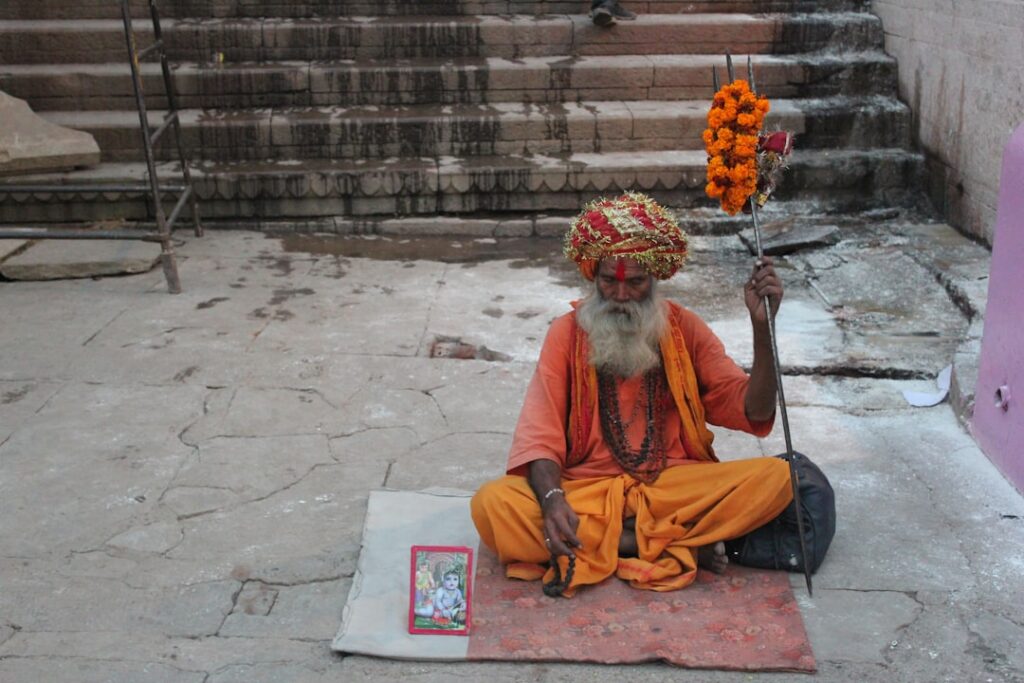
“The Autobiography of a Yogi,” written by Paramahansa Yogananda, is a foundational text in spiritual literature. Published in 1946, this work has reached audiences worldwide, offering insights into existential questions and spiritual enlightenment. Yogananda effectively bridges Eastern spiritual concepts with Western perspectives, making complex philosophical ideas understandable to readers globally.
The book has earned recognition as a spiritual classic among truth-seekers across different traditions. Beyond personal narrative, Yogananda’s autobiography provides a thorough examination of spiritual practices. It explores yoga, meditation, and self-realization techniques in detail.
Through clear and expressive writing, Yogananda encourages readers to undertake their own spiritual investigations and discover divinity within themselves. The text addresses fundamental human questions about purpose and spiritual connection. Readers encounter not only Yogananda’s life story but also enduring teachings that have motivated many individuals to pursue spiritual development.
Key Takeaways
- The Autobiography of a Yogi offers a profound introduction to Paramahansa Yogananda’s life and spiritual journey.
- The book explores Yogananda’s teachings on self-realization, meditation, and the unity of all religions.
- It highlights Yogananda’s encounters with various spiritual masters and their mystical experiences.
- The autobiography has had a significant influence on spreading Eastern spirituality in the West.
- Yogananda’s legacy continues to inspire seekers on the path to enlightenment and inner peace.
The Life of Paramahansa Yogananda
Paramahansa Yogananda was born on January 5, 1893, in Gorakhpur, India.
His early experiences laid the foundation for his lifelong quest for truth and understanding.
At the age of 17, he met his guru, Swami Sri Yukteswar Giri, who would play a pivotal role in shaping his spiritual journey. Under Sri Yukteswar’s guidance, Yogananda delved into the depths of yogic philosophy and practice, mastering various techniques that would later form the core of his teachings. In 1920, Yogananda traveled to the United States to represent India at a conference of religious leaders.
This journey marked a significant turning point in his life, as he recognized the need to share the wisdom of Eastern spirituality with the Western world. He founded the Self-Realization Fellowship in Los Angeles, which aimed to disseminate his teachings and provide a framework for individuals seeking spiritual growth. Over the years, Yogananda traveled extensively, giving lectures and conducting meditation classes, all while emphasizing the importance of direct experience in understanding spiritual truths.
His life was characterized by an unwavering commitment to his mission, which was to awaken humanity to its divine potential.
The Spiritual Teachings and Philosophy in the Book

At the heart of “The Autobiography of a Yogi” lies a rich tapestry of spiritual teachings that draw from various traditions, primarily Hinduism and yoga philosophy. Yogananda emphasizes the concept of self-realization—the understanding that each individual is inherently divine and capable of experiencing unity with God.
The book serves as both a personal narrative and a guidebook for those seeking to embark on their own spiritual journeys. Yogananda introduces readers to the principles of Kriya Yoga, a meditative technique that he describes as a powerful means to accelerate spiritual growth. He explains how Kriya Yoga facilitates a deeper connection with the divine by harmonizing body, mind, and spirit.
Through detailed descriptions of meditation practices and their effects on consciousness, Yogananda demystifies the process of spiritual awakening. He also addresses common misconceptions about spirituality, urging readers to look beyond dogma and embrace direct experience as the ultimate teacher. This emphasis on personal experience resonates throughout the book, encouraging individuals to cultivate their own relationship with the divine.
The Influence and Impact of The Autobiography of a Yogi
The impact of “The Autobiography of a Yogi” extends far beyond its initial publication. It has inspired generations of seekers, scholars, and spiritual practitioners worldwide. The book has been translated into numerous languages and continues to be a cornerstone in many spiritual communities.
Its influence can be seen in various movements that promote meditation and holistic living, as well as in the growing interest in Eastern philosophies among Western audiences. Yogananda’s work has also played a significant role in popularizing yoga and meditation in the West. His teachings have contributed to a broader understanding of these practices as not merely physical exercises but as profound spiritual disciplines that can lead to self-discovery and inner peace.
Many contemporary spiritual leaders cite “The Autobiography of a Yogi” as a pivotal text that shaped their own paths. The book’s enduring popularity is evidenced by its continued presence on bestseller lists and its frequent recommendation in spiritual circles.
The Journey of Self-Realization and Enlightenment
Yogananda’s narrative is fundamentally about the journey toward self-realization—a theme that resonates deeply with readers seeking meaning in their lives. He illustrates this journey through personal anecdotes and encounters with various individuals who have embarked on their own quests for enlightenment. The path to self-realization is depicted as both challenging and rewarding, requiring dedication, perseverance, and an open heart.
Throughout the book, Yogananda emphasizes that self-realization is not an endpoint but an ongoing process. He encourages readers to embrace their unique journeys while remaining committed to their spiritual practices. By sharing his own struggles and triumphs, he demystifies the notion of enlightenment, presenting it as an attainable goal for anyone willing to engage in sincere self-inquiry.
This perspective fosters hope and inspiration among readers, motivating them to explore their own inner landscapes in search of truth.
The Encounters with Spiritual Gurus and Masters

A significant aspect of “The Autobiography of a Yogi” is Yogananda’s encounters with various spiritual gurus and masters throughout his life. These meetings serve as pivotal moments in his journey, providing him with guidance, wisdom, and inspiration. One notable encounter is with Mahavatar Babaji, an immortal yogi who is said to have attained enlightenment centuries ago.
Babaji’s teachings profoundly influenced Yogananda’s understanding of Kriya Yoga and its transformative potential. Yogananda also recounts his experiences with other revered figures such as Sri Yukteswar Giri and Swami Pranabananda. Each interaction reveals unique insights into the nature of spirituality and the importance of mentorship on the path to self-realization.
These encounters highlight the interconnectedness of spiritual seekers across time and space, illustrating how wisdom is passed down through generations. By sharing these stories, Yogananda emphasizes the significance of finding a teacher or guide who can illuminate one’s path.
The Miracles and Mystical Experiences
Throughout “The Autobiography of a Yogi,” Yogananda recounts numerous miracles and mystical experiences that punctuate his journey. These accounts serve not only as fascinating anecdotes but also as illustrations of the profound possibilities inherent in spiritual practice. From levitation to healing miracles, these experiences challenge conventional notions of reality and invite readers to consider the extraordinary dimensions of existence.
One particularly striking account involves Yogananda’s experience with healing through prayer and meditation. He describes instances where individuals were cured of ailments through focused intention and divine grace. These stories serve to reinforce his teachings on the power of consciousness and belief in shaping one’s reality.
By sharing these miraculous events, Yogananda encourages readers to remain open to the possibilities that lie beyond ordinary perception, fostering a sense of wonder about the mysteries of life.
The Legacy of The Autobiography of a Yogi
The legacy of “The Autobiography of a Yogi” is profound and far-reaching. It has established itself as a foundational text for those exploring spirituality, yoga, and meditation practices worldwide. The book continues to inspire new generations of seekers who are drawn to its timeless wisdom and practical guidance on navigating the complexities of life.
Yogananda’s teachings have also led to the establishment of numerous centers dedicated to promoting his philosophy and practices. The Self-Realization Fellowship remains active today, offering resources for individuals seeking spiritual growth through meditation and study. Additionally, many contemporary spiritual leaders reference Yogananda’s work as a source of inspiration in their teachings.
In essence, “The Autobiography of a Yogi” serves as both a personal narrative and a universal guide for those on the path toward self-discovery and enlightenment. Its enduring relevance speaks to the timeless nature of Yogananda’s insights into human existence and our innate connection to the divine. As readers continue to explore its pages, they are invited into a transformative journey that transcends time and space—a journey toward realizing their true selves.
In exploring the profound teachings of spiritual growth and self-realization found in “The Autobiography of a Yogi” by Paramahansa Yogananda, readers may also find interest in a related article that delves into the essence of mindfulness and meditation practices. This article can be accessed through the following link: Mindfulness and Meditation: A Path to Inner Peace. It complements Yogananda’s insights by providing practical guidance on incorporating these techniques into daily life.
FAQs
What is “The Autobiography of a Yogi” about?
“The Autobiography of a Yogi” is a spiritual memoir by Paramahansa Yogananda that chronicles his life journey, spiritual experiences, and teachings. It introduces readers to the ancient science of yoga and meditation, as well as the lives of many saints and sages of India.
Who is Paramahansa Yogananda?
Paramahansa Yogananda was an Indian yogi and spiritual teacher who introduced millions to the teachings of meditation and Kriya Yoga through his writings and lectures. He is considered one of the foremost spiritual figures of the 20th century.
When was “The Autobiography of a Yogi” first published?
The book was first published in 1946 and has since become a classic in spiritual literature, widely read around the world.
What are the main themes of the book?
The main themes include spiritual awakening, the practice of yoga and meditation, the guru-disciple relationship, miracles, and the unity of all religions.
Is “The Autobiography of a Yogi” suitable for beginners?
Yes, the book is accessible to readers new to spirituality and yoga, as it combines personal narrative with profound spiritual insights.
Has “The Autobiography of a Yogi” influenced any notable figures?
Yes, the book has influenced many prominent individuals, including Steve Jobs, who famously gifted it to people he admired.
Does the book include descriptions of miracles or supernatural events?
Yes, the autobiography contains accounts of miracles and extraordinary spiritual phenomena experienced by Yogananda and his contemporaries.
Is “The Autobiography of a Yogi” available in multiple languages?
Yes, the book has been translated into numerous languages, making it accessible to a global audience.
Where can I find a copy of “The Autobiography of a Yogi”?
The book is widely available in bookstores, online retailers, libraries, and through the Self-Realization Fellowship, the organization founded by Yogananda.
Does the book provide practical guidance on meditation?
While primarily autobiographical, the book includes explanations of meditation techniques and the philosophy behind them, encouraging readers to explore spiritual practices.




