

Thomas Jefferson was born on April 13, 1743, in colonial Virginia, specifically at the Shadwell plantation, which was part of the larger Albemarle County. He was the third of ten children in a family that belonged to the planter class, which afforded him a comfortable upbringing. His father, Peter Jefferson, was a successful landowner and surveyor, while his mother, Jane Randolph, came from one of Virginia’s most prominent families.
This background provided Jefferson with access to education and resources that would shape his intellectual development. From a young age, he exhibited a keen interest in reading and learning, often immersing himself in the works of classical philosophers and contemporary thinkers. Jefferson’s formal education began at a local school before he attended the College of William & Mary in Williamsburg at the age of 17.
There, he studied a wide array of subjects, including mathematics, philosophy, and law under the tutelage of notable figures such as Professor William Small. Jefferson’s time at the college was pivotal; it not only honed his intellectual abilities but also exposed him to Enlightenment ideas that would later influence his political philosophy. He graduated in 1762 and returned to his family estate, where he began to practice law.
His legal career would serve as a foundation for his future political endeavors, as it equipped him with the skills necessary to navigate the complexities of governance and public policy.
Key Takeaways
- Thomas Jefferson was a well-educated Founding Father with a strong political career.
- He authored the Declaration of Independence, a pivotal document in American history.
- His presidency included significant achievements such as the Louisiana Purchase.
- Jefferson had a complex personal relationship with Sally Hemings.
- His legacy profoundly shaped the United States’ development and democratic ideals.
Political Career and Contributions
Jefferson’s political career began in earnest when he was elected to the Virginia House of Burgesses in 1769. His early involvement in politics coincided with growing tensions between the American colonies and Great Britain. As a member of the Burgesses, he quickly established himself as a vocal advocate for colonial rights and liberties.
His opposition to British taxation without representation was articulated in various writings and speeches, which resonated with his fellow colonists. Jefferson’s political philosophy was deeply rooted in Enlightenment ideals, emphasizing individual rights and the importance of government as a protector of those rights. In 1775, as the American Revolution loomed, Jefferson was appointed to the Second Continental Congress.
It was here that he began to play a crucial role in shaping the direction of the fledgling nation. His contributions included drafting resolutions that called for independence from British rule. Jefferson’s ability to articulate the aspirations of the colonies culminated in his selection to draft the Declaration of Independence in 1776.
This document not only declared the colonies’ intent to separate from Britain but also laid out a vision for a new nation founded on principles of liberty and equality. Jefferson’s political career continued to flourish as he served as Governor of Virginia and later as the United States Minister to France, where he further developed his understanding of international relations and diplomacy.
Author of the Declaration of Independence
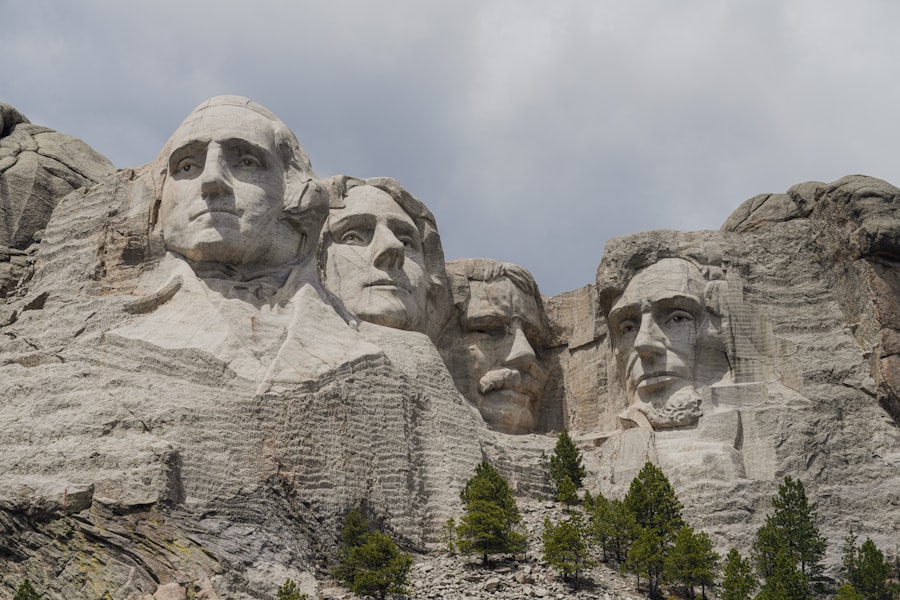
The Declaration of Independence stands as one of Thomas Jefferson’s most significant contributions to American history. Drafted in June 1776, the document articulated the colonies’ grievances against King George III while simultaneously outlining a philosophical framework for governance based on natural rights. Jefferson’s eloquent prose captured the essence of Enlightenment thought, emphasizing that “all men are created equal” and endowed with certain unalienable rights, including “Life, Liberty and the pursuit of Happiness.” This assertion not only justified the colonies’ break from British rule but also established a moral foundation for democratic governance.
The process of drafting the Declaration was not without its challenges. Jefferson faced pressure from fellow members of Congress who sought to influence the language and content of the document. However, he remained steadfast in his commitment to articulate a vision that resonated with the ideals of freedom and self-governance.
The final version was adopted on July 4, 1776, marking a pivotal moment in American history. The Declaration not only galvanized support for the Revolutionary War but also inspired movements for independence around the world. Jefferson’s authorship of this seminal document solidified his reputation as a leading figure in American political thought and laid the groundwork for future democratic principles.
Presidency and Achievements
Thomas Jefferson served as the third President of the United States from 1801 to 1809, a period marked by significant political and social change. His presidency is often characterized by his commitment to limited government and individual liberties. One of his most notable achievements during this time was the Louisiana Purchase in 1803, which effectively doubled the size of the United States.
This acquisition not only expanded American territory but also opened up vast opportunities for exploration and settlement. Jefferson viewed this expansion as essential for promoting agrarianism and ensuring that America remained a nation of independent farmers. In addition to territorial expansion, Jefferson’s presidency was marked by efforts to reduce federal power and promote states’ rights.
He implemented policies aimed at reducing national debt and cutting government spending, reflecting his belief in an agrarian economy where citizens could thrive without excessive government intervention. However, his presidency was not without controversy; his decision to maintain neutrality during conflicts such as the Napoleonic Wars drew criticism from those who believed that America should take a more active role on the world stage. Nevertheless, Jefferson’s presidency laid important foundations for future administrations and established precedents that would shape American governance.
Relationship with Sally Hemings
One of the more complex aspects of Thomas Jefferson’s life is his relationship with Sally Hemings, an enslaved woman who lived at Monticello, Jefferson’s plantation. Hemings was born into slavery and was half-sister to Jefferson’s deceased wife, Martha Wayles Skelton Jefferson. Historical evidence suggests that Jefferson began a relationship with Hemings when she was a teenager, which resulted in several children over the years.
This relationship has been a subject of intense scrutiny and debate among historians, raising questions about consent, power dynamics, and race relations in early America. The nature of their relationship is complicated by the context of slavery in which it occurred. Hemings had no legal rights or autonomy, making it difficult to assess her agency within this dynamic.
Despite this complexity, Hemings bore six children who were acknowledged by Jefferson; some were freed during his lifetime while others were granted freedom posthumously. The legacy of their relationship has sparked discussions about race, gender, and power in American history, prompting scholars to reevaluate Jefferson’s legacy in light of these revelations. The implications of this relationship continue to resonate today as society grapples with issues related to race and historical memory.
Legacy and Impact on American History
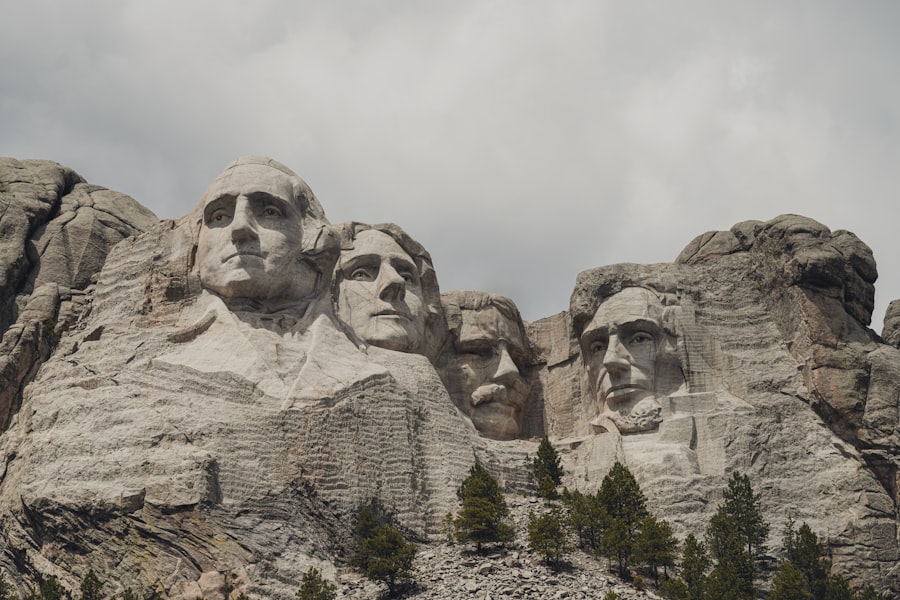
Thomas Jefferson’s legacy is multifaceted and continues to influence American society today. As one of the Founding Fathers, he played an instrumental role in shaping the principles upon which the United States was founded. His authorship of the Declaration of Independence established a framework for human rights that has inspired countless movements for freedom around the globe.
The ideals expressed in this document have been invoked by civil rights leaders, suffragists, and various social justice movements throughout history as they sought to expand the definition of equality. However, Jefferson’s legacy is also marred by contradictions. While he championed liberty and democracy, he was also a slave owner who benefited from an economic system built on exploitation.
This duality has led to ongoing debates about how to reconcile his contributions with his personal practices. Institutions such as Monticello have worked to address these complexities by providing educational programs that explore both Jefferson’s achievements and his shortcomings regarding slavery and race relations. As America continues to confront its past, Jefferson’s legacy serves as both an inspiration for democratic ideals and a reminder of the nation’s historical injustices.
Personal Interests and Hobbies
Beyond his political life, Thomas Jefferson had a wide array of personal interests that reflected his diverse intellect and passions. He was an avid reader with an extensive library that included works on philosophy, science, architecture, and agriculture—fields that fascinated him throughout his life.
This intellectual curiosity fueled his desire for knowledge and informed many aspects of his political philosophy. Jefferson was also deeply interested in architecture and design; he famously designed his home at Monticello based on neoclassical principles inspired by European architecture. His fascination with design extended beyond personal spaces; he played a significant role in shaping public buildings in Washington D.C., including the Virginia State Capitol.
Additionally, Jefferson had a passion for horticulture; he cultivated various plants at Monticello and introduced new agricultural practices that emphasized crop rotation and diversification. These interests not only enriched his personal life but also contributed to his vision for an agrarian America where citizens could thrive through education and innovation.
Retirement and Later Years
After serving two terms as president, Thomas Jefferson retired from public life in 1809 but remained active intellectually and socially until his death in 1826. He returned to Monticello, where he focused on various projects including expanding his estate and continuing his work on education reform.
He designed the university’s campus himself and served as its first rector, emphasizing a curriculum that encouraged critical thinking and civic responsibility. In his later years, Jefferson also engaged in correspondence with numerous individuals across America and Europe, discussing topics ranging from politics to philosophy. His letters provide valuable insights into his thoughts on governance, liberty, and human rights during a transformative period in American history.
Despite facing personal challenges—including financial difficulties due to debt—Jefferson remained committed to his ideals until his death on July 4, 1826, exactly fifty years after the adoption of the Declaration of Independence. His passing marked not only the end of an era but also left an indelible mark on American history that continues to be felt today through ongoing discussions about democracy, equality, and human rights.
In exploring the complexities of Thomas Jefferson’s life and his multifaceted contributions to American history, readers may find it insightful to delve into a related article that discusses the broader context of his era. For a deeper understanding of the societal and political landscape during Jefferson’s time, check out this article on [Hello World](https://hellread.com/2024/12/04/hello-world/). This resource provides valuable insights that complement the themes presented in “The Life and Times of Thomas Jefferson” by H. D. M.
FAQs
Who was Thomas Jefferson?
Thomas Jefferson was the third President of the United States, serving from 1801 to 1809. He was also the principal author of the Declaration of Independence and a Founding Father of the United States.
What are some key achievements of Thomas Jefferson?
Jefferson is known for drafting the Declaration of Independence, promoting the ideals of liberty and democracy, completing the Louisiana Purchase in 1803, and founding the University of Virginia.
When and where was Thomas Jefferson born?
Thomas Jefferson was born on April 13, 1743, in Shadwell, Virginia, in the British American colonies.
What roles did Jefferson hold before becoming President?
Before his presidency, Jefferson served as the Governor of Virginia, the U.S. Minister to France, the first Secretary of State under President George Washington, and Vice President under John Adams.
What was Jefferson’s contribution to American education?
Jefferson founded the University of Virginia in 1819, emphasizing secular education and the importance of an educated citizenry for a functioning democracy.
How did Jefferson impact American expansion?
Jefferson orchestrated the Louisiana Purchase in 1803, which doubled the size of the United States and opened the way for westward expansion.
What were Jefferson’s views on government and democracy?
Jefferson advocated for limited federal government, strong states’ rights, and the protection of individual liberties. He believed in a government that was close to the people and promoted agrarianism.
When did Thomas Jefferson die?
Thomas Jefferson died on July 4, 1826, the 50th anniversary of the Declaration of Independence.
Did Thomas Jefferson have any notable personal interests?
Jefferson was an accomplished architect, inventor, and scholar with interests in science, philosophy, and agriculture.
Where can I learn more about Thomas Jefferson’s life?
You can learn more about Thomas Jefferson through biographies, historical documents, the Thomas Jefferson Foundation at Monticello, and academic resources on American history.




