

Deep Nutrition is a concept that transcends the mere act of eating; it embodies a holistic approach to nourishment that emphasizes the importance of traditional dietary practices and nutrient-dense foods. Developed by Dr. Cate Shanahan, a physician and nutrition expert, Deep Nutrition advocates for a return to the dietary habits of our ancestors, who thrived on whole, unprocessed foods.
This approach is rooted in the understanding that the quality of our food directly influences our health, longevity, and overall well-being. In a world increasingly dominated by fast food and processed meals, Deep Nutrition serves as a reminder of the profound connection between diet and health. At its core, Deep Nutrition is not just about what we eat but how we eat.
It encourages mindfulness in our food choices, urging individuals to consider the source, preparation methods, and nutritional value of their meals. This philosophy recognizes that food is not merely fuel; it is a vital component of our identity and culture. By embracing the principles of Deep Nutrition, individuals can cultivate a deeper relationship with their food, leading to improved health outcomes and a greater appreciation for the culinary traditions that have sustained humanity for generations.
Key Takeaways
- Deep nutrition focuses on the quality of food and its impact on overall health and well-being.
- The four pillars of deep nutrition include fresh, whole, traditional, and nutrient-dense foods.
- Traditional foods play a crucial role in deep nutrition as they are rich in essential nutrients and have been consumed for generations.
- Nutrient density in food is important for optimal health and can have a significant impact on overall well-being.
- Epigenetics plays a key role in how nutrition can influence gene expression and overall health outcomes.
The Four Pillars of Deep Nutrition
The foundation of Deep Nutrition rests on four essential pillars: nutrient density, traditional fats, fermentation, and organ meats. Each pillar plays a crucial role in promoting optimal health and well-being. Nutrient density refers to the concentration of essential vitamins, minerals, and other beneficial compounds in a given food relative to its caloric content.
Foods that are high in nutrient density provide the body with the necessary building blocks for growth, repair, and overall function without excessive caloric intake. Examples include leafy greens, cruciferous vegetables, nuts, seeds, and high-quality animal products. Traditional fats are another cornerstone of Deep Nutrition.
Contrary to the prevailing belief that all fats are detrimental to health, this approach emphasizes the importance of healthy fats derived from natural sources. These include saturated fats from grass-fed animals, coconut oil, and olive oil. Such fats are not only essential for hormone production and cellular function but also play a vital role in nutrient absorption.
The inclusion of these traditional fats in the diet supports brain health, reduces inflammation, and enhances overall metabolic function. Fermentation is the third pillar of Deep Nutrition, highlighting the significance of probiotic-rich foods in maintaining gut health. Fermented foods such as yogurt, sauerkraut, kimchi, and kefir are teeming with beneficial bacteria that support digestion and bolster the immune system.
The process of fermentation not only enhances the bioavailability of nutrients but also contributes to a diverse gut microbiome, which is increasingly recognized as a key player in overall health. By incorporating fermented foods into daily meals, individuals can promote a balanced gut environment that supports both physical and mental well-being. The final pillar of Deep Nutrition is organ meats, often overlooked in modern diets but revered in traditional cuisines around the world.
Organ meats such as liver, heart, and kidneys are nutrient powerhouses packed with vitamins A, B12, iron, and other essential nutrients that are often lacking in muscle meats. These nutrient-dense foods provide a concentrated source of nourishment that can significantly enhance overall health. By reintroducing organ meats into our diets, we can tap into their rich nutritional profile and honor the culinary traditions that have celebrated these foods for centuries.
The Importance of Traditional Foods
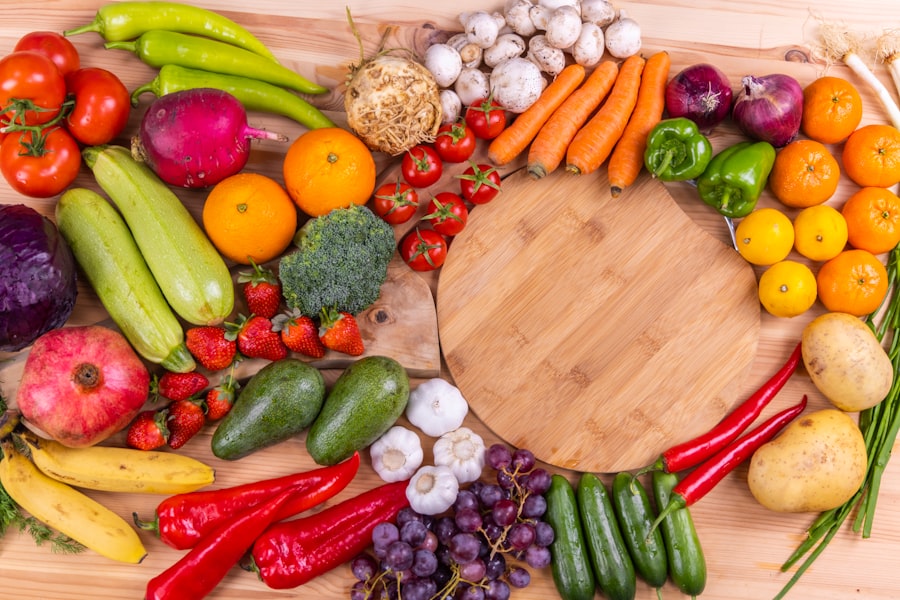
Traditional foods are integral to the philosophy of Deep Nutrition as they embody the wisdom of generations past who understood the relationship between diet and health. These foods are often locally sourced and prepared using time-honored methods that enhance their nutritional value. For instance, many cultures have developed unique preservation techniques such as drying, smoking, or fermenting that not only extend the shelf life of foods but also enrich their flavor profiles and nutritional content.
By embracing traditional foods, we reconnect with our cultural heritage while also benefiting from their inherent health advantages. Moreover, traditional foods often reflect the environmental conditions and agricultural practices of specific regions. This connection to place fosters biodiversity and sustainability within food systems.
By prioritizing traditional foods over industrially produced alternatives, we can support local economies while also promoting ecological balance. This shift not only benefits individual health but also contributes to the resilience of our food systems in the face of global challenges such as climate change.
The Role of Nutrient Density in Health
Nutrient density is a critical concept within Deep Nutrition that underscores the importance of choosing foods that provide maximum nutritional benefits with minimal caloric intake. In an age where processed foods dominate grocery store shelves, understanding nutrient density becomes paramount for making informed dietary choices. Foods such as leafy greens, berries, nuts, seeds, and high-quality animal products exemplify nutrient-dense options that deliver essential vitamins and minerals without excessive calories or additives.
The implications of nutrient density extend beyond weight management; they play a significant role in preventing chronic diseases such as obesity, diabetes, heart disease, and certain cancers. For instance, diets rich in nutrient-dense foods have been associated with lower inflammation levels and improved metabolic markers. A study published in the American Journal of Clinical Nutrition found that individuals who consumed higher amounts of nutrient-dense foods had a reduced risk of developing chronic diseases compared to those who relied on calorie-dense but nutrient-poor options.
Furthermore, focusing on nutrient density encourages individuals to prioritize whole foods over processed alternatives. This shift not only enhances physical health but also promotes mental well-being. Research has shown that diets rich in fruits, vegetables, whole grains, and lean proteins are linked to improved mood and cognitive function.
By making conscious choices to incorporate more nutrient-dense foods into our diets, we can foster a healthier relationship with food while reaping the myriad benefits associated with optimal nutrition.
The Impact of Epigenetics on Nutrition
Epigenetics is an emerging field that explores how environmental factors influence gene expression without altering the underlying DNA sequence. This concept has profound implications for nutrition as it highlights the dynamic interplay between our diet and genetic predispositions. The foods we consume can activate or silence specific genes related to metabolism, inflammation, and disease susceptibility.
Understanding this relationship empowers individuals to make dietary choices that align with their unique genetic makeup. For example, research has shown that certain nutrients can influence epigenetic modifications that affect inflammation pathways in the body. Omega-3 fatty acids found in fatty fish have been shown to downregulate pro-inflammatory genes while upregulating anti-inflammatory ones.
Similarly, compounds found in cruciferous vegetables like broccoli can impact gene expression related to detoxification processes. By incorporating these nutrient-rich foods into our diets, we can harness the power of epigenetics to promote health at a cellular level. Moreover, epigenetics underscores the importance of personalized nutrition—an approach that tailors dietary recommendations based on an individual’s genetic profile and lifestyle factors.
As research continues to unravel the complexities of gene-nutrition interactions, it becomes increasingly clear that there is no one-size-fits-all approach to diet. By embracing personalized nutrition informed by epigenetic principles, individuals can optimize their health outcomes and mitigate their risk for chronic diseases.
How Deep Nutrition Can Improve Overall Health

The principles of Deep Nutrition offer a comprehensive framework for improving overall health by addressing not only physical well-being but also mental and emotional aspects of nourishment. By prioritizing whole foods rich in nutrients while minimizing processed options laden with additives and sugars, individuals can experience significant improvements in energy levels, mood stability, and cognitive function. The emphasis on traditional dietary practices fosters a sense of connection to cultural heritage while promoting sustainable eating habits.
One notable benefit of adopting Deep Nutrition principles is enhanced digestive health. The inclusion of fermented foods supports gut microbiome diversity while providing essential probiotics that aid digestion and nutrient absorption. A healthy gut microbiome has been linked to improved immune function and reduced risk of gastrointestinal disorders such as irritable bowel syndrome (IBS) or inflammatory bowel disease (IBD).
Furthermore, by consuming organ meats rich in vitamins A and B12 alongside nutrient-dense vegetables, individuals can support optimal digestive function while ensuring adequate nutrient intake. Additionally, Deep Nutrition encourages mindfulness around food choices—an aspect often overlooked in modern eating habits characterized by convenience and speed. By taking time to prepare meals from scratch using whole ingredients while engaging in mindful eating practices such as savoring flavors or expressing gratitude for nourishment received fosters a deeper appreciation for food’s role in our lives.
This shift towards intentionality not only enhances enjoyment but also cultivates healthier relationships with food—ultimately leading to better long-term health outcomes.
Implementing Deep Nutrition Principles in Daily Life
Integrating Deep Nutrition principles into daily life requires intentionality and commitment but can be achieved through practical steps that promote healthier eating habits. One effective strategy is meal planning—an approach that allows individuals to thoughtfully select nutrient-dense ingredients while minimizing reliance on processed options during busy weekdays. By dedicating time each week to plan meals around seasonal produce or local offerings from farmers’ markets ensures access to fresh ingredients while supporting sustainable agriculture.
Another key aspect involves educating oneself about traditional cooking methods that enhance flavor while preserving nutrients—such as soaking grains before cooking or utilizing slow-cooking techniques for meats. These practices not only improve digestibility but also foster culinary creativity by encouraging experimentation with diverse flavors from various cuisines around the world. Moreover, fostering community connections through shared meals or cooking classes can reinforce the importance of traditional foods while creating opportunities for social bonding around nourishment—a vital aspect often overlooked in contemporary society where fast-paced lifestyles dominate daily routines.
Engaging with others who share similar values around food fosters accountability while providing support systems for maintaining healthy habits over time.
The Future of Deep Nutrition
As society grapples with rising rates of chronic diseases linked to poor dietary choices and lifestyle factors, the principles of Deep Nutrition offer a promising path forward towards improved health outcomes for individuals and communities alike. By emphasizing nutrient density alongside traditional dietary practices rooted in cultural heritage—Deep Nutrition serves as both a call-to-action for personal responsibility regarding nutrition while advocating for systemic changes within food systems that prioritize sustainability over convenience. The future of Deep Nutrition lies not only within individual choices but also within collective efforts aimed at reshaping societal norms around food consumption—encouraging greater awareness about sourcing ingredients ethically while promoting culinary traditions passed down through generations.
As more people embrace these principles—recognizing their profound impact on overall well-being—we may witness a resurgence in appreciation for wholesome nourishment that honors both our bodies’ needs as well as our planet’s resources—a truly transformative shift towards holistic health for all.
For those interested in exploring more about the intersection of nutrition and wellness, a related article can be found at this link, which delves into modern dietary practices and their implications for overall well-being.
FAQs
What is Deep Nutrition by Catherine Shanahan about?
Deep Nutrition by Catherine Shanahan is a book that explores the impact of traditional diets on human health and the role of nutrition in shaping our genetic potential.
Who is Catherine Shanahan?
Catherine Shanahan is a board-certified family physician and author who specializes in nutrition and the impact of traditional diets on human health.
What are some key concepts discussed in Deep Nutrition?
Some key concepts discussed in Deep Nutrition include the importance of traditional diets, the impact of nutrition on genetic expression, the role of fats in human health, and the connection between diet and chronic diseases.
How does Deep Nutrition approach the topic of nutrition?
Deep Nutrition takes a holistic approach to nutrition, emphasizing the importance of whole, unprocessed foods, traditional cooking methods, and the role of fats in human health.
What are some of the main takeaways from Deep Nutrition?
Some main takeaways from Deep Nutrition include the importance of consuming nutrient-dense foods, the impact of diet on genetic expression, and the role of fats in promoting optimal health and longevity.




