
The concept of the anatomy of the spirit delves into the intricate relationship between our physical existence and the unseen energies that govern our emotional and spiritual well-being. This framework, popularized by Caroline Myss in her seminal work, “Anatomy of the Spirit,” posits that our health is not merely a reflection of our physical state but is deeply intertwined with our spiritual and emotional lives. Myss draws upon various spiritual traditions, including the chakra system from Hinduism and the Kabbalistic Tree of Life, to illustrate how our spiritual anatomy can influence our physical health.
By understanding this connection, individuals can gain insights into their personal struggles and learn to navigate their paths toward healing and self-discovery. At its core, the anatomy of the spirit emphasizes that every thought, emotion, and belief has a corresponding energetic frequency that can either promote health or contribute to illness. This perspective encourages a holistic view of well-being, where the mind, body, and spirit are seen as interconnected components of a single entity.
By exploring this anatomy, individuals can uncover the root causes of their ailments, which often lie in unresolved emotional conflicts or spiritual disconnection. Myss’s work serves as a guide for those seeking to understand their inner landscapes and harness their innate power for healing and transformation.
Key Takeaways
- Anatomy of the Spirit introduces the concept of the interconnectedness of mind, body, and spirit.
- The Seven Chakras represent different energy centers in the body and play a significant role in our overall well-being.
- Energy medicine emphasizes the importance of understanding and harnessing the power of energy for healing and balance.
- The connection between mind, body, and spirit is explored, highlighting the impact of thoughts and emotions on physical health.
- Intuition and spiritual guidance are essential for navigating life’s challenges and making decisions aligned with our higher purpose.
- Healing and balancing the chakras involves practices such as meditation, yoga, and energy work to promote holistic wellness.
- Applying the teachings of Anatomy of the Spirit in daily life involves mindfulness, self-care, and aligning actions with spiritual principles.
- Embracing the wisdom of Caroline Myss encourages a deeper understanding of the self and the world, leading to personal growth and transformation.
The Seven Chakras and Their Significance
The chakra system is a foundational element in understanding the anatomy of the spirit.
The first chakra, known as the Root Chakra or Muladhara, is situated at the base of the spine and is associated with survival instincts, grounding, and security.
When this chakra is balanced, individuals feel stable and secure; however, imbalances can lead to feelings of fear and instability. Moving up the chakra system, the Sacral Chakra (Svadhisthana) is located in the lower abdomen and governs creativity, pleasure, and emotional expression. A healthy Sacral Chakra allows for a free flow of creativity and healthy relationships, while blockages can manifest as emotional instability or creative blocks.
The Solar Plexus Chakra (Manipura), found in the upper abdomen, is linked to personal power, self-esteem, and willpower. When this chakra is open and balanced, individuals exude confidence and assertiveness; conversely, imbalances may lead to feelings of powerlessness or low self-worth. The Heart Chakra (Anahata) occupies a central position in the chakra system and symbolizes love, compassion, and connection.
It serves as a bridge between the lower chakras, which are more connected to physical existence, and the upper chakras that relate to spiritual awareness. A balanced Heart Chakra fosters healthy relationships and emotional resilience, while blockages can result in feelings of isolation or emotional pain. The Throat Chakra (Vishuddha) is associated with communication and self-expression.
The Third Eye Chakra (Ajna), located between the eyebrows, is linked to intuition, insight, and spiritual awareness. This chakra encourages individuals to trust their inner wisdom and perceive beyond the physical realm.
A balanced Third Eye Chakra enhances clarity of thought and perception; imbalances may result in confusion or a lack of direction. Finally, the Crown Chakra (Sahasrara) sits at the top of the head and represents spiritual connection and enlightenment. It is through this chakra that individuals connect with higher consciousness and universal energy.
A balanced Crown Chakra fosters a sense of unity with all beings; imbalances can lead to feelings of disconnection or spiritual emptiness.
Understanding the Power of Energy Medicine
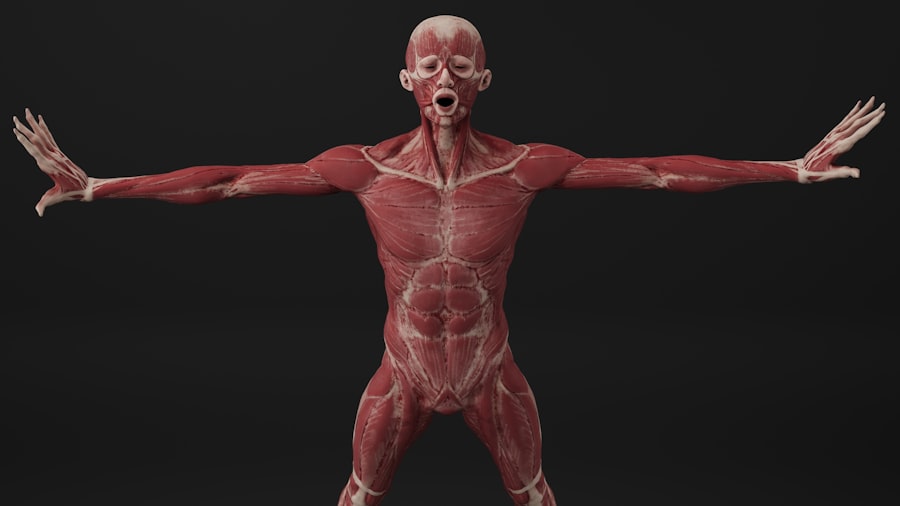
Energy medicine is an emerging field that recognizes the body’s energy systems as integral to health and healing. This approach encompasses various modalities that aim to balance and restore energy flow within the body. Techniques such as acupuncture, Reiki, and therapeutic touch are grounded in the understanding that disruptions in energy flow can lead to physical ailments or emotional distress.
By addressing these energetic imbalances, practitioners can facilitate healing on multiple levels—physical, emotional, and spiritual. One of the key principles of energy medicine is that everything in the universe is composed of energy vibrating at different frequencies. This includes not only our physical bodies but also our thoughts and emotions.
Energy medicine practitioners often work with these frequencies to identify blockages or disruptions in an individual’s energy field. For instance, a person experiencing chronic pain may have unresolved emotional issues that manifest as physical symptoms. By using energy medicine techniques to clear these blockages, practitioners can help restore balance and promote healing.
Moreover, energy medicine emphasizes the importance of intention in the healing process. The practitioner’s intention can significantly influence the outcome of a session. When combined with techniques such as visualization or meditation, energy medicine becomes a powerful tool for transformation.
Individuals can also learn to harness their own energy for self-healing by practicing mindfulness and cultivating awareness of their energetic states. This empowerment fosters a deeper connection to one’s body and spirit, enabling individuals to take an active role in their healing journeys.
Exploring the Connection Between Mind, Body, and Spirit
The intricate connection between mind, body, and spirit is a central theme in holistic health practices. This triad suggests that mental states can influence physical health and vice versa. For example, chronic stress or unresolved emotional trauma can lead to physical ailments such as headaches or digestive issues.
Conversely, maintaining physical health through exercise and nutrition can enhance mental clarity and emotional stability. Understanding this interplay allows individuals to adopt a more comprehensive approach to their well-being. Mindfulness practices play a crucial role in bridging this connection.
Techniques such as meditation, yoga, and breathwork encourage individuals to cultivate awareness of their thoughts and emotions while fostering a deeper connection to their bodies. By engaging in these practices regularly, individuals can develop greater resilience against stressors and enhance their overall sense of well-being. For instance, yoga not only promotes physical flexibility but also encourages mental focus and emotional release through movement and breath.
Furthermore, exploring spiritual beliefs can provide individuals with a sense of purpose and meaning in life. Engaging with one’s spirituality—whether through religious practices or personal exploration—can foster a sense of belonging and connection to something greater than oneself. This connection often leads to improved mental health outcomes as individuals find solace in their beliefs during challenging times.
By recognizing that mind, body, and spirit are interconnected aspects of human experience, individuals can cultivate a more balanced approach to health that honors all dimensions of their being.
The Role of Intuition and Spiritual Guidance
Intuition is often described as an inner knowing or gut feeling that guides individuals toward making decisions aligned with their true selves. In the context of spiritual growth and healing, intuition serves as a vital compass that helps navigate life’s complexities. Caroline Myss emphasizes the importance of developing one’s intuitive abilities as a means of accessing deeper wisdom within oneself.
By tuning into this inner guidance system, individuals can make choices that resonate with their authentic selves rather than succumbing to external pressures or societal expectations. Spiritual guidance can take many forms—whether through meditation practices that enhance intuitive awareness or through seeking counsel from mentors or spiritual leaders who provide insights based on their experiences. Engaging with spiritual guidance encourages individuals to trust their instincts while also remaining open to learning from others’ perspectives.
This dual approach fosters personal growth by allowing individuals to explore their beliefs while also benefiting from collective wisdom. Moreover, cultivating intuition requires practice and patience. Individuals may begin by setting aside time for quiet reflection or journaling about their thoughts and feelings.
As they become more attuned to their inner voices, they may notice patterns or recurring themes that offer valuable insights into their lives. This process not only enhances self-awareness but also strengthens one’s connection to their spiritual path—ultimately leading to greater clarity in decision-making.
Healing and Balancing the Chakras
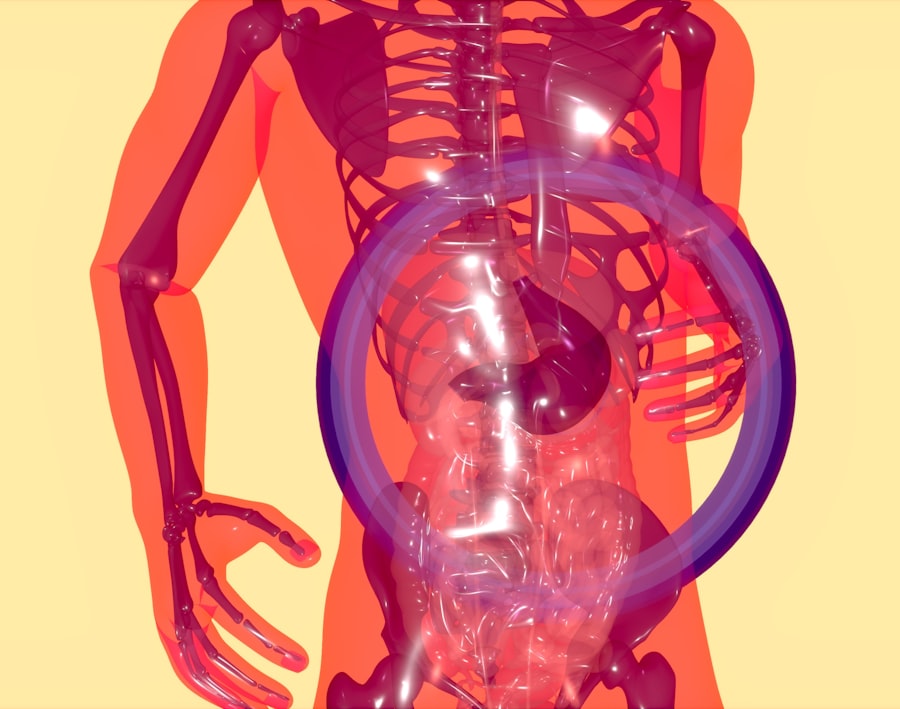
Healing and balancing the chakras is an essential aspect of maintaining overall well-being within the framework of energy medicine. Each chakra corresponds to specific physical organs, emotions, and spiritual lessons; thus, addressing imbalances within these energy centers can lead to profound transformations in an individual’s life. Various techniques exist for chakra healing—ranging from meditation practices focused on specific chakras to hands-on modalities like Reiki or crystal healing.
Meditation serves as one of the most accessible methods for balancing chakras. Individuals can visualize each chakra’s color while focusing on its associated qualities during meditation sessions. For example, visualizing a vibrant red light at the Root Chakra can help ground an individual while promoting feelings of safety and security.
Similarly, meditating on the Heart Chakra’s green light can foster love and compassion towards oneself and others. In addition to meditation, incorporating sound therapy into chakra healing practices has gained popularity in recent years. Sound frequencies produced by singing bowls or tuning forks resonate with specific chakras—facilitating energetic alignment through vibration.
For instance, using a singing bowl tuned to resonate with the Solar Plexus Chakra can help release feelings of powerlessness while promoting confidence and self-esteem.
Applying the Teachings of Anatomy of the Spirit in Daily Life
Integrating the teachings from “Anatomy of the Spirit” into daily life involves cultivating awareness around one’s thoughts, emotions, and energetic states. Individuals can begin by practicing mindfulness throughout their day—taking moments to check in with themselves emotionally while observing how these feelings manifest physically within their bodies. This practice encourages self-reflection while fostering a deeper understanding of how one’s internal landscape influences overall well-being.
Additionally, journaling serves as an effective tool for processing emotions and tracking personal growth over time. By documenting experiences related to specific chakras or emotional challenges faced throughout daily life, individuals can identify patterns that may require attention or healing. This practice not only enhances self-awareness but also empowers individuals by providing insights into their journeys toward balance.
Moreover, engaging with community support—whether through workshops focused on energy healing or group meditations—can amplify personal growth efforts while fostering connections with like-minded individuals on similar paths toward self-discovery. Sharing experiences within supportive environments encourages vulnerability while reinforcing collective healing efforts.
Embracing the Wisdom of Caroline Myss
Caroline Myss’s teachings on the anatomy of the spirit offer profound insights into understanding ourselves beyond mere physical existence. By exploring concepts such as chakras, energy medicine, intuition, and holistic well-being practices—individuals are empowered to take charge of their health journeys while embracing their unique spiritual paths. The integration of these teachings into daily life fosters resilience against challenges while promoting deeper connections with oneself and others.
As we navigate our lives amidst constant change—embracing this wisdom allows us not only to heal but also to thrive within our interconnected existence as mind-body-spirit beings seeking balance amidst life’s complexities.
Caroline Myss’s “Anatomy of the Spirit” is a profound exploration of the interconnectedness of the human spirit and physical health, offering insights into how spiritual and emotional well-being can influence our physical state. For those interested in delving deeper into similar themes, an article on Hellread provides further exploration into the spiritual dimensions of healing and personal growth. You can read more about these concepts in the related article by visiting this link. This article complements Myss’s work by expanding on the idea that understanding and nurturing our spiritual anatomy can lead to transformative healing and self-awareness.
FAQs
What is “Anatomy of the Spirit” by Caroline Myss about?
“Anatomy of the Spirit” by Caroline Myss is a book that explores the connection between the body, mind, and spirit. Myss draws on her background in energy medicine and mysticism to examine the seven chakras and their relationship to emotional and physical health.
Who is Caroline Myss?
Caroline Myss is a renowned author, speaker, and medical intuitive. She is known for her work in the field of energy medicine and is the author of several bestselling books, including “Anatomy of the Spirit” and “Sacred Contracts.”
What are the main concepts discussed in “Anatomy of the Spirit”?
In “Anatomy of the Spirit,” Caroline Myss discusses the seven chakras and their connection to different aspects of human experience, such as survival, power, love, and communication. She also explores the ways in which emotional and spiritual imbalances can manifest as physical illness.
How has “Anatomy of the Spirit” been received by readers and critics?
“Anatomy of the Spirit” has been well-received by readers and critics alike. Many have praised Myss’s ability to blend spiritual and medical concepts in a way that is accessible and practical. The book has been influential in the fields of holistic health and personal development.
What are some key takeaways from “Anatomy of the Spirit”?
Some key takeaways from “Anatomy of the Spirit” include the importance of addressing emotional and spiritual imbalances for overall health, the interconnectedness of the body, mind, and spirit, and the potential for healing through understanding and balancing the chakras.




