
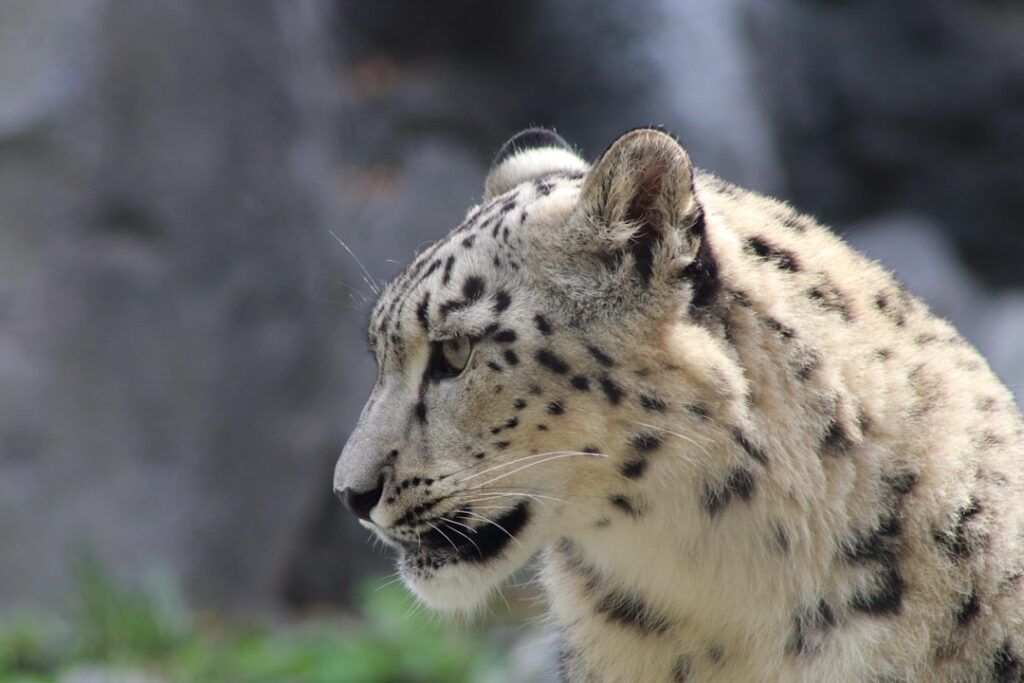
“The Snow Leopard,” published in 1978, is a profound narrative that intertwines the themes of nature, spirituality, and the human experience. Written by Peter Matthiessen, this work is not merely a travelogue; it is a deep exploration of the relationship between humanity and the natural world. The book chronicles Matthiessen’s journey into the remote regions of the Himalayas, where he seeks to observe the elusive snow leopard, a creature that has become emblematic of the wild and untamed aspects of nature.
The narrative is rich with vivid descriptions of the landscape, the challenges of high-altitude trekking, and the philosophical musings that arise from his experiences in this breathtaking yet harsh environment. Matthiessen’s quest for the snow leopard serves as a metaphor for the search for meaning in life. The snow leopard itself, a rare and solitary animal, symbolizes the elusive nature of truth and understanding.
The book is not just about the pursuit of a physical creature; it is also an introspective journey that invites readers to contemplate their own connections to nature and the universe. Through his eloquent prose, Matthiessen captures the essence of the Himalayas and the profound impact it has on those who venture into its depths.
Key Takeaways
- “The Snow Leopard” is a book by Peter Matthiessen that chronicles his journey to the Himalayas in search of the elusive snow leopard.
- Author Peter Matthiessen was a well-known naturalist, explorer, and writer with a deep interest in Buddhism and environmental conservation.
- The journey to the Himalayas was a physically and spiritually challenging experience for Matthiessen, as he grappled with the harsh terrain and his own inner struggles.
- The search for the elusive snow leopard was a central focus of the expedition, as Matthiessen sought to observe and understand this rare and mysterious creature.
- Matthiessen’s encounters with the local people and wildlife provided him with profound insights into the interconnectedness of all living beings and the fragility of the natural world.
Author Peter Matthiessen’s Background
Peter Matthiessen was born on May 22, 1927, in New York City, into a family that valued literature and nature. His early life was marked by a love for the outdoors, which would later inform much of his writing. Matthiessen attended Yale University, where he studied anthropology and literature, laying the groundwork for his future career as a writer and naturalist.
After serving in the U.S. Navy during World War II, he returned to academia and began to immerse himself in the study of Eastern philosophies and religions, particularly Buddhism. This spiritual exploration would significantly influence his worldview and writing style.
Before “The Snow Leopard,” Matthiessen had already established himself as a prominent author with works such as “Wildlife in America” and “The Tree Where Man Was Born.” His deep appreciation for nature and wildlife was evident in his earlier writings, but it was “The Snow Leopard” that truly encapsulated his philosophical inquiries and personal struggles. Matthiessen’s experiences as a naturalist and his understanding of Eastern thought allowed him to weave together narratives that were both informative and contemplative. His ability to blend travel writing with profound reflections on life and existence set him apart from many of his contemporaries.
The Journey to the Himalayas
Matthiessen’s journey to the Himalayas was not just a physical expedition; it was also a spiritual pilgrimage.
The trek through the rugged terrain of the Himalayas was fraught with challenges, including harsh weather conditions, altitude sickness, and the physical demands of high-altitude hiking.
Matthiessen’s detailed descriptions of the landscape evoke a sense of awe and reverence for the natural world, capturing both its beauty and its peril. The journey itself was transformative for Matthiessen. As he navigated through remote villages and breathtaking mountain passes, he encountered not only stunning vistas but also moments of introspection that would shape his understanding of life and death.
The physical exertion required for such an expedition forced him to confront his own limitations and vulnerabilities. Each step taken on the rocky paths became a metaphor for his inner journey, as he grappled with grief and sought to find meaning in his experiences. The Himalayas, with their towering peaks and vast expanses, served as both a backdrop for his quest and a catalyst for his spiritual awakening.
The Search for the Elusive Snow Leopard
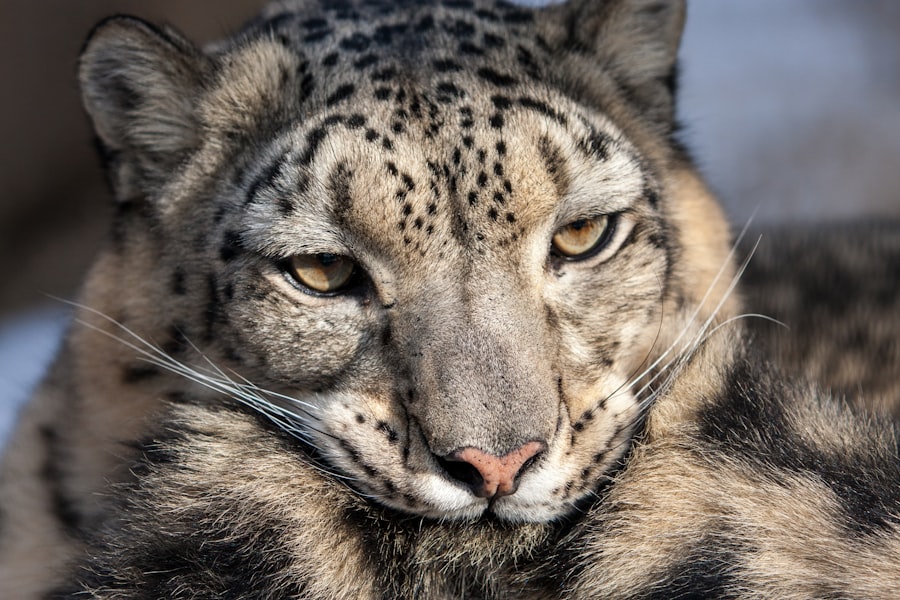
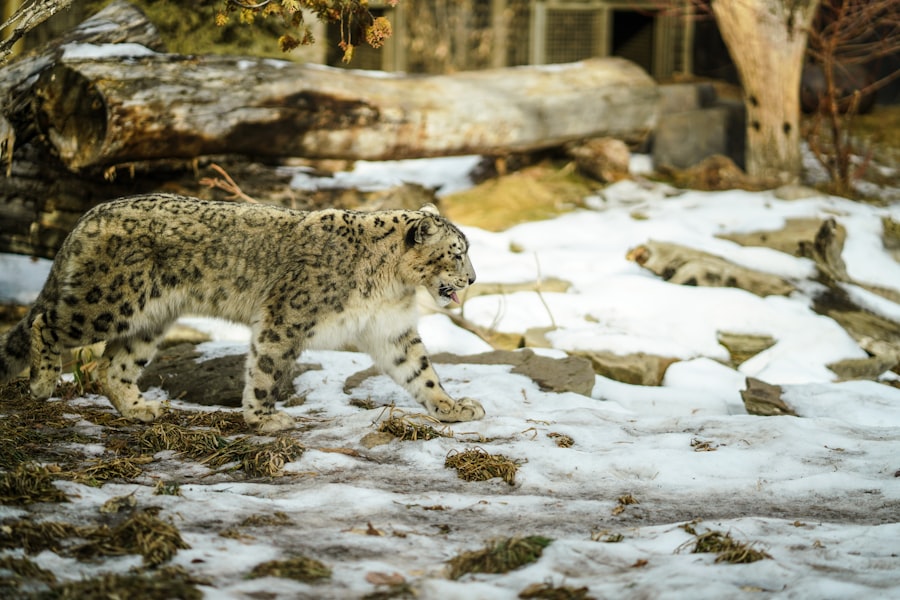
The snow leopard itself is a creature shrouded in mystery, known for its elusive nature and solitary habits. Matthiessen’s quest to observe this magnificent animal became a central focus of his journey. He spent weeks in remote areas, often waiting silently in hidden spots, hoping for a glimpse of the snow leopard as it moved gracefully across the rugged terrain.
His patience and dedication to this pursuit reflect not only his passion for wildlife observation but also his deeper quest for understanding. Throughout his search, Matthiessen encountered various challenges that tested his resolve. The harsh climate, coupled with the difficulty of navigating steep mountain slopes, made each day an arduous endeavor.
Yet, these struggles were not merely physical; they also mirrored his internal conflicts. The snow leopard became a symbol of what he sought—an understanding of life’s complexities and an acceptance of its inherent uncertainties. Each moment spent in pursuit of this elusive creature was imbued with significance, as Matthiessen contemplated themes of solitude, connection, and the search for truth.
Encounters with the Local People and Wildlife
As Matthiessen trekked through the Himalayas, he encountered various local communities whose lives were intricately connected to the land. These interactions provided him with insights into their cultures, traditions, and ways of life that were deeply rooted in their environment. The Sherpas, known for their resilience and expertise in navigating high altitudes, played a crucial role in Matthiessen’s journey.
Their knowledge of the terrain and their ability to adapt to harsh conditions were invaluable assets during his expedition. Matthiessen’s observations of local wildlife further enriched his narrative. He described encounters with various species native to the region, from ibex to blue sheep, each playing a role in the delicate ecosystem of the Himalayas.
These experiences highlighted not only the beauty of biodiversity but also the interconnectedness of all living beings within this fragile environment. Through these encounters, Matthiessen emphasized the importance of respecting nature and understanding our place within it. The local people’s harmonious relationship with their surroundings served as a poignant reminder of what it means to live in balance with nature.
Spiritual and Philosophical Reflections
Throughout “The Snow Leopard,” Matthiessen delves into profound spiritual and philosophical reflections that arise from his experiences in the Himalayas. His exploration of Buddhism becomes a central theme as he grapples with concepts such as impermanence, suffering, and enlightenment. The stark beauty of the landscape serves as a backdrop for these contemplations, prompting him to reflect on life’s transience and the search for deeper meaning.
Matthiessen’s writing is imbued with a sense of reverence for nature as he contemplates humanity’s relationship with the environment. He draws parallels between his quest for the snow leopard and broader existential questions about purpose and fulfillment. The solitude he experiences in the mountains allows him to confront his own fears and desires, leading to moments of clarity amidst confusion.
His reflections resonate with readers who may find themselves on similar journeys of self-discovery, seeking answers in both nature and within themselves.
The Impact of the Expedition on the Author
The expedition profoundly impacted Matthiessen on multiple levels—emotionally, spiritually, and creatively. As he navigated through breathtaking landscapes while grappling with personal grief, he found solace in nature’s beauty and power. The physical challenges he faced during his trek forced him to confront his own limitations while simultaneously fostering resilience and determination.
Each step taken in pursuit of the snow leopard became an act of healing as he learned to embrace uncertainty. Matthiessen’s experiences in the Himalayas also influenced his writing style and thematic focus in subsequent works. The introspective nature of “The Snow Leopard” marked a shift towards more contemplative narratives that explored humanity’s connection to nature.
His ability to weave personal experiences with broader philosophical inquiries became a hallmark of his literary voice. This expedition not only shaped Matthiessen as an author but also solidified his commitment to environmental conservation—a cause he championed throughout his life.
Legacy of The Snow Leopard
“The Snow Leopard” remains a seminal work in both travel literature and environmental writing. Its impact extends beyond its publication date; it continues to inspire readers to explore their own connections with nature while contemplating deeper existential questions. Matthiessen’s eloquent prose invites readers into a world where beauty coexists with hardship, prompting reflections on life’s complexities.
The legacy of “The Snow Leopard” is also evident in its influence on conservation efforts aimed at protecting snow leopards and their habitats. As awareness grows regarding climate change and habitat loss, Matthiessen’s work serves as a poignant reminder of our responsibility to safeguard these majestic creatures and their ecosystems. His narrative encourages readers not only to appreciate nature’s wonders but also to advocate for its preservation—a message that resonates strongly in today’s world.
In conclusion, Peter Matthiessen’s “The Snow Leopard” is more than just an account of an expedition; it is a profound exploration of life’s mysteries through the lens of nature. Through vivid storytelling and deep philosophical reflections, Matthiessen invites readers on a journey that transcends geographical boundaries, urging them to seek their own truths amidst the beauty and complexity of existence.
In Peter Matthiessen’s “The Snow Leopard,” readers are taken on a profound journey through the Himalayas, exploring themes of spirituality, nature, and self-discovery. For those interested in further exploring the intricate relationship between humans and the natural world, an insightful article can be found on Hellread. This piece delves into similar themes of introspection and the quest for understanding within the vastness of nature. You can read more about these compelling ideas by visiting the article here.
FAQs
What is “The Snow Leopard” by Peter Matthiessen about?
“The Snow Leopard” is a non-fiction book written by Peter Matthiessen. It recounts the author’s journey to the Himalayas in search of the elusive snow leopard, as well as his spiritual and personal reflections during the expedition.
When was “The Snow Leopard” published?
“The Snow Leopard” was first published in 1978.
Is “The Snow Leopard” a work of fiction or non-fiction?
“The Snow Leopard” is a work of non-fiction. It is based on the author’s real-life experiences and observations during his journey to the Himalayas.
What is the significance of the snow leopard in the book?
The snow leopard serves as a central symbol in the book, representing the elusive and mysterious nature of the natural world. The author’s quest to spot a snow leopard also becomes a metaphor for his personal and spiritual journey.
Has “The Snow Leopard” received any awards or recognition?
Yes, “The Snow Leopard” won the National Book Award for Contemporary Thought in 1979. It has also been widely praised for its lyrical prose and insightful reflections on nature and spirituality.




