

Maya Angelou, born on April 4, 1928, in St. Louis, Missouri, emerged as one of the most influential voices in American literature and civil rights activism. Her multifaceted career spanned several decades, encompassing roles as a poet, memoirist, playwright, and director.
Angelou’s life experiences were rich and varied, marked by personal struggles and triumphs that informed her writing. She became a prominent figure in the civil rights movement, working alongside leaders such as Martin Luther King Jr. and Malcolm
Angelou’s work is characterized by its lyrical prose and poignant reflections on race, gender, and personal growth. Her first autobiographical work, “I Know Why the Caged Bird Sings,” published in 1969, is a seminal text that not only chronicles her early life but also serves as a powerful commentary on the systemic racism and sexism prevalent in American society. Through her writing, Angelou sought to give voice to the marginalized and to illuminate the complexities of the African American experience.
Her ability to weave personal narrative with broader social issues has left an indelible mark on literature and continues to resonate with readers around the world.
Key Takeaways
- Maya Angelou was a prominent American author, poet, and civil rights activist known for her autobiographical works and powerful storytelling.
- “I Know Why the Caged Bird Sings” is a coming-of-age story that explores themes of racism, trauma, resilience, and self-discovery.
- The book addresses important themes such as racism, identity, family, and resilience, and highlights the impact of trauma on personal growth.
- The title “I Know Why the Caged Bird Sings” symbolizes the resilience and strength of the human spirit in the face of adversity and oppression.
- “I Know Why the Caged Bird Sings” has had a significant impact on literature and society, sparking important conversations about race, identity, and the power of storytelling.
Summary of “I Know Why the Caged Bird Sings”
“I Know Why the Caged Bird Sings” is the first of seven autobiographies written by Maya Angelou, detailing her childhood and early adulthood. The narrative begins with Angelou’s early years in Stamps, Arkansas, where she lived with her paternal grandmother, Annie Henderson. The book vividly depicts the harsh realities of life in the segregated South, where racial discrimination was a daily occurrence.
Angelou’s childhood is marked by trauma, including the sexual abuse she suffered at the hands of her mother’s boyfriend, Freeman. This traumatic event leads to a profound silence; after revealing the abuse, she feels responsible for Freeman’s subsequent murder by her uncles. As the narrative unfolds, Angelou explores themes of identity and belonging.
After moving to San Francisco to live with her mother, she faces new challenges, including navigating a racially charged environment and grappling with her own sense of self-worth. The book captures her experiences as a young Black girl striving for acceptance in a world that often devalues her existence. Throughout her journey, Angelou finds solace in literature and the arts, which become vital tools for her self-expression and empowerment.
The memoir culminates in her teenage years when she becomes a mother at the age of 16, marking a significant turning point in her life.
Analysis of the themes in the book

The themes woven throughout “I Know Why the Caged Bird Sings” are rich and multifaceted, reflecting both personal and societal struggles. One of the most prominent themes is the impact of racism on individual identity. Angelou’s experiences in the Jim Crow South expose her to the harsh realities of racial discrimination from an early age.
The narrative illustrates how systemic racism shapes not only societal structures but also personal relationships and self-perception. Angelou’s journey toward self-acceptance is fraught with challenges as she navigates a world that often seeks to diminish her worth based on her race. Another significant theme is resilience in the face of adversity.
Angelou’s life is marked by numerous hardships, including trauma, displacement, and poverty. Yet, throughout these challenges, she demonstrates an unwavering spirit and determination to rise above her circumstances. The memoir serves as a testament to the strength of the human spirit; despite feeling caged by societal constraints and personal trauma, Angelou ultimately finds her voice and agency through writing and self-expression.
This theme resonates deeply with readers who may have faced their own struggles, offering a message of hope and empowerment.
The significance of the title
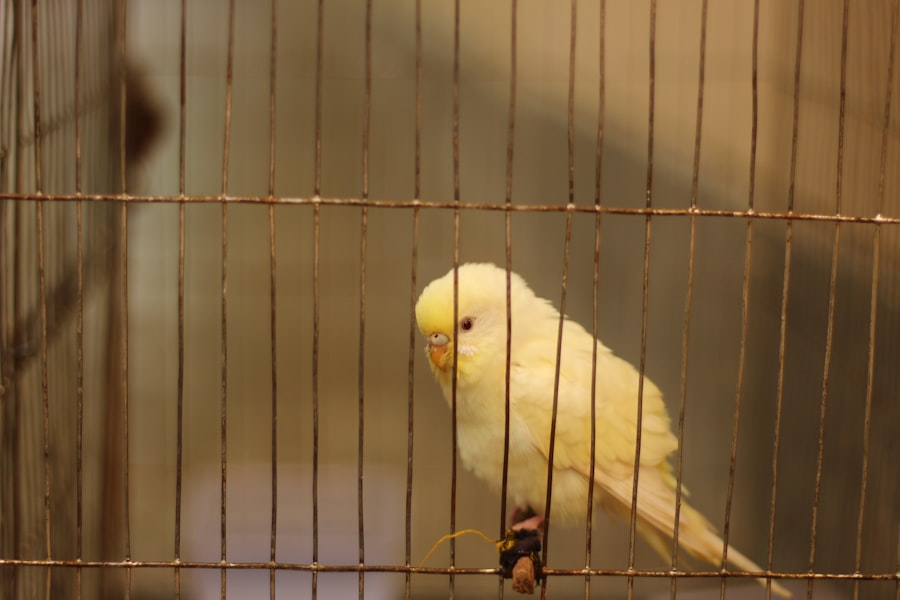
The title “I Know Why the Caged Bird Sings” is laden with symbolism and meaning that encapsulates the essence of Angelou’s narrative. The metaphor of the caged bird represents confinement—both physical and psychological—reflecting the limitations imposed by society on individuals based on race and gender. The bird’s song symbolizes a yearning for freedom and self-expression despite being trapped in a cage.
This imagery resonates throughout Angelou’s life story as she grapples with her own feelings of entrapment due to systemic oppression and personal trauma. Moreover, the title evokes a sense of longing for liberation that transcends individual experience. It speaks to a collective struggle for freedom among marginalized communities.
The caged bird’s song becomes an anthem for those who have been silenced or oppressed, highlighting the power of art and expression as means of resistance. In this way, Angelou not only shares her personal journey but also connects it to broader themes of social justice and human rights, making the title profoundly significant within both literary and historical contexts.
The impact of the book on literature and society
“I Know Why the Caged Bird Sings” has had a profound impact on both literature and society since its publication in 1969. As one of the first autobiographies by an African American woman to reach a wide audience, it broke new ground in literary representation. The book challenged prevailing narratives about race and gender while providing an authentic voice to experiences often marginalized in mainstream literature.
Angelou’s candid exploration of her life resonated with readers from diverse backgrounds, fostering empathy and understanding across cultural divides. The memoir also played a crucial role in shaping discussions around race relations in America during a time of significant social upheaval. As civil rights movements gained momentum in the 1960s, Angelou’s work provided a personal lens through which readers could engage with issues of racism, identity, and resilience.
It became an essential text in educational curricula across the country, prompting critical conversations about race and gender that continue to be relevant today. The book’s enduring legacy lies not only in its literary merit but also in its capacity to inspire activism and social change.
Maya Angelou’s writing style and use of language
Maya Angelou’s writing style is characterized by its lyrical quality and emotional depth. Her prose often reads like poetry, rich with vivid imagery and rhythmic cadence that draws readers into her world. Angelou employs a conversational tone that invites intimacy while addressing complex themes with clarity and nuance.
This accessibility allows readers to connect deeply with her experiences, making her narrative both relatable and impactful. Angelou’s use of language is particularly noteworthy for its ability to convey profound truths through simple yet evocative expressions. She masterfully balances personal anecdotes with broader social commentary, creating a tapestry of interconnected experiences that resonate on multiple levels.
Her skillful use of metaphor—such as the caged bird—enhances the thematic richness of her work while inviting readers to reflect on their own lives and struggles. Through her distinctive voice, Angelou not only tells her story but also elevates it to universal significance.
Controversies and criticisms surrounding the book
Despite its acclaim, “I Know Why the Caged Bird Sings” has not been without controversy or criticism. Some detractors have taken issue with Angelou’s candid portrayal of trauma, particularly regarding her experiences with sexual abuse. Critics argue that such explicit depictions may be inappropriate for younger audiences or could perpetuate negative stereotypes about Black communities.
These concerns have led to challenges against the book in various educational settings, sparking debates about censorship and the appropriateness of discussing difficult topics in literature. Additionally, some scholars have critiqued aspects of Angelou’s narrative style or questioned its historical accuracy. While many celebrate her poetic prose, others argue that it sometimes sacrifices factual precision for artistic expression.
These critiques highlight ongoing tensions within literary discourse regarding the balance between storytelling and historical representation.
Conclusion and final thoughts on “I Know Why the Caged Bird Sings”
Maya Angelou’s “I Know Why the Caged Bird Sings” stands as a monumental achievement in literature that transcends its autobiographical roots to address universal themes of struggle, identity, and empowerment. Through her eloquent prose and poignant storytelling, Angelou invites readers into her world while challenging them to confront their own perceptions of race and resilience. The book’s impact on literature is undeniable; it has opened doors for future generations of writers while fostering critical conversations about social justice.
As we reflect on Angelou’s legacy through this work, it becomes clear that “I Know Why the Caged Bird Sings” is more than just a memoir; it is an anthem for those who seek freedom from societal constraints. The caged bird’s song resonates as a powerful reminder of the importance of self-expression in overcoming adversity—a message that continues to inspire individuals across cultures and generations. In celebrating Angelou’s contributions to literature and society, we honor not only her voice but also the countless others who have found strength in their own stories amidst life’s challenges.
Maya Angelou’s “I Know Why the Caged Bird Sings” is a profound exploration of identity, resilience, and the quest for freedom. For readers interested in delving deeper into themes of personal growth and overcoming adversity, an insightful article can be found on HellRead. This piece offers a fresh perspective on Angelou’s work and its enduring impact on literature and society. To explore this related article, visit this link.
FAQs
What is the book “I Know Why the Caged Bird Sings” about?
The book “I Know Why the Caged Bird Sings” is an autobiography by Maya Angelou that covers her childhood and early adult experiences. It explores themes of racism, trauma, and resilience.
When was “I Know Why the Caged Bird Sings” published?
“I Know Why the Caged Bird Sings” was first published in 1969.
What is the significance of the title “I Know Why the Caged Bird Sings”?
The title is a reference to a poem by Paul Laurence Dunbar, and it symbolizes the struggle for freedom and self-expression in the face of oppression.
What impact has “I Know Why the Caged Bird Sings” had on literature and society?
The book has had a significant impact on literature and society by shedding light on the experiences of African American women and addressing important social issues such as racism, identity, and resilience.
Has “I Know Why the Caged Bird Sings” received any awards or recognition?
Yes, the book has received numerous awards and honors, including the National Book Award nomination and the Pulitzer Prize nomination. It is also a staple in many school curriculums.




