

Political economy is a multifaceted discipline that intertwines the realms of politics and economics, examining how they influence one another and shape societal outcomes. As we delve into this field, we recognize that it is not merely an academic pursuit but a vital framework for understanding the complexities of governance, resource allocation, and social welfare. By analyzing the interplay between political structures and economic systems, we can better comprehend how policies are formulated and implemented, and how they ultimately affect the lives of individuals and communities.
In our exploration of political economy, we find that it encompasses a wide array of topics, including the distribution of wealth, the role of institutions, and the impact of globalization. This discipline encourages us to think critically about the motivations behind economic decisions and the power dynamics that underpin them.
Key Takeaways
- Political economy examines the relationship between politics and economics, and how they influence each other.
- Government plays a crucial role in economic activity through policies, regulations, and public spending.
- Public policy has a significant impact on economic outcomes, including income distribution and market efficiency.
- Property rights are essential in political economy as they provide incentives for investment and economic growth.
- Markets play a key role in political economy by allocating resources and determining prices.
The Role of Government in Economic Activity
Governments play a crucial role in shaping economic activity through various mechanisms, including regulation, taxation, and public spending. As we examine these functions, we see that governments are not merely passive observers of economic processes; rather, they actively intervene to promote stability, growth, and equity. For instance, through fiscal policies, governments can influence aggregate demand by adjusting tax rates and public expenditure.
This ability to steer the economy is particularly evident during times of crisis when governments implement stimulus packages to mitigate recessionary effects. Moreover, the regulatory framework established by governments is essential for maintaining fair competition and protecting consumers. By enforcing laws that govern business practices, labor relations, and environmental standards, governments create an environment conducive to sustainable economic development.
However, we must also consider the potential downsides of government intervention, such as inefficiencies and unintended consequences. Striking a balance between regulation and free-market principles is a challenge that policymakers continually face as they seek to foster economic prosperity while safeguarding public interests.
The Relationship Between Politics and Economics

The relationship between politics and economics is intricate and often contentious. Political decisions can have profound implications for economic outcomes, while economic conditions can influence political stability and governance. As we analyze this dynamic interplay, we recognize that political ideologies shape economic policies and vice versa.
For example, a government that prioritizes social welfare may implement policies aimed at reducing income inequality, while a more market-oriented administration might focus on deregulation and tax cuts to stimulate investment. Furthermore, we observe that political institutions play a significant role in determining how economic resources are allocated. The structure of governance—whether democratic or authoritarian—can impact the effectiveness of economic policies.
In democracies, for instance, elected officials are held accountable to their constituents, which can lead to more equitable economic outcomes. Conversely, in authoritarian regimes, power may be concentrated in the hands of a few, resulting in policies that favor elite interests over the broader population. This complex relationship underscores the importance of understanding both political and economic contexts when analyzing societal issues.
The Influence of Public Policy on Economic Outcomes
Public policy serves as a critical bridge between political decisions and economic realities. The formulation and implementation of policies can significantly influence economic performance, shaping everything from employment rates to inflation levels. As we explore this influence, we recognize that effective public policy requires a nuanced understanding of both economic theory and the specific needs of society.
Policymakers must consider various factors, including market conditions, social equity, and environmental sustainability when crafting legislation. Moreover, the impact of public policy extends beyond immediate economic indicators; it also affects long-term growth trajectories. For instance, investments in education and infrastructure can yield substantial returns by enhancing human capital and productivity.
Conversely, poorly designed policies can stifle innovation and hinder economic progress. As we reflect on these dynamics, it becomes clear that thoughtful public policy is essential for fostering an environment where individuals and businesses can thrive.
The Importance of Property Rights in Political Economy
Property rights are foundational to the functioning of any economy, serving as a cornerstone for investment and innovation. When individuals and businesses have secure rights to their property, they are more likely to invest in their assets and engage in productive activities. As we examine the significance of property rights within political economy, we recognize that they not only promote economic efficiency but also contribute to social stability.
Secure property rights incentivize individuals to take risks and pursue entrepreneurial ventures, ultimately driving economic growth. However, the enforcement of property rights is often influenced by political factors. In some cases, weak legal frameworks or corruption can undermine property rights, leading to uncertainty and discouraging investment.
This highlights the interconnectedness of political institutions and economic outcomes; robust legal systems are essential for protecting property rights and fostering an environment conducive to economic activity. As we navigate the complexities of political economy, we must emphasize the importance of establishing and maintaining strong property rights as a means of promoting sustainable development.
The Role of Markets in Political Economy
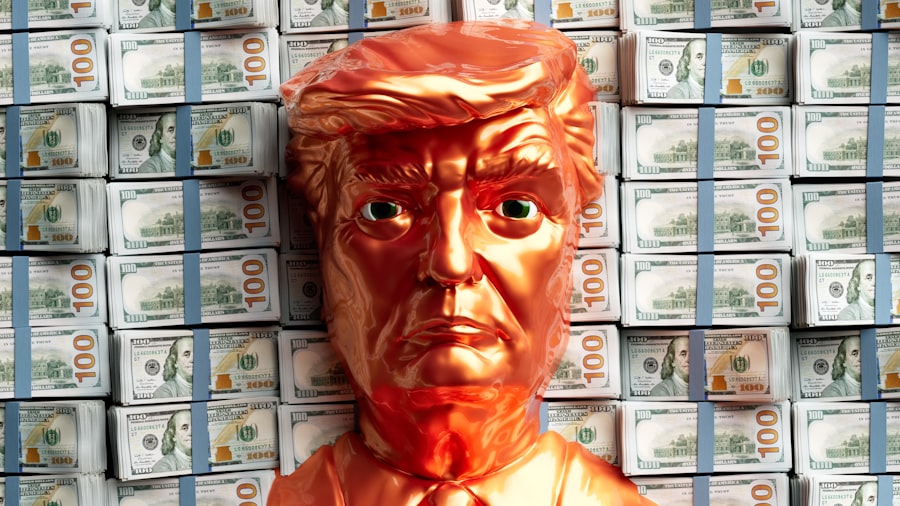
Markets are central to the functioning of modern economies, facilitating the exchange of goods and services while allocating resources efficiently. In our exploration of political economy, we recognize that markets do not operate in a vacuum; they are shaped by political decisions and regulatory frameworks. Governments play a vital role in establishing the rules that govern market behavior, ensuring fair competition while addressing market failures such as monopolies or externalities.
Moreover, markets are influenced by broader socio-political contexts. Cultural norms, historical legacies, and institutional frameworks all contribute to how markets function within different societies. For instance, in some countries, informal markets may thrive due to regulatory constraints or lack of access to formal financial systems.
Understanding these dynamics allows us to appreciate the diversity of market systems around the world and their varying degrees of success in promoting economic development.
The Impact of Political Institutions on Economic Development
Political institutions are pivotal in shaping economic development trajectories. The quality of governance—characterized by transparency, accountability, and rule of law—can significantly influence a country’s economic performance.
Conversely, weak institutions can lead to corruption, inefficiency, and social unrest, hindering economic progress. Countries with robust political institutions tend to experience higher levels of foreign direct investment (FDI) as investors seek stable environments for their capital. Additionally, effective governance can enhance public trust in institutions, further promoting civic engagement and participation in the democratic process.
As we reflect on these dynamics, it becomes evident that strengthening political institutions is essential for achieving sustainable economic development.
The Relevance of Political Economy in Today’s World
In conclusion, our exploration of political economy reveals its profound relevance in today’s world. As we grapple with pressing global challenges such as inequality, climate change, and political instability, understanding the interplay between politics and economics becomes increasingly critical. Political economy provides us with valuable insights into how policies can be designed to address these challenges effectively while promoting inclusive growth.
Moreover, as we navigate an increasingly interconnected world marked by globalization and technological change, the principles of political economy offer a framework for analyzing complex issues across borders. By recognizing the importance of governance structures, market dynamics, and public policy in shaping economic outcomes, we equip ourselves with the tools necessary to engage with contemporary societal issues thoughtfully. Ultimately, embracing the insights offered by political economy empowers us to advocate for policies that promote justice, equity, and sustainable development in our communities and beyond.
In exploring the intricate dynamics of economic systems, William L. Anderson’s “The Fundamentals of Political Economy” provides a comprehensive analysis of the foundational principles that govern economic interactions. For those interested in delving deeper into related discussions, an insightful article can be found on Hellread, which expands on the themes of economic theory and policy. This article, available at Hello World, offers a contemporary perspective that complements Anderson’s work, providing readers with a broader understanding of the current economic landscape.
FAQs
What is political economy?
Political economy is a social science that studies the production, trade, and distribution of goods and services, as well as the relationship between the economy and the government.
What are the key concepts in political economy?
Key concepts in political economy include supply and demand, market competition, government intervention, economic systems (such as capitalism and socialism), and the distribution of wealth and income.
What are the main theories in political economy?
The main theories in political economy include classical economics, neoclassical economics, Keynesian economics, Marxist economics, and institutional economics.
How does political economy relate to government policies?
Political economy examines how government policies, such as taxation, regulation, and monetary policy, impact the economy and society as a whole. It also explores the role of government in addressing market failures and promoting economic development.
What are the major criticisms of political economy?
Critics of political economy argue that it often overlooks the social and environmental impacts of economic activities, fails to address income inequality, and may be influenced by political biases. Additionally, some critics argue that political economy does not adequately consider the role of culture and institutions in shaping economic outcomes.




