

Richard Proenneke, an American naturalist and self-taught craftsman, is best known for his remarkable life in the Alaskan wilderness, which he chronicled in his book “One Man’s Wilderness.” Born on May 4, 1916, in the small town of Mount Pleasant, Iowa, Proenneke’s early life was marked by a deep appreciation for nature and a strong sense of adventure. After serving in the U.S. Navy during World War II, he returned to civilian life, where he worked various jobs, including as a mechanic and a carpenter.
However, it was his yearning for solitude and a simpler existence that ultimately led him to the remote wilds of Alaska. In 1968, at the age of 52, Proenneke made the life-altering decision to leave behind the comforts of modern society and embark on a journey into the heart of the Alaskan wilderness. He settled near Twin Lakes in what is now Lake Clark National Park and Preserve.
Armed with only basic tools and an indomitable spirit, Proenneke began documenting his experiences through journals and film. His writings and the subsequent documentary footage provide a vivid account of his solitary life, showcasing not only his survival skills but also his profound connection to the natural world around him.
Key Takeaways
- Richard Proenneke was a self-reliant naturalist who lived alone in the Alaskan wilderness for over 30 years, documenting his experiences in the film “One Man’s Wilderness.”
- Proenneke made the decision to live in the wilderness in 1968, seeking a simpler and more fulfilling life away from modern society.
- He built his own cabin and lived off the land, showcasing his resourcefulness and determination to thrive in the harsh environment.
- Proenneke had a deep connection with nature and wildlife, respecting and coexisting with the natural world around him.
- Despite the challenges of living alone in the wilderness, Proenneke found triumphs in his self-sufficiency and the peace of solitude, inspiring readers with his story of resilience and determination.
Proenneke’s decision to live in the Alaskan wilderness
Proenneke’s decision to embrace a life of solitude in Alaska was not made lightly. It stemmed from a combination of personal reflection and a desire to escape the increasingly hectic pace of modern life. He was drawn to the idea of living in harmony with nature, away from the noise and distractions of urban existence.
This longing for simplicity resonated deeply within him, prompting him to seek out a place where he could immerse himself in the wilderness. The allure of Alaska was not merely its breathtaking landscapes but also its promise of self-sufficiency. Proenneke envisioned a life where he could rely on his skills and ingenuity to survive.
He meticulously planned his move, studying the geography and climate of the region, as well as the flora and fauna that would become his companions. This preparation was crucial; it demonstrated his respect for the land and his understanding that living in such an environment required both knowledge and adaptability. His decision was ultimately a testament to his desire for authenticity—a chance to live life on his own terms.
Building a life in the wilderness
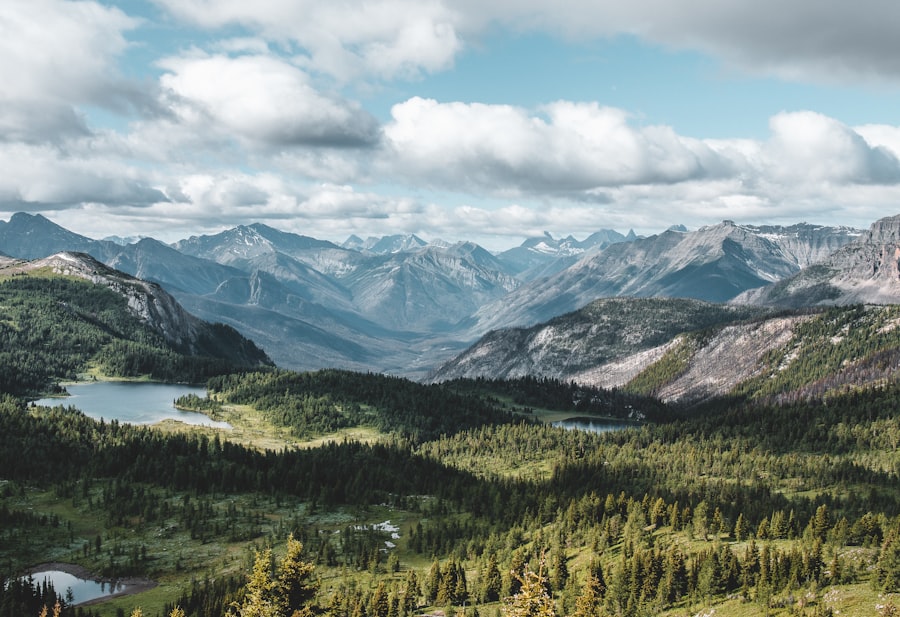
Once Proenneke arrived at Twin Lakes, he faced the monumental task of constructing a shelter that would protect him from the harsh Alaskan elements. Using locally sourced materials, he built a log cabin that would serve as his home for nearly three decades. The process was labor-intensive; he felled trees, shaped logs, and meticulously assembled them into a sturdy structure.
This cabin was not just a physical shelter; it became a symbol of his commitment to self-reliance and craftsmanship. Proenneke’s ingenuity extended beyond mere construction. He cultivated a garden to supplement his diet, growing vegetables such as potatoes and carrots.
He also learned to fish and hunt, relying on the abundant resources of the land for sustenance. His ability to adapt to the challenges of wilderness living was remarkable; he developed skills in woodworking, tool-making, and even preserving food for the long winters. Each day presented new challenges, but Proenneke approached them with determination and creativity, embodying the spirit of resilience that is often celebrated in tales of survival.
Proenneke’s relationship with nature and wildlife
Richard Proenneke’s relationship with nature was profound and multifaceted. He viewed the wilderness not merely as a backdrop for his existence but as an integral part of his identity. His journals reveal a deep reverence for the land and its inhabitants; he observed animal behavior with keen interest and documented seasonal changes with meticulous detail.
This connection fostered a sense of belonging that transcended human constructs, allowing him to experience life in its rawest form. Wildlife encounters were frequent and often awe-inspiring. Proenneke shared his home with various animals, including moose, bears, and countless birds.
He approached these encounters with respect and curiosity rather than fear or aggression. For instance, he often wrote about watching a mother bear with her cubs from a safe distance, marveling at their interactions and instincts. These moments underscored his belief that humans are but one part of a larger ecosystem, emphasizing the importance of coexistence rather than domination over nature.
Challenges and triumphs of living alone in the wilderness
Living alone in the Alaskan wilderness was fraught with challenges that tested Proenneke’s resolve and resourcefulness. The harsh climate posed significant obstacles; winters were long and brutal, often requiring him to endure extreme cold and heavy snowfall. Food scarcity during these months added another layer of difficulty, compelling him to rely on his skills in hunting and preservation.
Yet, despite these hardships, Proenneke found triumphs in overcoming each obstacle. One notable challenge was maintaining his cabin during harsh weather conditions. The relentless forces of nature demanded constant vigilance; he had to regularly check for structural integrity and make repairs as needed.
Each successful repair or adaptation brought him a sense of accomplishment that reinforced his self-reliance. Additionally, Proenneke faced moments of loneliness that tested his mental fortitude. However, he often turned these moments into opportunities for reflection and creativity, channeling his thoughts into writing or woodworking projects that enriched his experience.
Reflections on solitude and self-reliance
Proenneke’s time in the wilderness offered profound insights into solitude and self-reliance. Living away from society allowed him to cultivate an inner strength that many people never have the opportunity to explore. In isolation, he discovered not only the importance of self-sufficiency but also the value of introspection.
His journals reveal contemplative thoughts on existence, purpose, and the interconnectedness of all living things. The solitude he experienced was not merely an absence of companionship; it became a space for personal growth and self-discovery. Proenneke learned to appreciate silence—the kind that envelops you in nature—and found solace in the rhythmic sounds of wildlife around him.
This connection to solitude allowed him to confront his thoughts without distraction, leading to a deeper understanding of himself and his place within the natural world. His reflections serve as a reminder that solitude can be both challenging and enriching, offering opportunities for growth that are often overlooked in our fast-paced lives.
Legacy of One Man’s Wilderness and its impact on readers
“One Man’s Wilderness” has left an indelible mark on readers since its publication. The book serves as both an autobiography and a guide to living harmoniously with nature. Through Proenneke’s vivid descriptions and engaging storytelling, readers are transported into the Alaskan wilderness alongside him.
His experiences resonate with those seeking inspiration or contemplating their own relationship with nature. The impact of Proenneke’s story extends beyond mere entertainment; it has sparked interest in wilderness survival skills and self-sufficiency among many individuals. His journey encourages readers to reflect on their own lives—prompting questions about consumerism, environmental stewardship, and personal fulfillment.
The book has inspired countless people to seek out their own adventures in nature or consider simpler lifestyles that prioritize connection with the earth over material possessions.
Lessons and inspiration from Richard Proenneke’s story
Richard Proenneke’s life offers numerous lessons that continue to inspire individuals across generations. One key takeaway is the importance of self-reliance; Proenneke demonstrated that with determination and resourcefulness, one can thrive even in challenging circumstances. His ability to adapt to his environment serves as a powerful reminder that resilience is often born from necessity.
In an age where technology often distances us from our natural surroundings, his experiences encourage us to seek out moments of tranquility in the great outdoors. Whether through hiking, camping, or simply spending time in green spaces, we can cultivate our own relationships with nature—just as Proenneke did.
Ultimately, Richard Proenneke’s journey into the Alaskan wilderness is more than just a tale of survival; it is an exploration of what it means to live authentically in harmony with oneself and the world around us. His legacy continues to inspire those who yearn for adventure, simplicity, and a deeper understanding of their place within the natural world.
For those interested in exploring similar themes of solitude and self-reliance, an article that delves into the essence of living in harmony with nature can be found on Hellread. This article, titled “Hello World,” offers insights into the challenges and rewards of embracing a life away from the hustle and bustle of modern society. You can read more about it by visiting this link.
FAQs
What is “One Man’s Wilderness” by Richard Proenneke about?
“One Man’s Wilderness” is a book that chronicles the experiences of Richard Proenneke as he builds a cabin in the Alaskan wilderness and lives a solitary life for over 30 years.
Who is Richard Proenneke?
Richard Proenneke was a naturalist, conservationist, and self-taught carpenter who lived in the Alaskan wilderness. He documented his experiences through journals, photographs, and videos, which later became the basis for the book “One Man’s Wilderness.”
When was “One Man’s Wilderness” published?
“One Man’s Wilderness” was first published in 1973. It has since become a classic in the genre of wilderness literature and has inspired many readers with its portrayal of simple living and self-sufficiency.
What are some of the themes explored in “One Man’s Wilderness”?
The book explores themes of self-reliance, solitude, nature appreciation, and the beauty of living a simple life close to the natural world. Proenneke’s experiences also shed light on the challenges and rewards of living in the wilderness.
Has “One Man’s Wilderness” been adapted into other forms of media?
Yes, “One Man’s Wilderness” has been adapted into a documentary film titled “Alone in the Wilderness,” which features Proenneke’s own footage of his life in the Alaskan wilderness. The film has further popularized Proenneke’s story and his philosophy of simple living.




